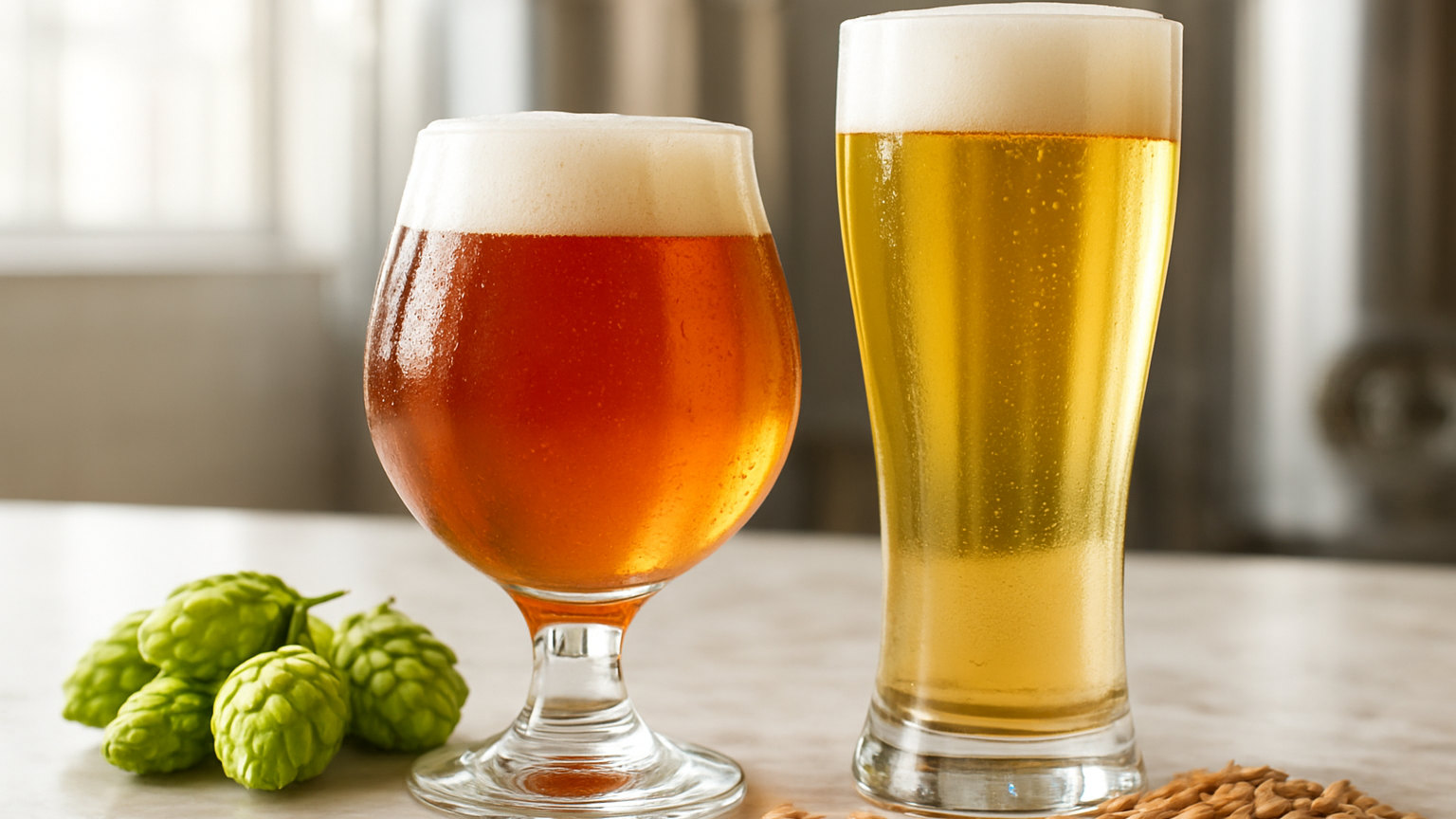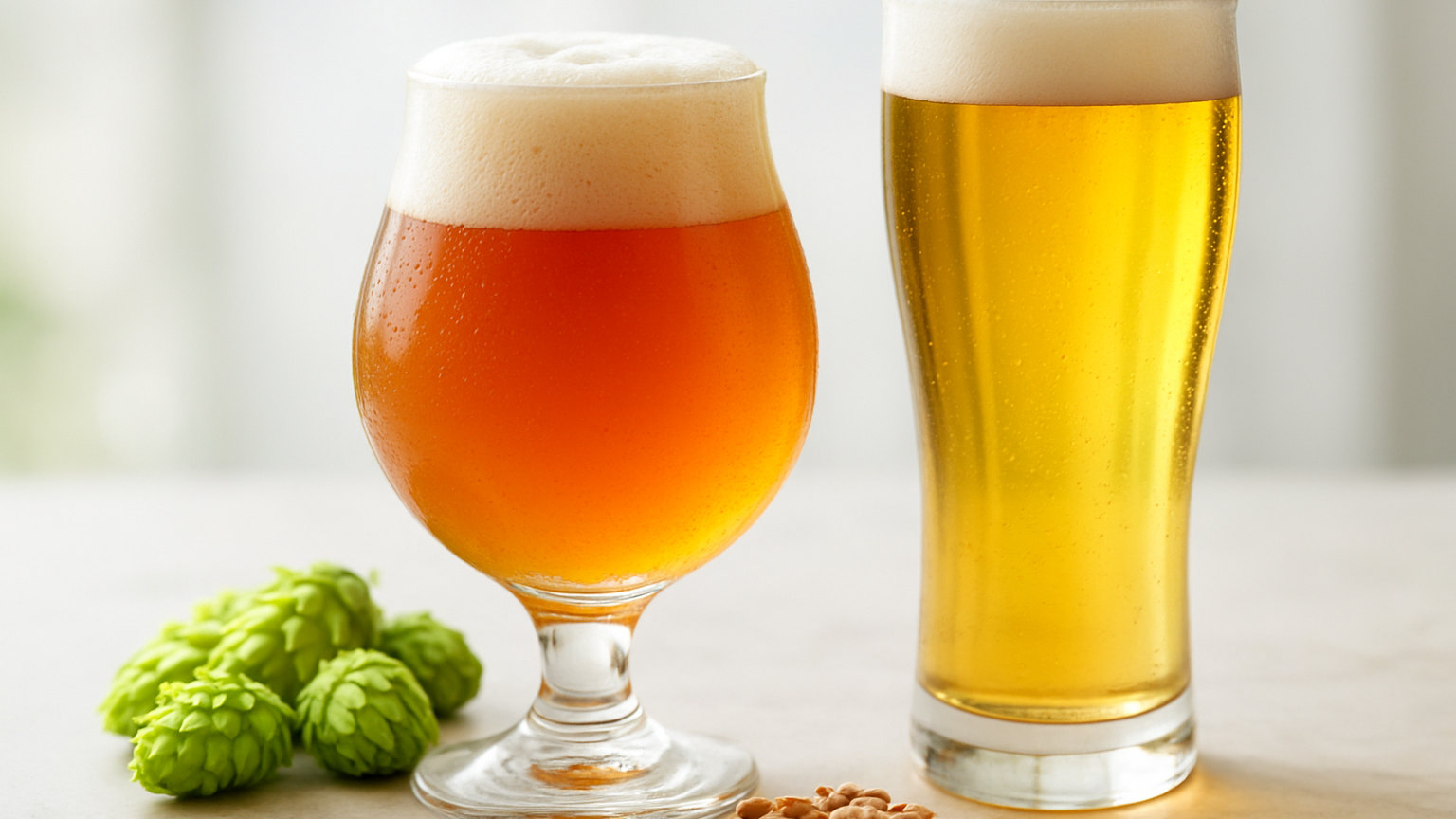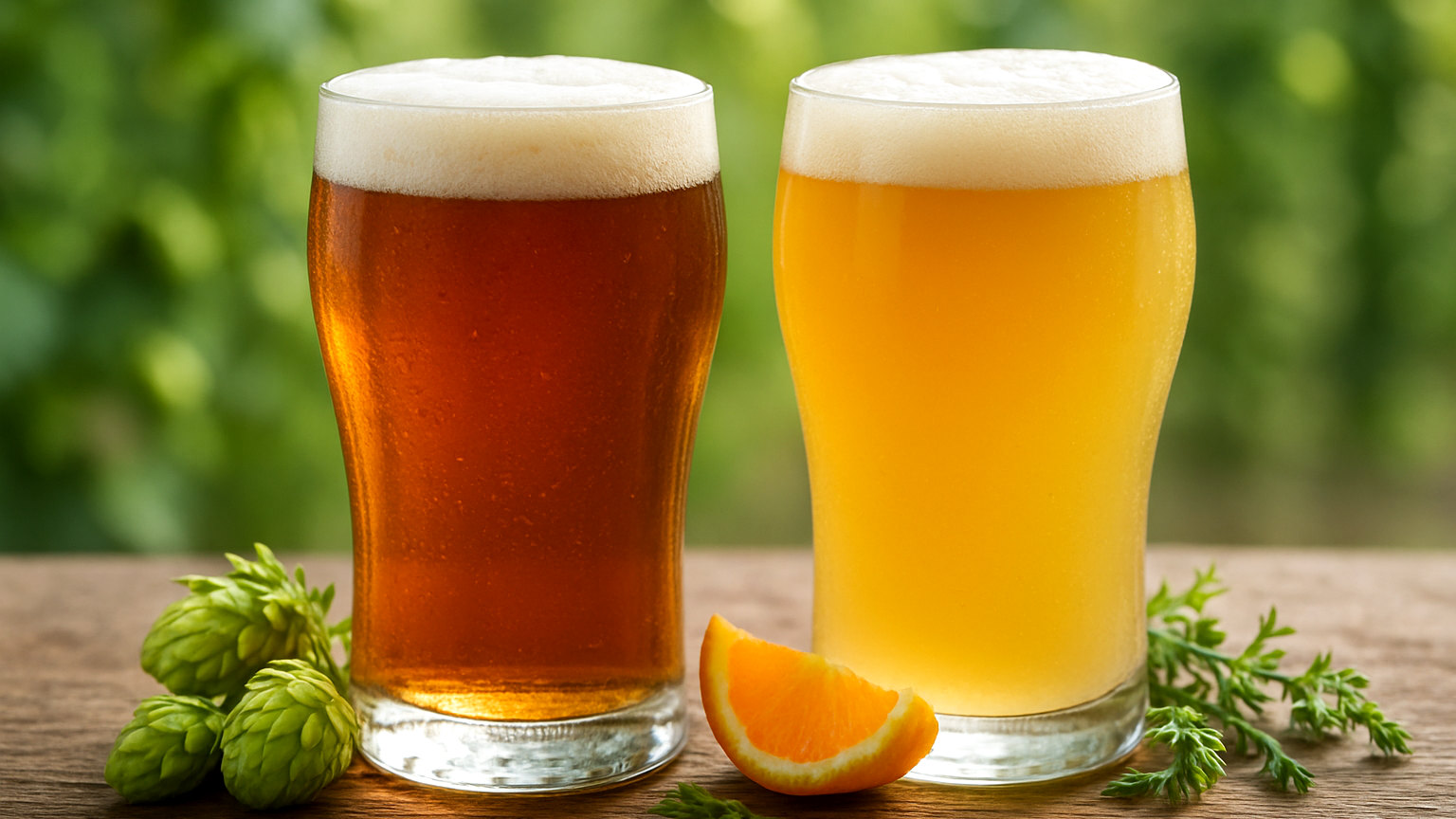
A traditional British bitter and an American pale ale can be made from similar malt at similar strengths and smell nothing alike. The hops account for most of the difference, and the gap between English and American varieties is one of genetics rather than of brewing technique.
What English hops smell of
The vocabulary that attaches to English varieties is consistent: earthy, herbal, floral, grassy, minty, woody, and a marmalade or orange peel quality that recurs constantly.
What is absent is the grapefruit, pine, mango and passionfruit character that defines modern American and Antipodean hops. Those aromas come from particular oil compounds present in high concentrations in varieties bred over the past few decades, and English hops have far less of them.
English hops are also generally low in alpha acids, the compounds providing bitterness, which means larger quantities are used to reach a given bitterness level, and consequently more aromatic oil comes along with it. The bitterness itself tends to be described as soft or rounded rather than sharp.
The classic varieties
Fuggle is the workhorse, dating from the nineteenth century, giving earthy, woody, minty and slightly grassy character. It is the backbone of a great many traditional bitters and porters.
Golding, particularly East Kent Golding, is the aristocrat: floral, honeyed, gently spicy and more delicate. It is the aroma hop of classic English pale ale and is protected by geographical designation when grown in its home area.
Challenger provides a fuller, spicier bitterness and works as both a bittering and an aroma hop. Bramling Cross is the distinctive one, giving a pronounced blackcurrant and dark fruit character that is unmistakable when a brewery uses it prominently.
Target, Northdown, Progress, First Gold and Admiral fill out the modern English range, several of them bred to combine traditional character with better disease resistance and higher yields.
Why they are used differently
Technique matters as much as variety. Traditional British brewing adds hops principally during the boil, extracting bitterness and some aroma, with a proportion added late for a modest aromatic contribution.
Modern hop-forward brewing relies heavily on dry hopping, adding large quantities after fermentation to extract aroma without any bitterness at all. That technique produces the intense aromatics associated with contemporary pale ale and IPA, and it was rarely used in traditional bitter.
Cask ale does dry hop in one traditional way: a handful of whole hops added directly to the cask before it leaves the brewery, which perfumes the beer gently over the days it settles. It is a subtler effect than modern dry hopping and worth noticing when a brewery mentions it.
Why the flavours diverged
Hop breeding programmes in different countries pursued different objectives. British breeding prioritised disease resistance, yield and suitability for the established styles. American programmes, working with different parent material and a different market, produced varieties with dramatically higher alpha acids and radically different oil profiles.
Climate and soil contribute as well, and the same variety grown in different countries produces noticeably different results, which is why some brewers specify not just the hop but where it was grown.
Trying the difference
The clearest demonstration is a single-hopped beer, where a brewery uses one variety so the character is unmasked. Several British breweries produce these, and tasting a single-hopped Fuggle beer alongside a single-hopped American variety at similar strength makes the distinction obvious in a way no description does.
It is also worth noting that English hops have become fashionable again among brewers who spent a decade chasing tropical fruit character and now want restraint and balance. The old varieties never stopped being good; they simply stopped being novel, which is a different thing entirely.
The growing side of it
English hops are grown principally in Kent, Herefordshire and Worcestershire, and the acreage is a fraction of what it was a century ago. Hop gardens are labour-intensive, and the decline of British hop growing followed the decline in demand as brewers turned to higher-yielding imported varieties.
Modern dwarf varieties, grown on lower trellises, were bred partly to reduce that labour. Renewed brewer interest in English character has stabilised the sector somewhat, and beers advertising a specific English hop are supporting a genuinely small agricultural base.