Why Is Vodka So Widely Used in Cocktails?
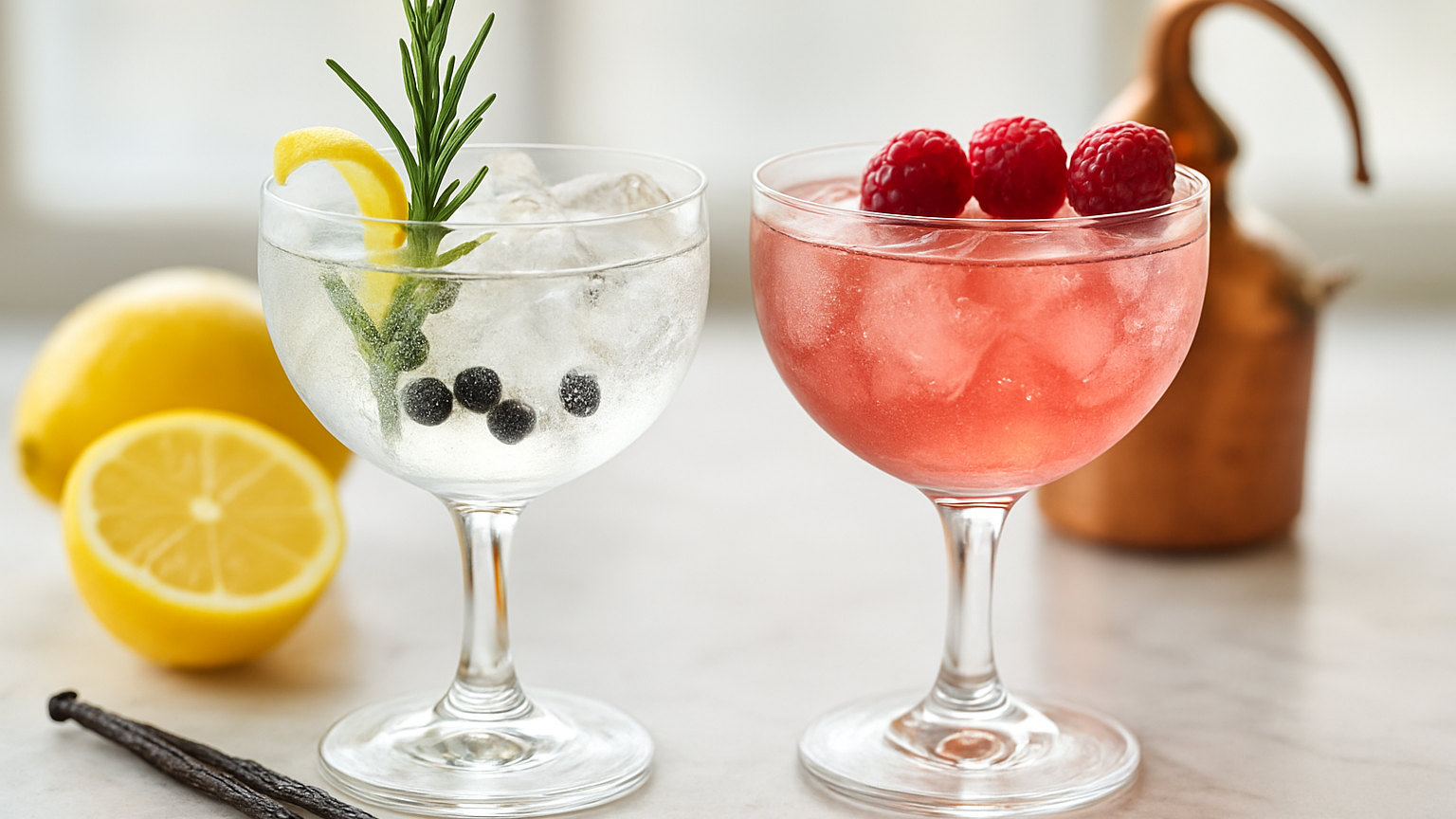
Vodka became the default cocktail base within a few decades of arriving in the West, and the reasons are as much commercial as they are about flavour.
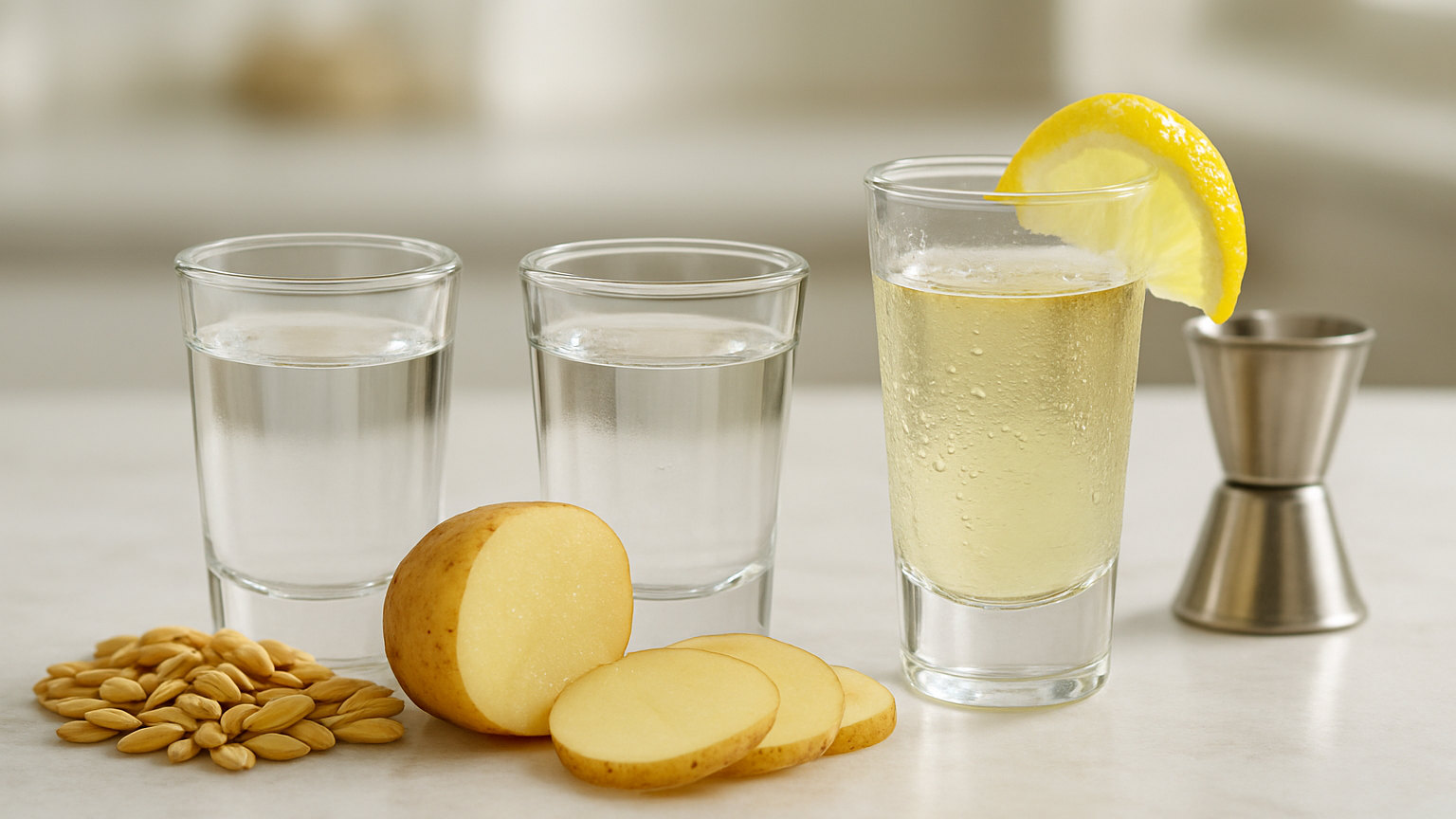
What vodka is meant to taste of, whether the base ingredient matters, and why price and quality diverge here more than anywhere.
Vodka became the default cocktail base within a few decades of arriving in the West, and the reasons are as much commercial as they are about flavour.
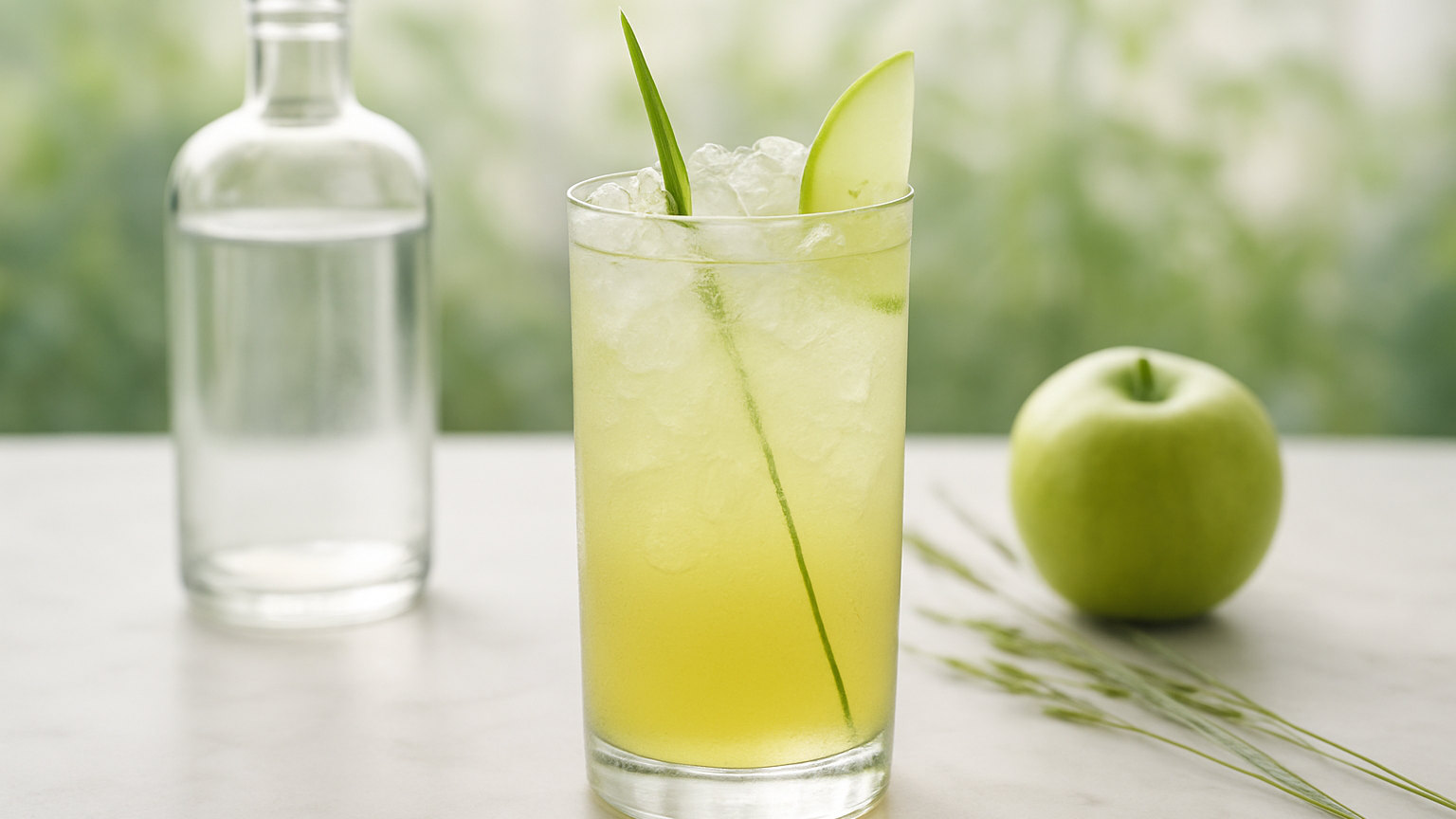
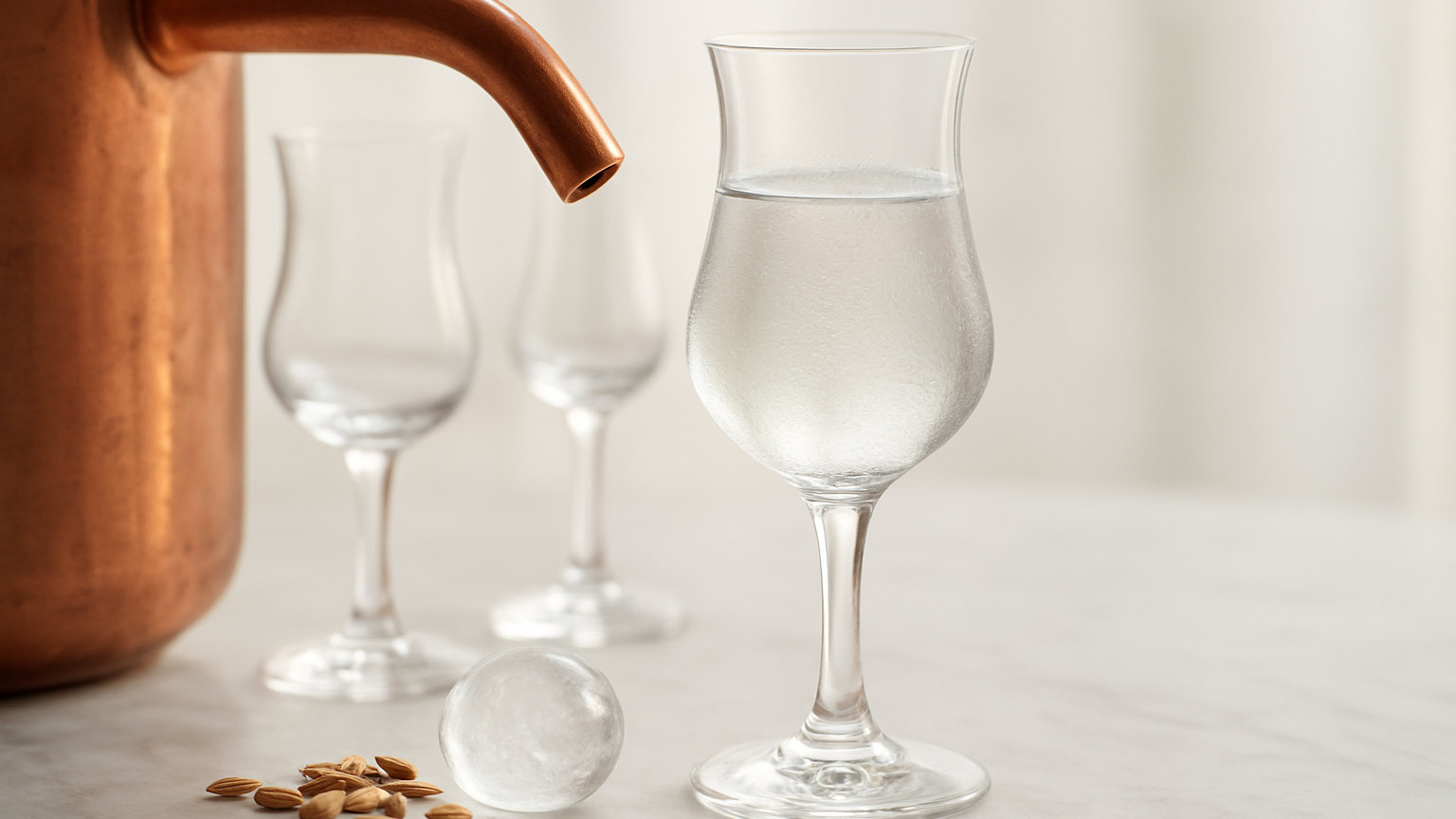
A Polish flavoured vodka made with a wild grass, pale green in the bottle and tasting of hay, vanilla and almond. It has one classic serve and a regulatory quirk.
Tasting vodka is a different exercise from tasting whisky, because the differences live in texture and finish rather than in aroma. The method has to change accordingly.
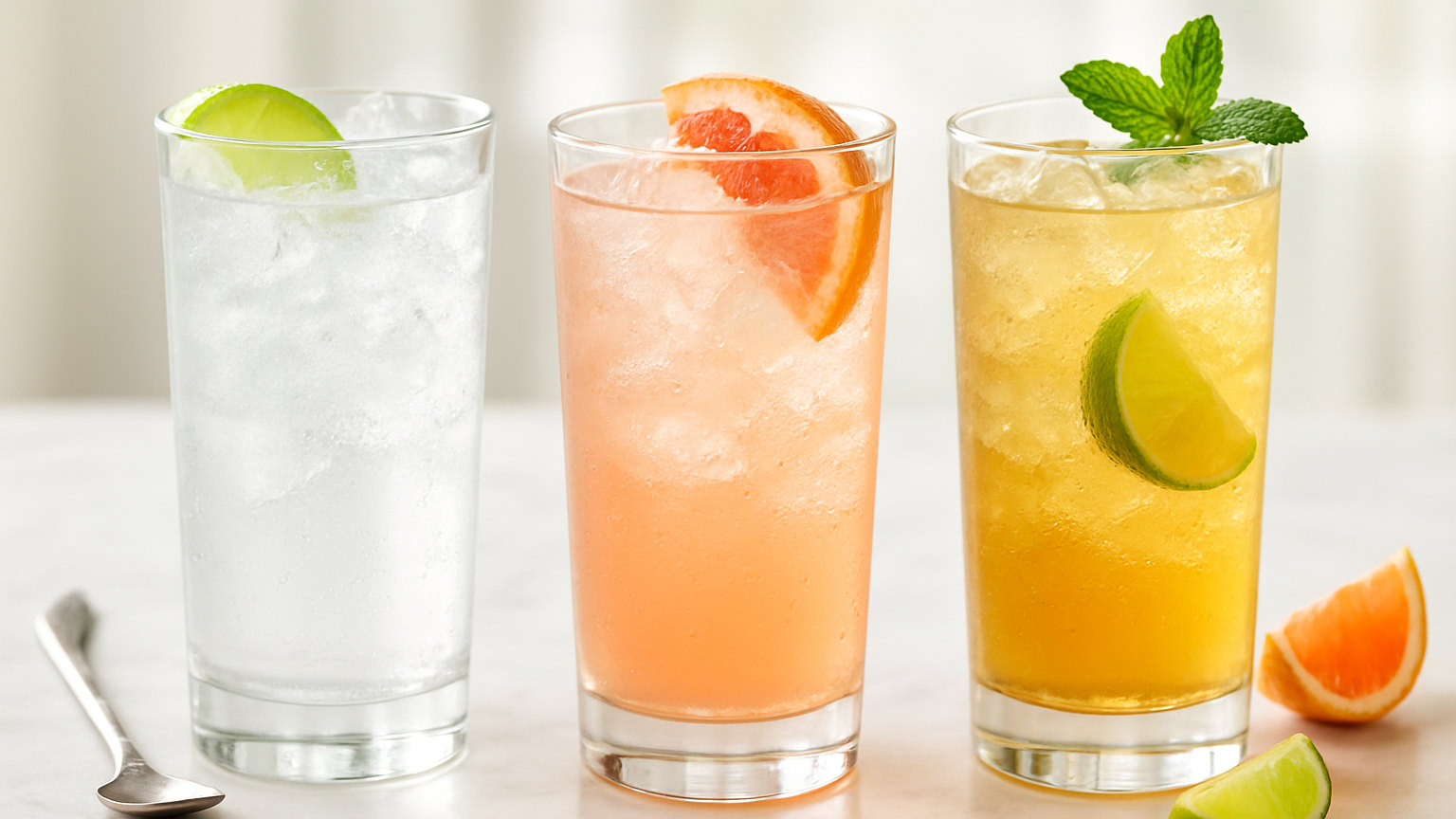
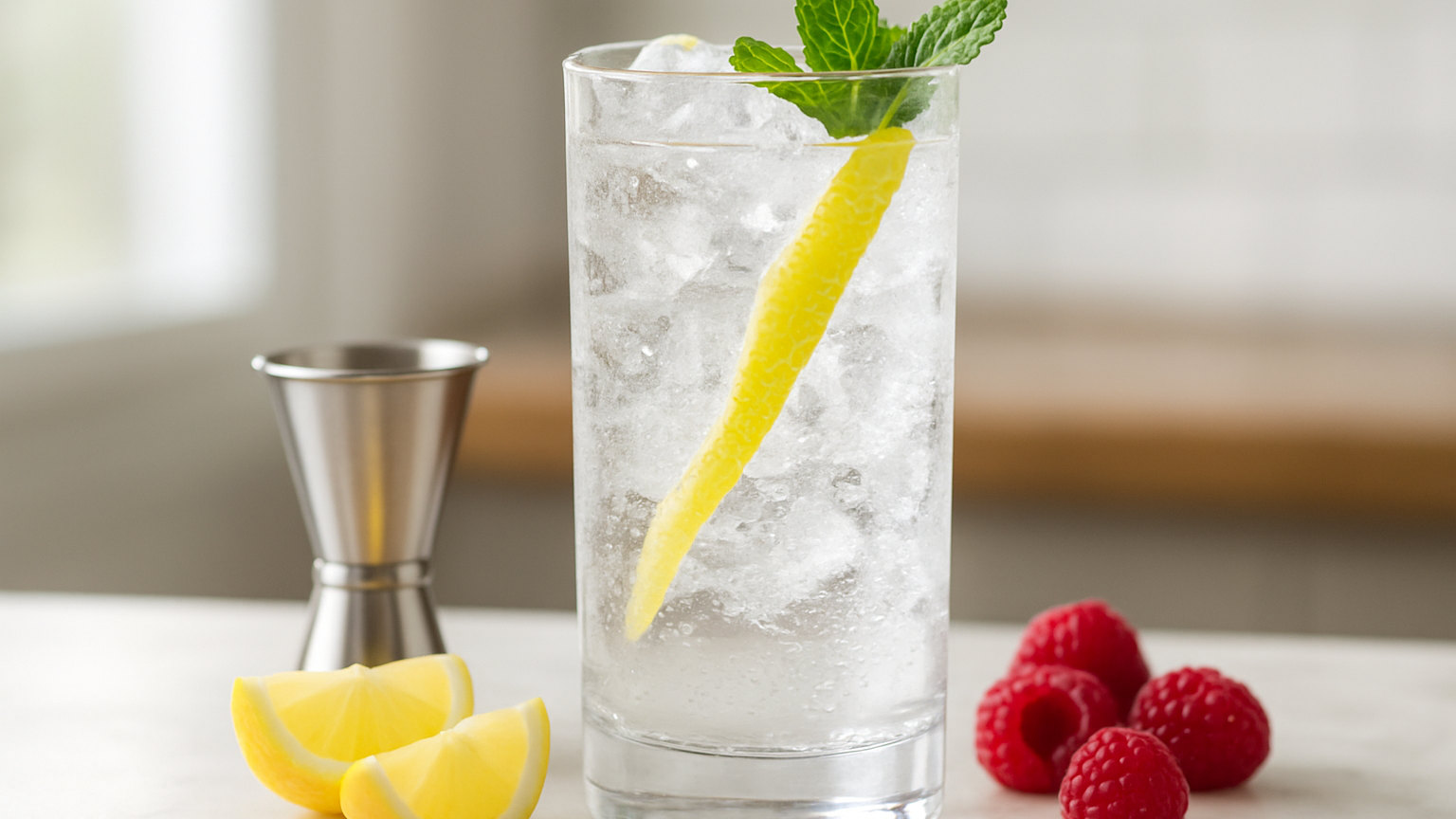
Vodka contributes strength and texture but very little flavour, so the mixer decides what the drink tastes like. That makes the choice more consequential than with any other spirit.
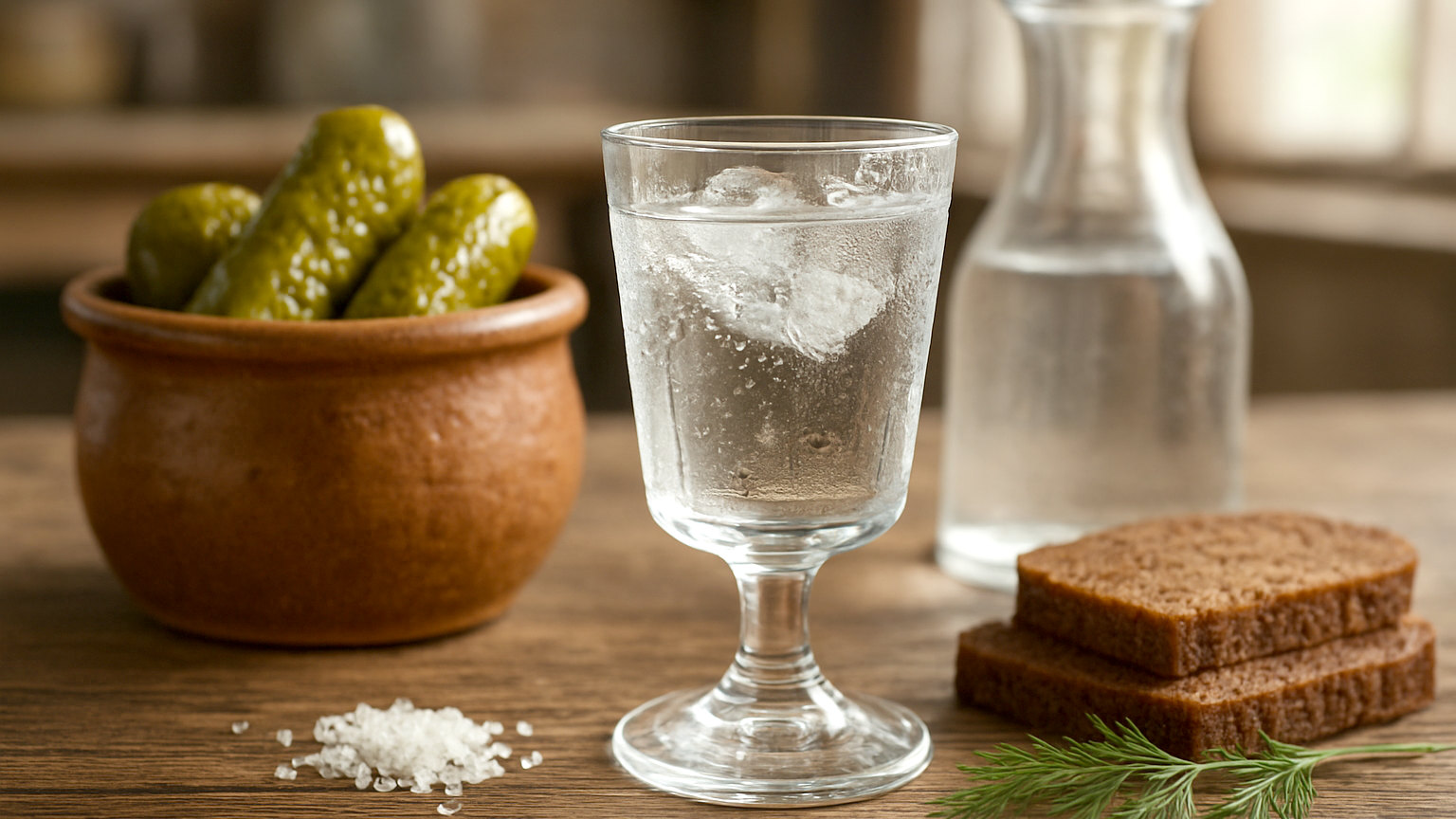
A stretch of northern and eastern Europe produced vodka long before the rest of the world drank it, and the traditions there explain how the spirit is meant to be served.
Flavoured vodka covers everything from carefully distilled botanical spirits to sweetened confectionery products. The label tells you which one you have, if you know what to read.
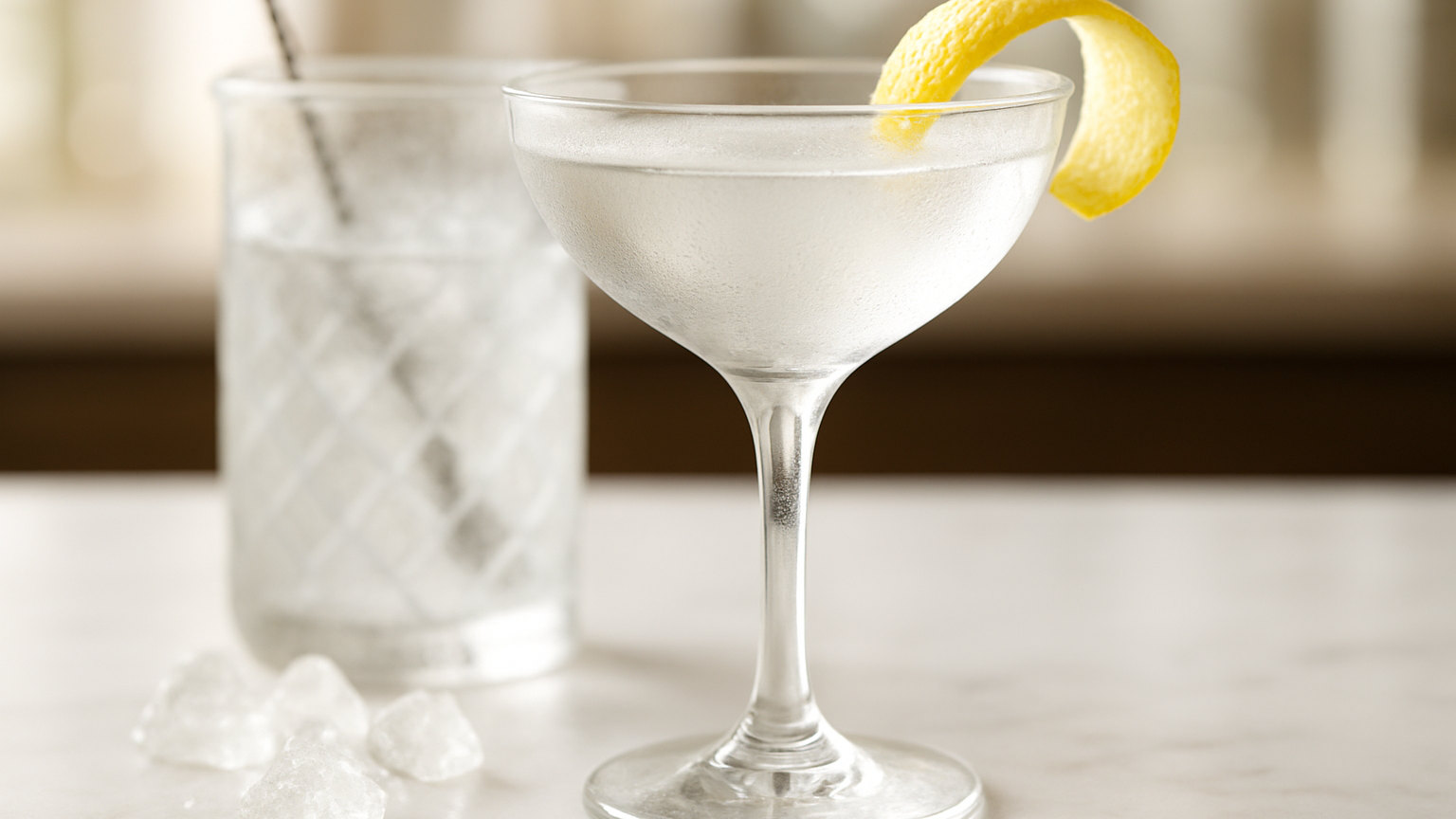
A vodka martini has nowhere to hide, so the qualities that matter are texture and temperature rather than flavour. Choosing on those terms produces a much better drink.
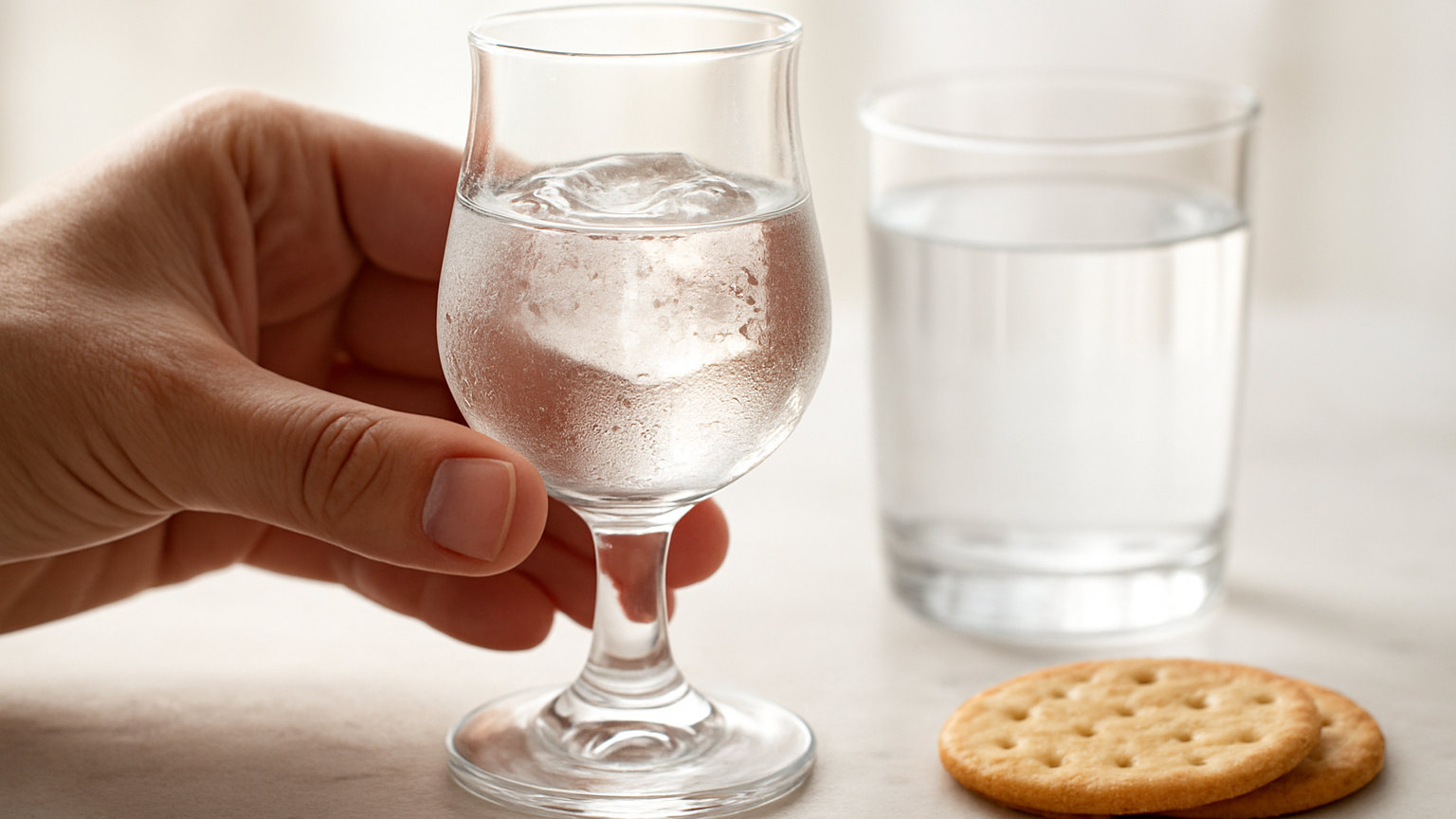
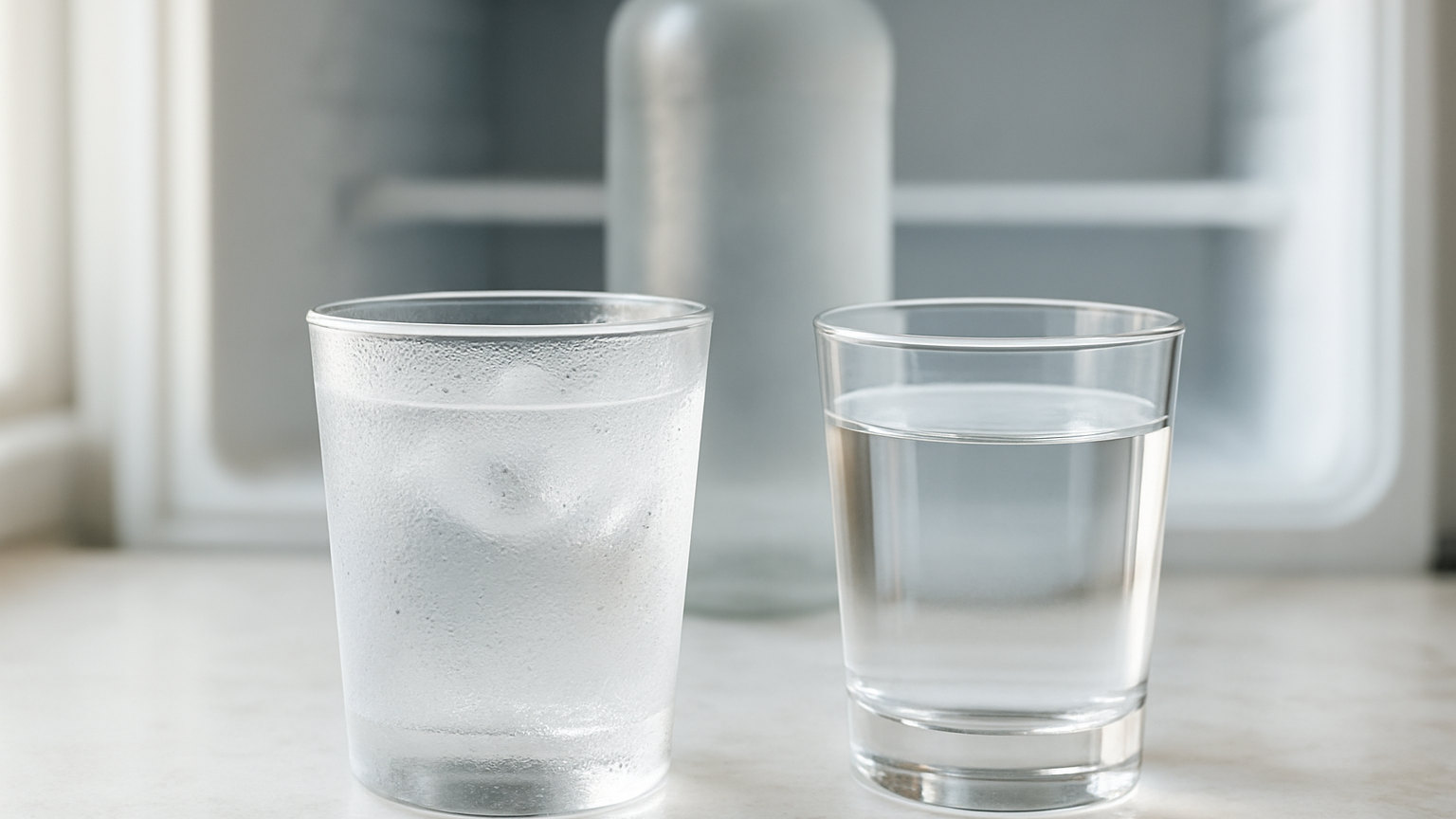
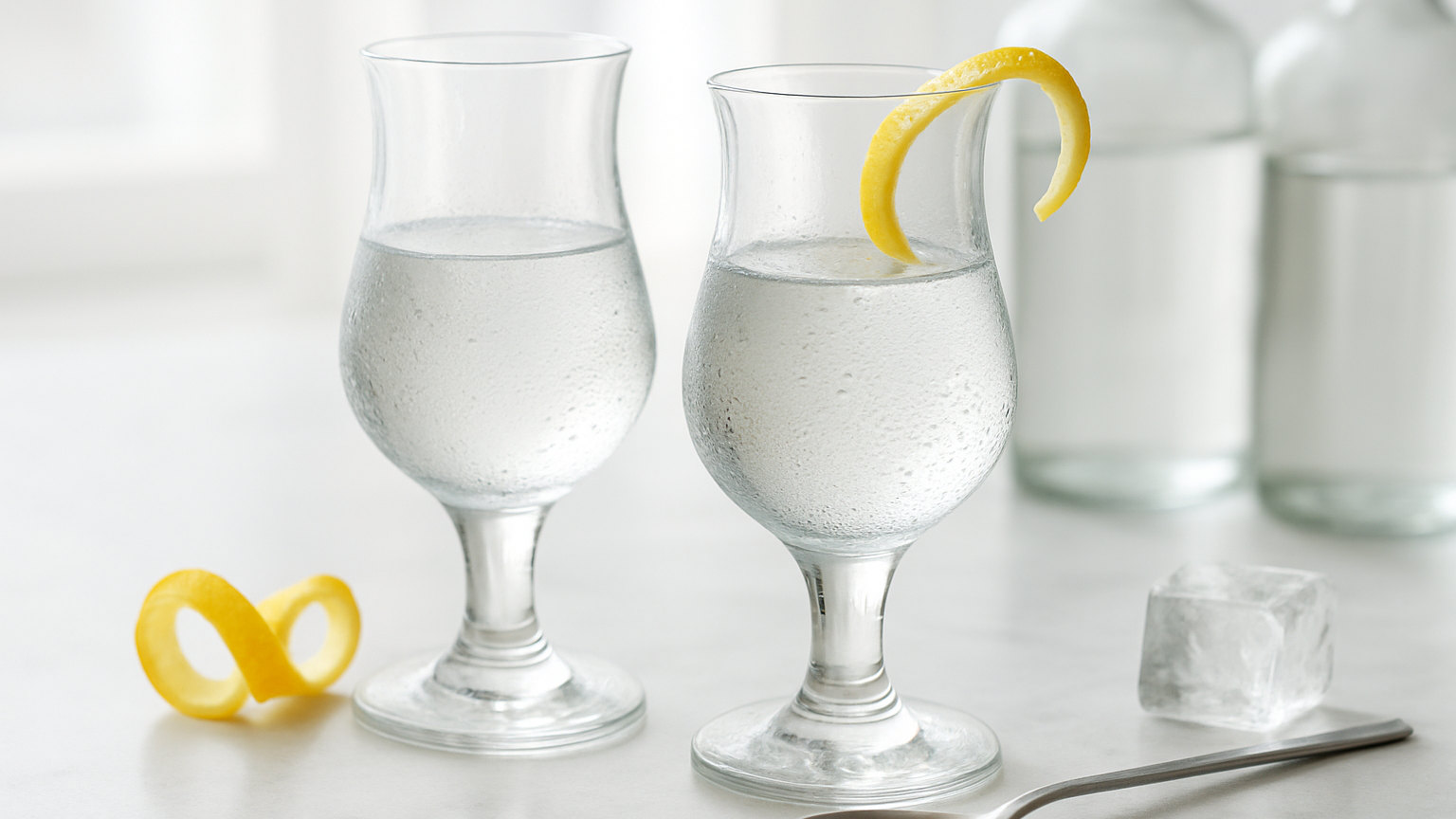
Freezing vodka is a genuine tradition rather than an affectation, and it does something specific to the liquid. It also hides things you might want to notice.
Distillation removes gluten proteins, which is why grain based vodka is generally accepted as gluten free. Flavoured vodka is where the question becomes less simple.
Vodka is the spirit where price and quality separate fastest. There is a floor worth clearing and a ceiling above which you are buying glass and advertising.
Distillation counts on vodka labels are the most quoted number in the category and the least meaningful. Here is what the figure describes and what it does not.
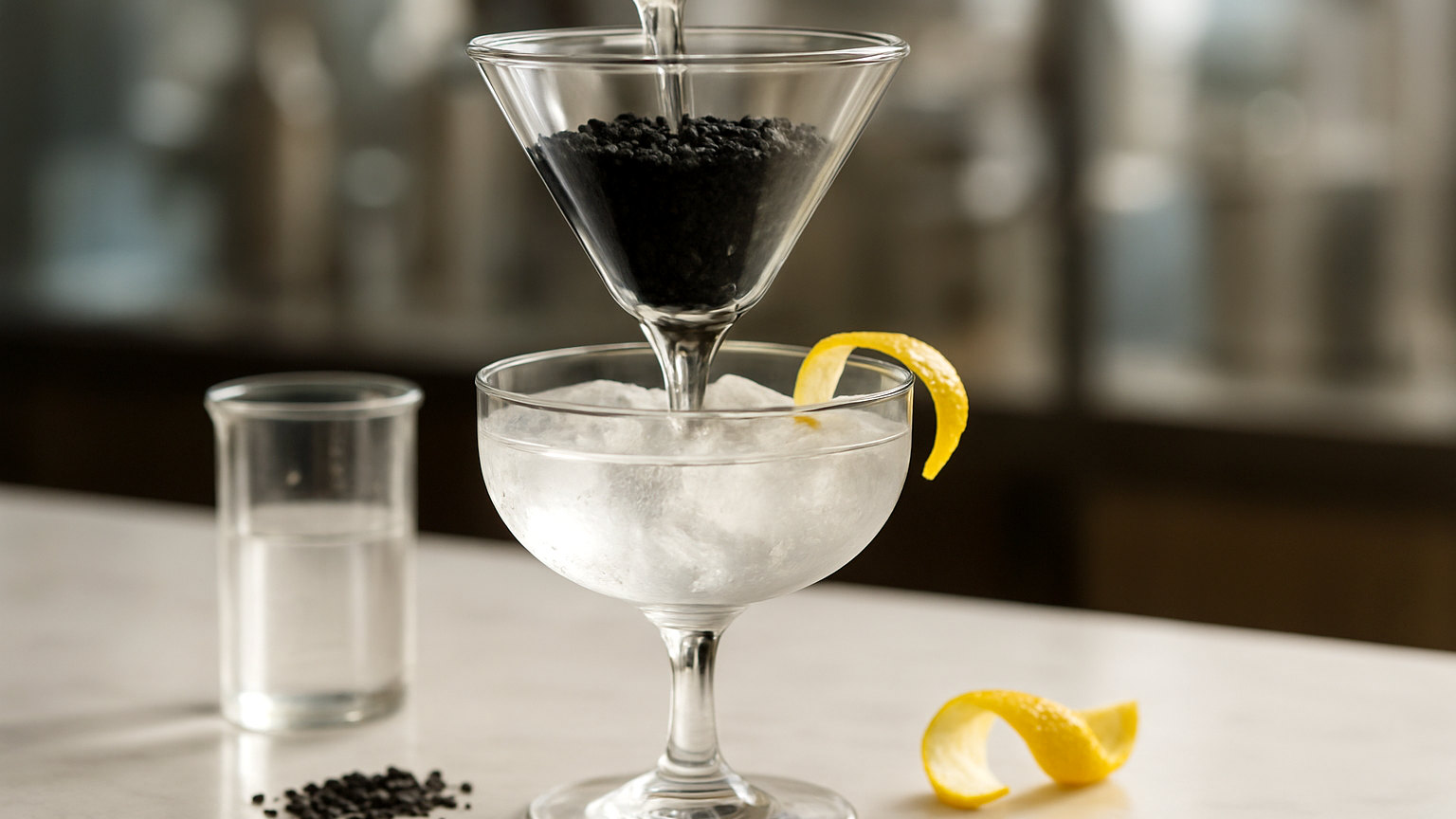
Charcoal filtering is the most advertised step in vodka production and one of the least understood. It removes real compounds, and past a point it removes nothing at all.