Why Do Some Gins Cost Three Times More?
The price of a bottle of gin is mostly tax, and the part that is not tax buys a small number of things. Knowing which ones tells you when to spend and when not to.
London dry, Old Tom, navy strength and the modern flavoured gins - botanicals, and what actually distinguishes them.
The price of a bottle of gin is mostly tax, and the part that is not tax buys a small number of things. Knowing which ones tells you when to spend and when not to.
Genever is the Dutch spirit gin descends from, and it tastes closer to a light whisky than to anything in the gin aisle. It is also protected by law.
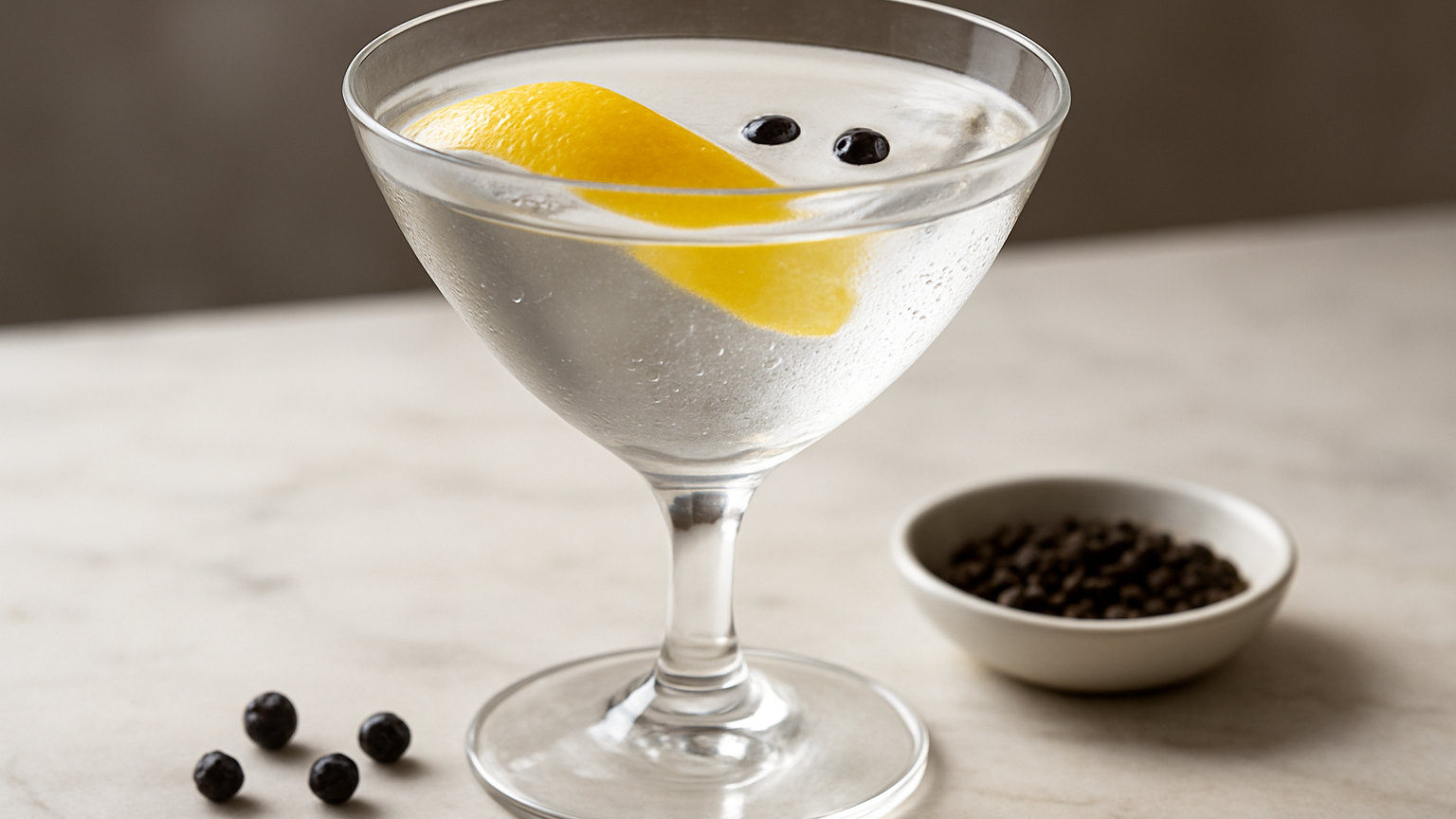
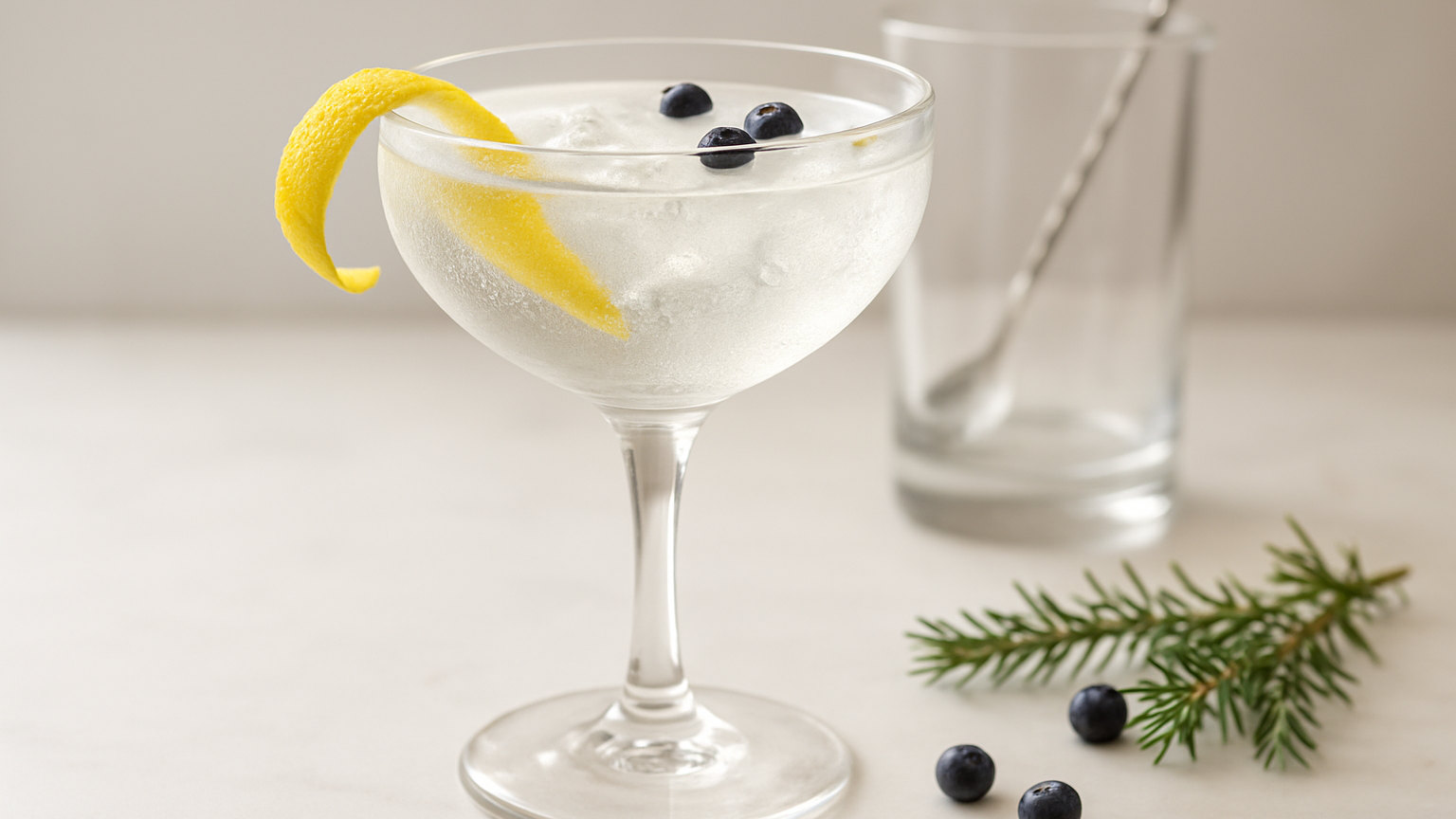
A martini is gin, vermouth and dilution, so the gin has nowhere to hide. Which style you choose changes the drink more than the ratio does.
Gin does not spoil, but the botanicals fade faster than most people expect, and a half empty bottle left for two years will not taste the way it did.
Gin and vodka often start as exactly the same liquid. What happens after that point is the entire difference, and it changes which drinks each one belongs in.
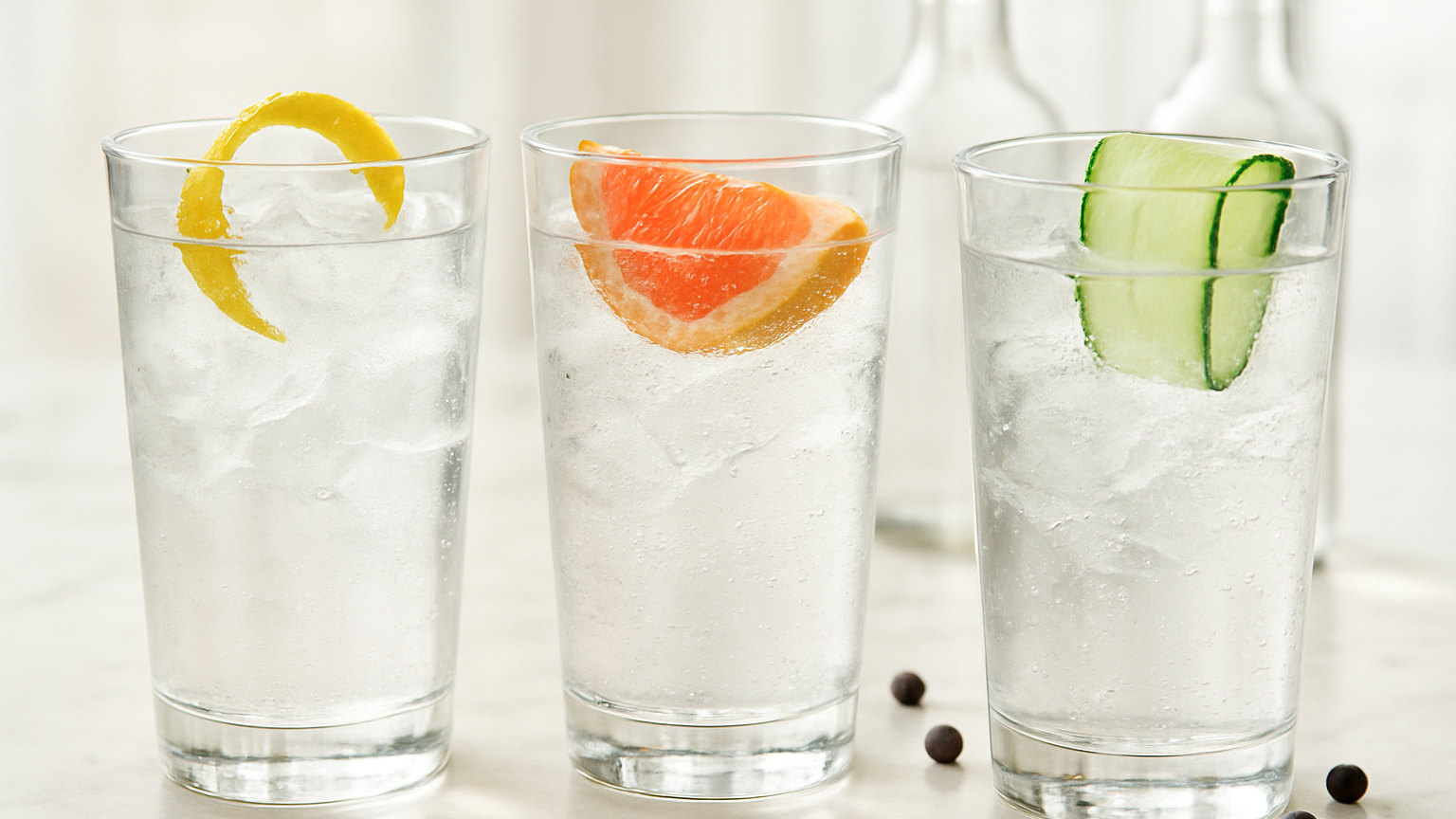
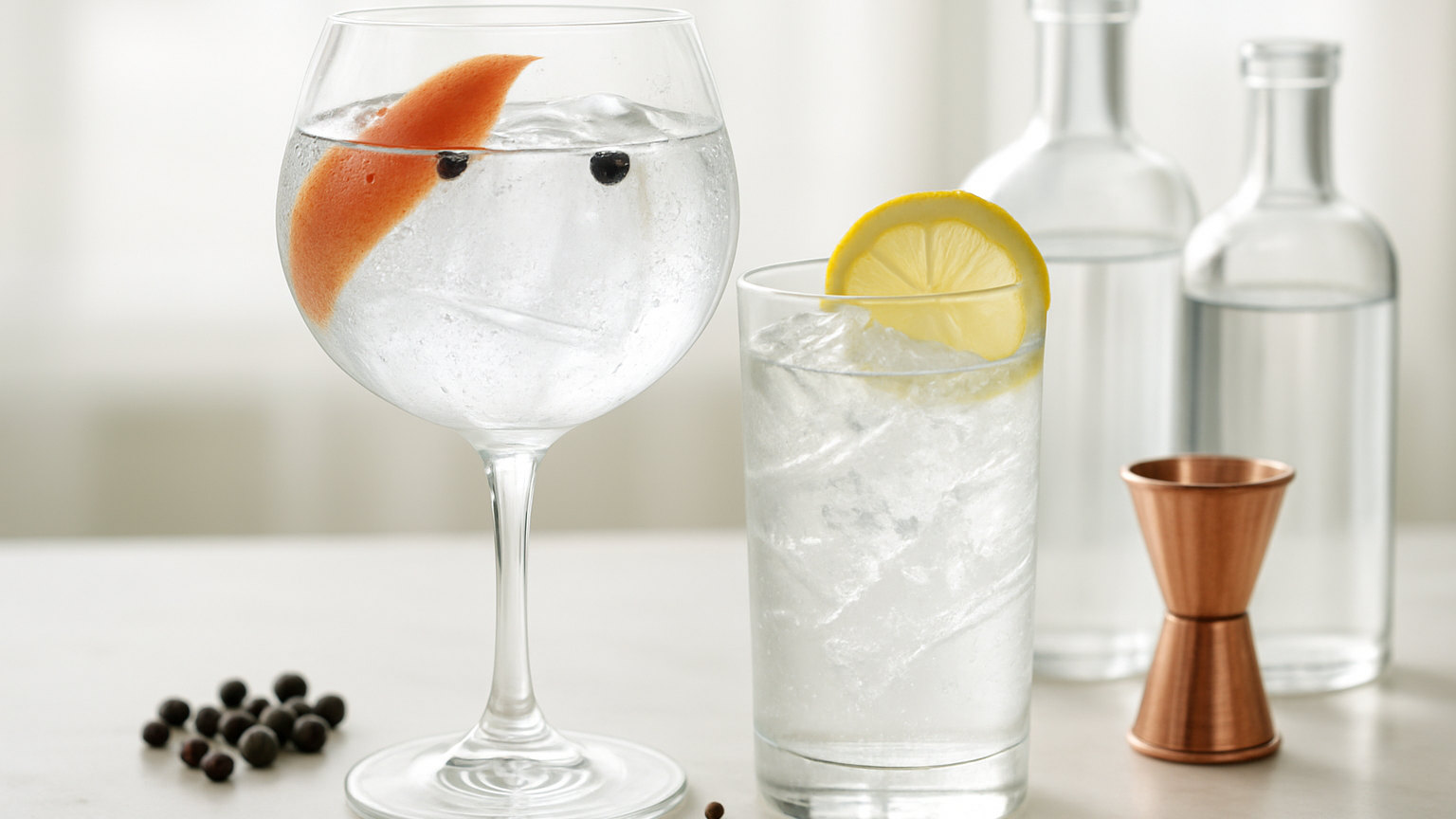
In a gin and tonic the tonic is usually three quarters of the glass, so it decides more of the flavour than the gin does. Most of the common mistakes happen here.
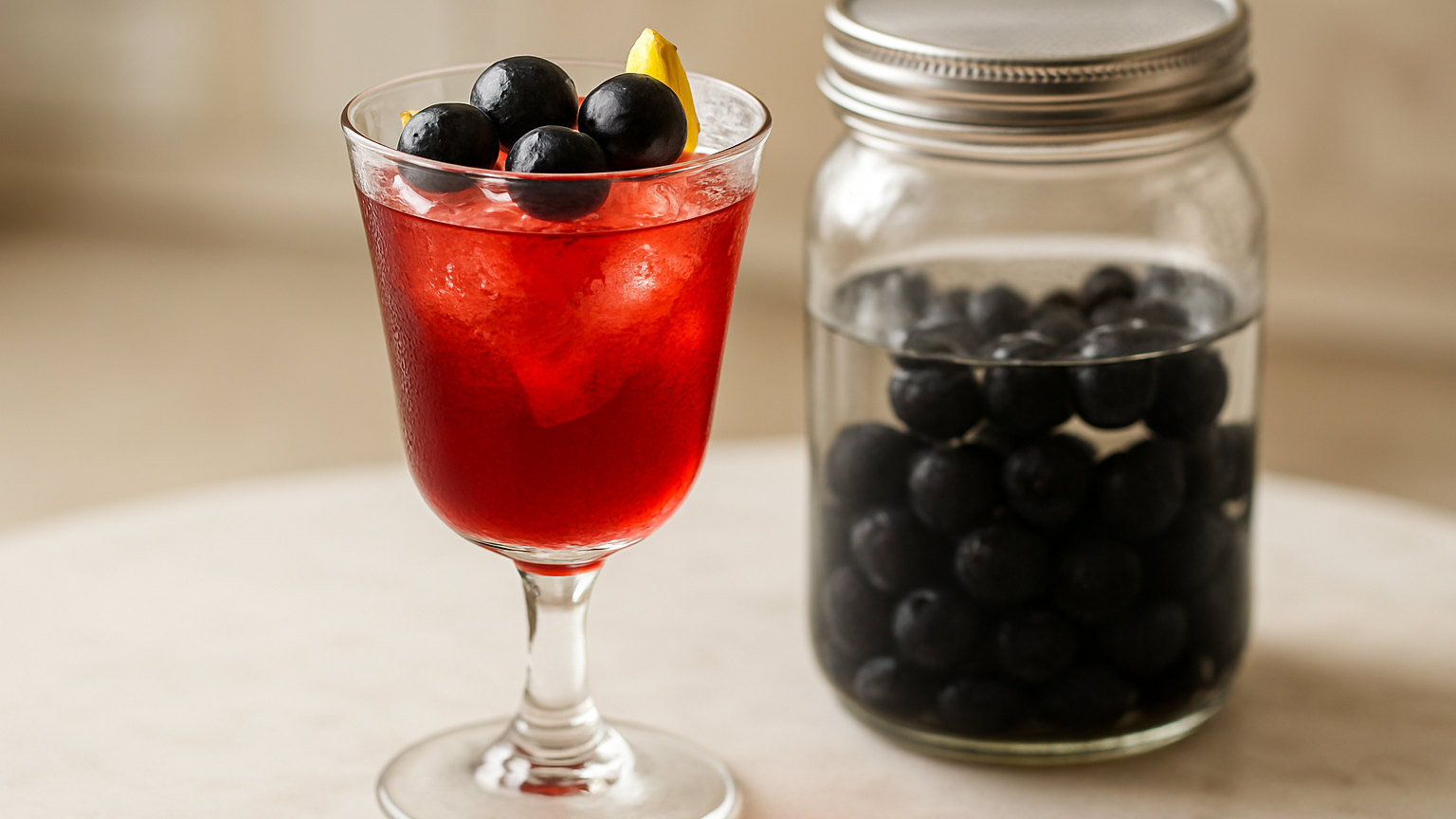
Sloe gin is an infusion rather than a distillation, it is legally a liqueur, and it is one of the few spirits genuinely worth making yourself at home.
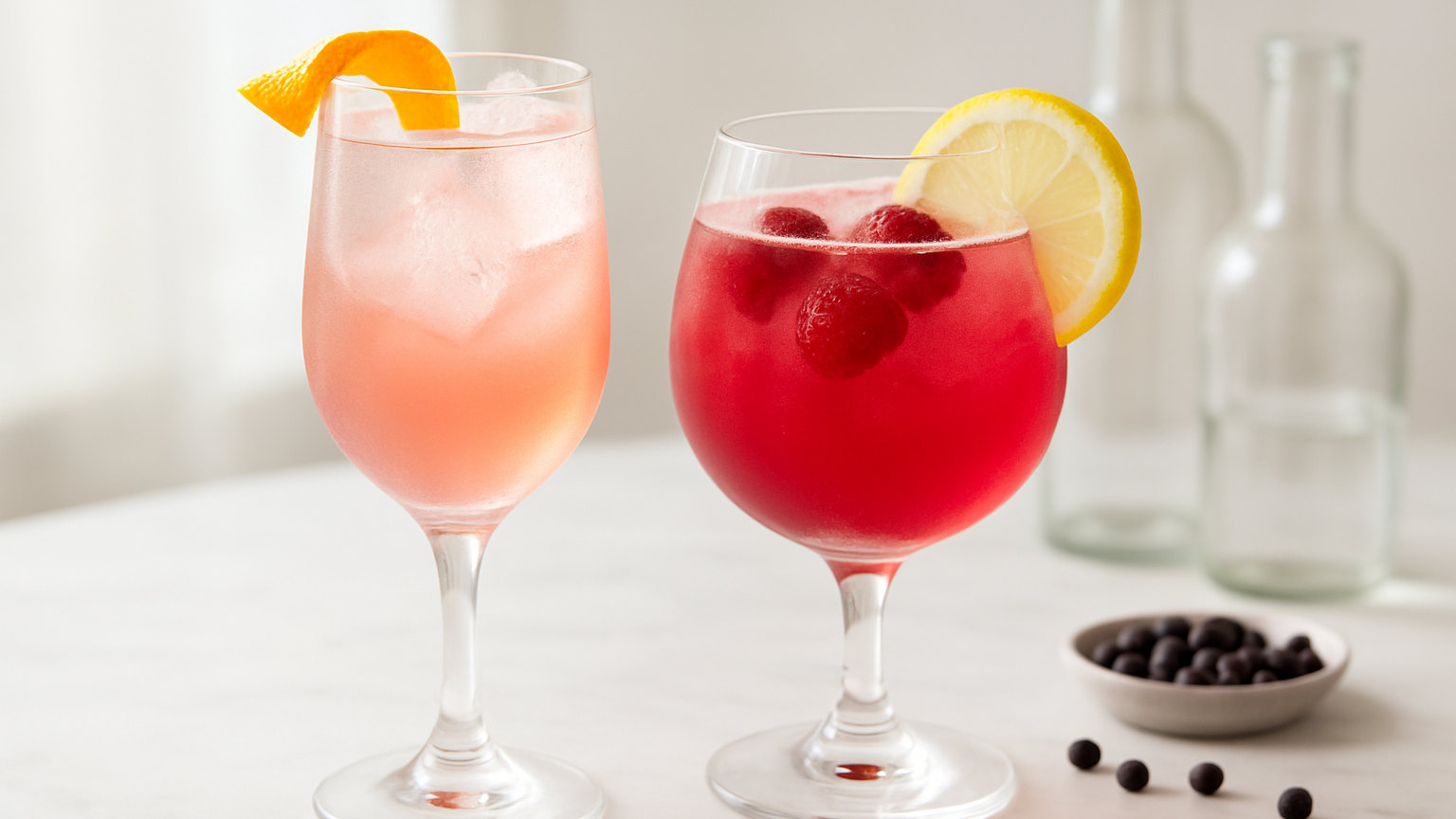
Pink gin means two completely different things, and the modern one is often not legally gin. Here is how to tell what you are buying from the label.
Plymouth gin used to be a protected geographical category with several producers. Today it means one distillery, and the style description survives without the legal weight.
Navy strength gin is bottled at 57 per cent, and the number comes from gunpowder rather than marketing. It also behaves differently in a drink.
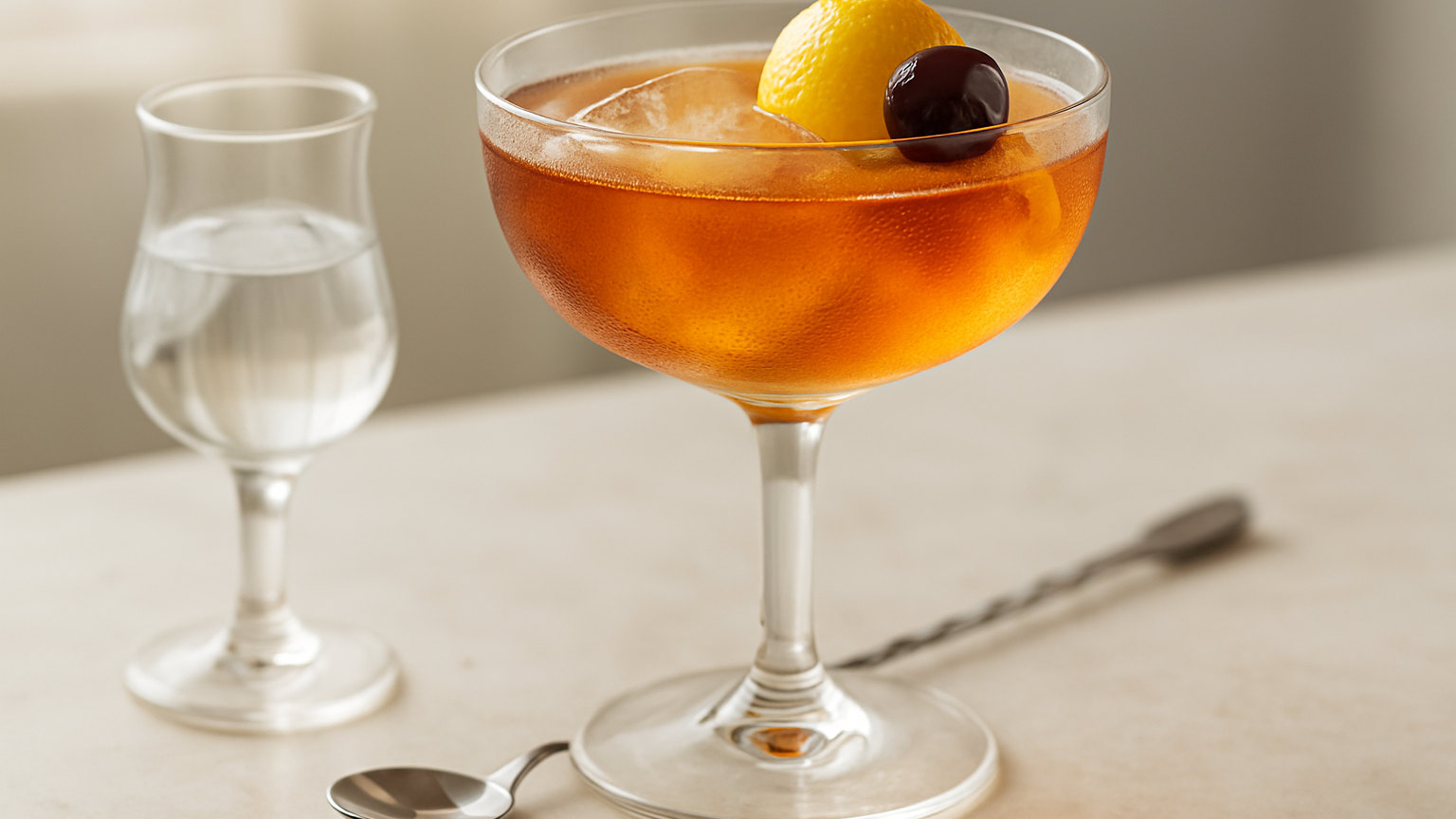
Old Tom sits between sweet Dutch genever and dry London gin. It nearly disappeared, and it came back because a number of classic cocktails do not work properly without it.
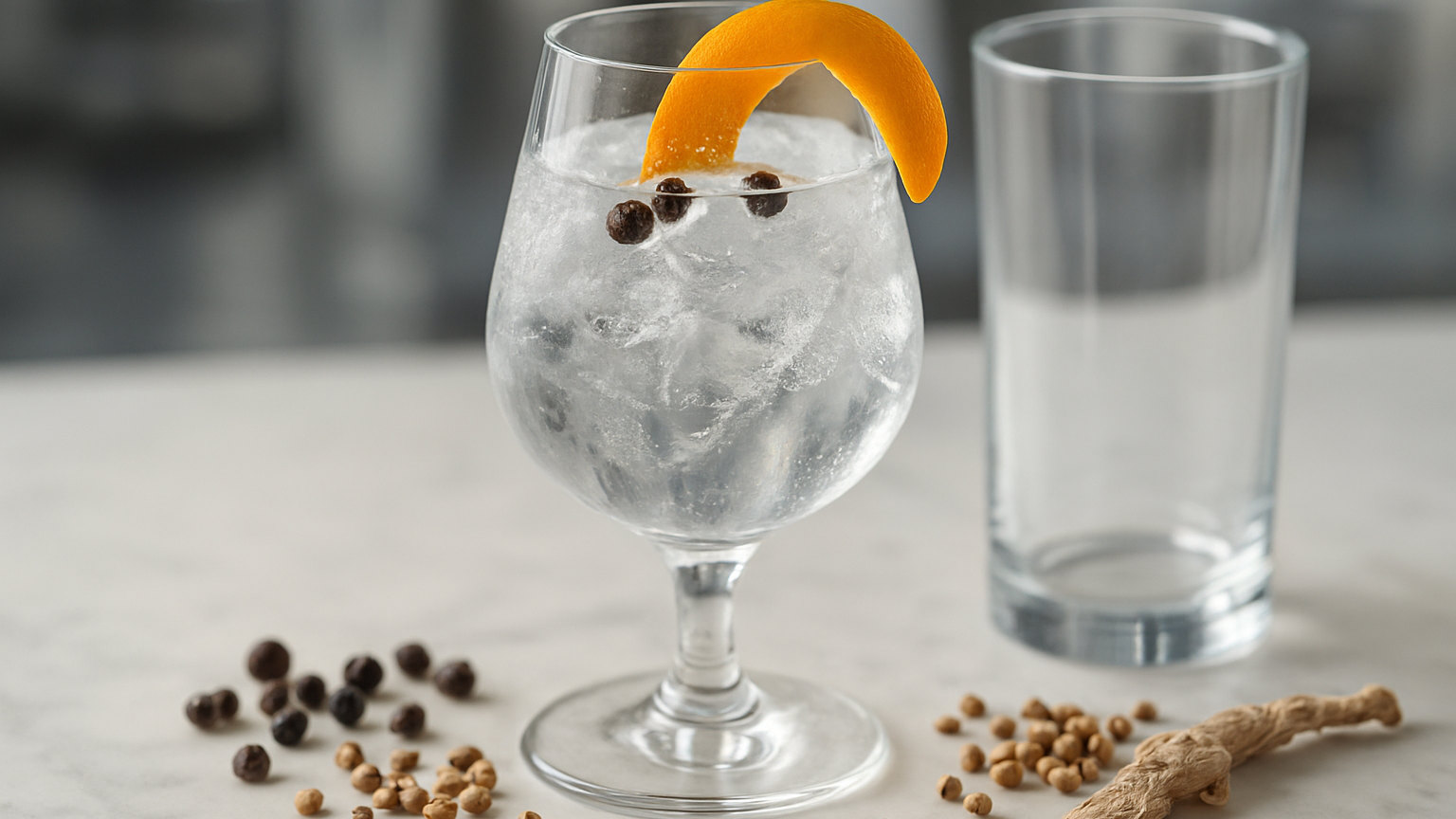
Juniper is the one thing every gin must contain, and it must lead. That legal requirement is why some heavily flavoured bottles are not sold as gin at all.