Do Scotland's Whisky Regions Still Mean Anything?
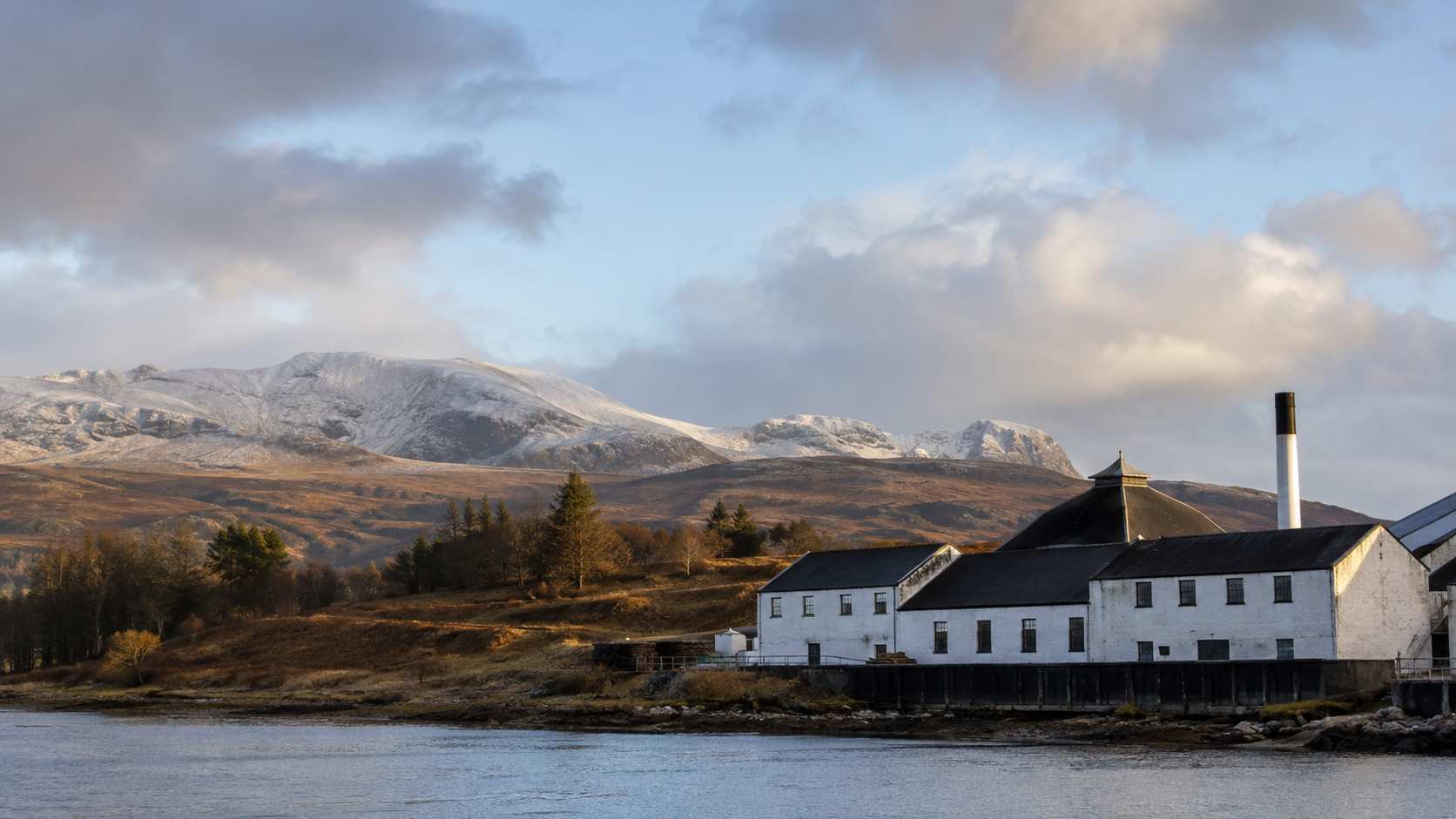
The five regions are legally recognised and widely used to describe flavour, but the flavour part has been out of date for a while. Here is what they still tell you.
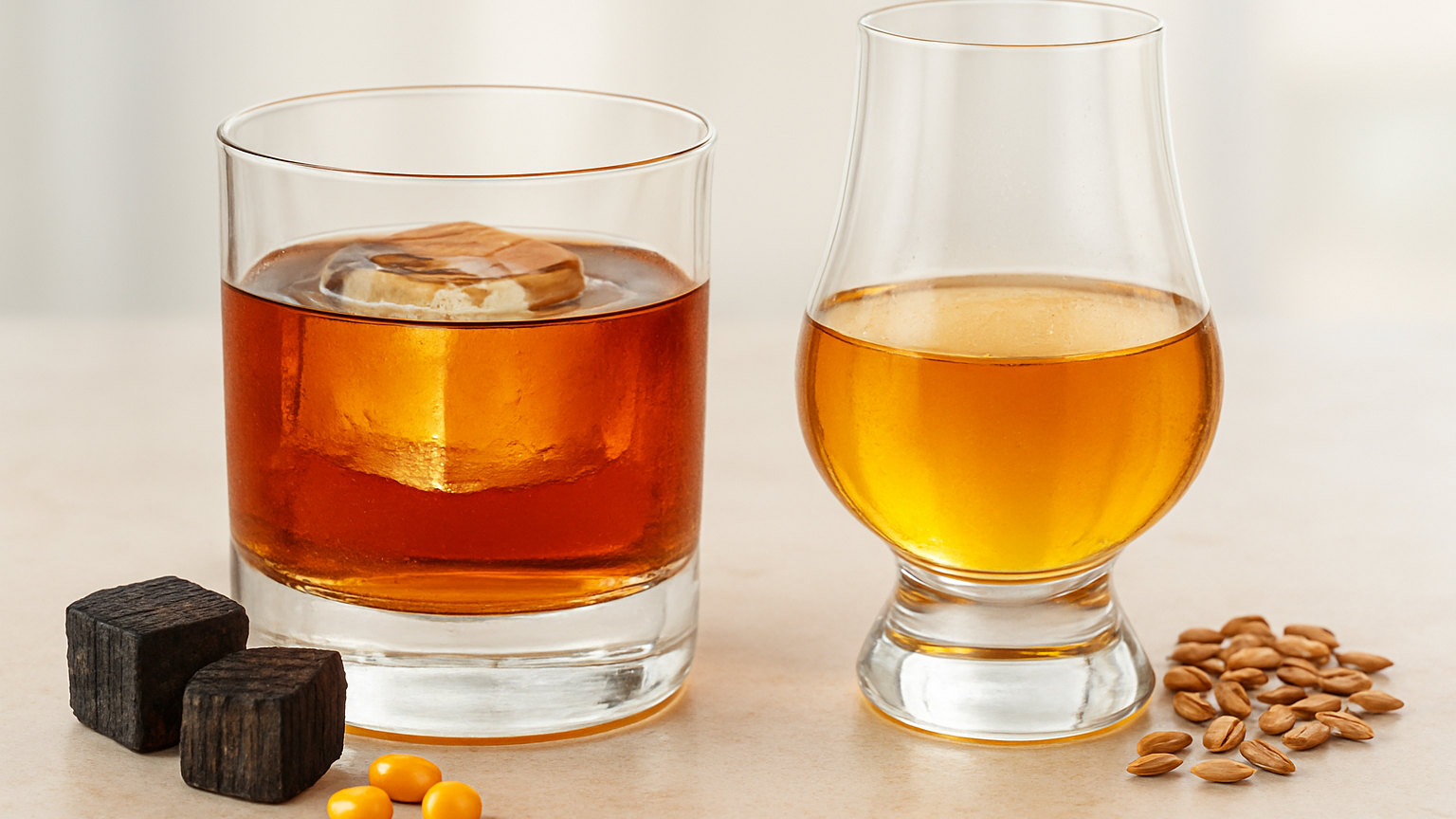
Scotch, bourbon, rye, Irish and Japanese - what the categories mean, age statements, and where the flavour comes from.
The five regions are legally recognised and widely used to describe flavour, but the flavour part has been out of date for a while. Here is what they still tell you.
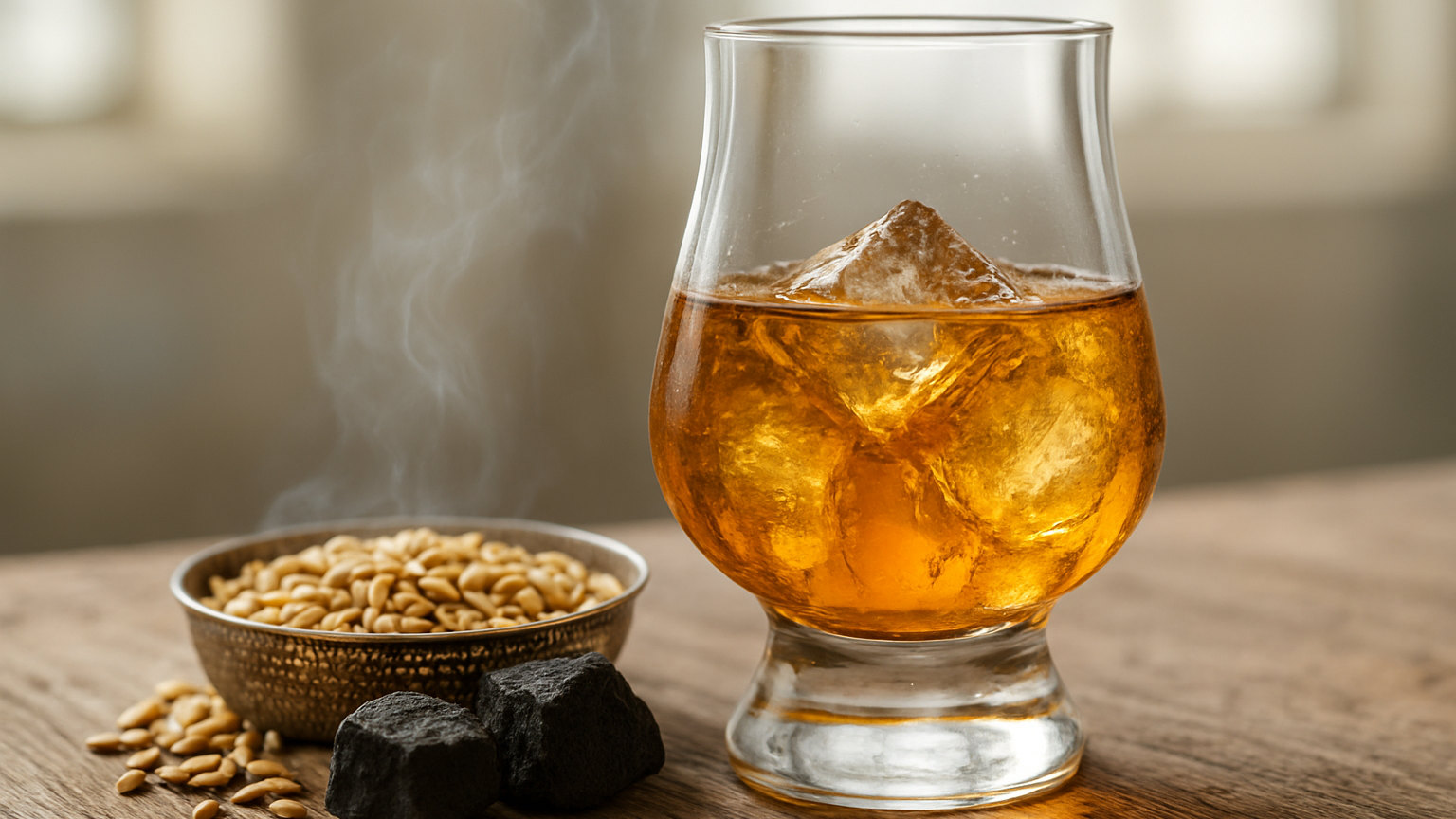
Peat smoke is added to whisky at one specific moment, months before distillation, and never enters the spirit again. Knowing when explains most of what you taste.
The first bottle matters because a bad first experience puts people off for years. Here is how to choose a starting point based on flavours you already know you like.
Whisky does not go off in the way wine does, but an open bottle changes over months and years. How much air is in the bottle matters more than how long it has been open.
Cask strength means the whisky went into the bottle at roughly the strength it left the barrel. It costs more per bottle and often less per serving.
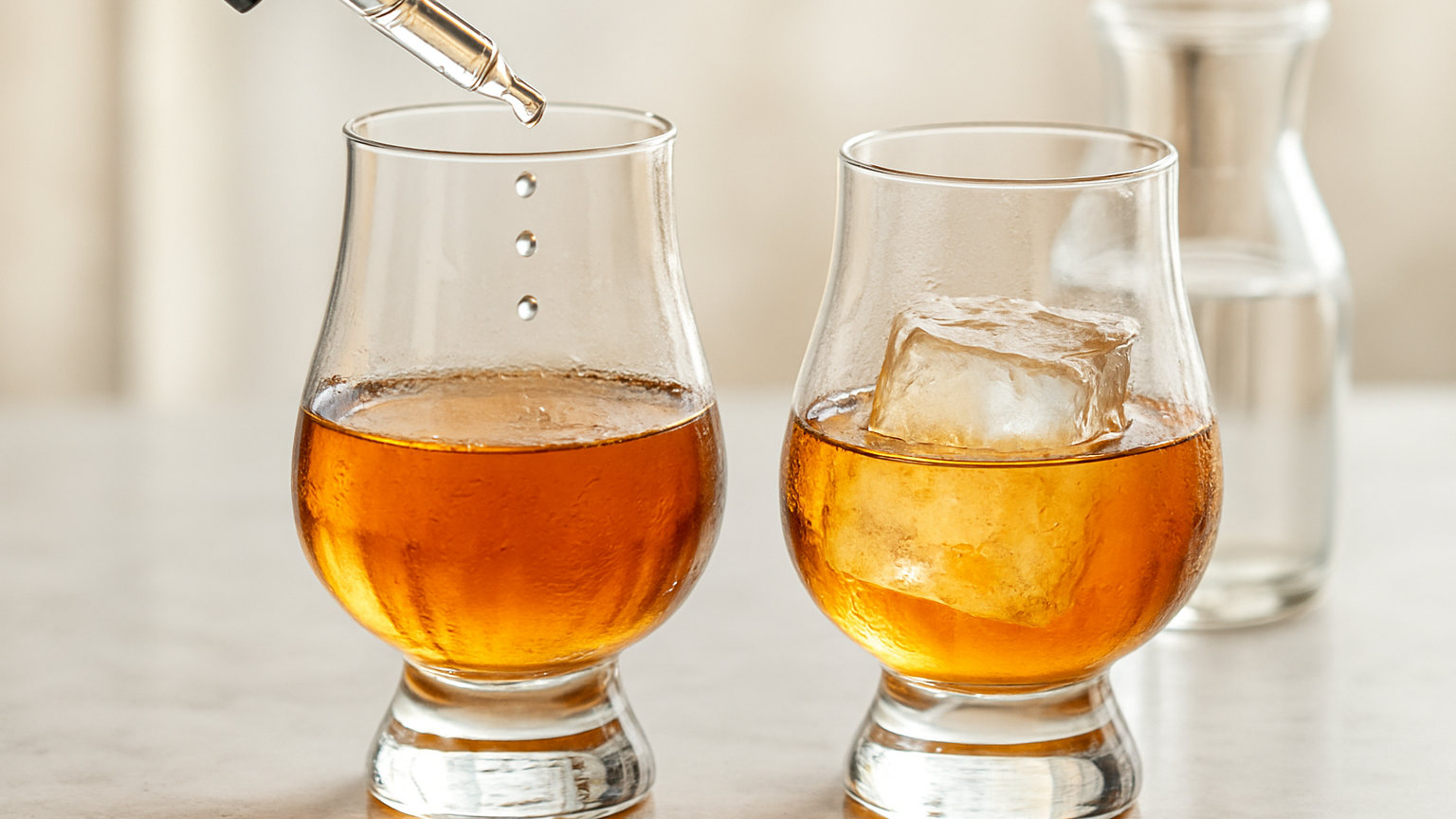
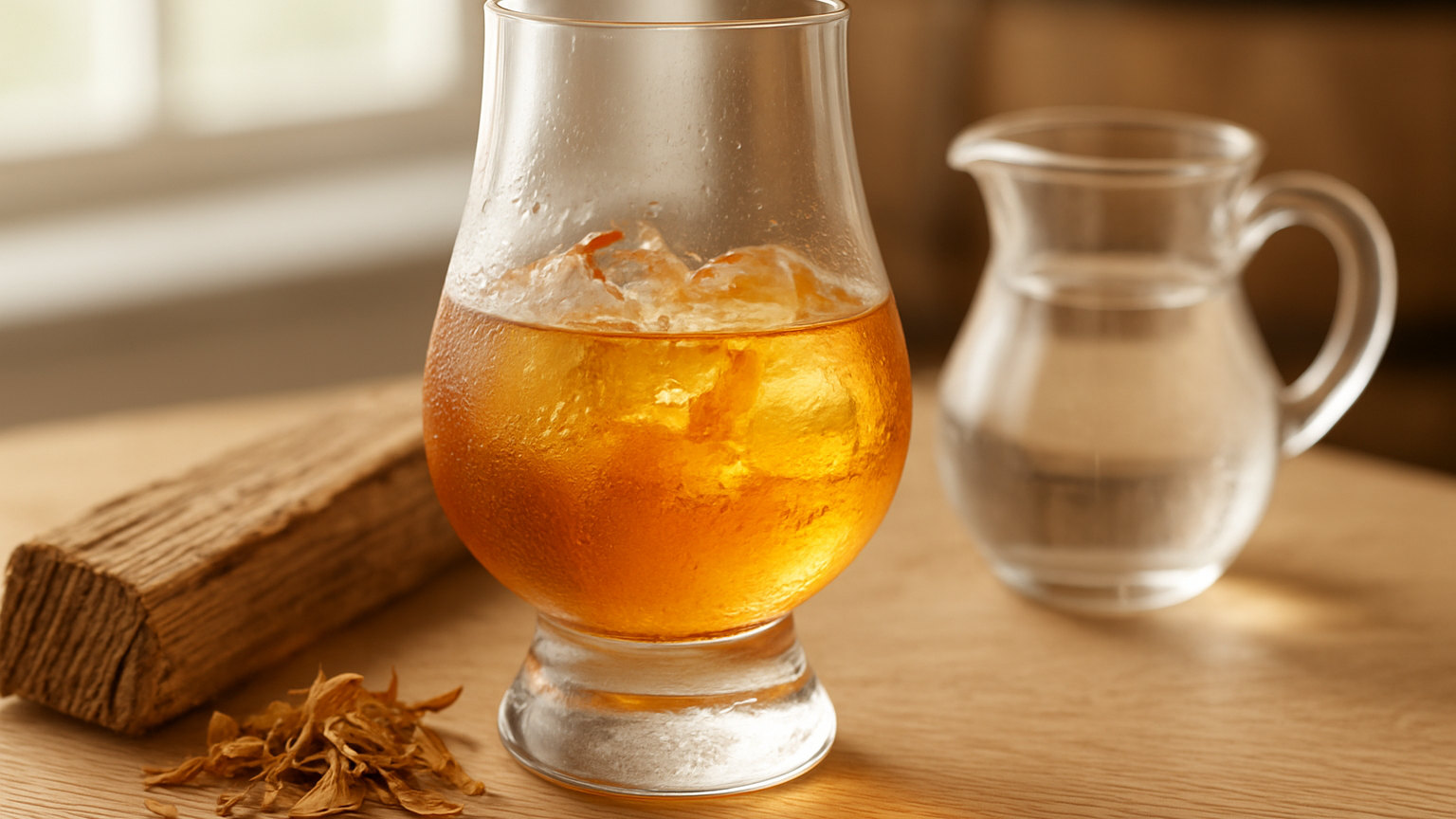
Adding water to whisky is not a compromise and is not an insult to the distiller. It changes the chemistry in the glass in a way that usually reveals more than it hides.
Japanese whisky earned its reputation honestly and then got expensive, and for years the labelling rules did not keep up. Here is how to tell the real thing from the rest.
Triple distillation is the best known feature of Irish whiskey and the most frequently misunderstood. It affects texture and weight rather than smoothness in any simple sense.
Rye is the grain that gives whiskey its pepper and bite. It disappeared for decades, came back for the cocktails, and behaves differently from bourbon in almost every drink.
Bourbon has a legal definition that is unusually strict, and every clause in it pushes the flavour in the same direction. Here is what the rules require and what they taste like.
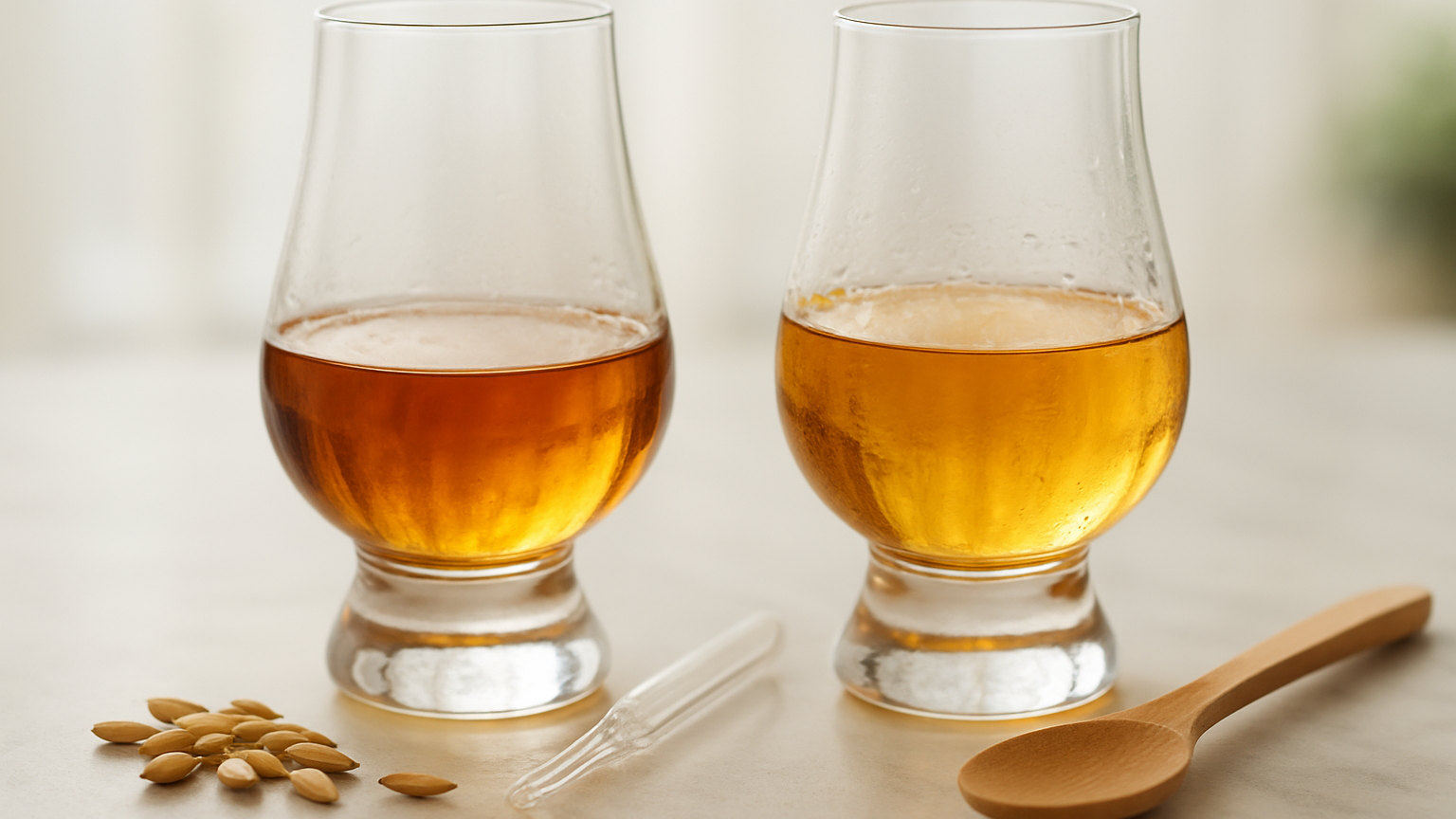
New make spirit is clear and sharp. Most of the colour, sweetness and depth in a finished whisky was contributed by wood, and the type of cask tells you more than the age does.
Single malt is not a quality grade and blended is not an insult. The words describe how a whisky was assembled, and each approach has something the other cannot do.