Is Rosé Just Red and White Wine Mixed?
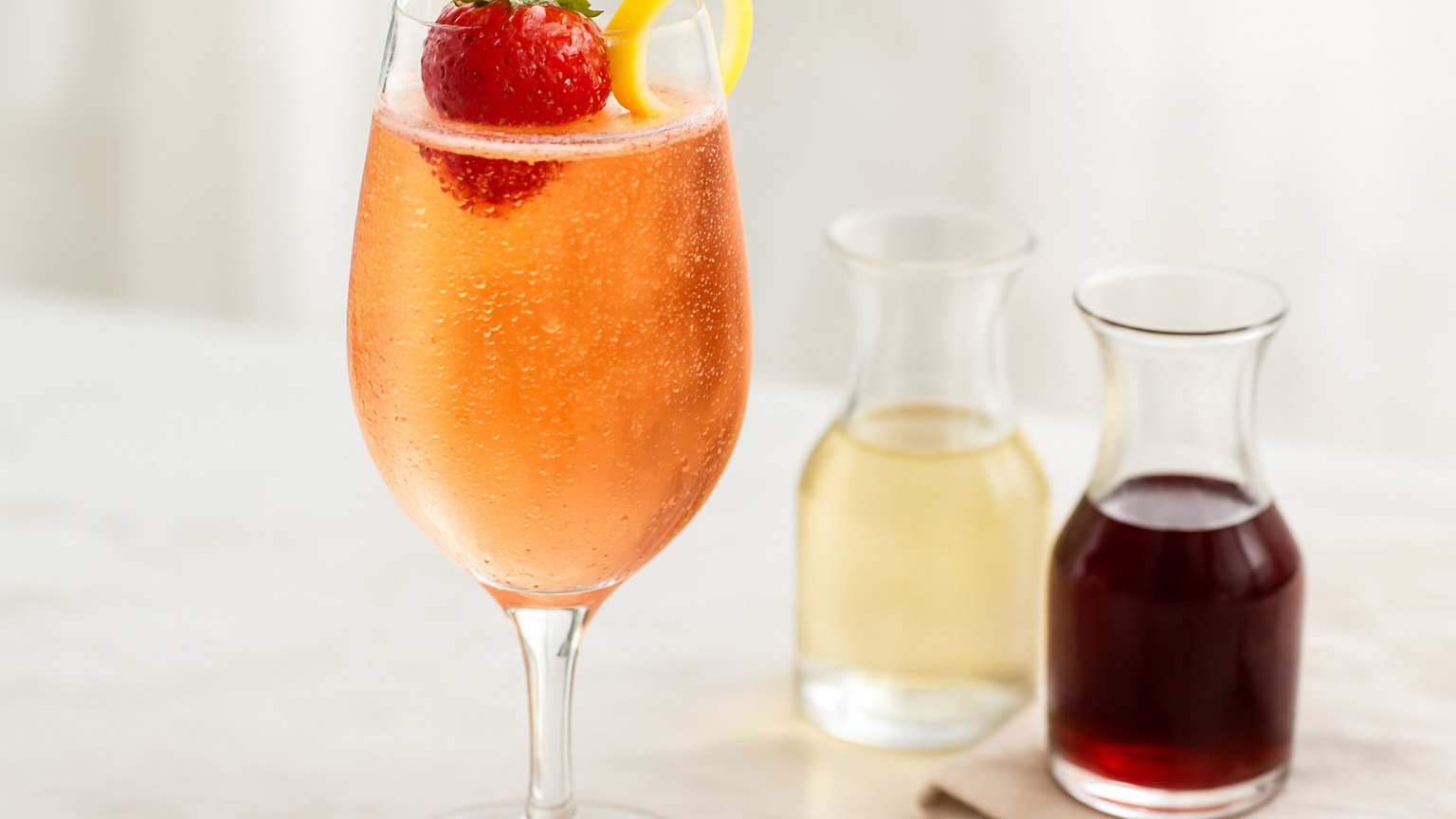
It is the most common assumption about rosé and it is wrong, to the point where the practice is illegal for still wine in Europe. The confusion is understandable and worth clearing up.
How rosé is actually made, why colour tells you less than you think, and the styles worth trying.
It is the most common assumption about rosé and it is wrong, to the point where the practice is illegal for still wine in Europe. The confusion is understandable and worth clearing up.
One appellation in the southern Rhône makes nothing but rosé, and it makes it deep, powerful and structured. Tavel is the argument against everything the pale fashion assumes.
Rosé has been through a decade of premiumisation, and prices at the top now match serious red wine. What that money buys is a genuine question rather than a rhetorical one.
Rosé is the wine most often served too cold, partly because it is associated with hot weather and partly because chilling hides a great deal. The better bottles suffer most.
Rosé champagne is the one wine in Europe where blending red into white is not only permitted but standard. It is also the style where the premium over the standard bottling is hardest to justify.
The best selling pink wine in American history began as an accident in a fermentation tank, and it inadvertently saved a great deal of old vine zinfandel from being pulled up.
Provence set the fashion, but Spain, Italy, the Loire and the United States all developed their own pink wine traditions, and several of them are more interesting than the one that won.
Rosé has the fruit of a red and the acidity of a white without the tannin that causes most pairing failures. That combination makes it the most useful wine on a mixed table.
Almost all rosé should be drunk within a year, and the vintage on the bottle matters more here than in any other category. A small number of wines are genuine exceptions.
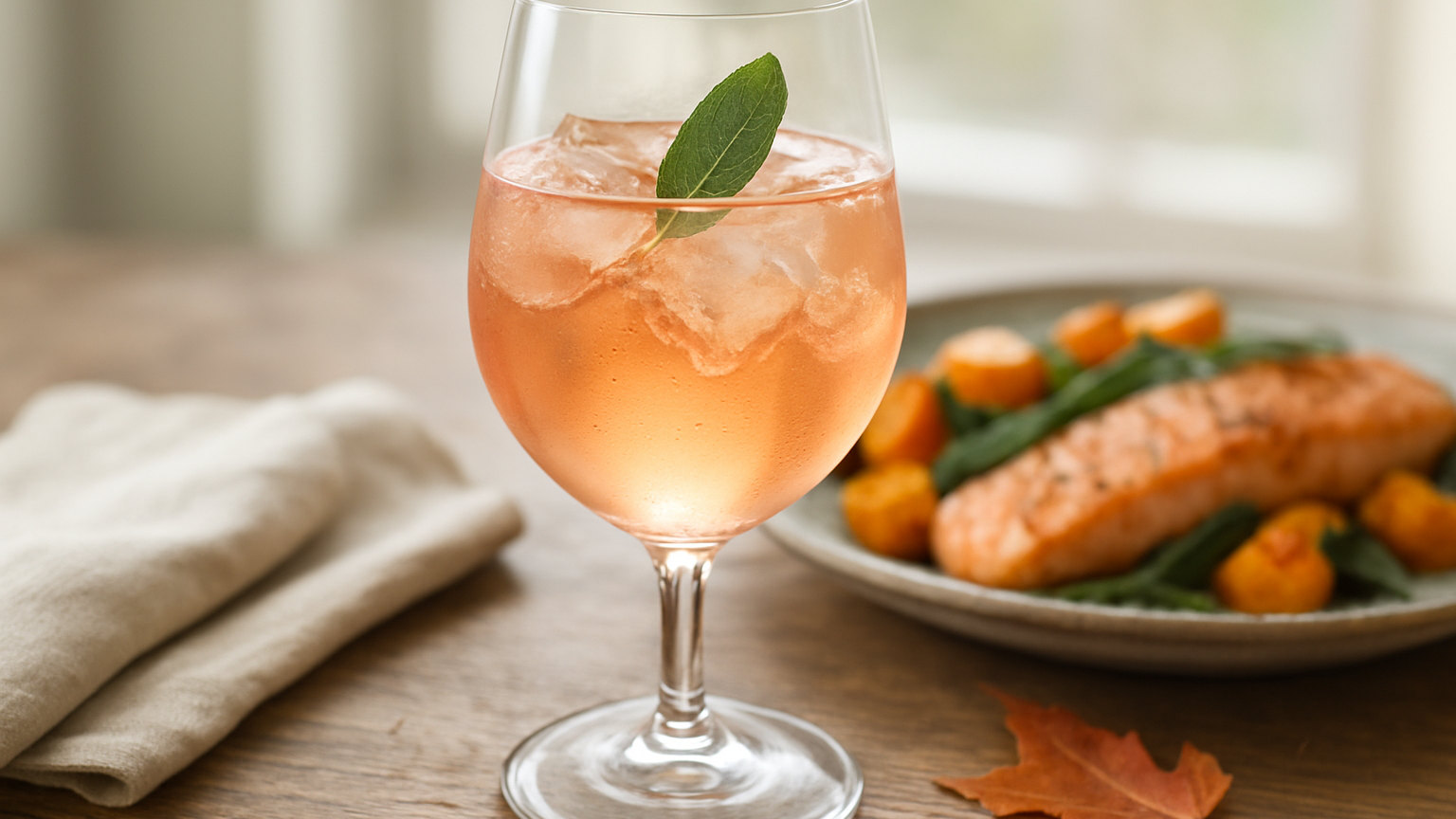
Rosé sales collapse in October and recover in May, which tells you about habit rather than about the wine. Several styles are better suited to autumn cooking than to a hot afternoon.
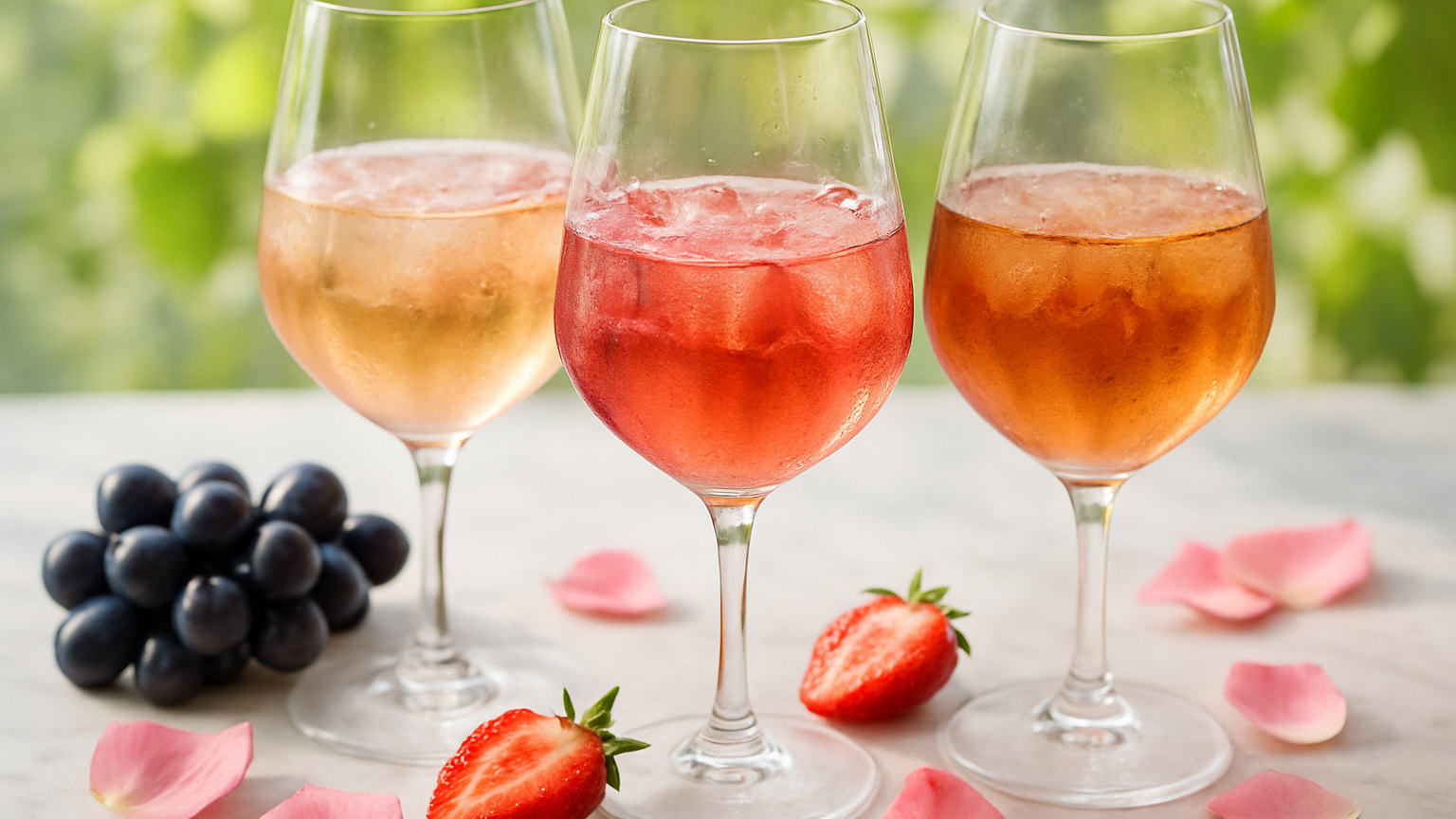
Almost any black grape can be made into rosé, but a handful do it consistently well. The qualities that matter are not the same ones that make a great red.
Provence turned rosé from a summer afterthought into a premium category, and the pale colour was central to the strategy. The wine behind the marketing is genuinely distinctive.