How Do You Practise Making Drinks?
Making a different cocktail every evening teaches very little. Making the same one repeatedly, changing one variable at a time, teaches a great deal.
By Simply Alcohol Team
2 Aug 2026

Which drinks get which, what each does to texture and dilution, and how long is long enough.
Making a different cocktail every evening teaches very little. Making the same one repeatedly, changing one variable at a time, teaches a great deal.
The honest answer is that a few specific things dominate, and they are not evenly distributed between the two categories.
Every common fault has a specific cause and a specific fix, and the most frequent misdiagnosis is adding sugar to a drink that actually needed more water.
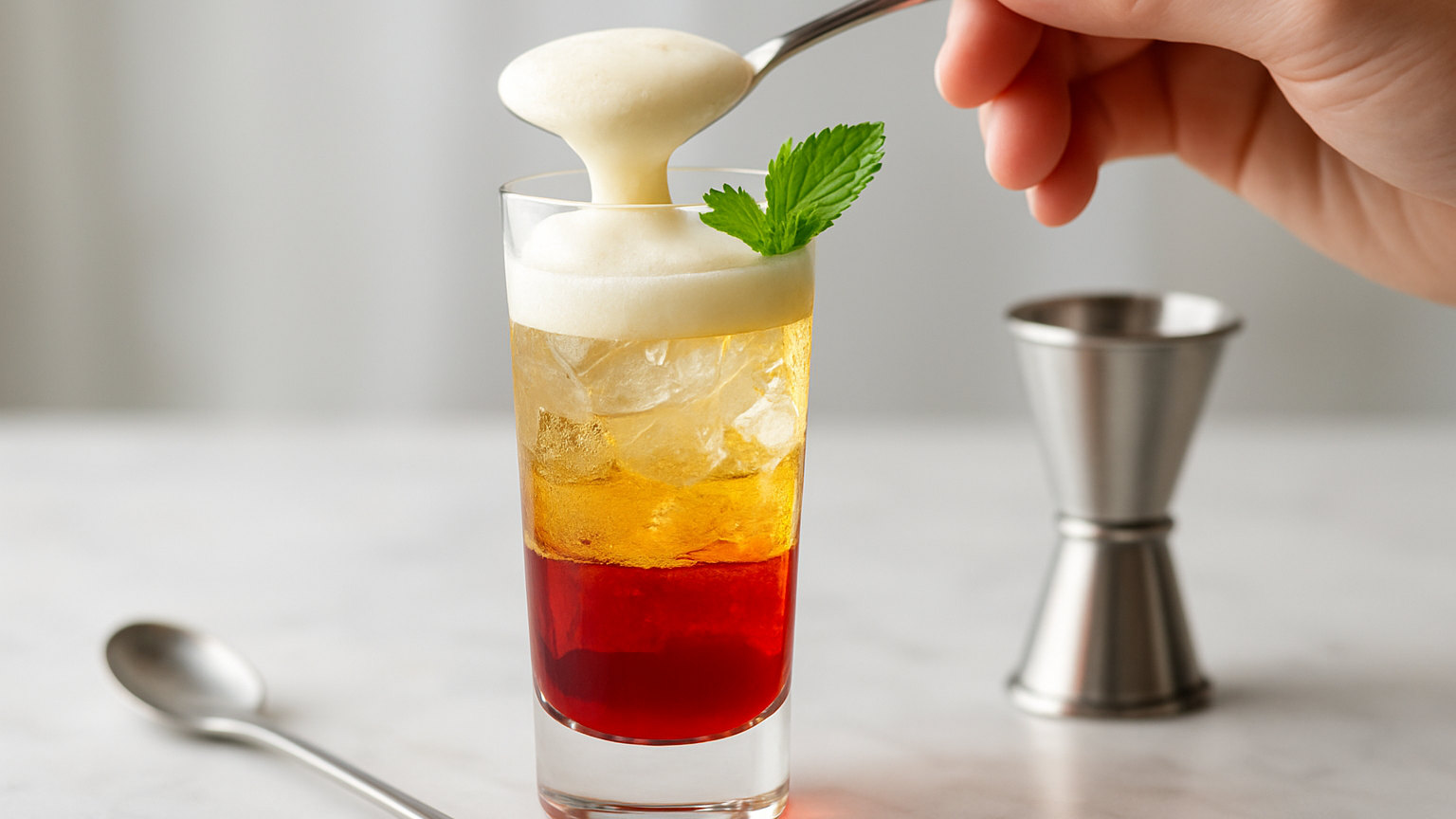
Layering depends entirely on density, and sugar content is what determines it. The technique is a bar spoon and a slow hand.
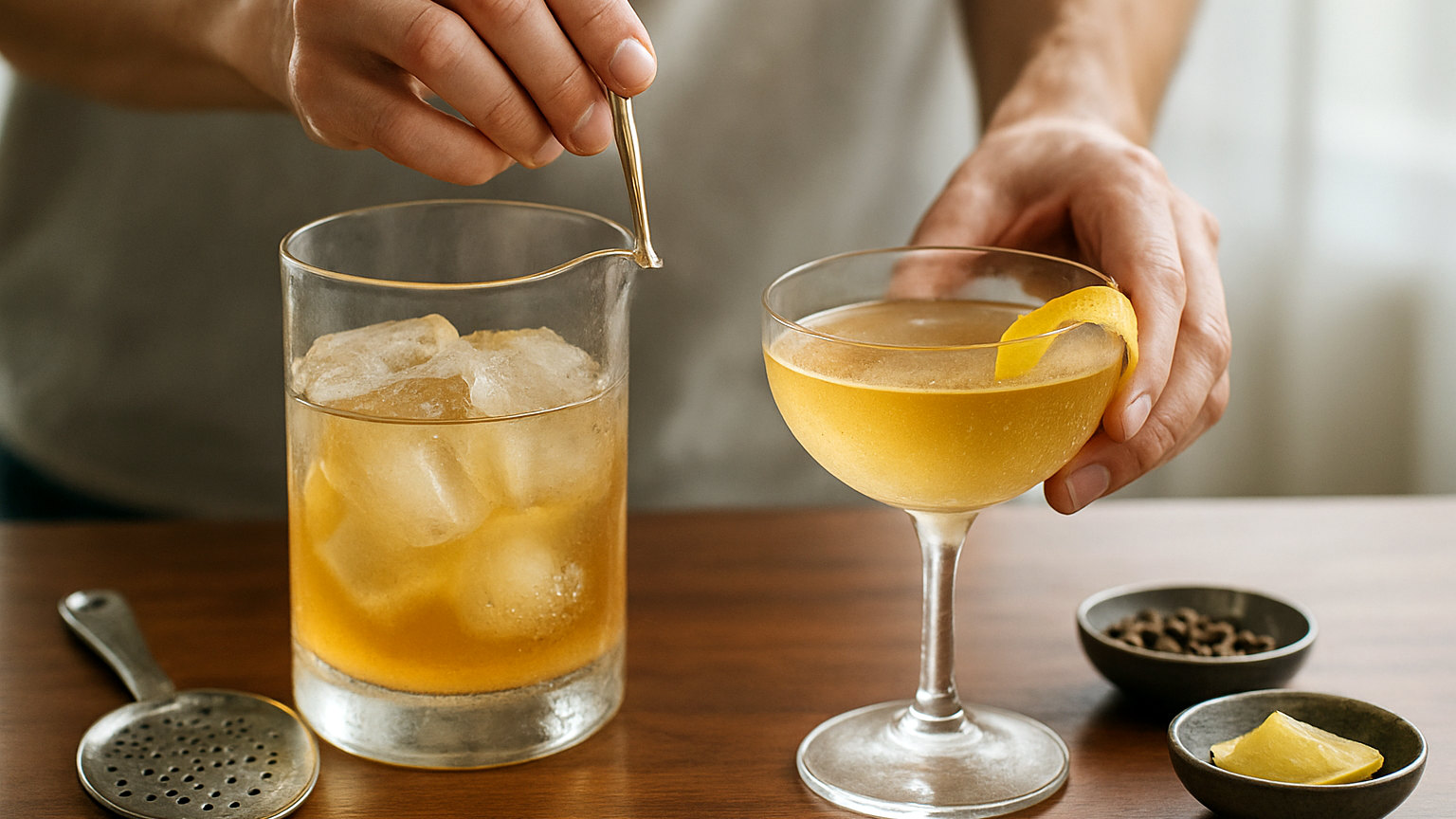
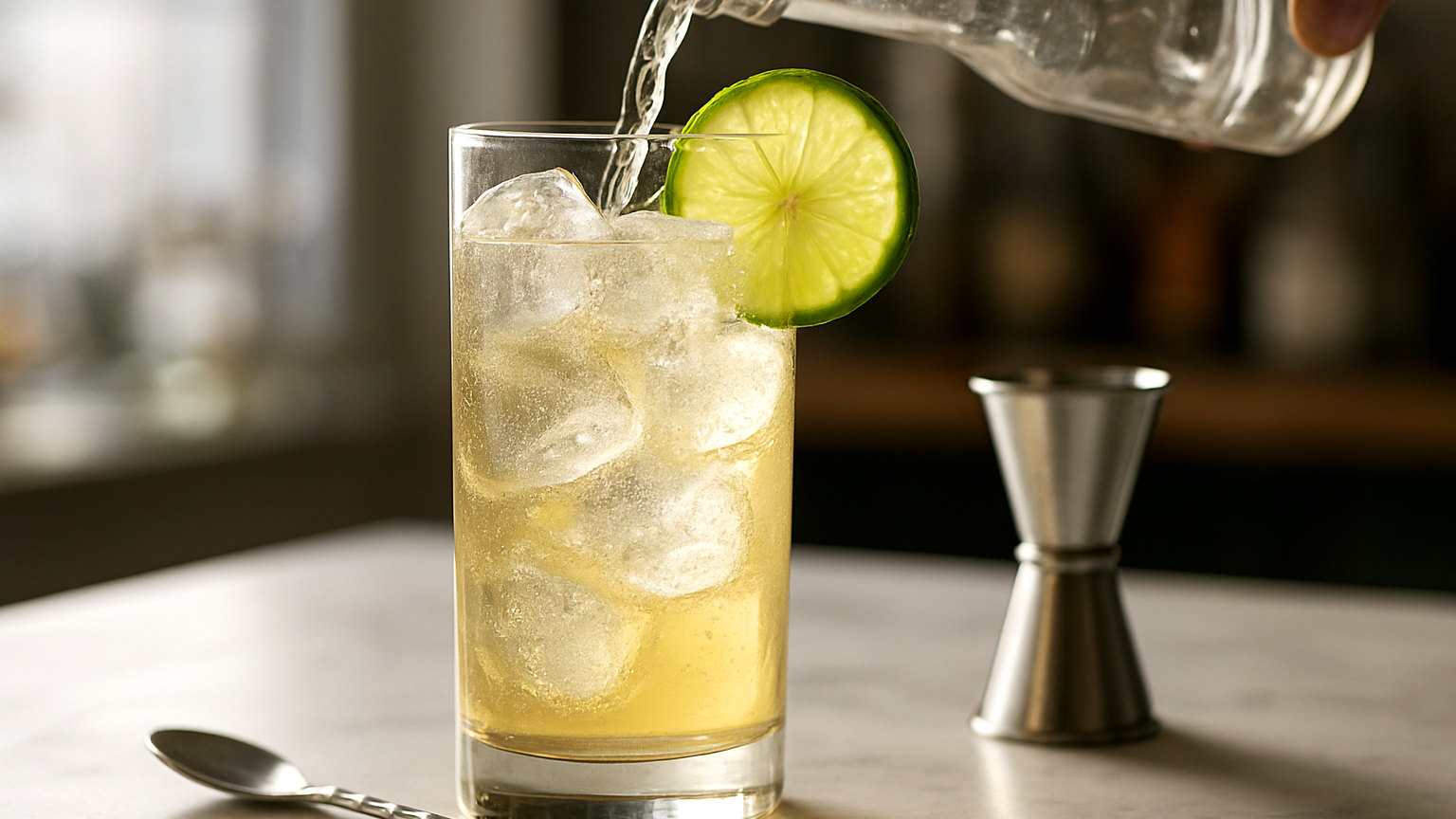
The simplest technique of all, used for the drinks people make most often, and the one where the order of assembly does more than it appears to.
Batching a shaken drink loses the two things shaking provides, and there is a straightforward way to recover most of them without making each one to order.
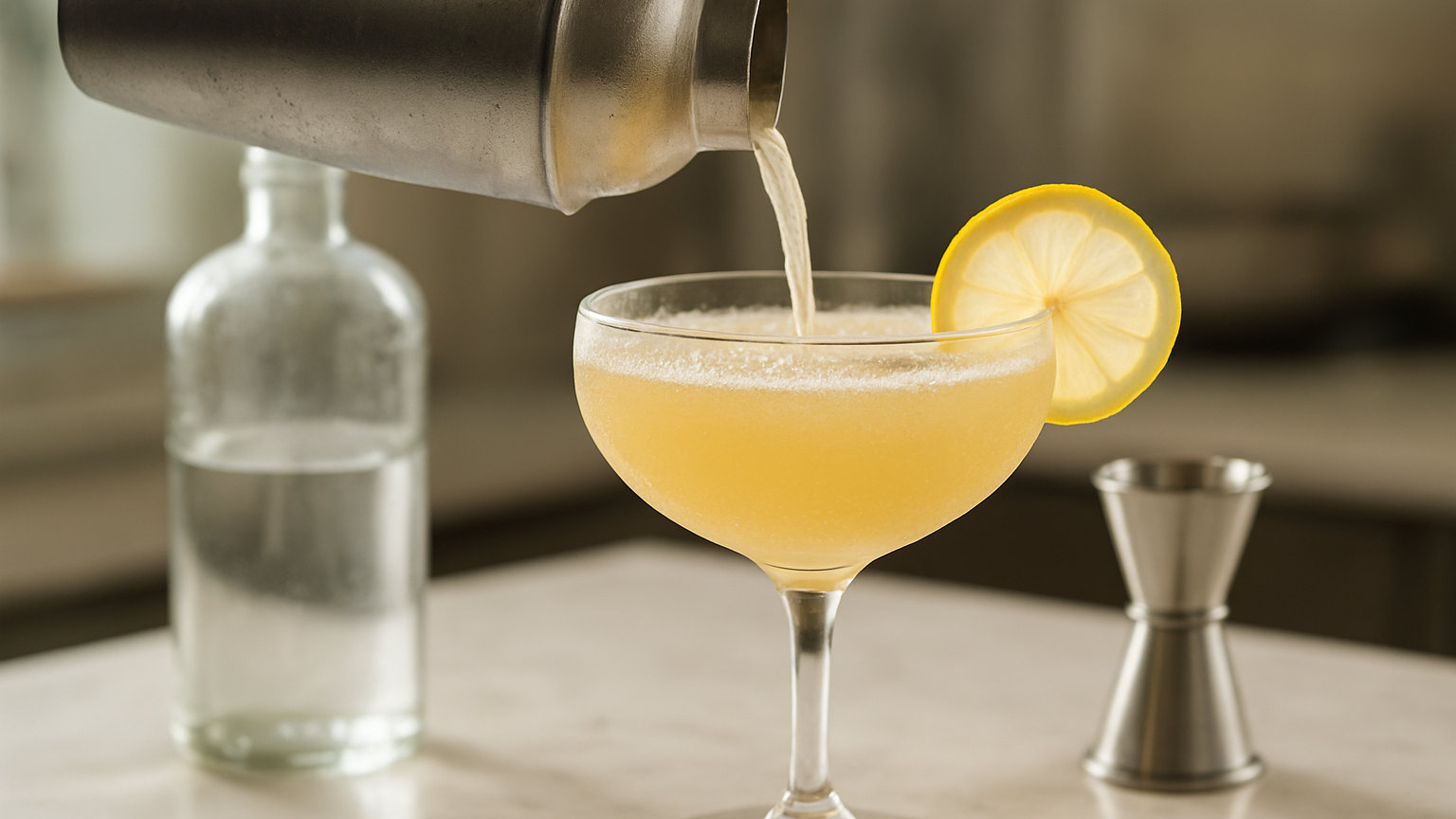
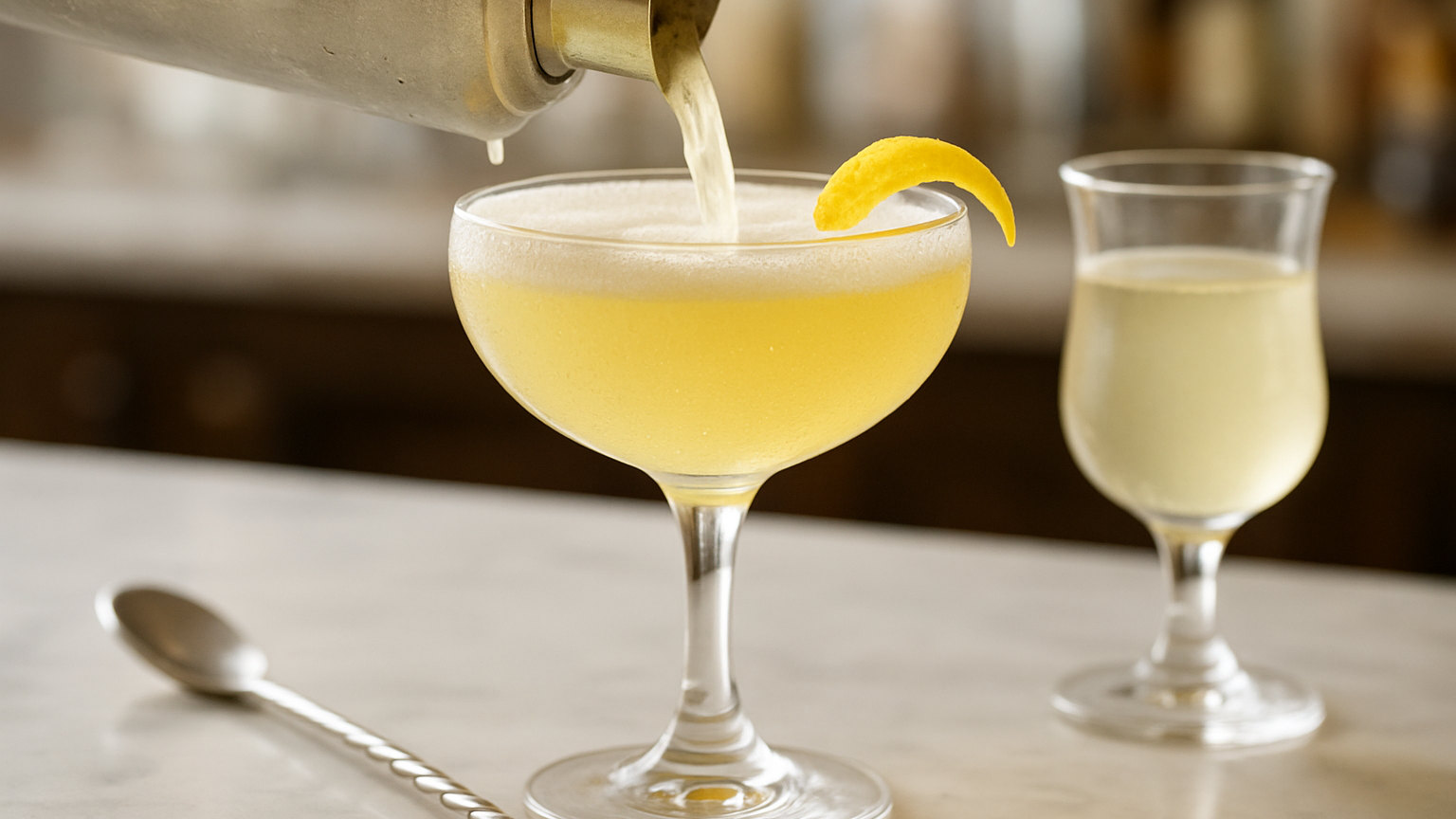
Air introduced during shaking changes the texture, the appearance and the way aromatics reach you, which is why the same ingredients feel so different shaken and stirred.
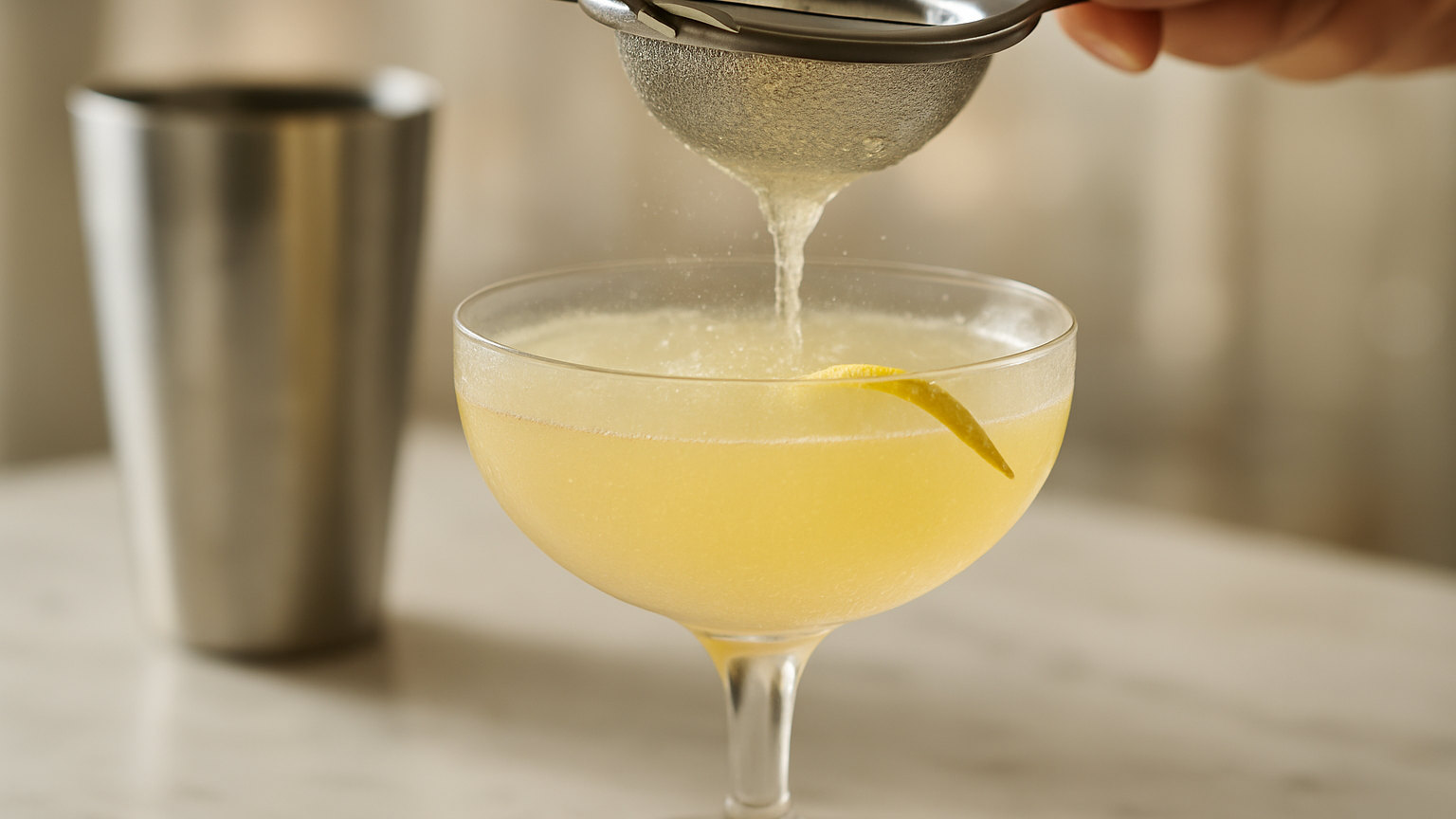
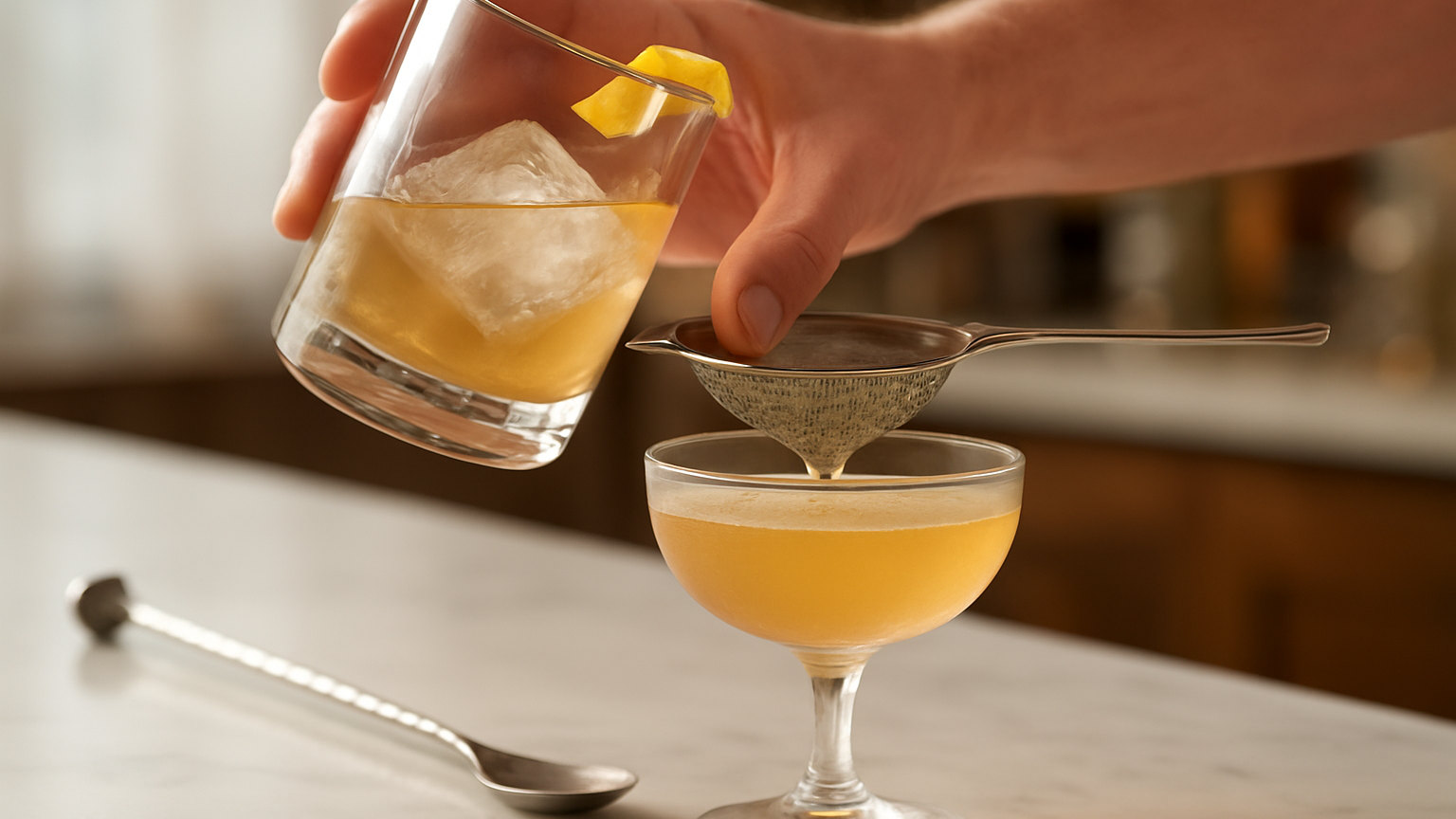
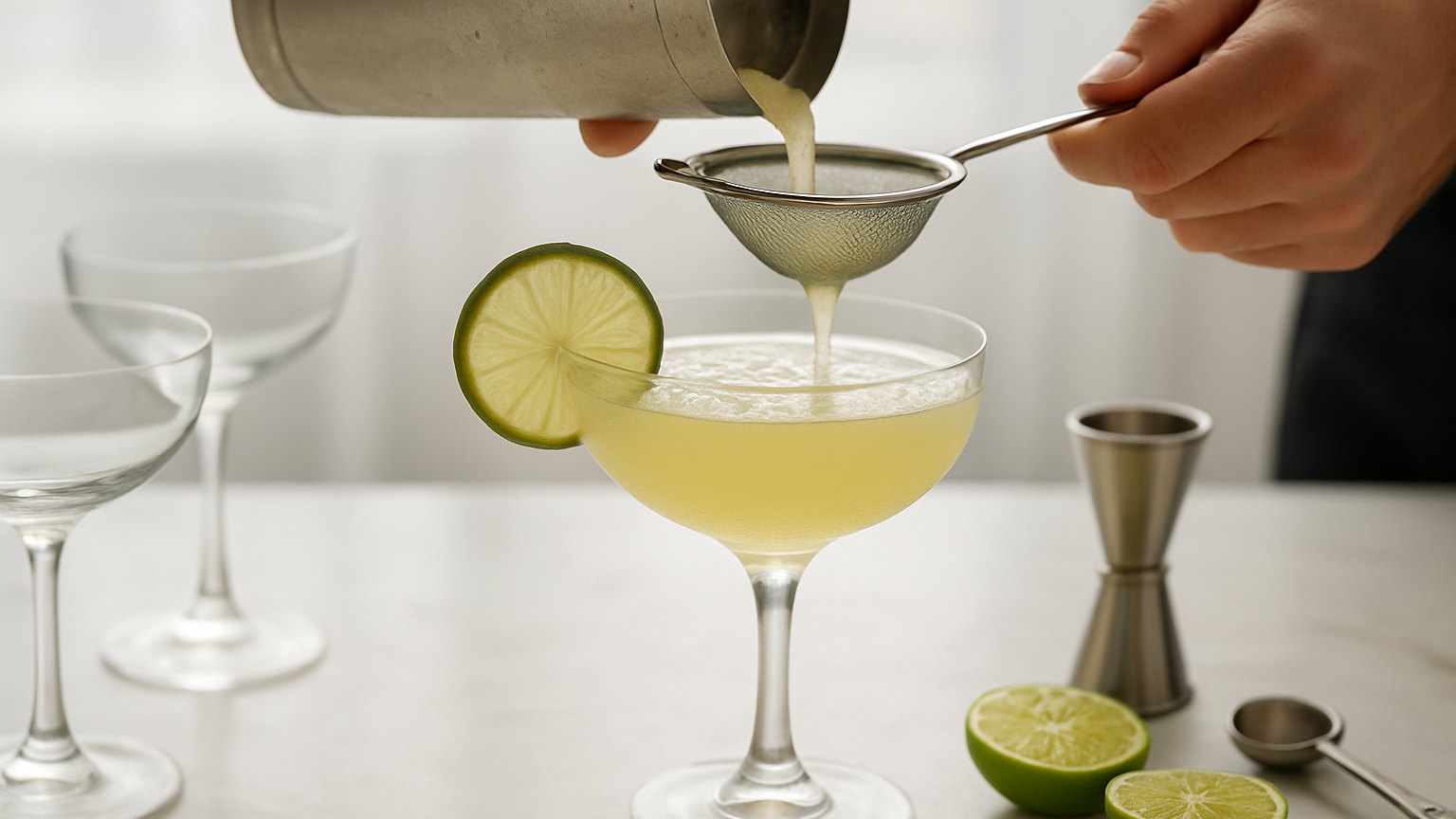
Straining twice removes what the first strainer misses, and whether it matters depends entirely on whether there is ice in the finished drink.
A Japanese shaking technique with a devoted following and a contested basis, and the arguments on both sides are worth understanding.
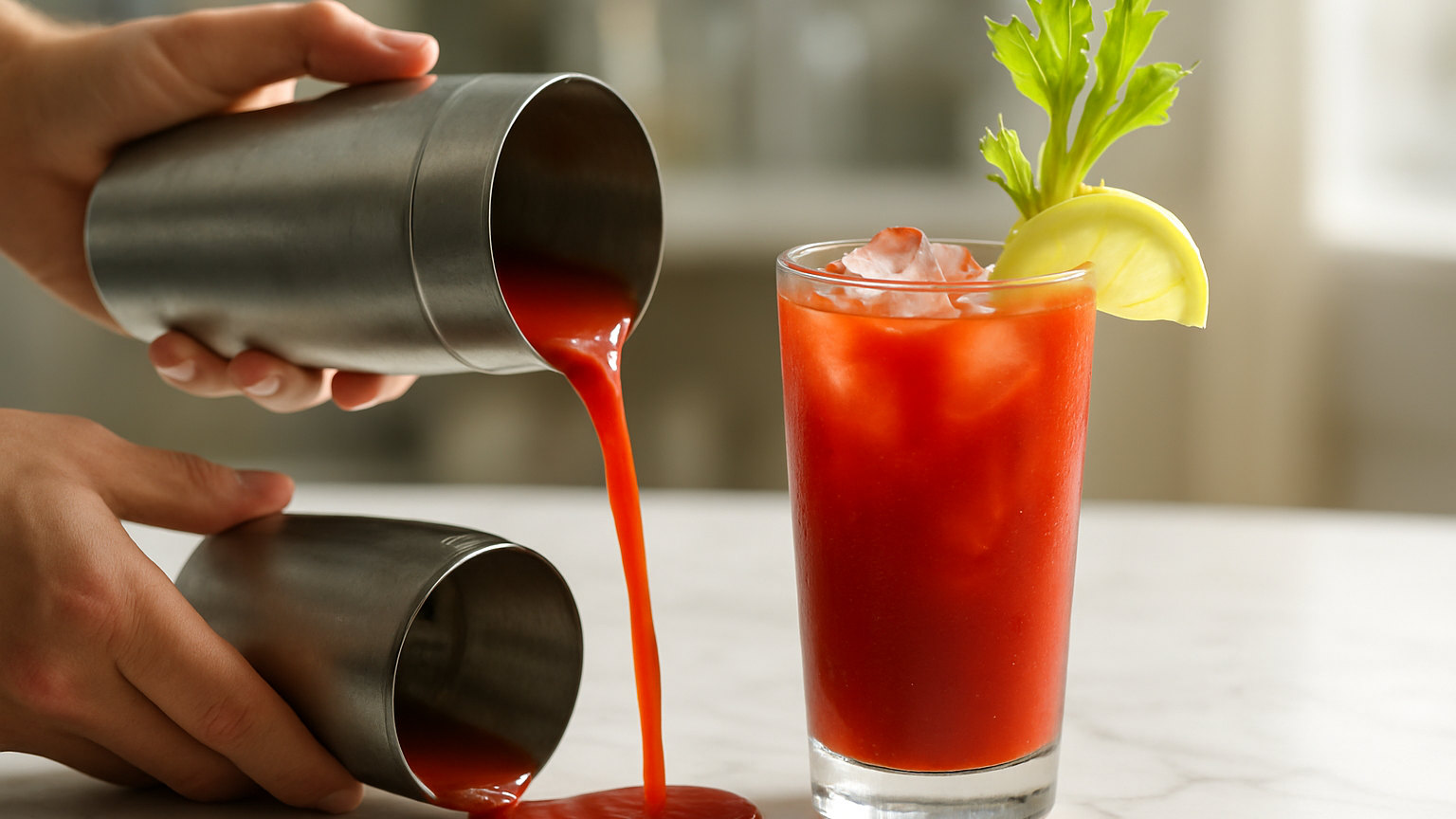
Pouring a drink back and forth between two vessels combines and chills it without whipping air into it, which is exactly what tomato juice requires.
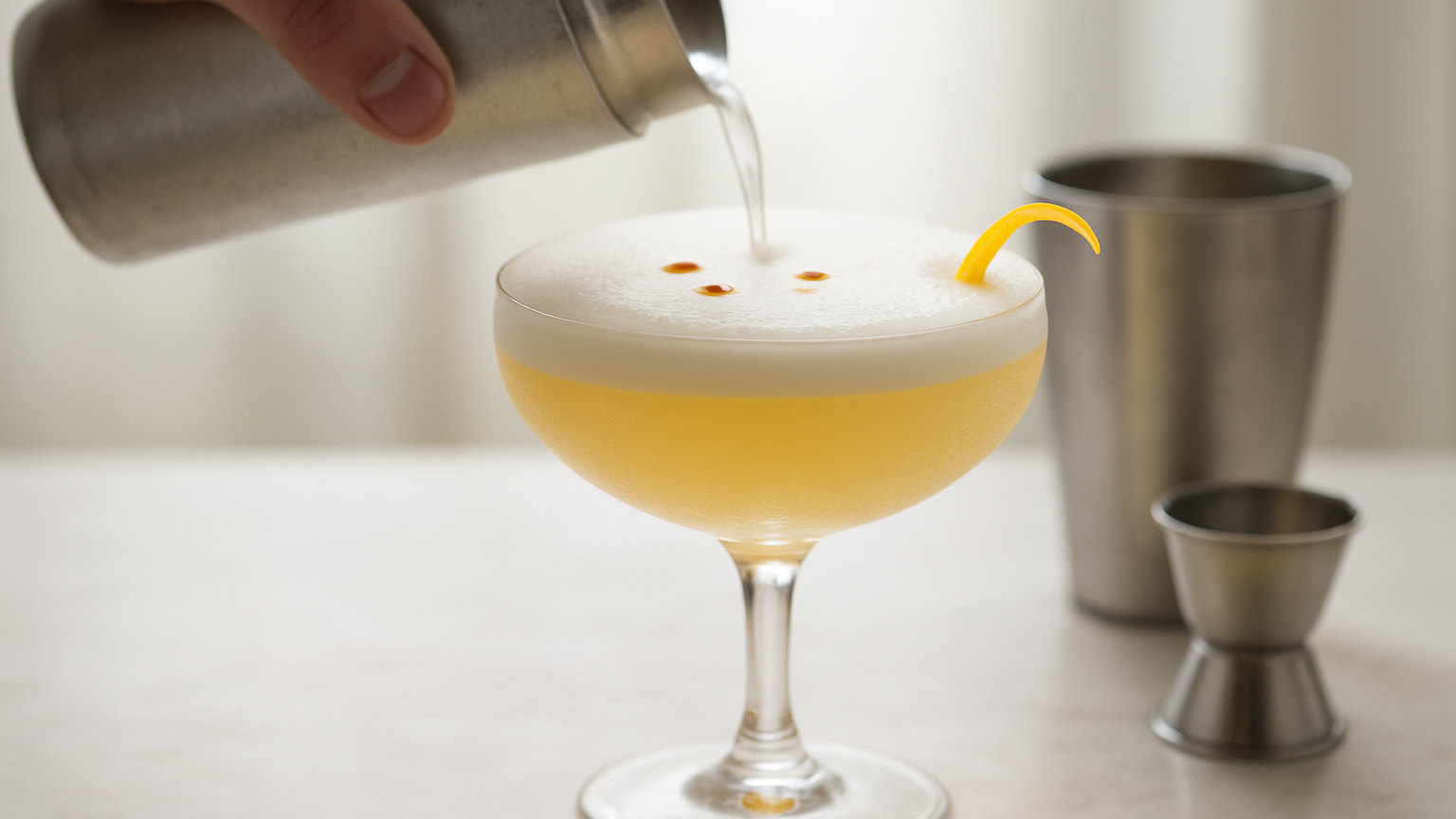
Shaking without ice before shaking with it produces a dense stable foam, and skipping the step is why most home attempts at an egg white sour disappoint.
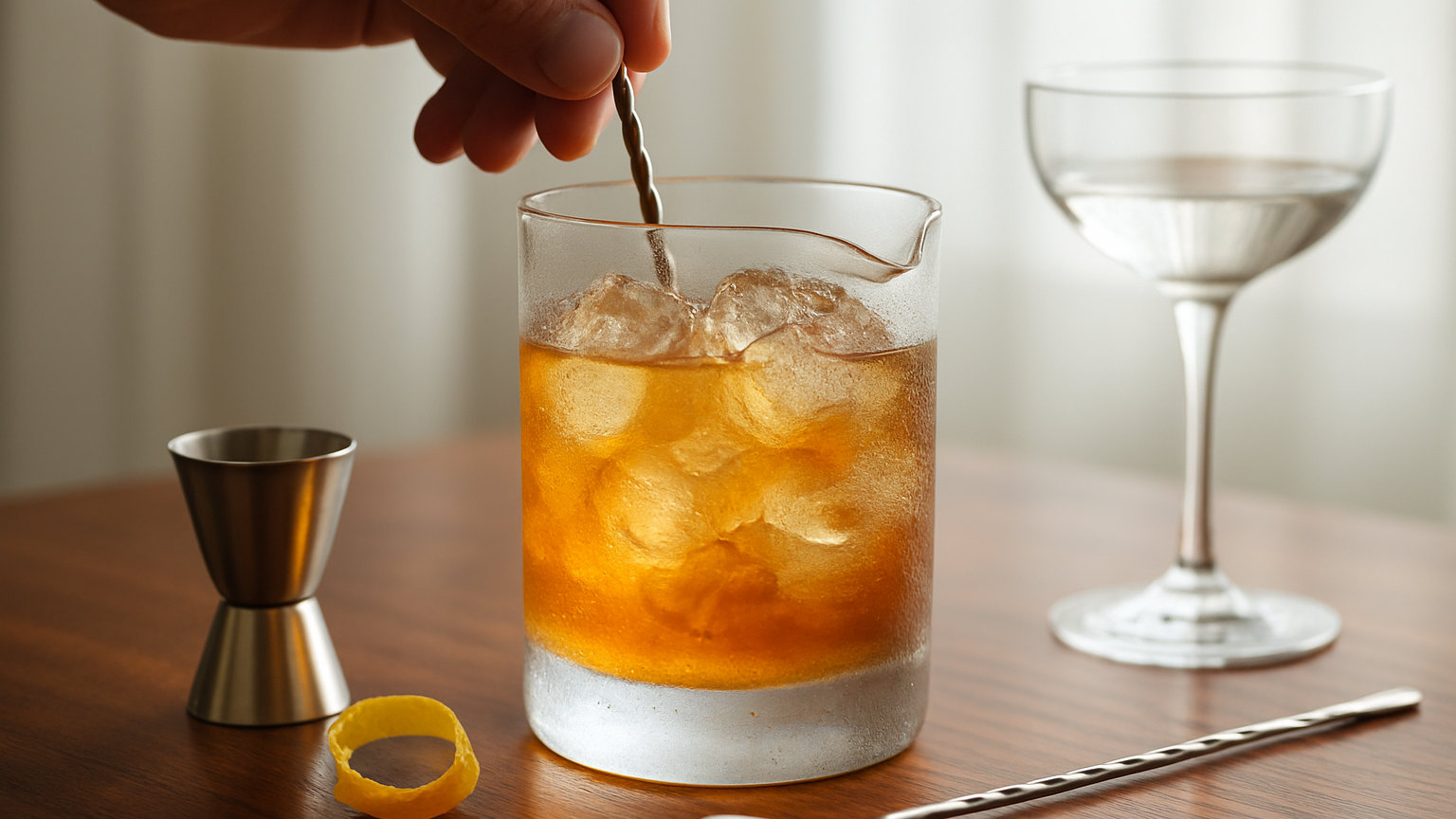
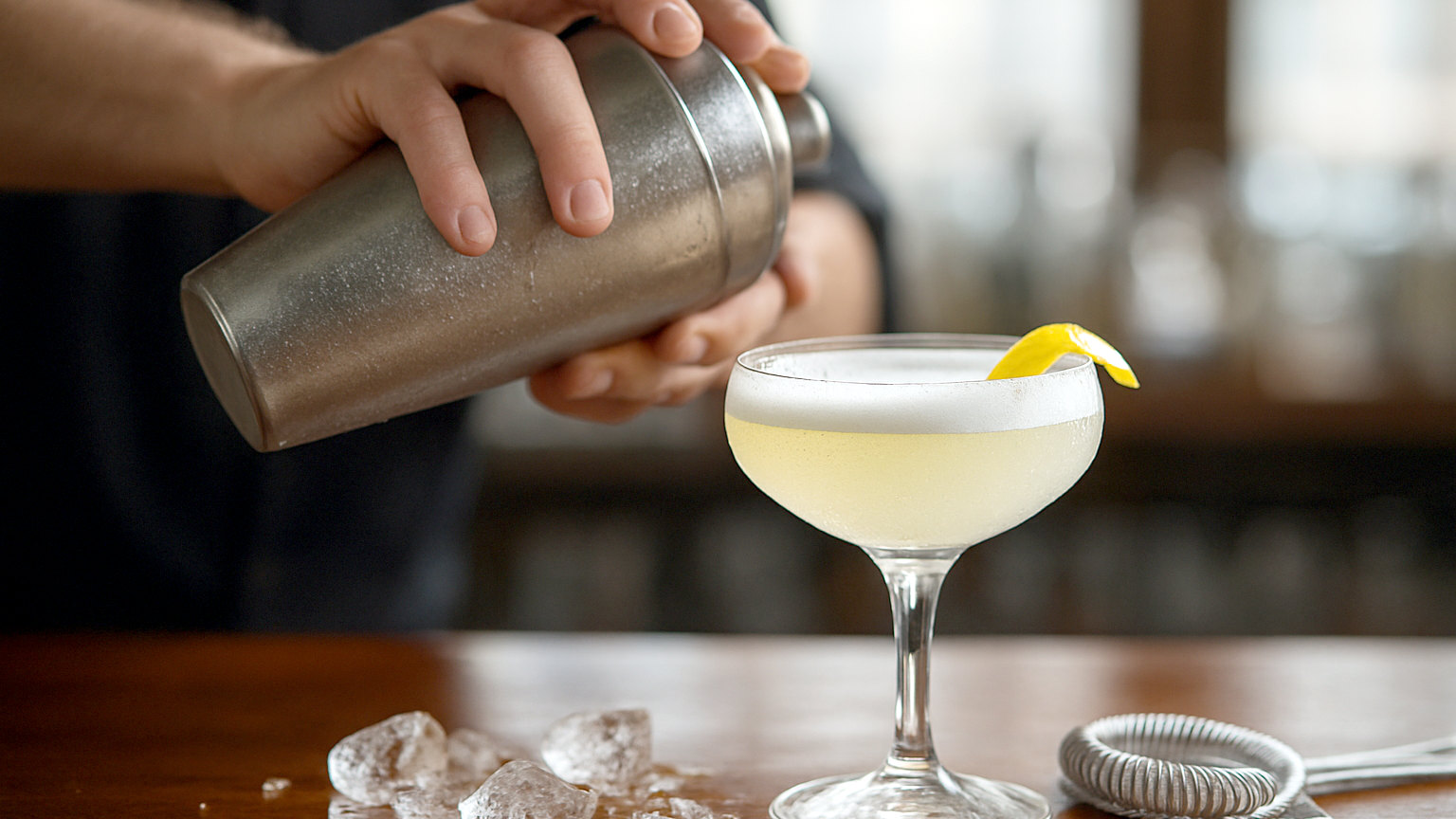
The numbers usually quoted are a reasonable starting point and the reliable signal is physical rather than temporal, which is why bartenders rarely count.