Is Cask Ale in Decline, and Why?
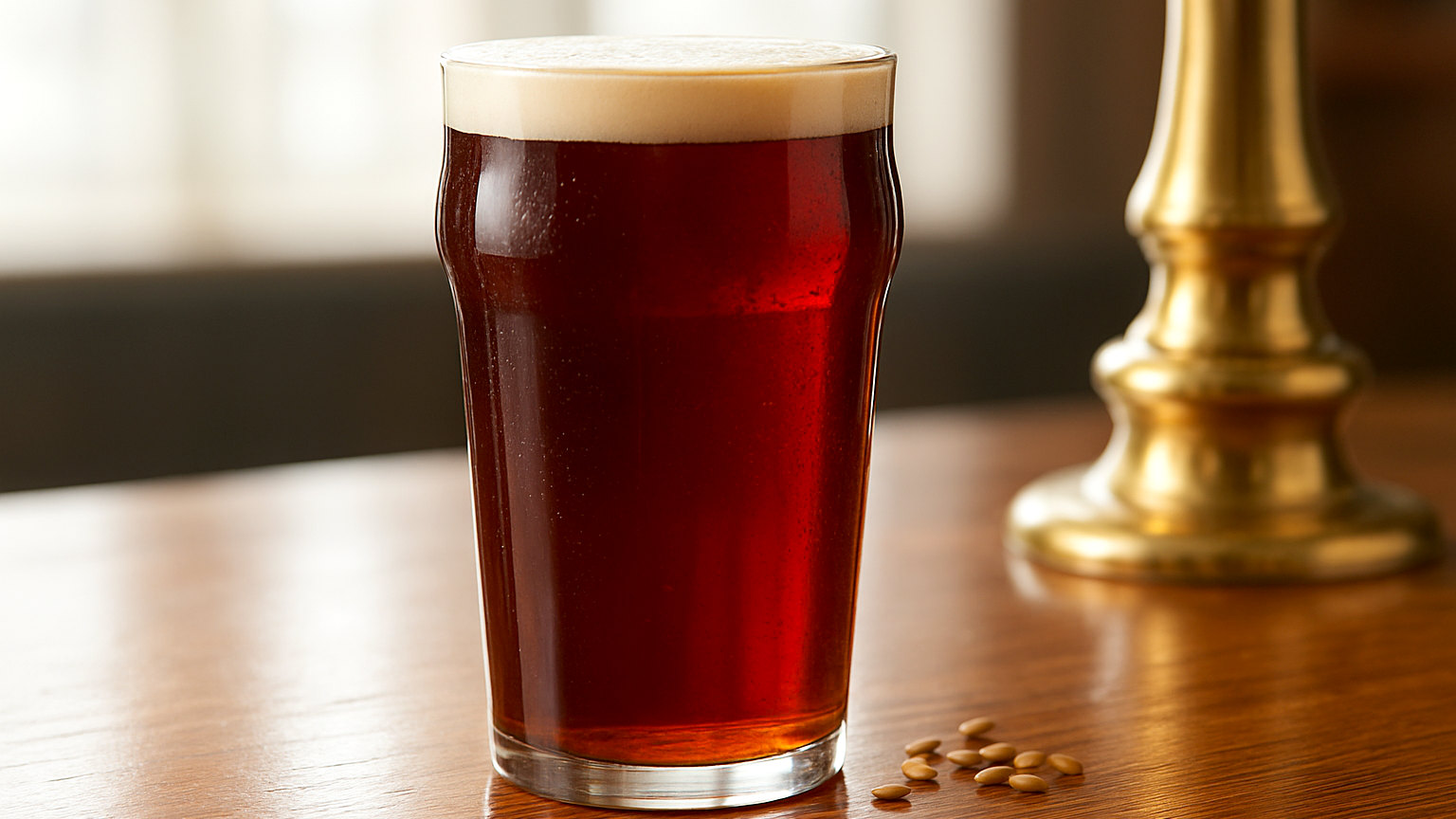
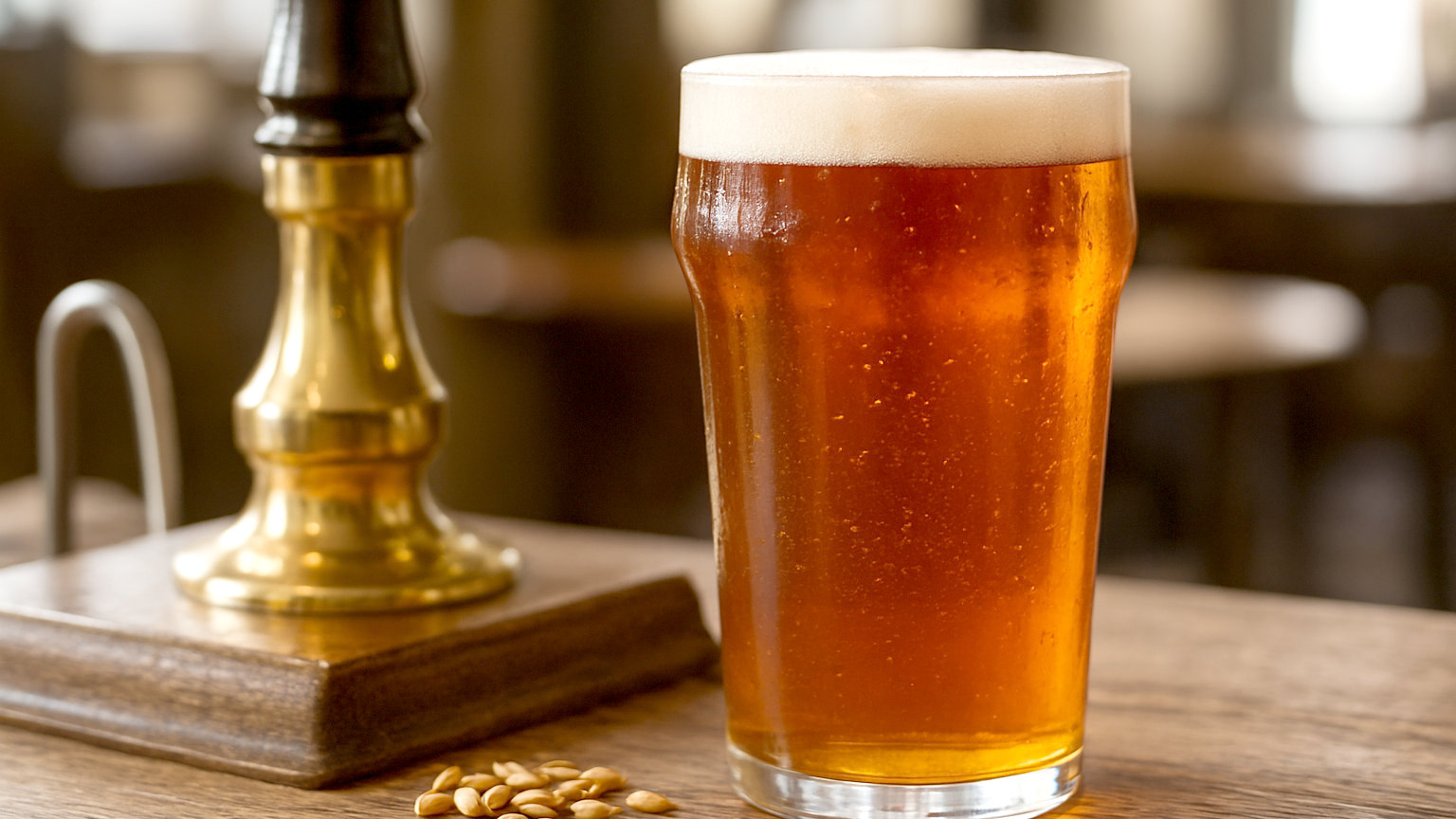
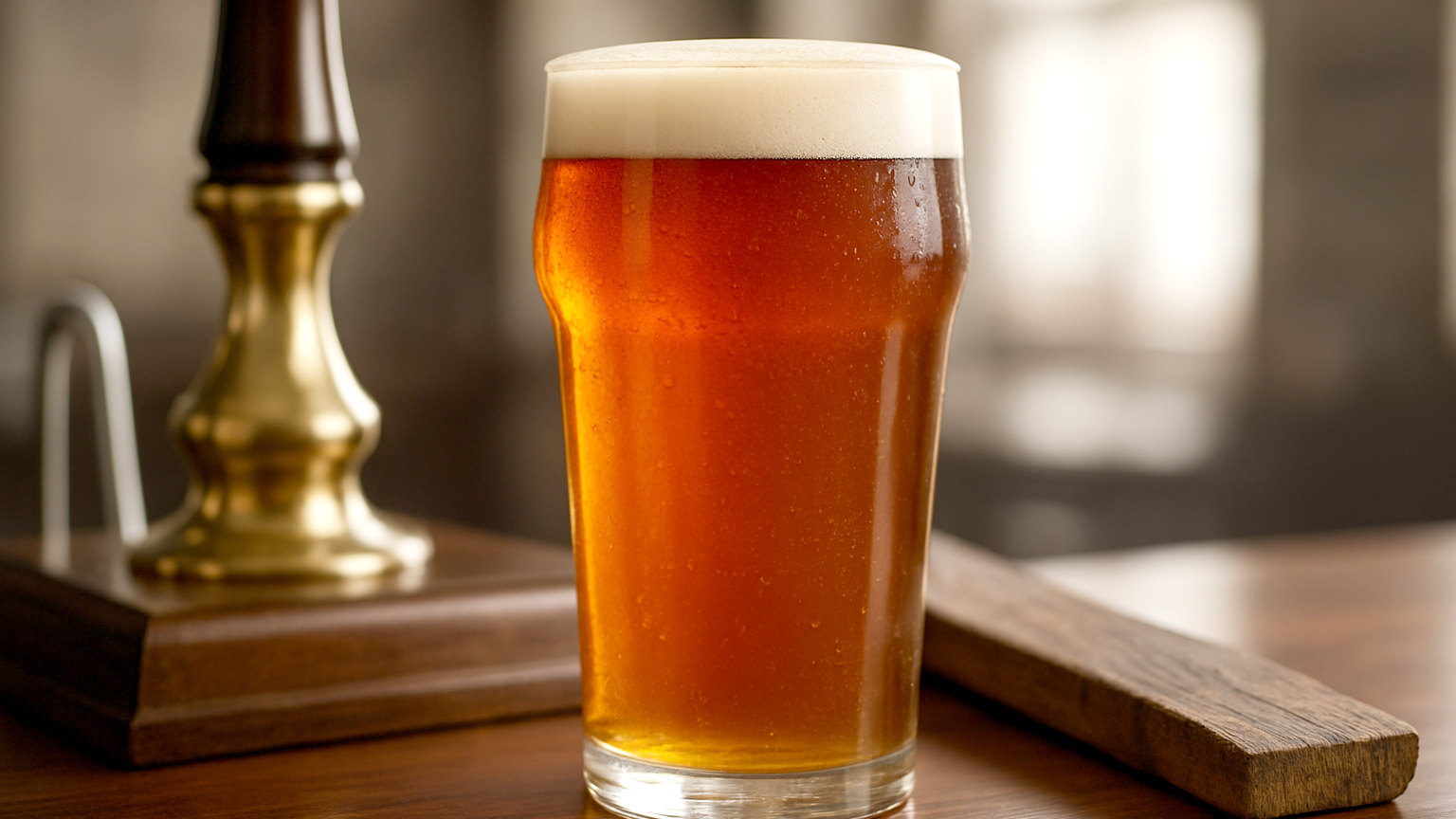
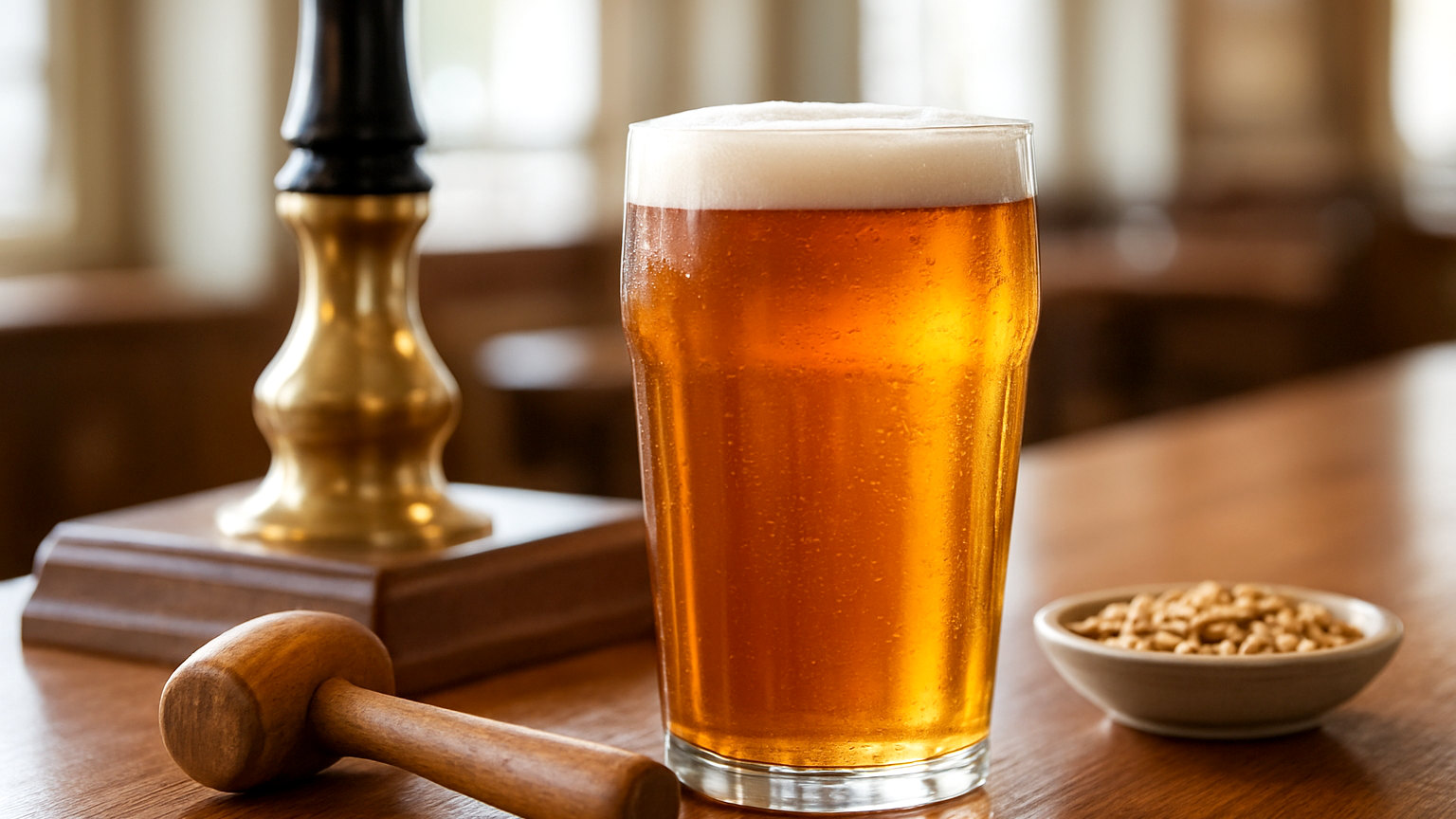
Cask ale volumes have fallen for decades, and the causes are structural rather than a simple matter of taste. The beer's greatest strength is also its commercial weakness.
British bitter, mild, brown and best - cask conditioning, and what a proper pint should taste like.
Cask ale volumes have fallen for decades, and the causes are structural rather than a simple matter of taste. The beer's greatest strength is also its commercial weakness.
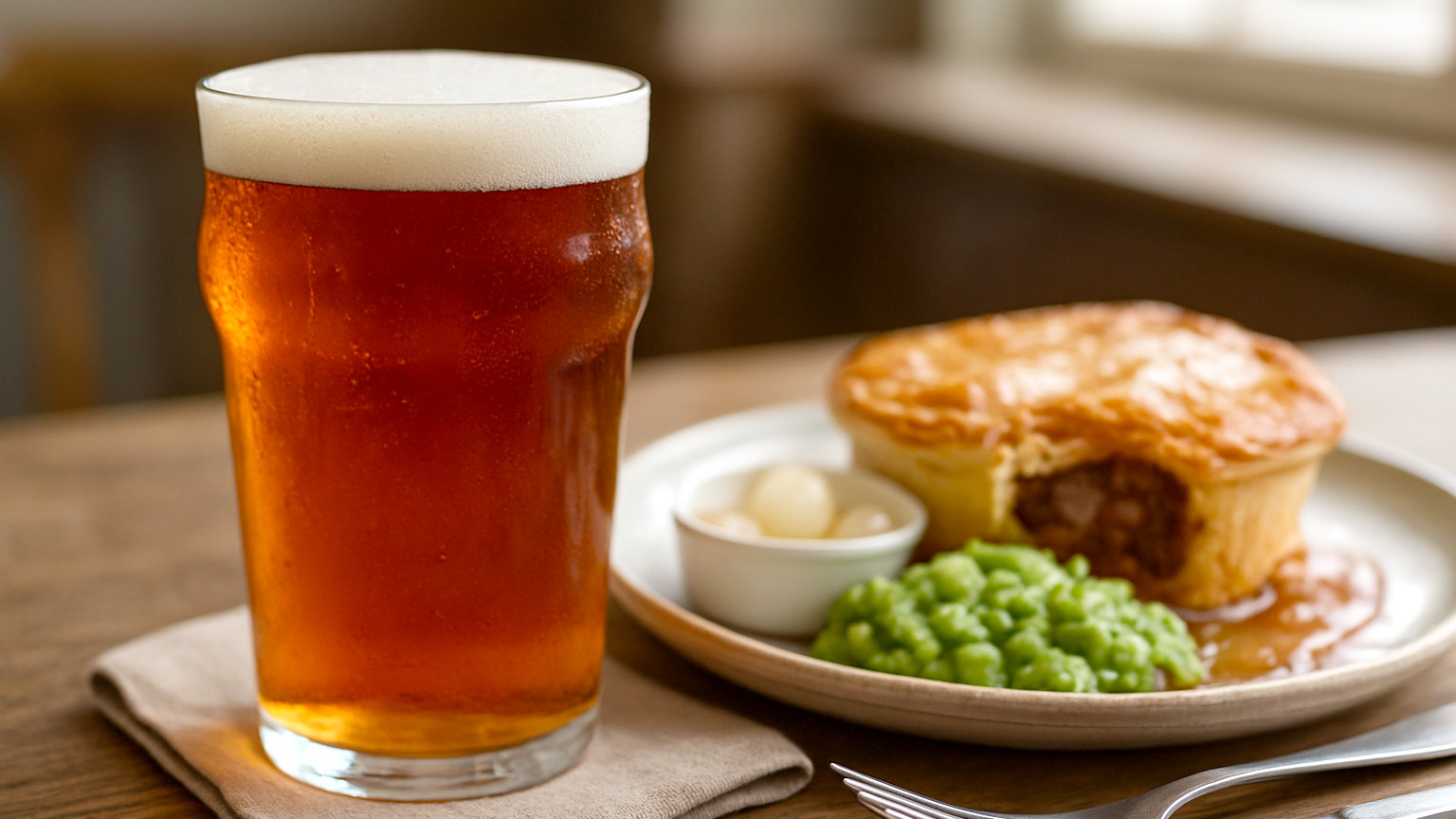
Bitter evolved alongside British food and suits it in ways that are not accidental. It also handles several dishes that defeat wine entirely.
Cask ale is a living product with a few days of good condition, which means bad pints are inevitable. Recognising the common faults means you can send one back with confidence.
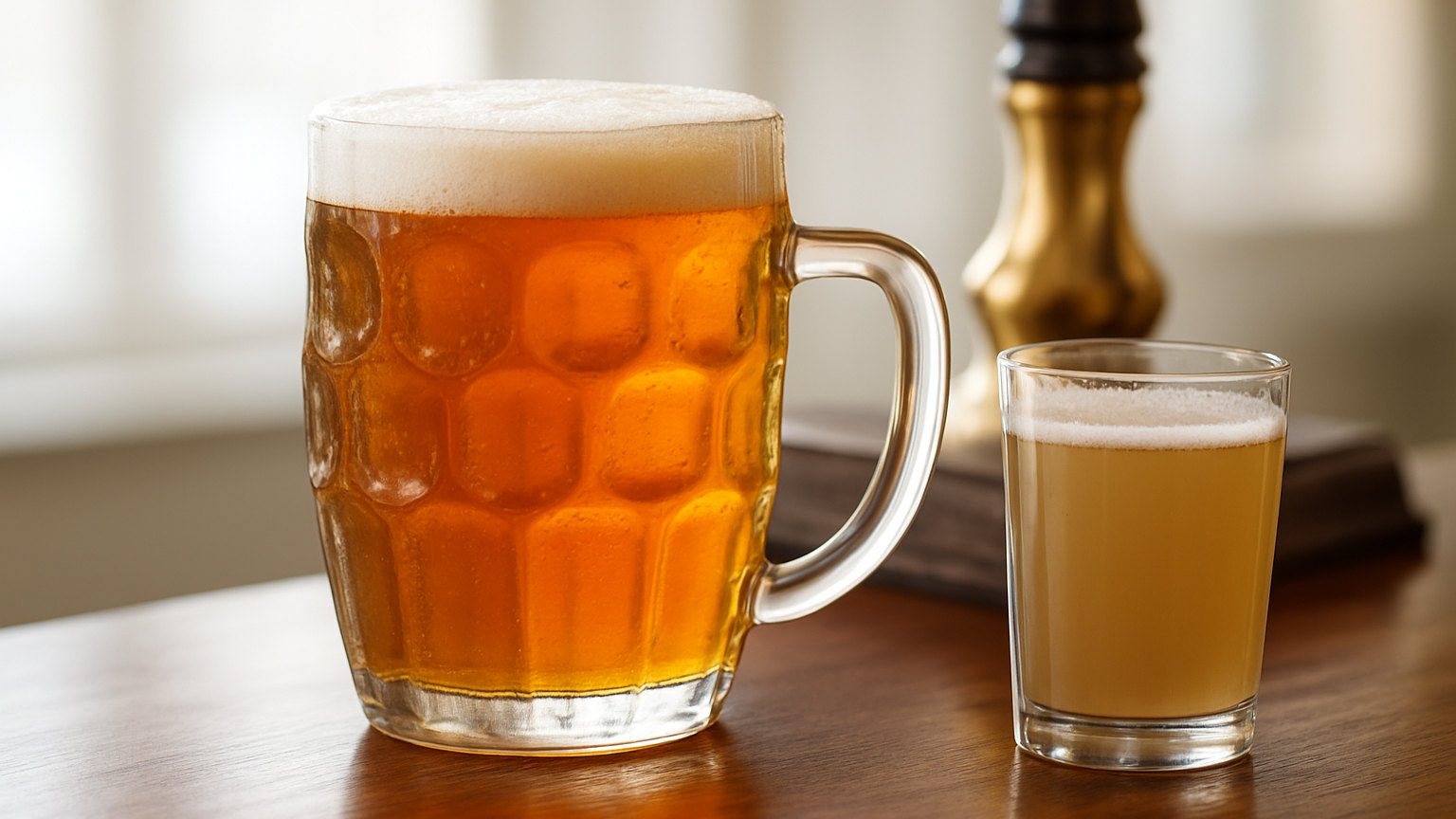
British beer sits at strengths that seem thin to drinkers used to continental lager or American craft beer, and the reason is a mixture of wartime policy and pub culture.
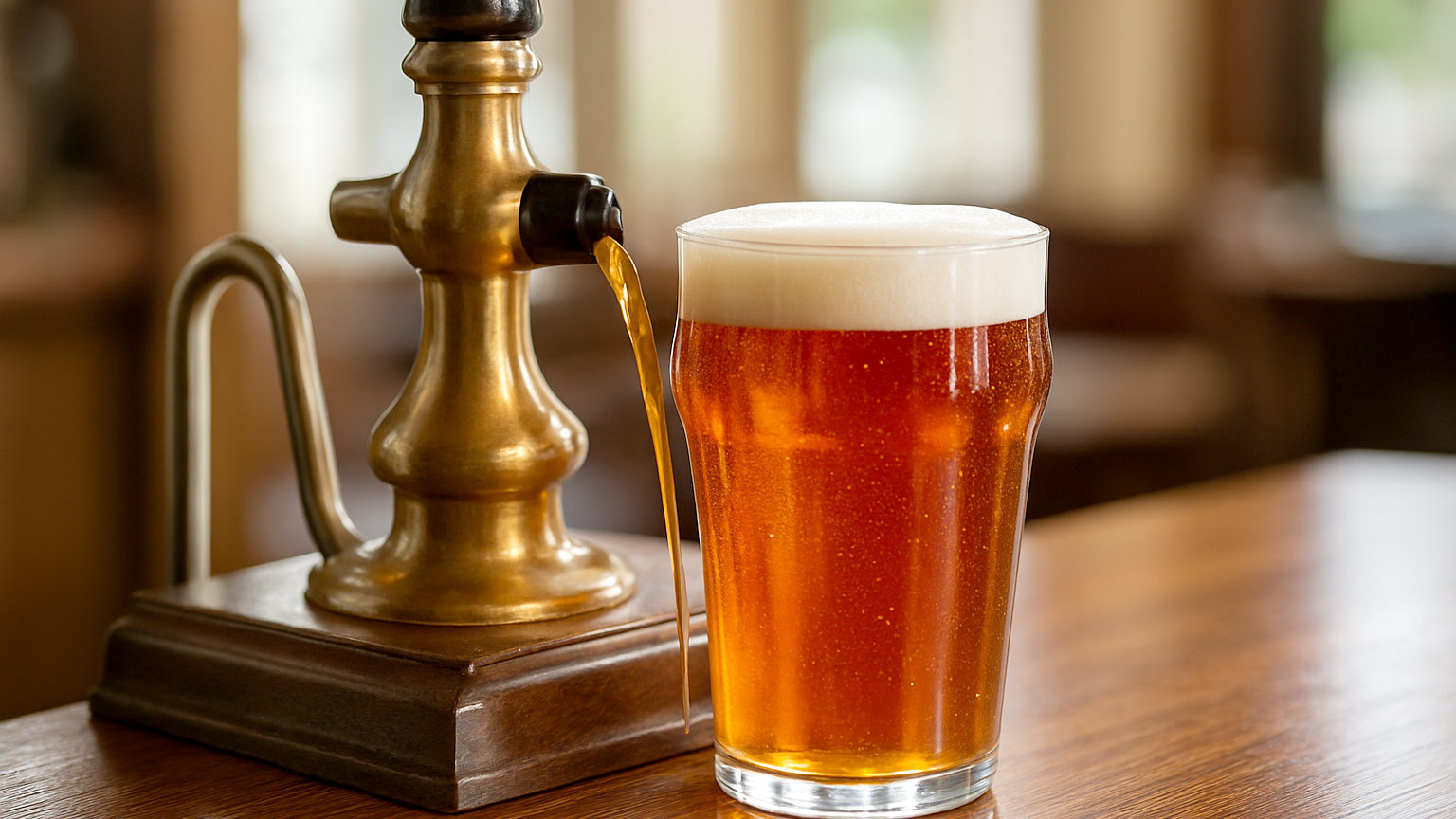
A small plastic nozzle on the end of a handpump divides British beer geographically, and it genuinely changes the beer rather than merely its appearance.
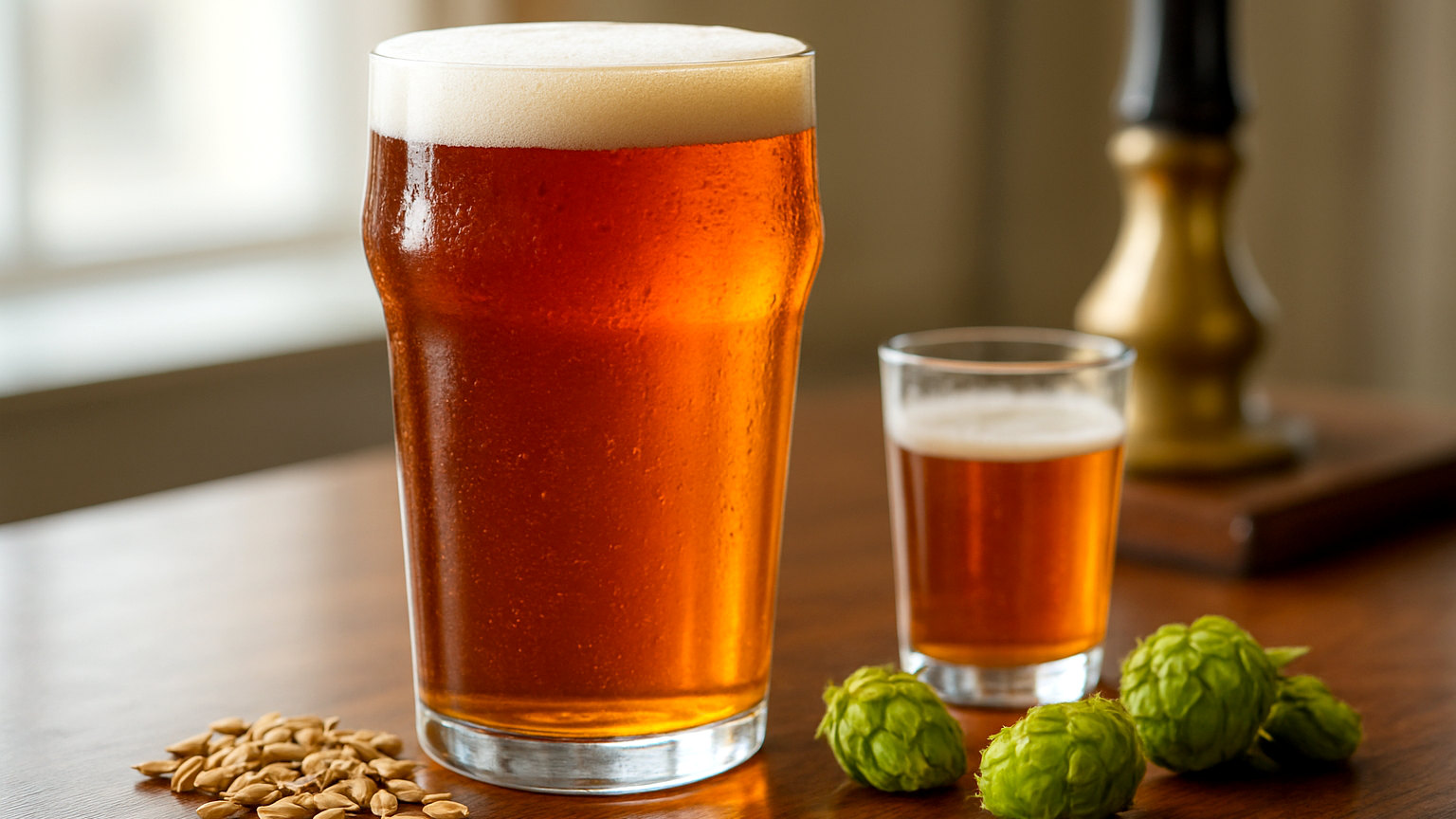
English hop varieties smell of earth, marmalade and hedgerow rather than grapefruit and pine, and the difference is genetic rather than a matter of technique.
The strong end of British brewing produces beers meant to be kept for years, and they were once blended into weaker beer to add complexity. A few breweries still make them.
Britain had two distinct brown ale traditions, one northern and dry, one southern and sweet. Both faded, and the style was kept alive largely by American brewers.
The words ordinary, best and premium on a pump clip describe strength rather than quality, which catches people out. A brewery's ordinary bitter is frequently its finest beer.
Mild was the beer Britain drank for most of the twentieth century, and within thirty years it went from dominant to almost extinct. The reasons say a good deal about how tastes shift.
Real ale is a defined term with a specific meaning, coined by a consumer campaign in the 1970s to describe something that was disappearing. The definition still causes arguments.
British beer is routinely described as warm by people used to lager, and cellar temperature is neither warm nor an accident. It is the point at which the beer shows what it has.