What Food Goes with Wheat and Sour Beer?
Sour beer is the most useful beer at a table, doing everything a sharp white wine does and handling several dishes that defeat wine entirely.
By Simply Alcohol Team
3 Aug 2026

Hefeweizen, witbier, gose, lambic and the modern kettle sours - where the flavour comes from.
Sour beer is the most useful beer at a table, doing everything a sharp white wine does and handling several dishes that defeat wine entirely.
Traditional sour beers are among the longest-lived things brewed, developing for a decade or more. Modern fruited sours are the opposite and should be drunk within months.
A wild yeast that produces barnyard and tropical fruit aromas, ruins a lager and makes a lambic. Whether it is a fault depends entirely on which beer it turns up in.
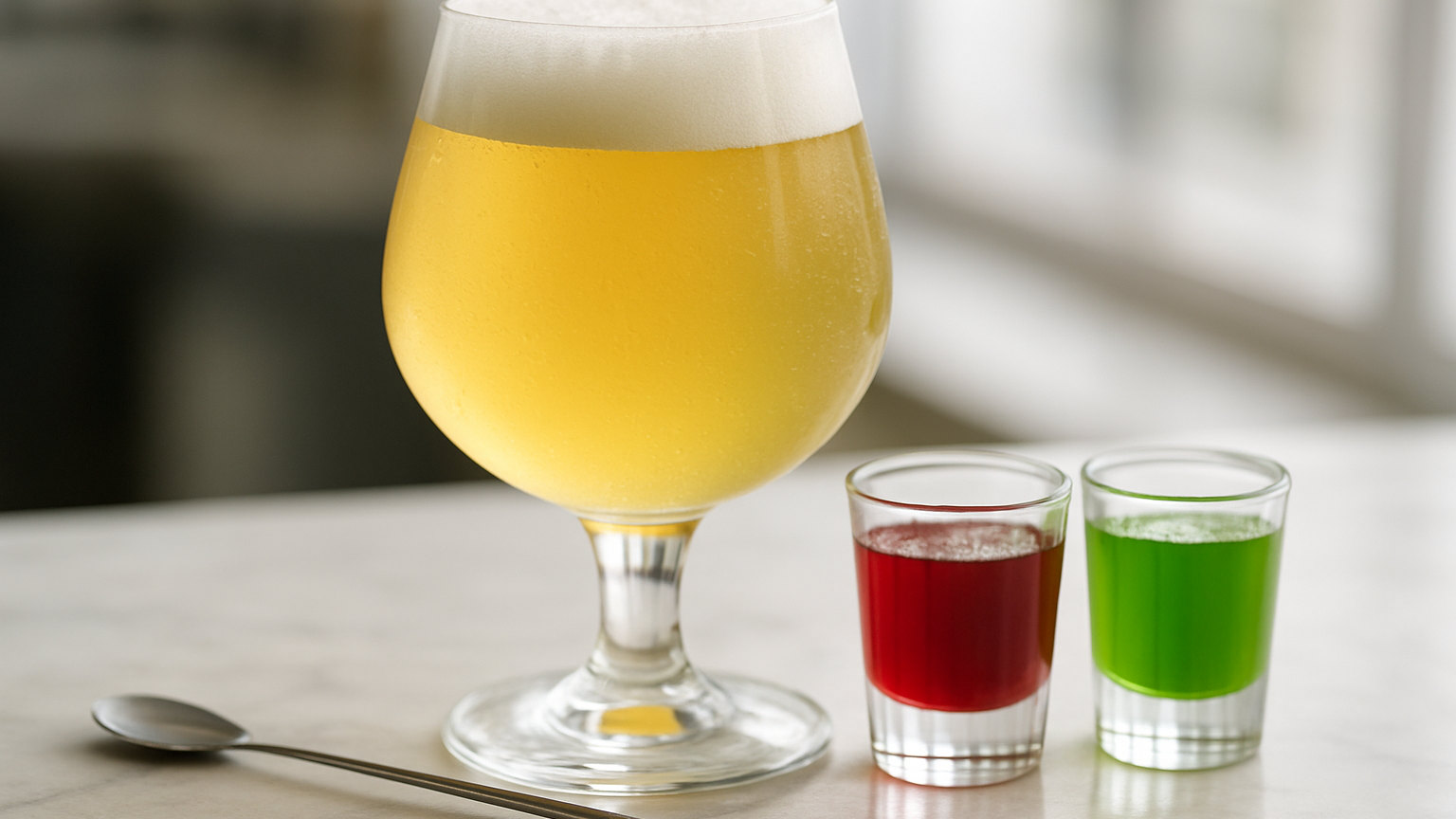
A low-alcohol sour wheat beer served with a shot of green or red syrup, which looks like a novelty and is a genuine tradition with a practical purpose.
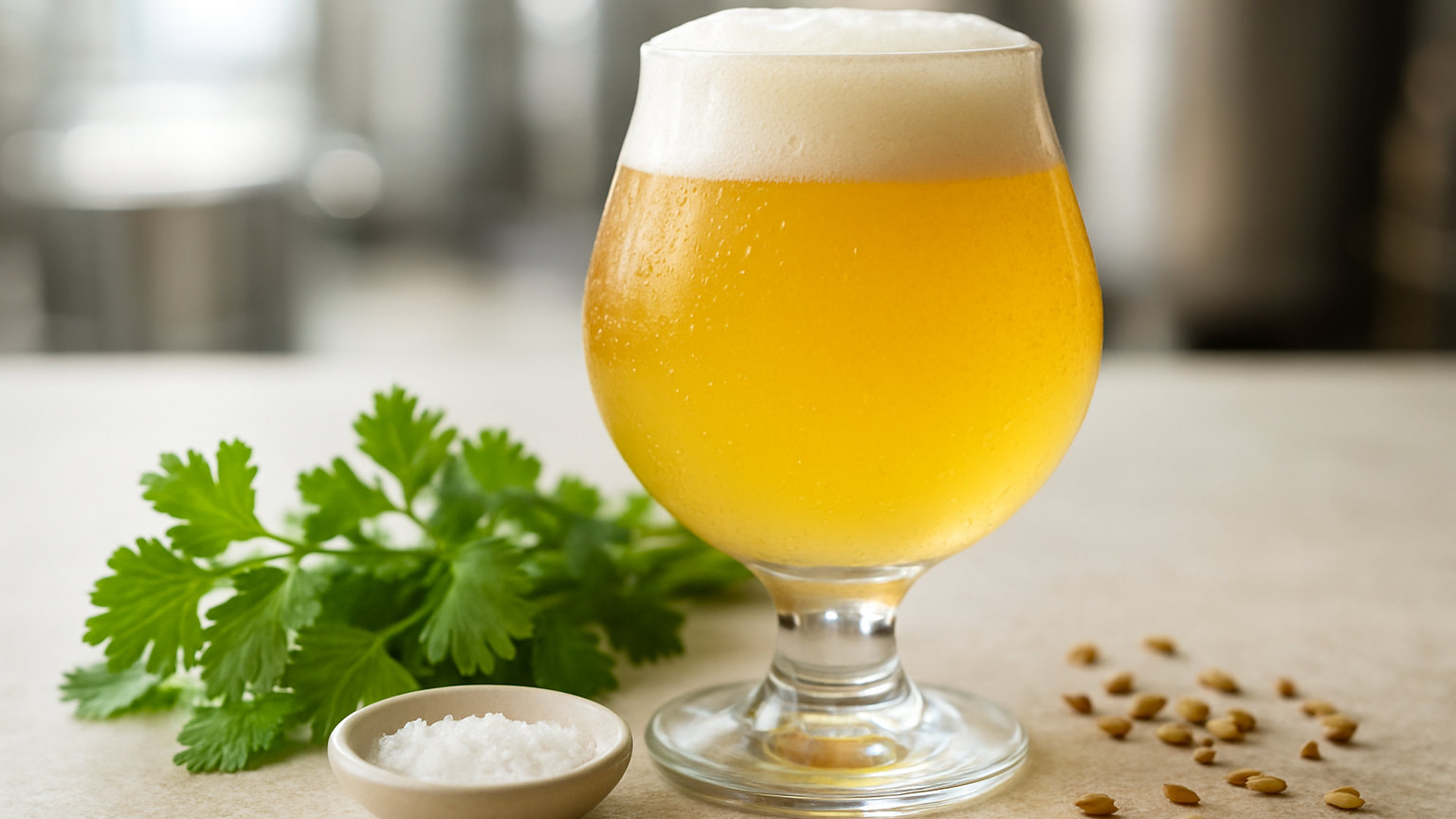
A German wheat beer with salt and coriander in it, gose died out twice and was revived twice. The salt is historical rather than a modern gimmick.
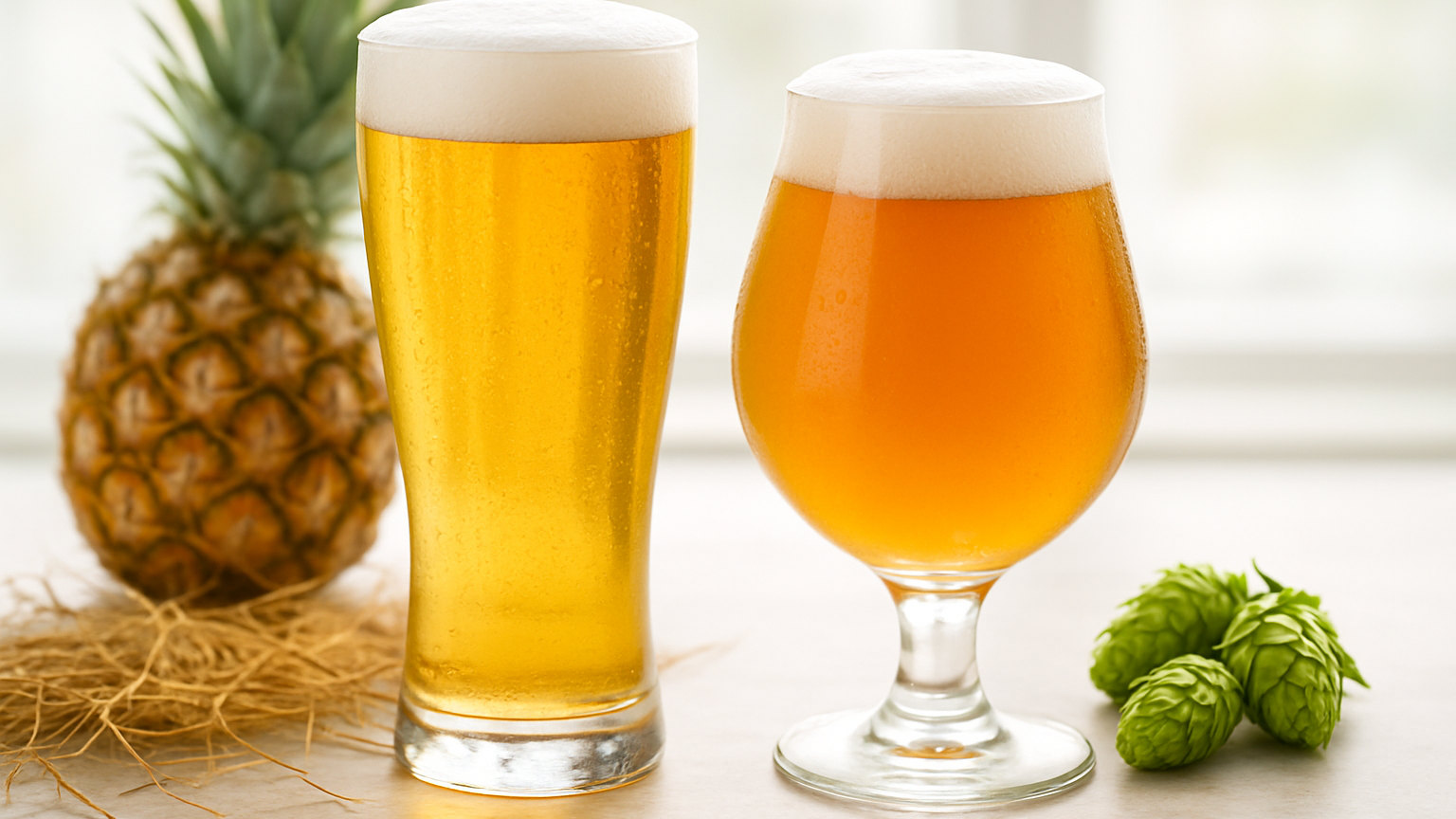
Kettle souring makes a sour beer in days rather than years, and it is responsible for almost every fruited sour on a modern shelf. Whether that is a shortcut depends on what you expected.
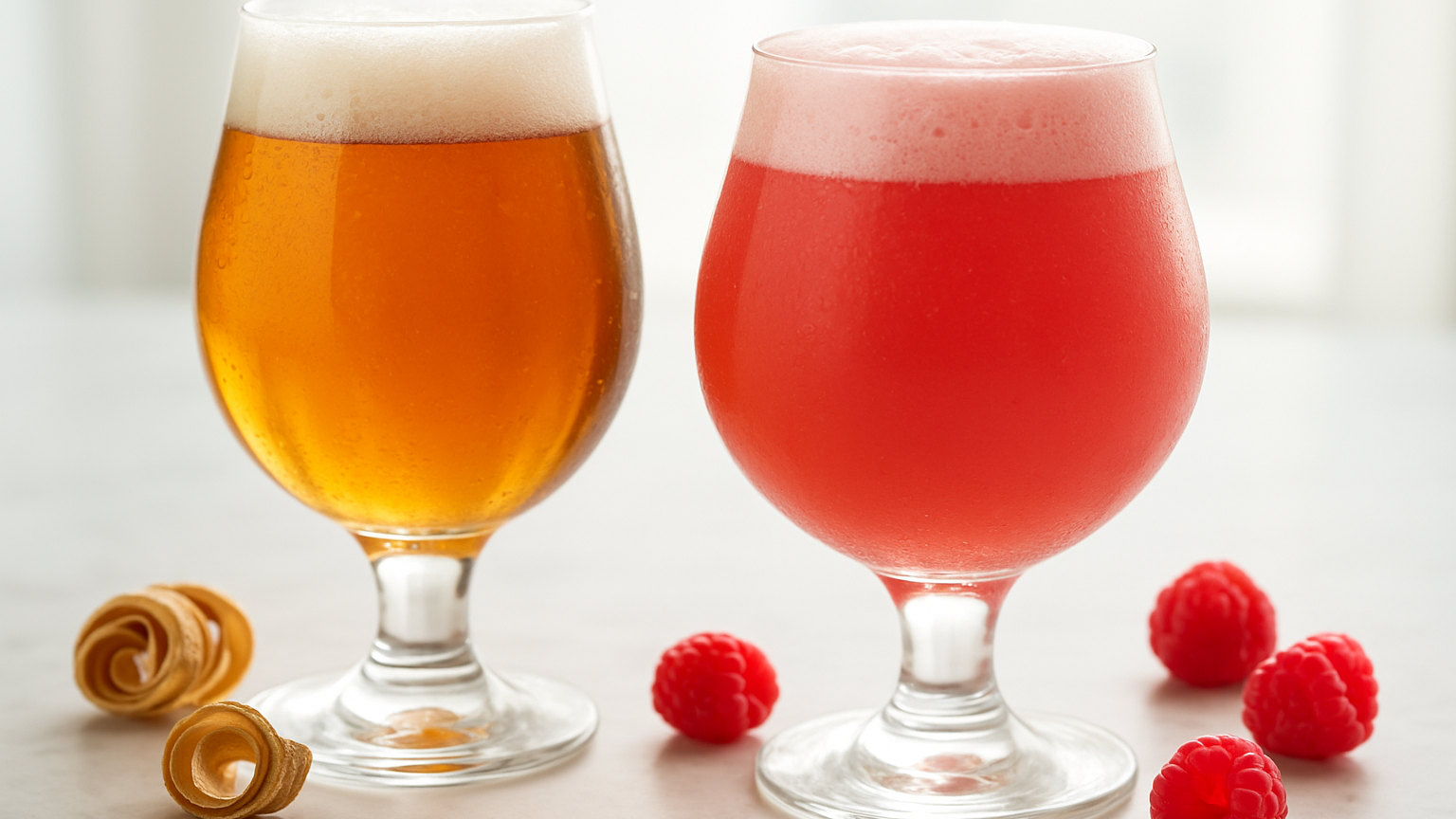
Traditional fruit lambic is made by macerating whole fruit in beer for months until the sugar is entirely fermented. Most fruit beer on a supermarket shelf is made a different way.
Gueuze is made by blending lambics of different ages so that the young beer's remaining sugar refermehnts the old beer in the bottle. The result is the champagne of the beer world, and the comparison is earned.
Lambic is fermented by whatever falls into it from the air of one Belgian valley, aged in barrels for years, and made using aged hops chosen specifically for having no flavour left.
Sourness in beer comes from bacteria and wild yeast producing acid, and which organism is responsible determines whether the result tastes of yoghurt, vinegar or a farmyard.
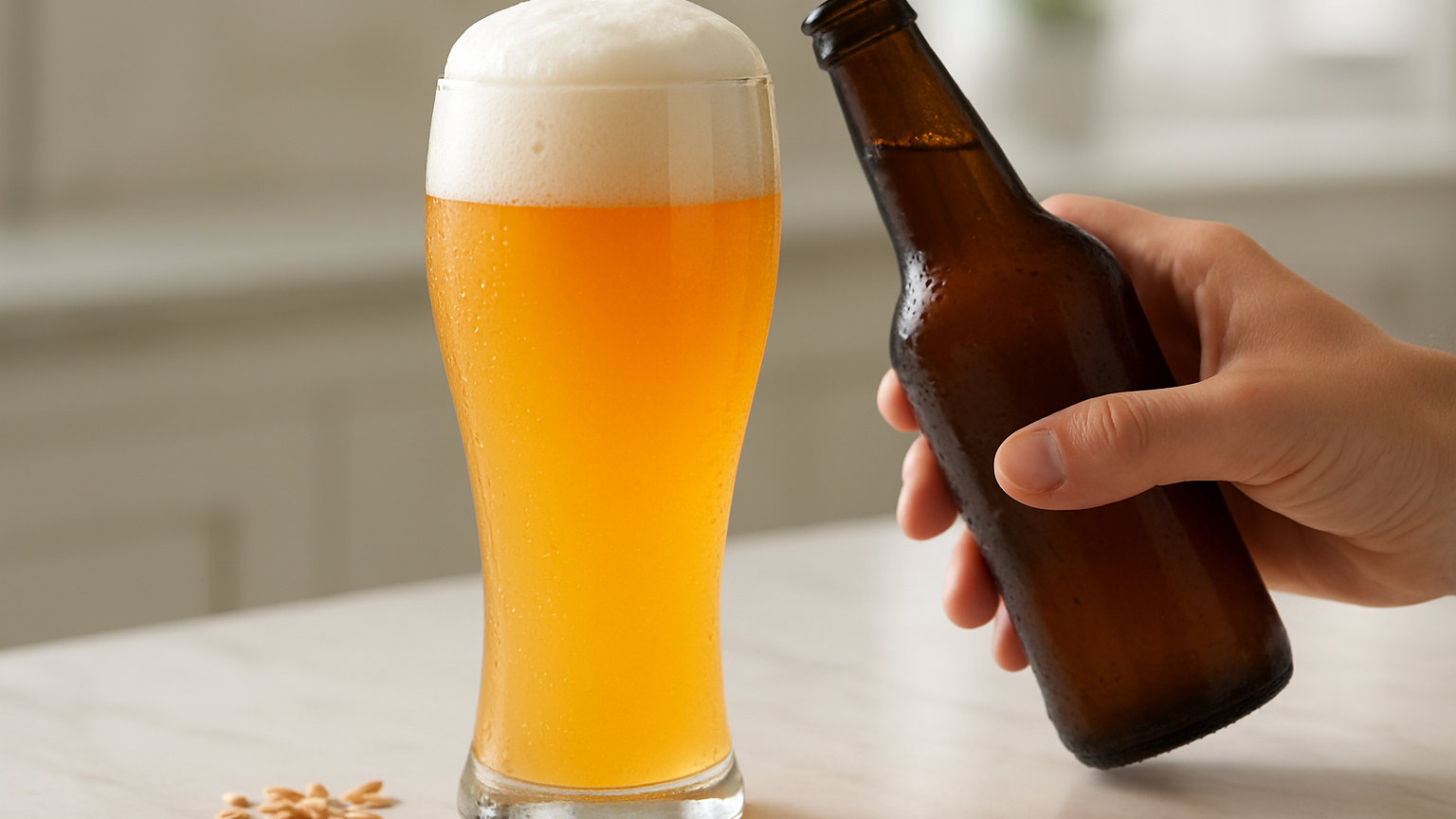
Wheat beer is the one style where the pour genuinely changes what you drink, because a substantial part of the flavour is sitting in the bottom of the bottle.
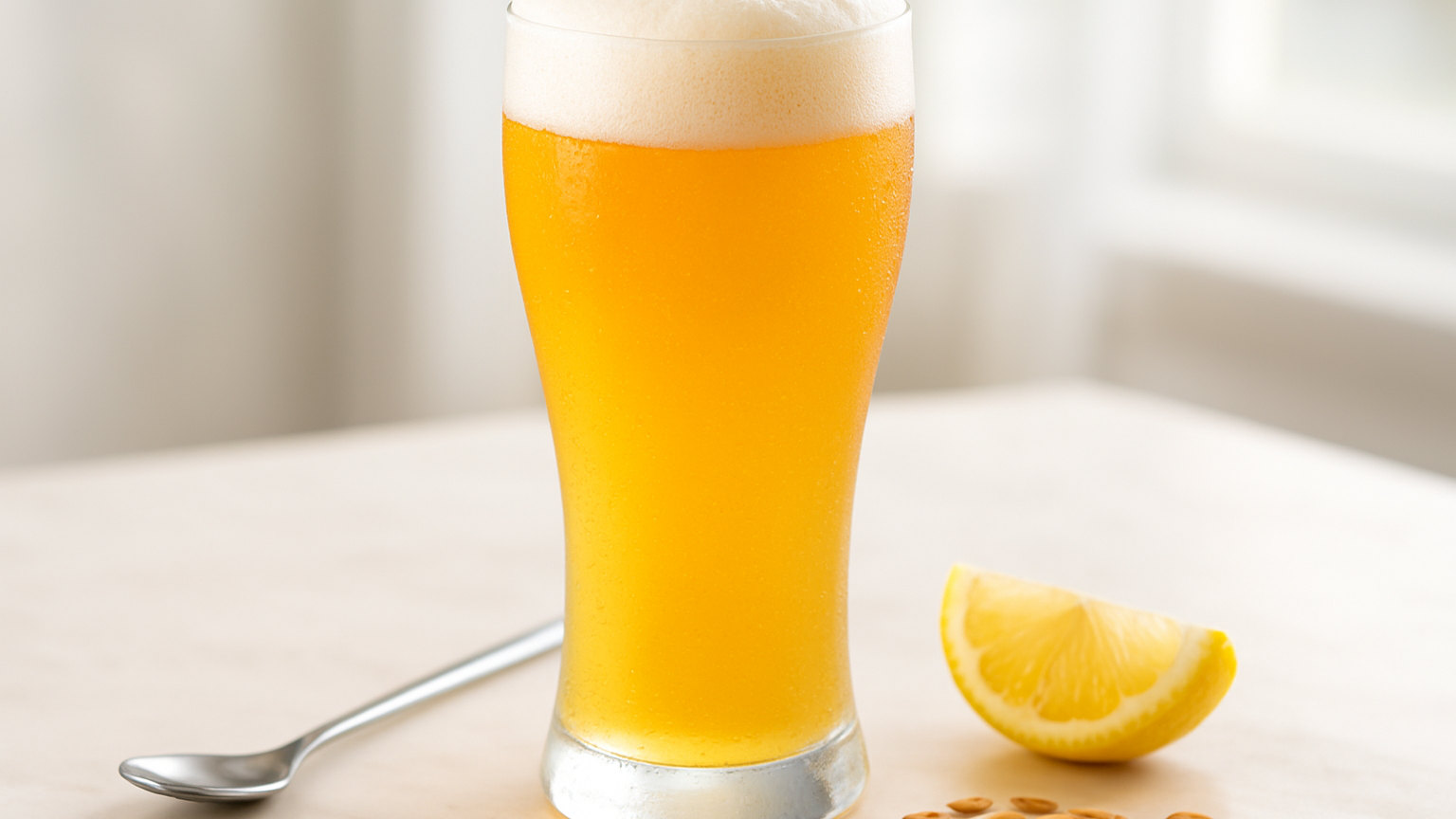
The lemon wedge on a German wheat beer is a bar convention that many brewers actively dislike, and there are technical reasons beyond mere purism.