What Do the Words on a Wine Label Mean?
Some terms on a wine label are legally defined and guarantee something specific, and a good many others are marketing that means nothing at all.
By Simply Alcohol Team
12 Aug 2026

Wine has more vocabulary attached to it than any other drink, and most of it exists to make buying harder rather than easier. These guides cover what the grape actually does, what a region tells you, how to taste without performing, and how to spend twelve pounds well.
Some terms on a wine label are legally defined and guarantee something specific, and a good many others are marketing that means nothing at all.
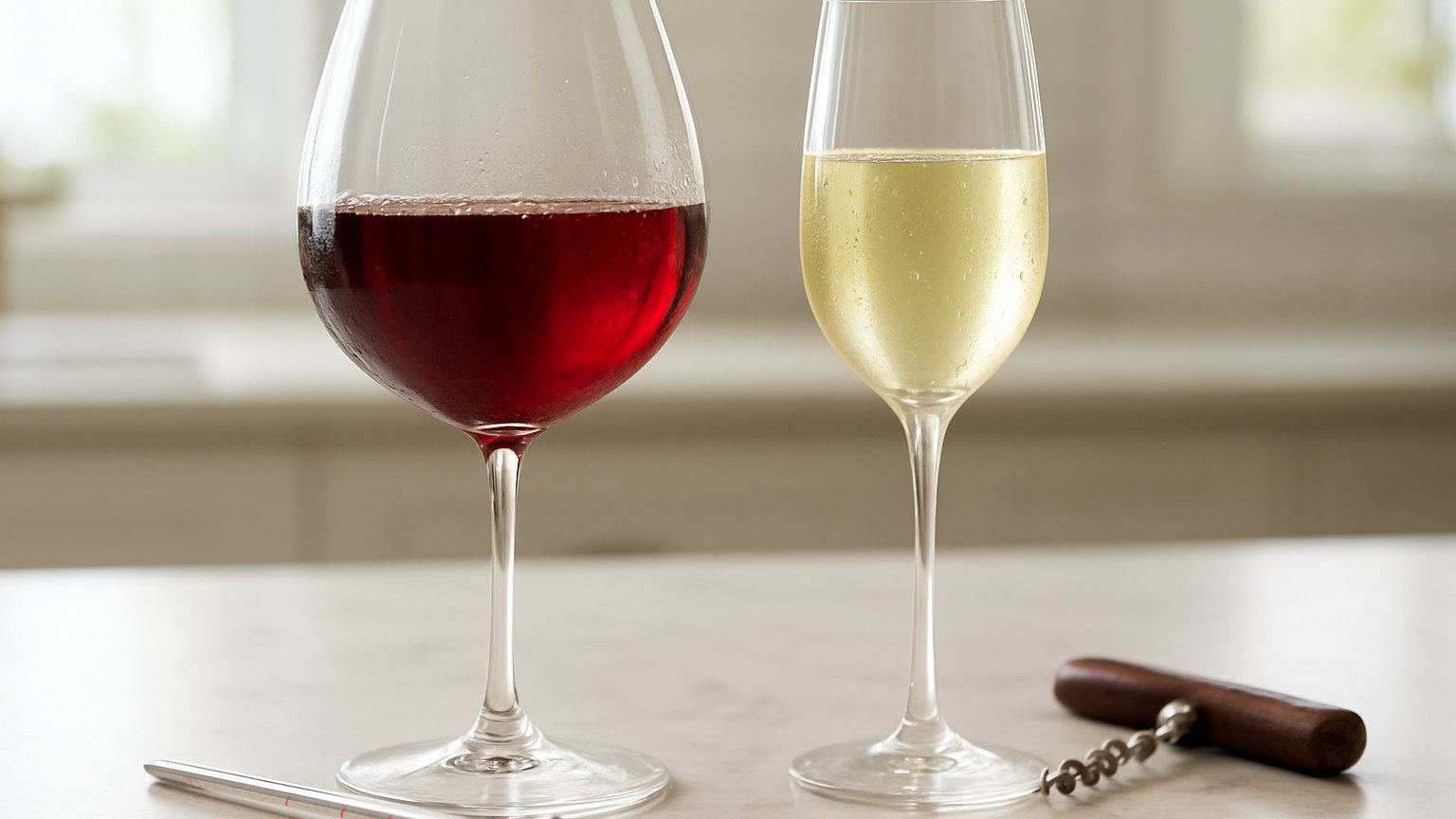
Most red wine is served too warm and most white too cold, and correcting both costs nothing and changes the wine more than decanting does.
Most of the useful information is on the back label rather than the front, and a small amount of knowledge about where the money goes changes what you buy.
Most wine in a British house is being kept longer than it should be, on the assumption that waiting improves things. For the overwhelming majority of bottles it does not.
A bottle contains a number of servings that depends entirely on the size of the glass, and free pouring in a large modern glass produces measures considerably bigger than most people intend.
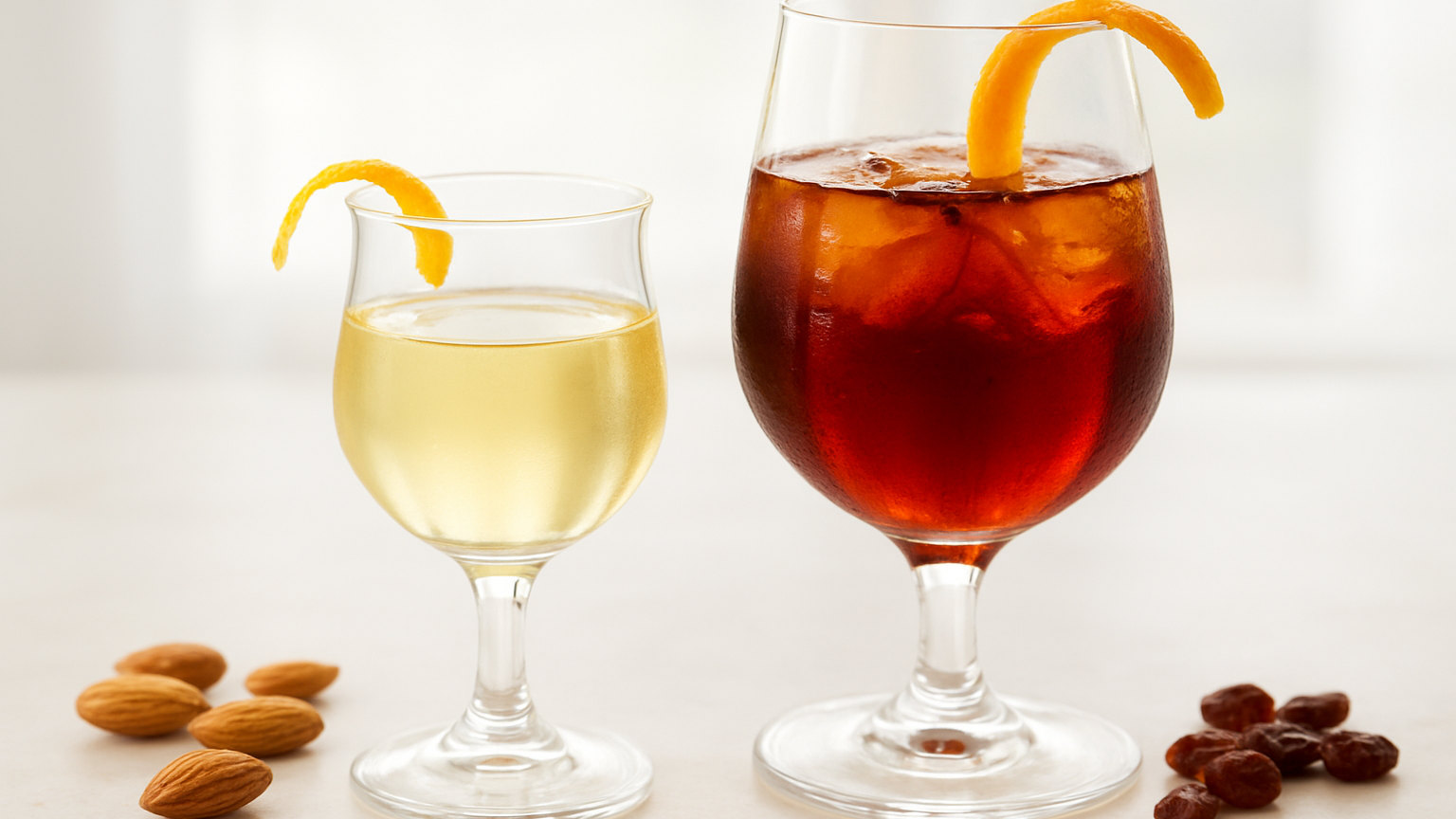
Fortified wine covers everything from bone dry and saline to thick and raisiny, so the first bottle depends entirely on what you already drink. Two purchases cover the ground.
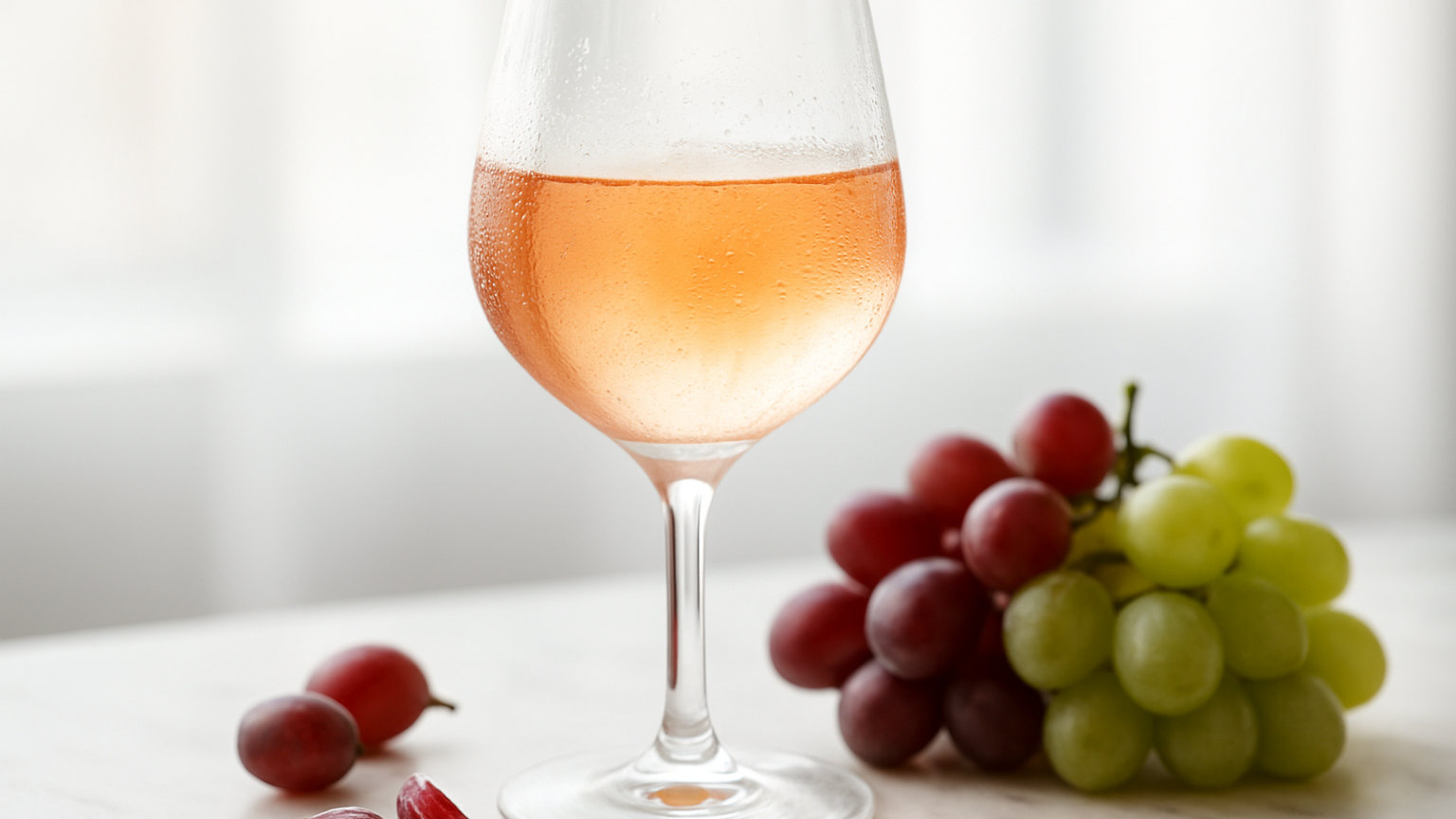
It is the most common assumption about rosé and it is wrong, to the point where the practice is illegal for still wine in Europe. The confusion is understandable and worth clearing up.
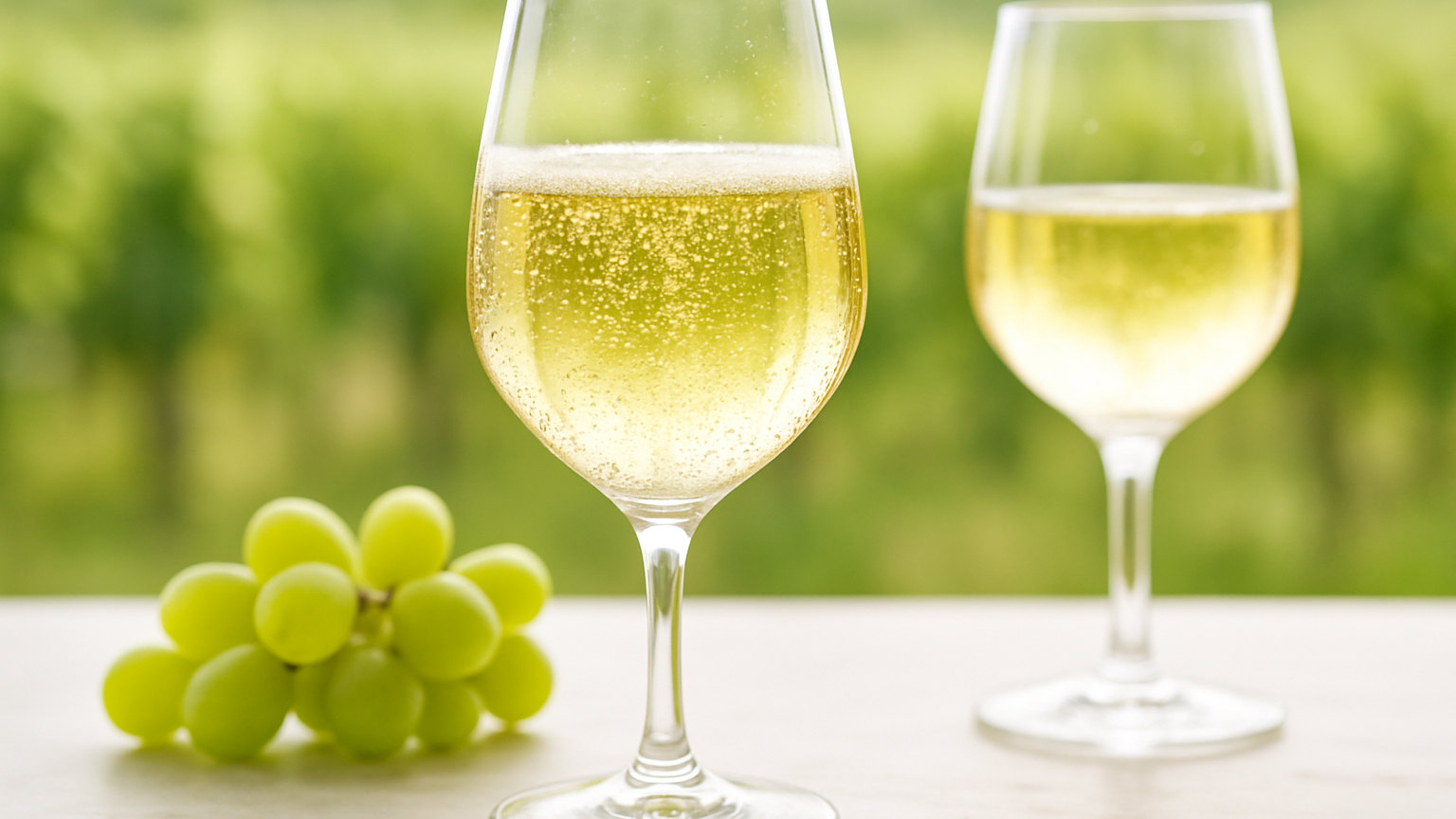
French sparkling wine made by the champagne method outside Champagne, from eight regions with their own grapes. It is consistently the best value traditional method wine in France.
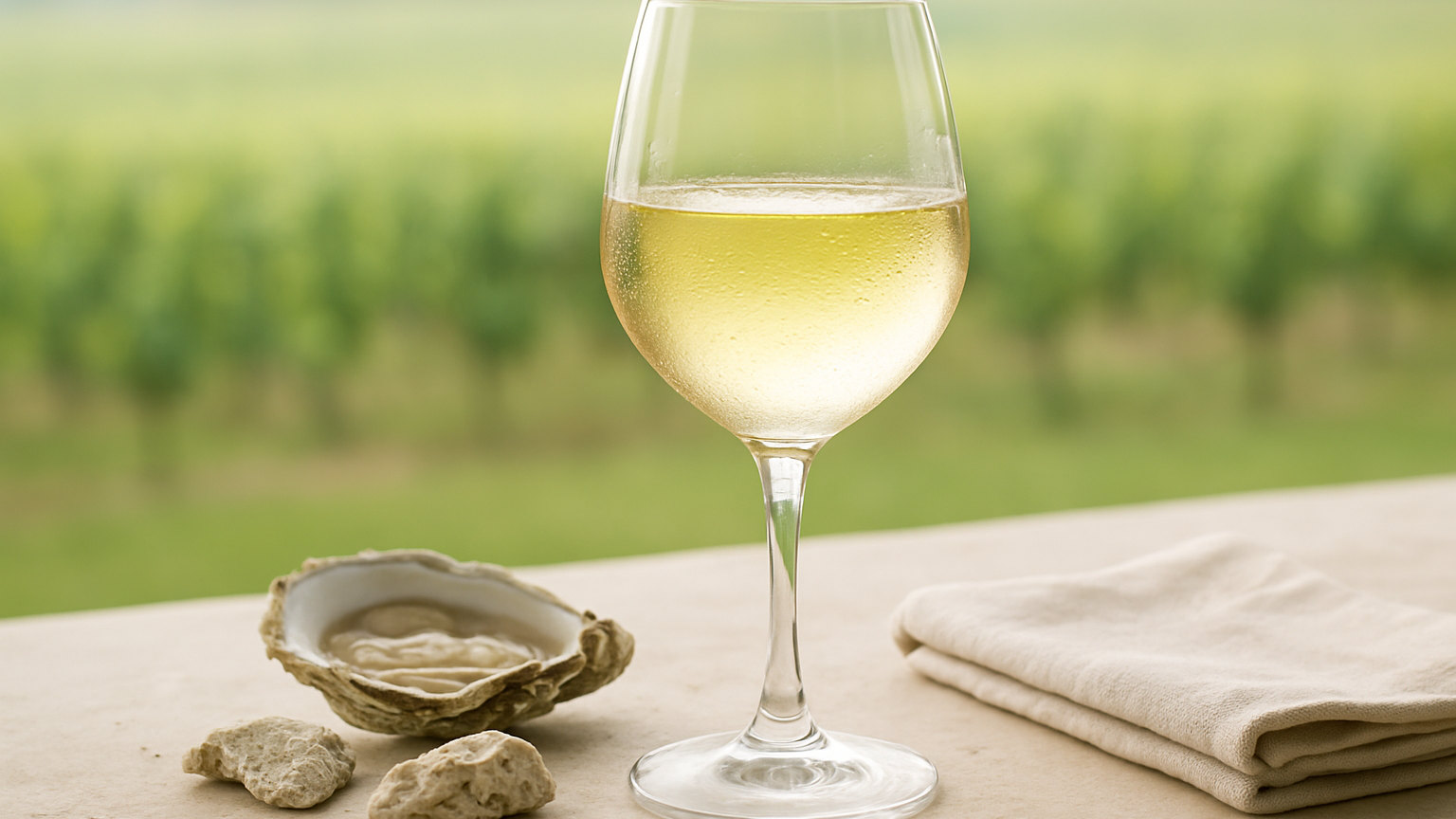
Chablis is chardonnay and tastes nothing like the chardonnay most people picture. The reasons are climate, an unusual seam of fossil-rich limestone, and a tradition of restraint.
Sulphites are the most blamed and least understood ingredient in wine. They are a preservative, they occur naturally in every bottle, and red wine contains less of them than white.
Buying wine before it is bottled was once a reliable way to pay less for the best bottles. The saving has become inconsistent, and the risks deserve more attention than they usually get.
Removing the label changes what people taste, which is either an unsettling finding or a liberating one depending on how much you have spent recently.