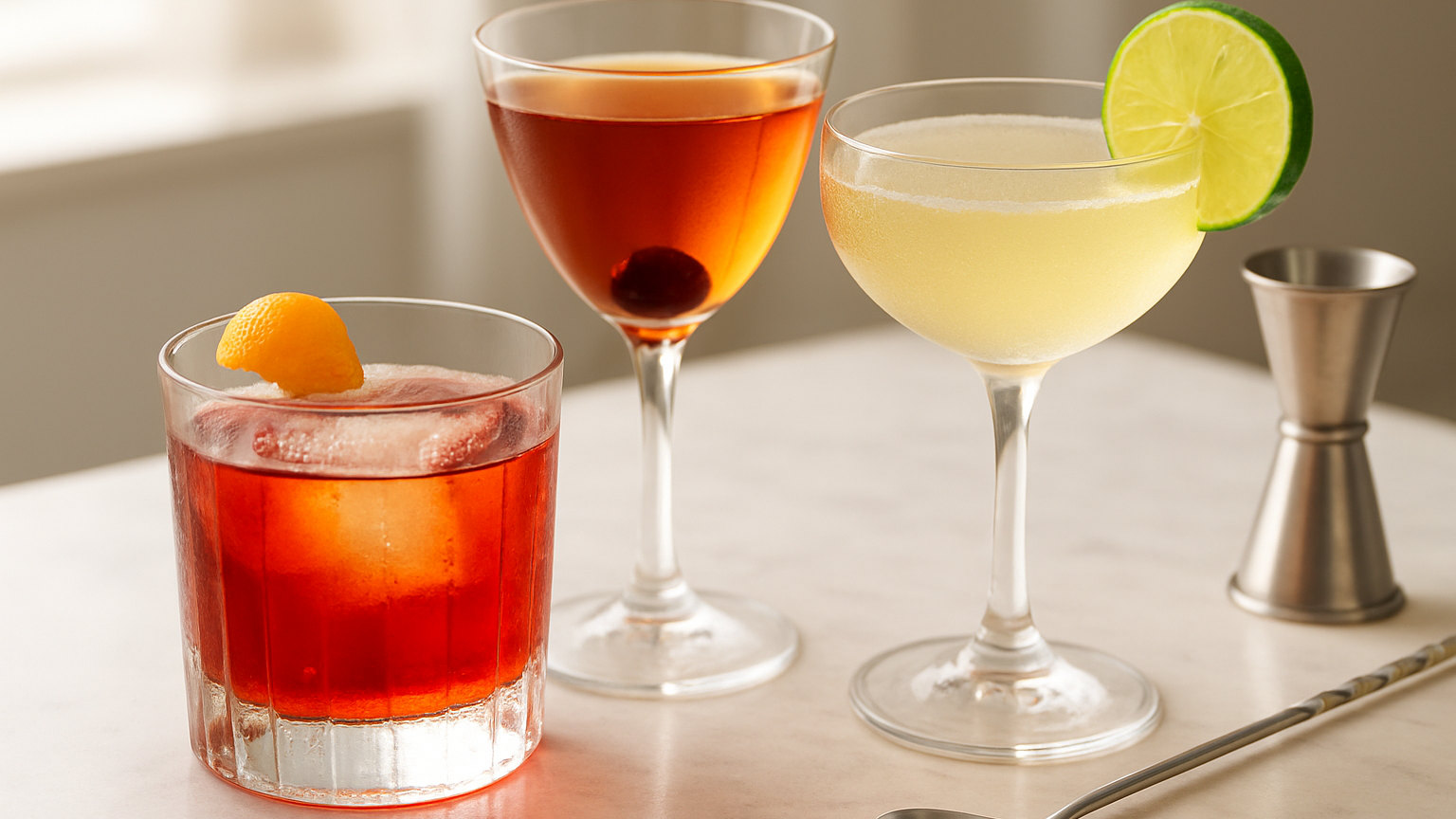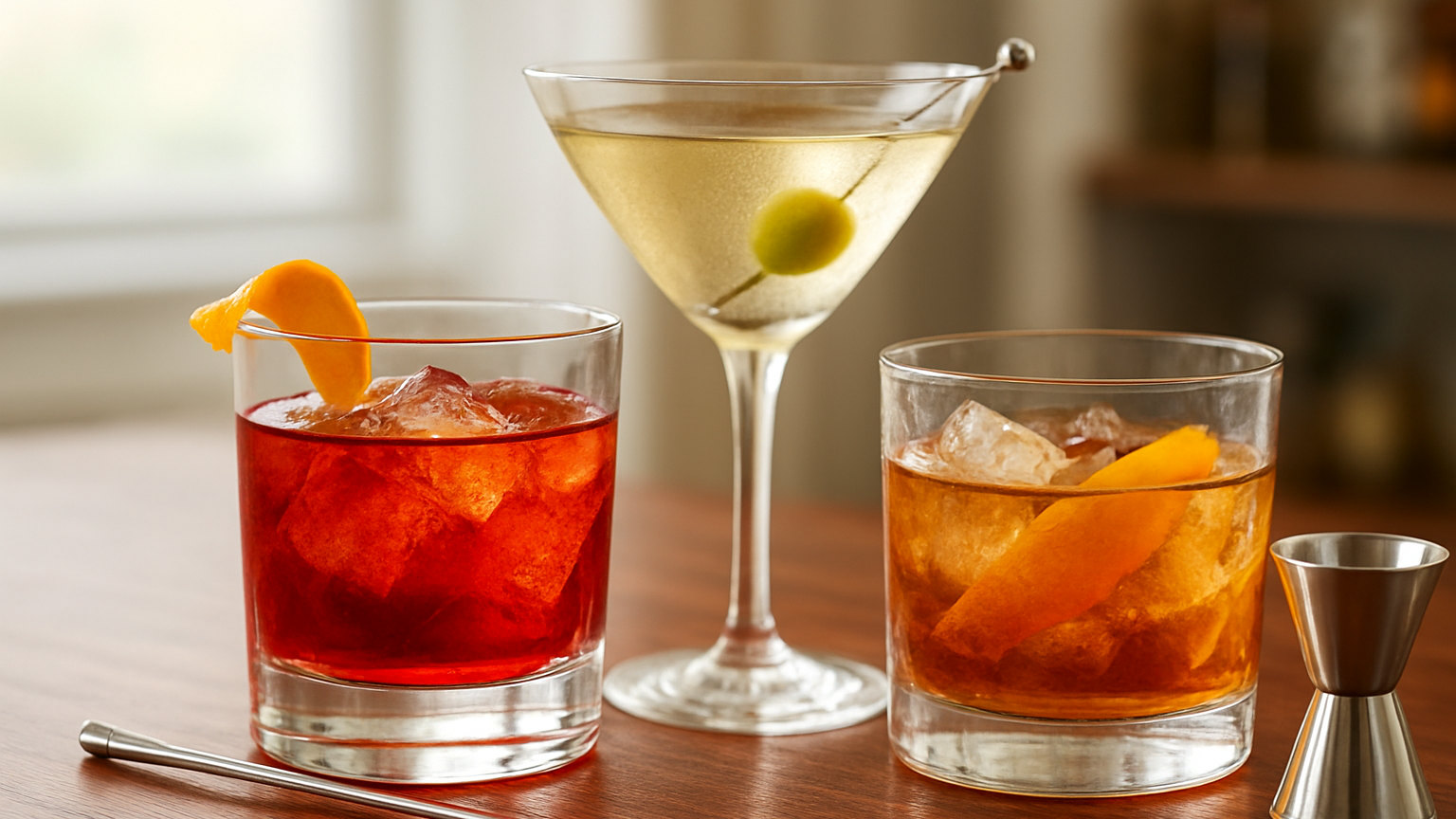
How Do You Make Cocktails Without a Shaker?
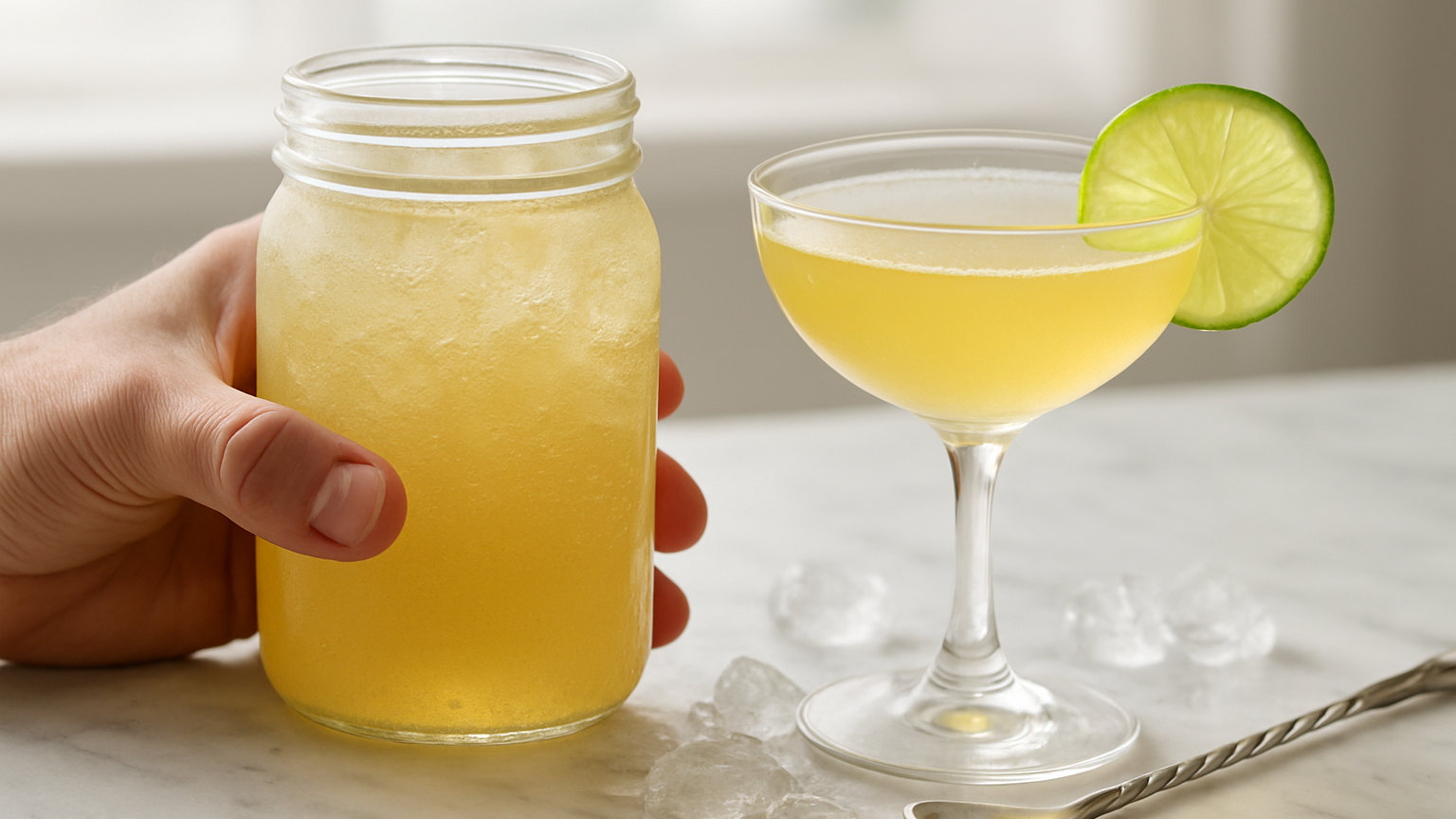
A jam jar shakes a drink perfectly well, and a good half of the classic canon should not be shaken at all, so the equipment gap is smaller than it looks.
Every recipe here is given in both ounces and millilitres, because a jigger marked one way and a recipe written the other is how good drinks get ruined. These guides cover the classics worth learning, the handful of templates that most cocktails are built on, and non-alcoholic drinks that are properly made rather than an afterthought.
A jam jar shakes a drink perfectly well, and a good half of the classic canon should not be shaken at all, so the equipment gap is smaller than it looks.
A surprising share of the classic canon is exactly three ingredients, and several of the best are equal parts, which removes the need to remember anything at all.
The same dozen drinks dominate bar lists worldwide, and most of them are simple enough to make at home with two or three bottles.
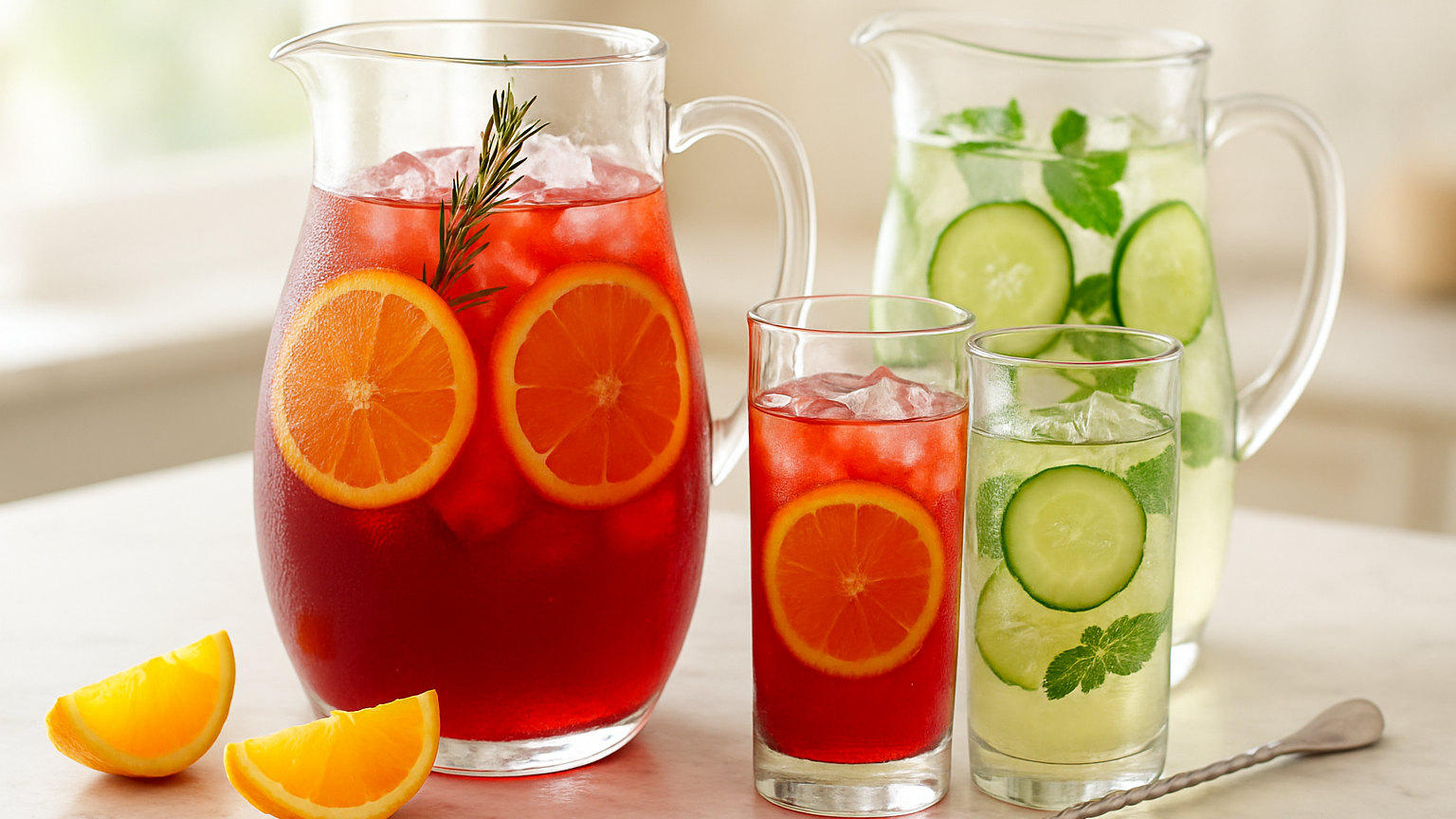
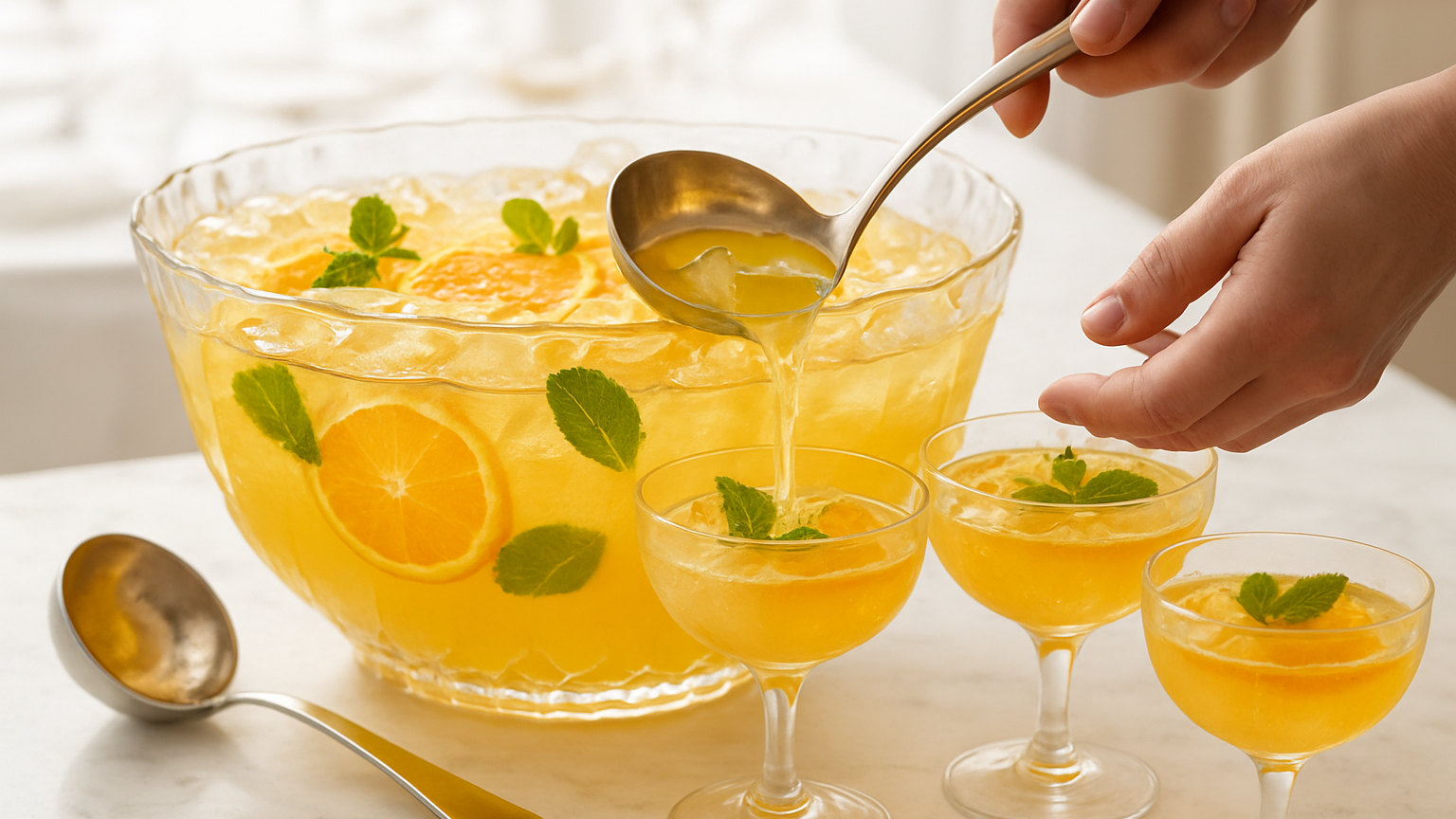
For six or eight people, one batched drink and one good non-alcoholic option covers the evening, and the choice matters more than the quantity.
Specifying what you want is normal rather than difficult, and a short sentence gets you a considerably better drink than accepting a house default.
Sensitivity to acid varies genuinely between people, and a ratio that reads as perfectly balanced to one drinker is punishing to another. Neither is wrong.
A small, well chosen set of bottles produces more good drinks than a large collection, and half of what matters is not alcohol at all.
A drink with no spirit in it can cost almost as much as one with, and the objection is reasonable. So is a good deal of the explanation.
Bars produce a surprising amount of waste, most of it from citrus, ice and garnish, and the techniques developed to address it turn out to make better drinks.
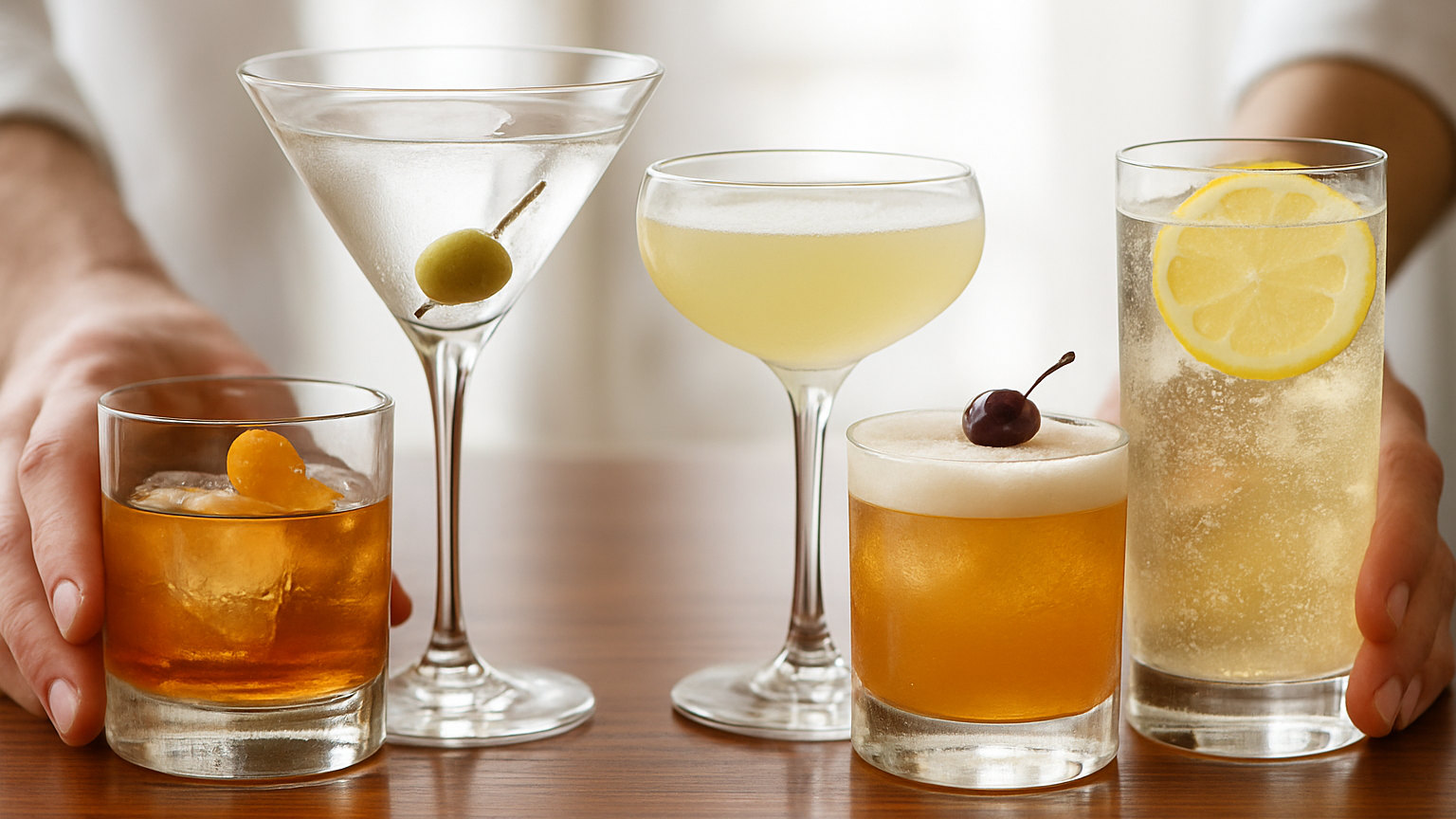
Five drinks cover the main structures, and learning them in order teaches the templates that every other cocktail is built on.
Scaling from fifteen servings to a hundred and fifty changes the logistics entirely, and the failures at that size are practical rather than culinary.
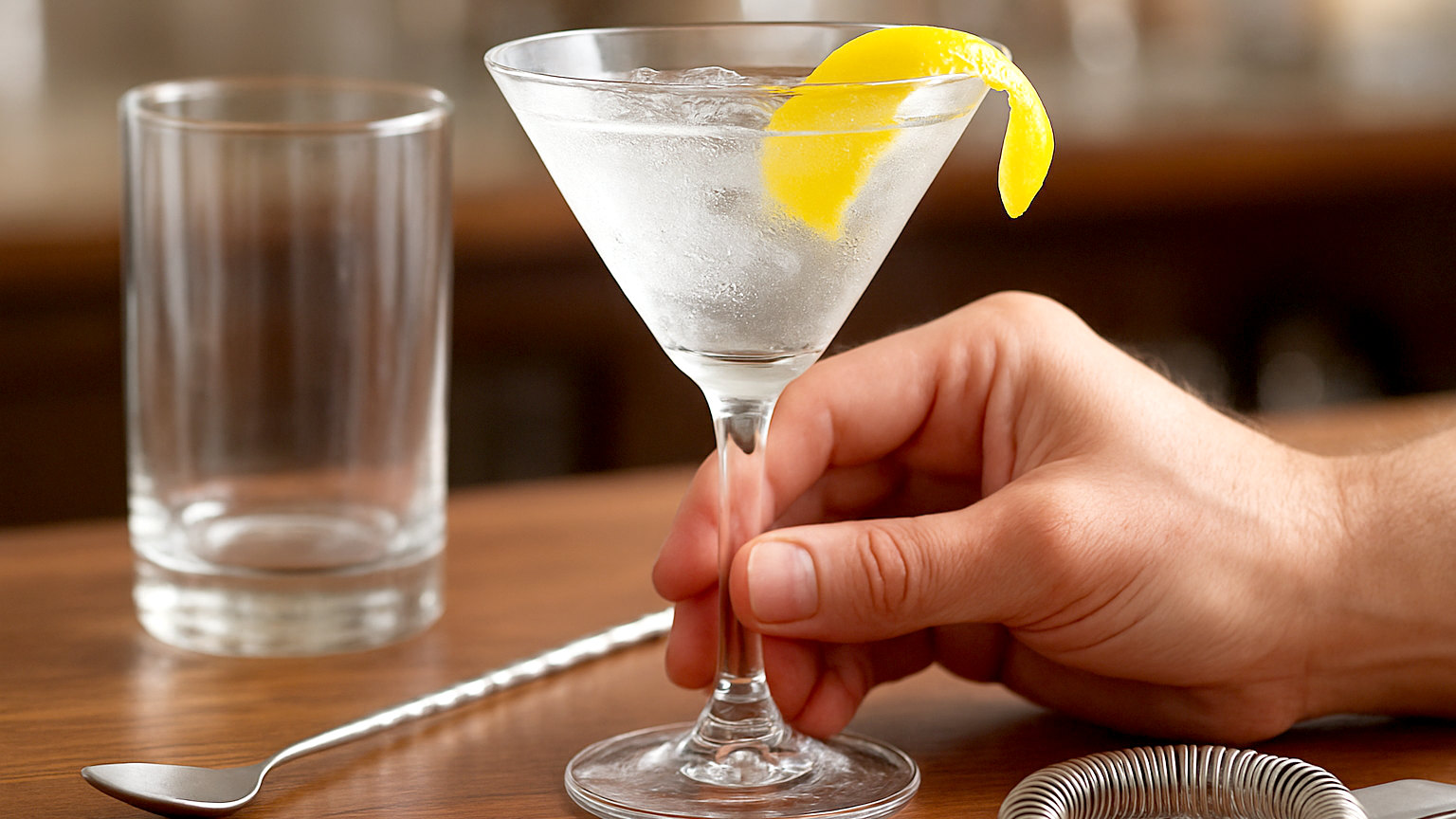
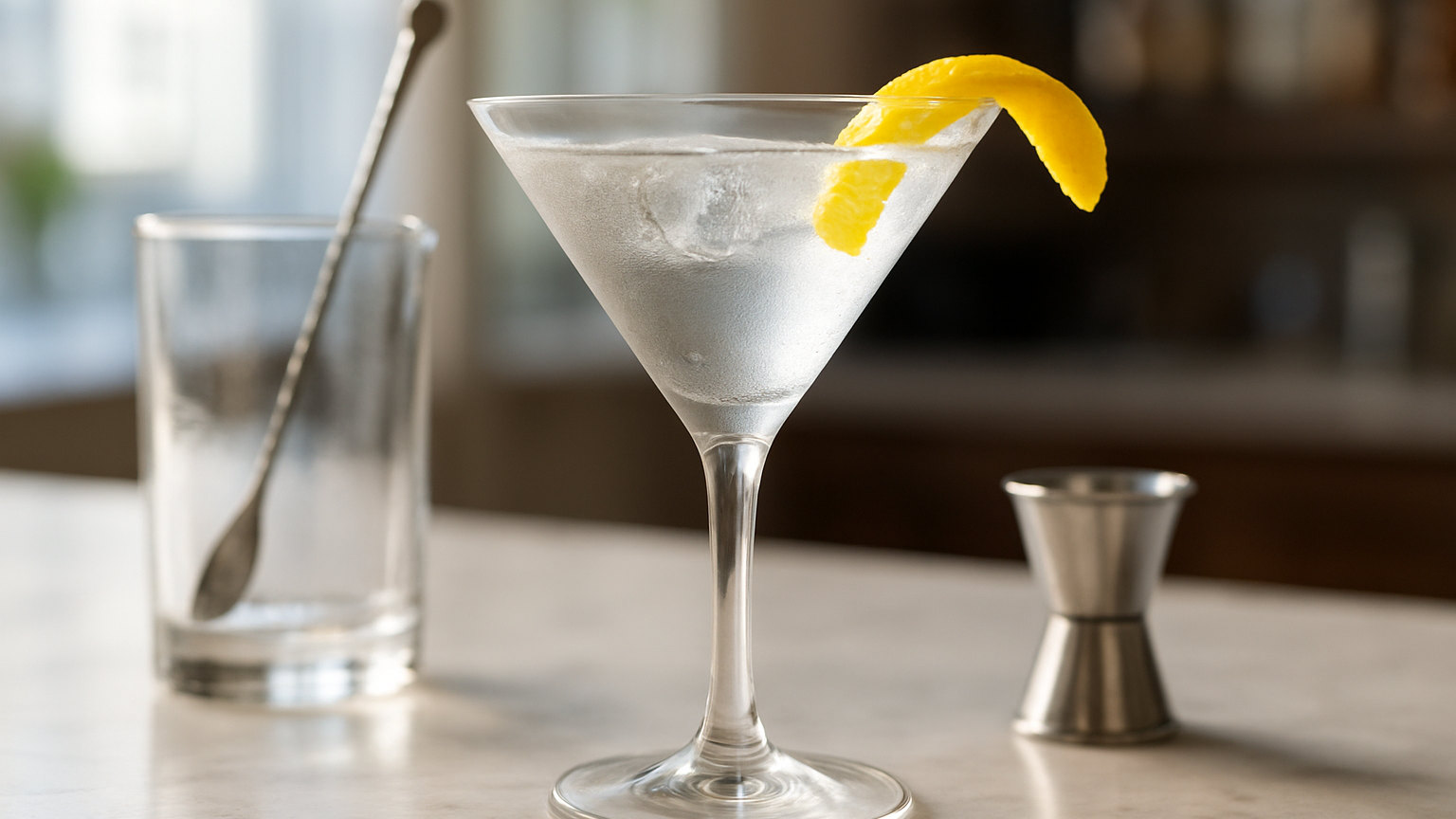
A martini contains more alcohol than most people assume and considerably more than a glass of wine. Knowing the arithmetic changes how you order.