Do Garnishes Actually Change the Taste?
Some do, measurably, and some work entirely through expectation. Both effects are real, and it is worth knowing which is operating.
By Simply Alcohol Team
6 Aug 2026

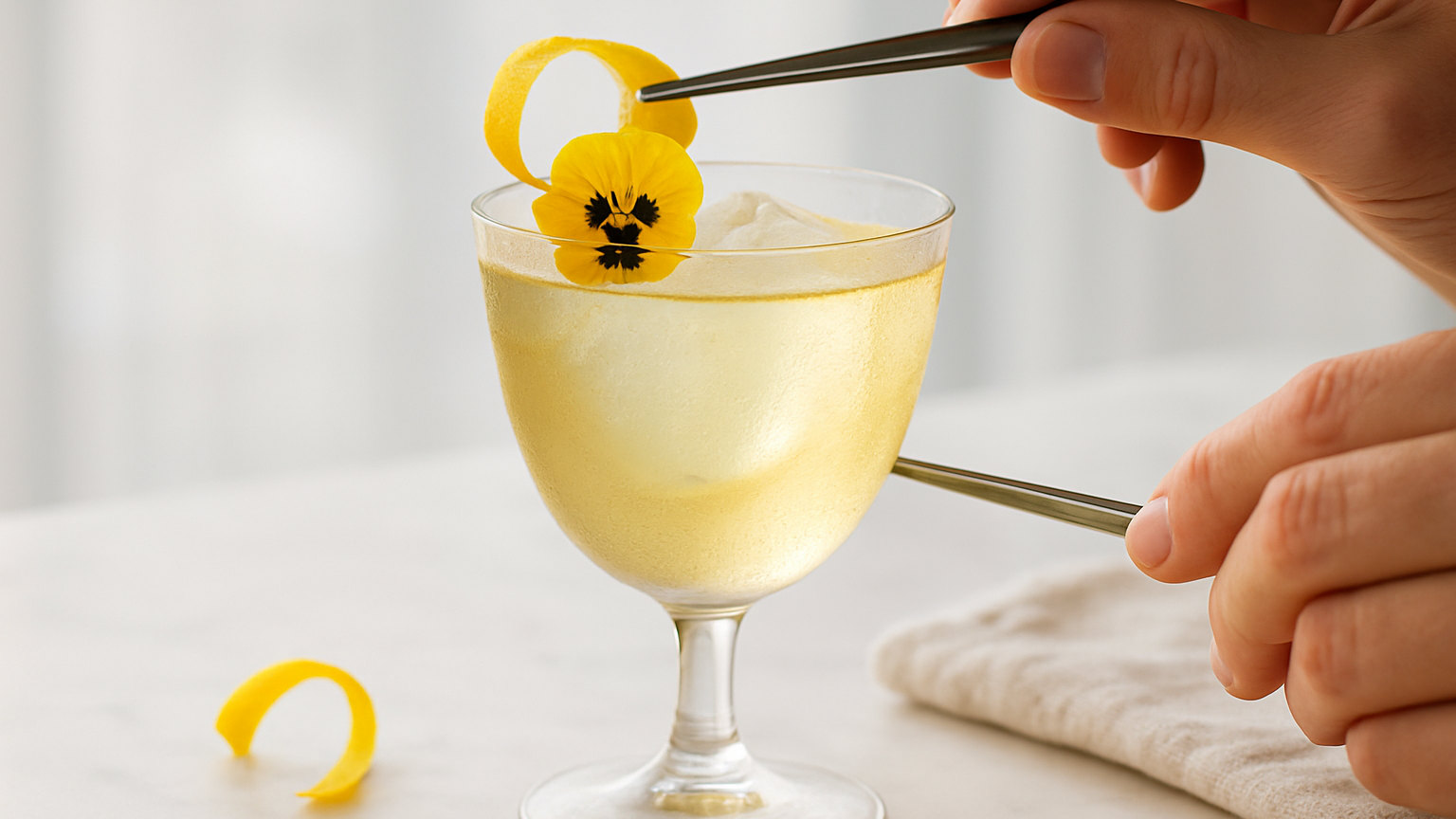
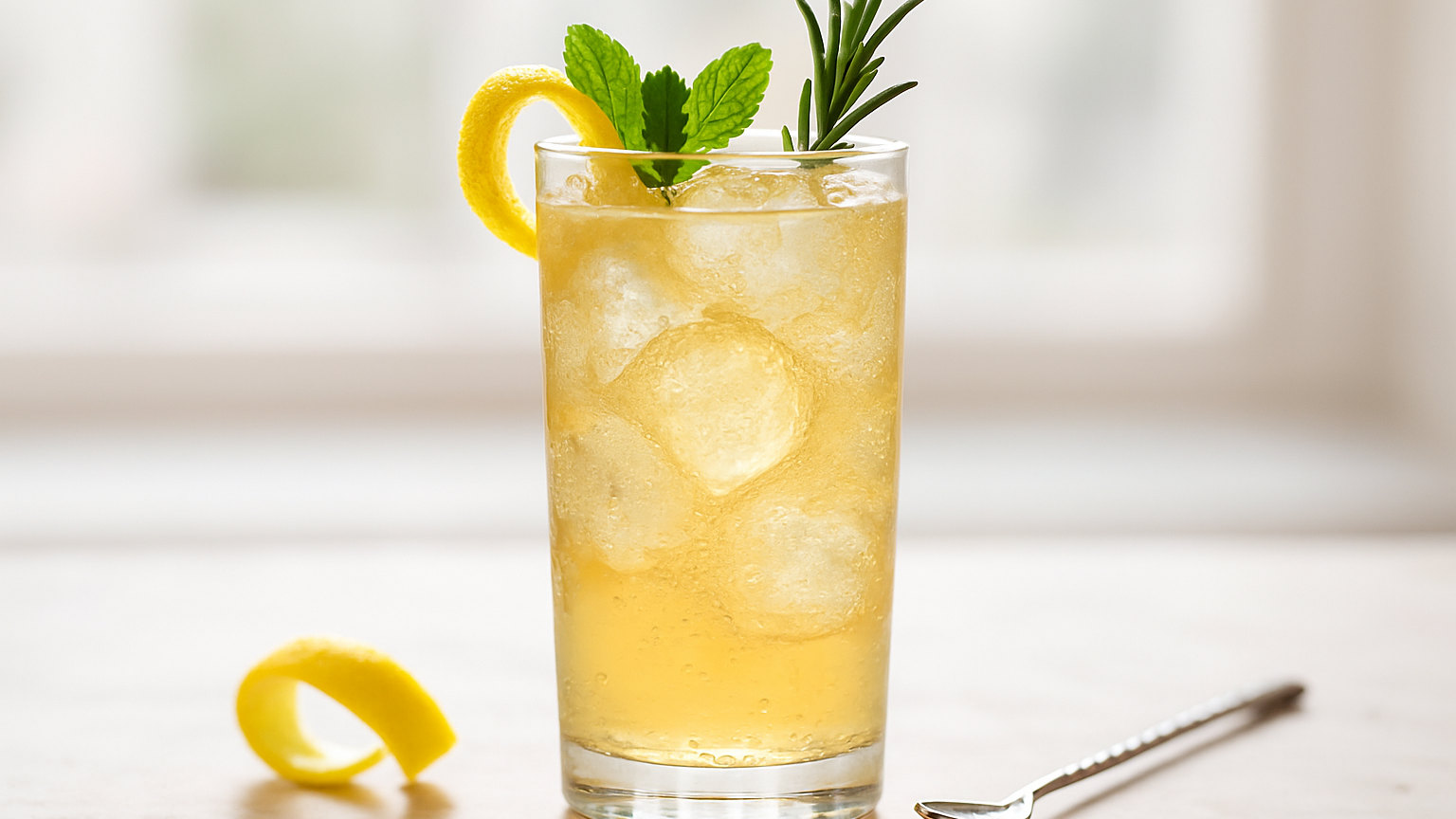
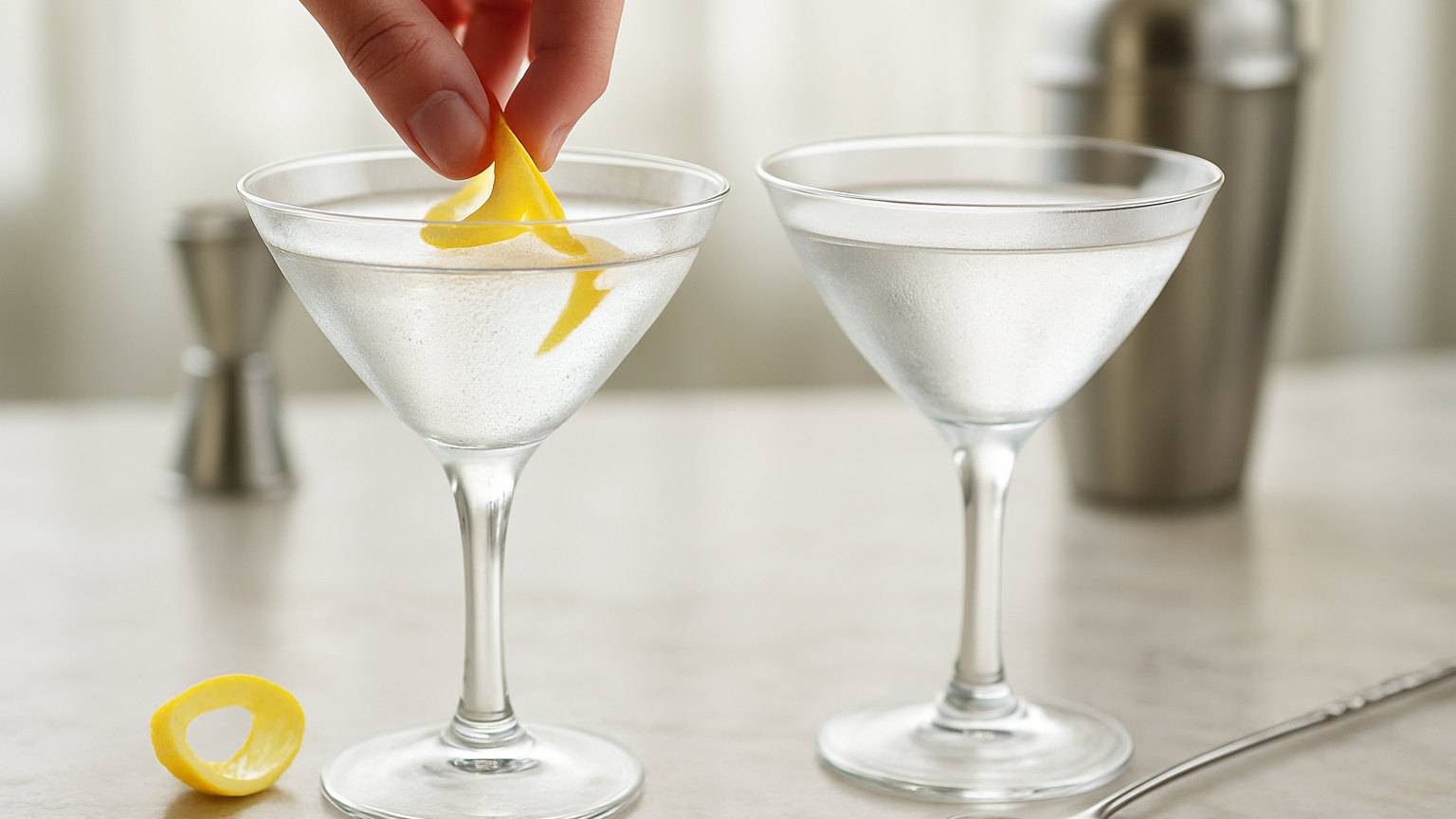
Citrus twists and oils, why a garnish is usually aromatic rather than decorative, and when to skip it.
Some do, measurably, and some work entirely through expectation. Both effects are real, and it is worth knowing which is operating.
A small number of details separate a drink that looks made from one that looks poured, and none of them takes more than a few seconds.
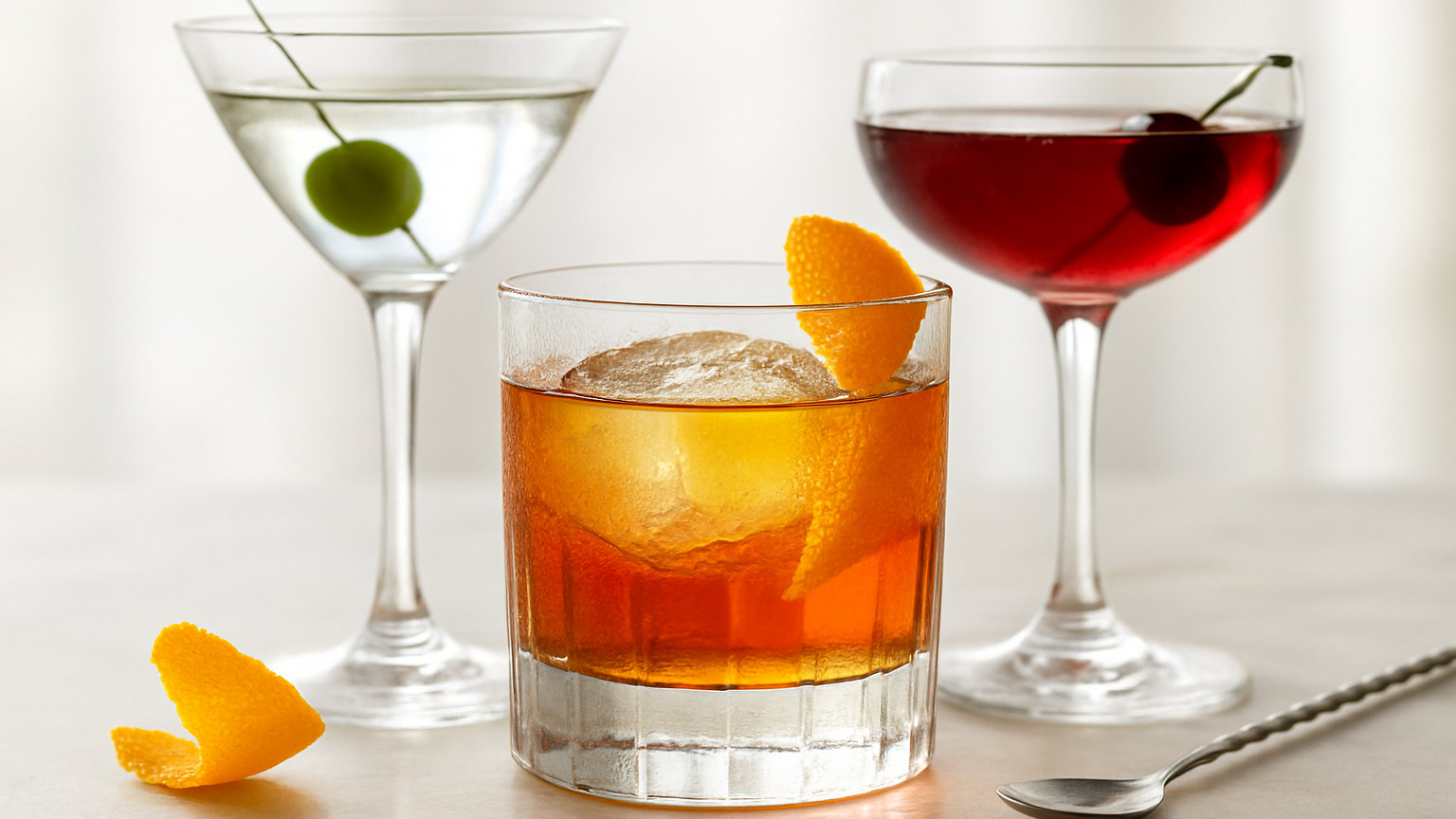
Most classic drinks have a conventional garnish, and the conventions are worth knowing because most of them have a reason behind them.
Garnish is where a great deal of drink waste happens, and most of it is fruit cut for appearance and thrown away untouched.
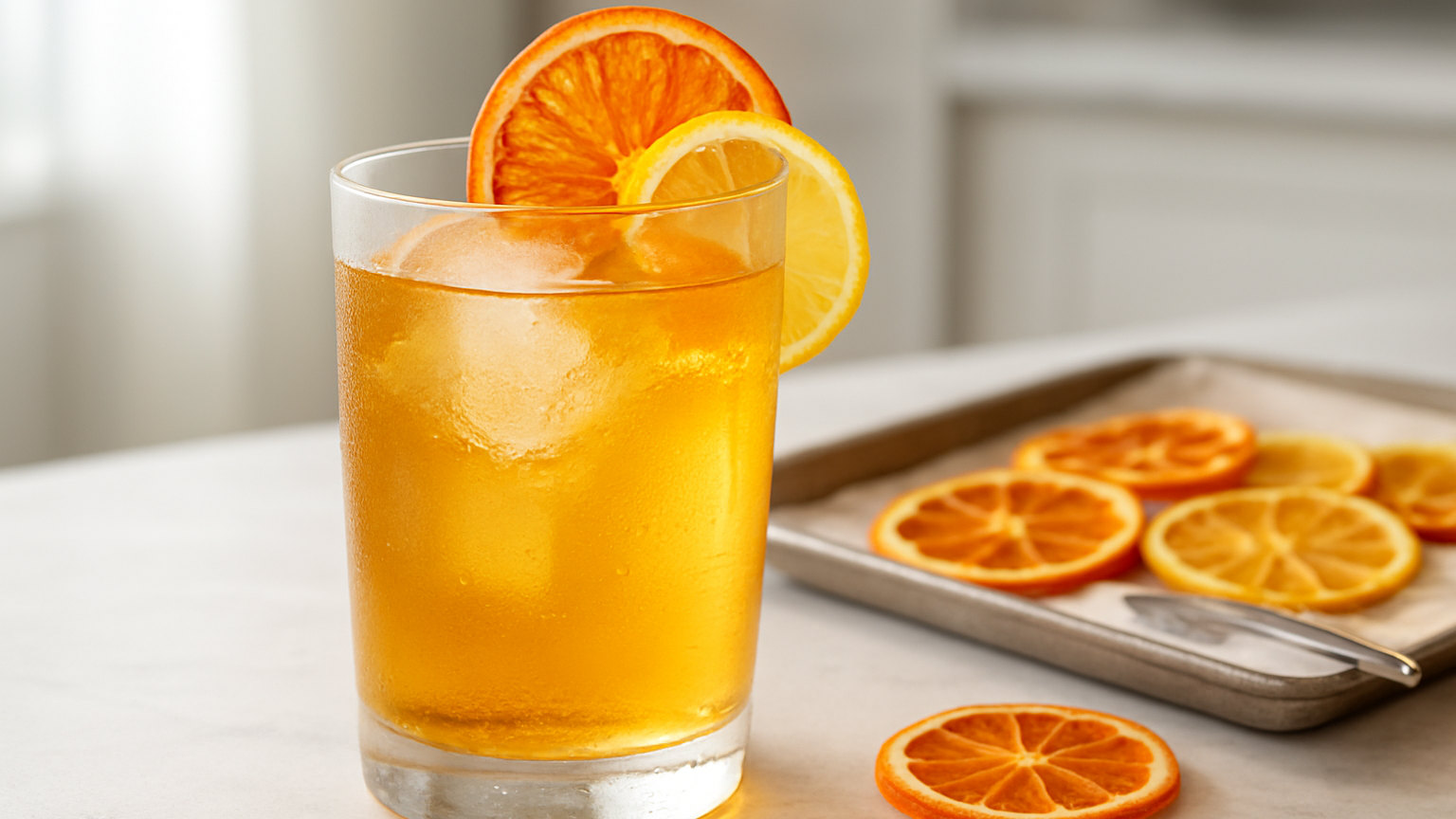
Dried citrus keeps for months, looks striking and requires no preparation on the day, which makes it the one garnish worth making in advance.
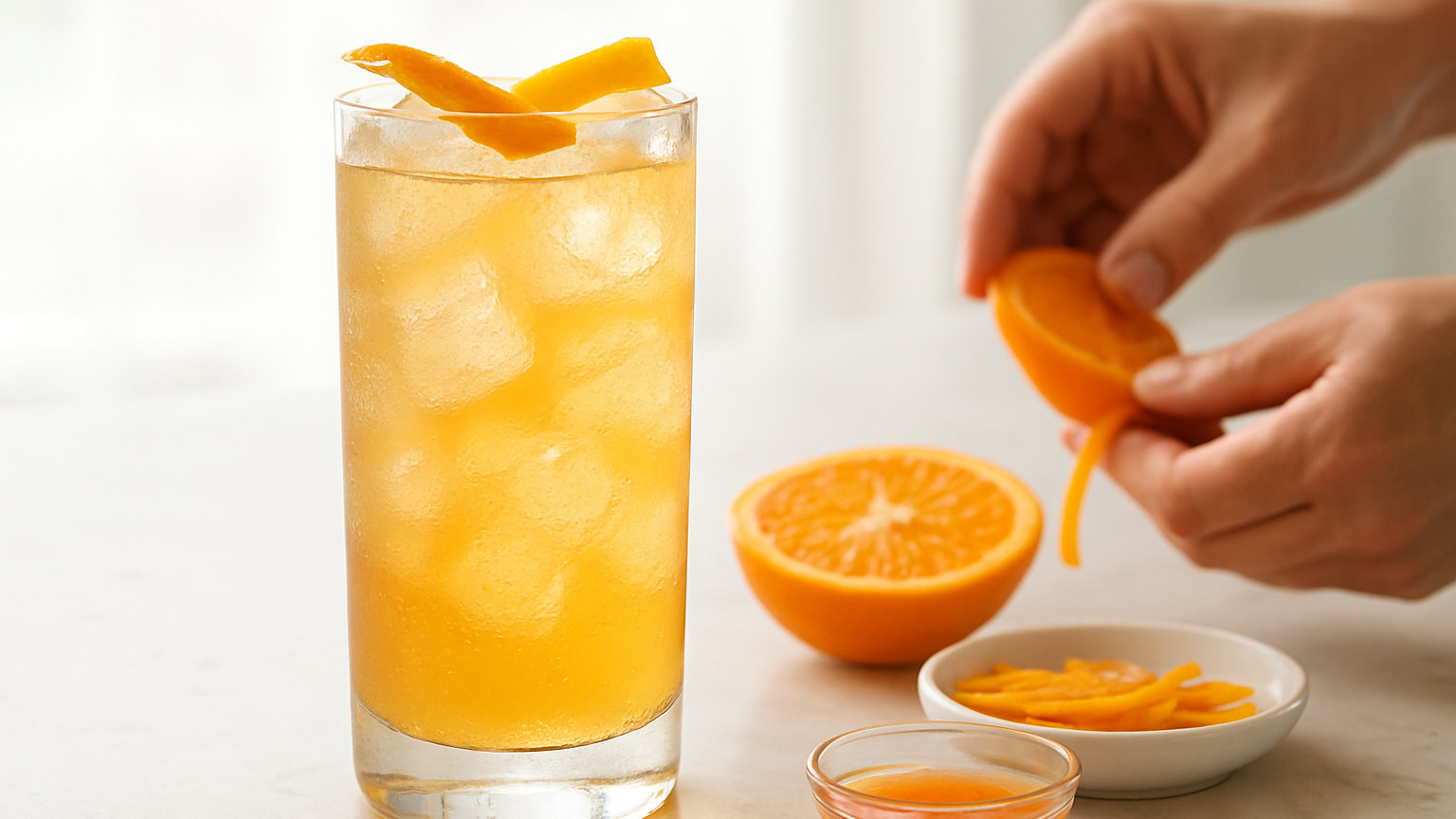
Aroma is the quality a non-alcoholic drink is shortest of, which makes the garnish do proportionally more work than it does in a cocktail.
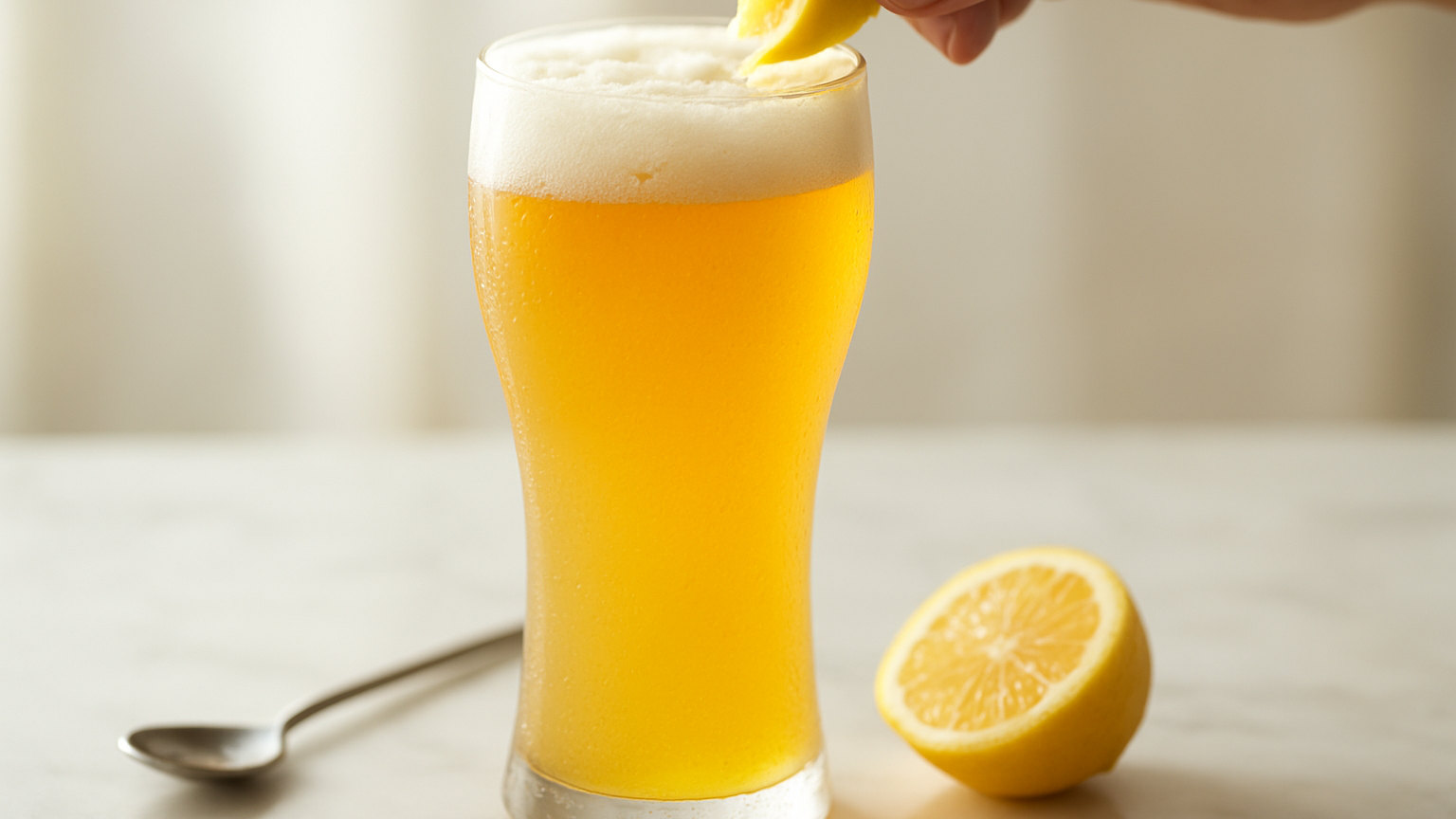
The lemon wedge on a wheat beer has a technical problem behind the cultural objection, and citrus oil is what destroys a beer head.
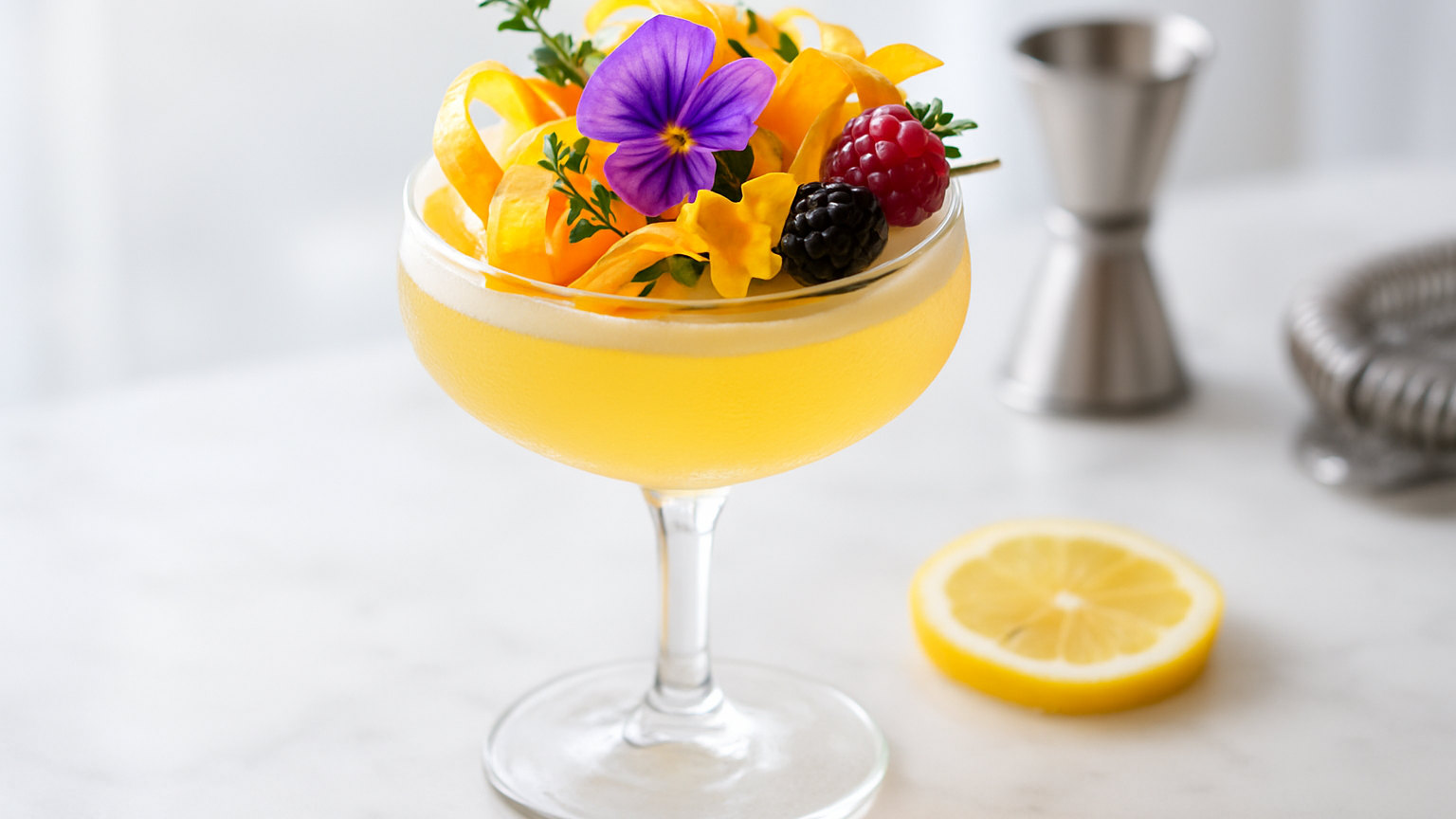
Presentation genuinely affects how a drink is received, and beyond a certain point the garnish starts working against the thing it is decorating.
Some garnishes can be cut hours ahead and some lose their point within thirty minutes, and knowing which is which determines how a party runs.
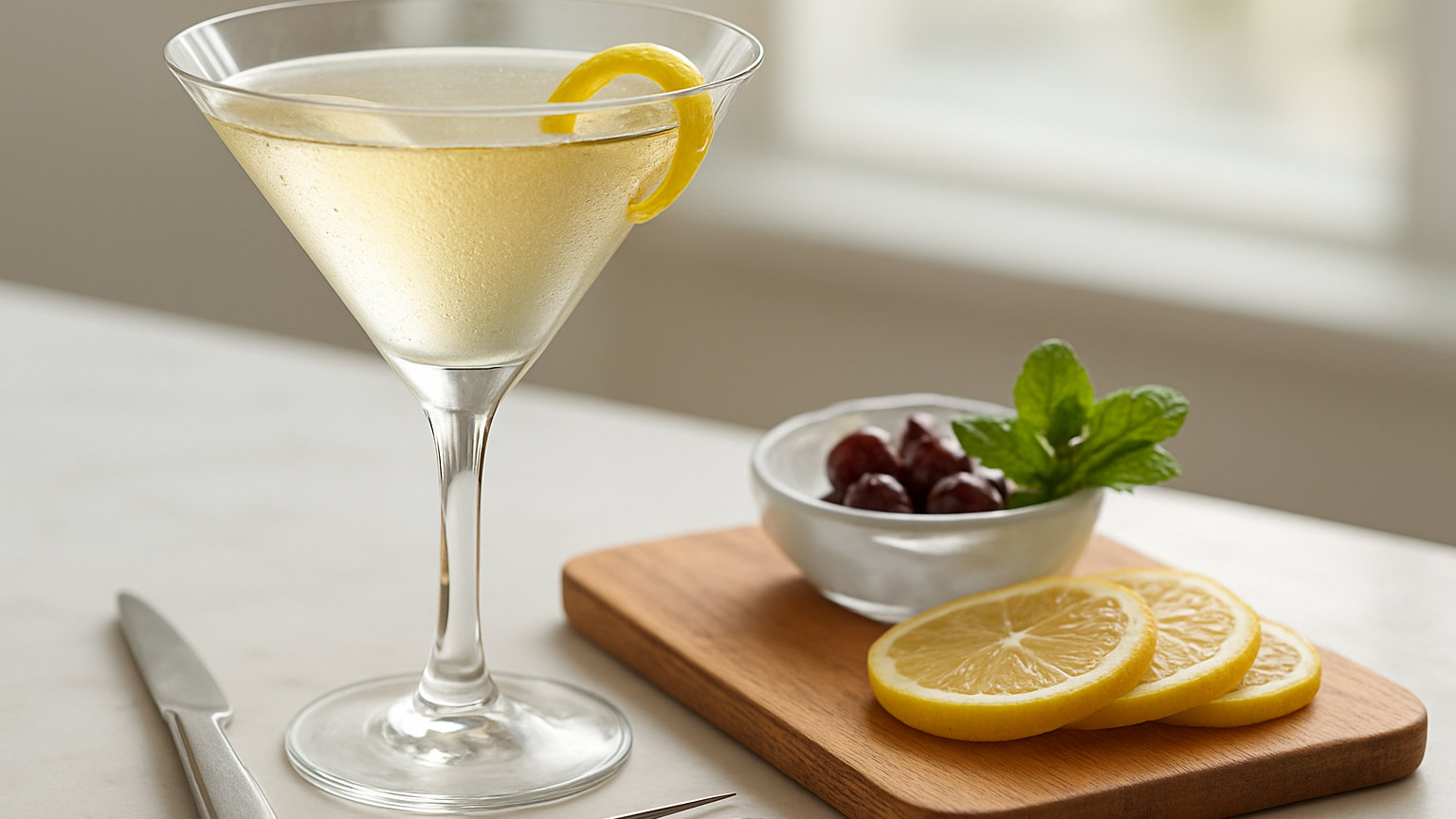
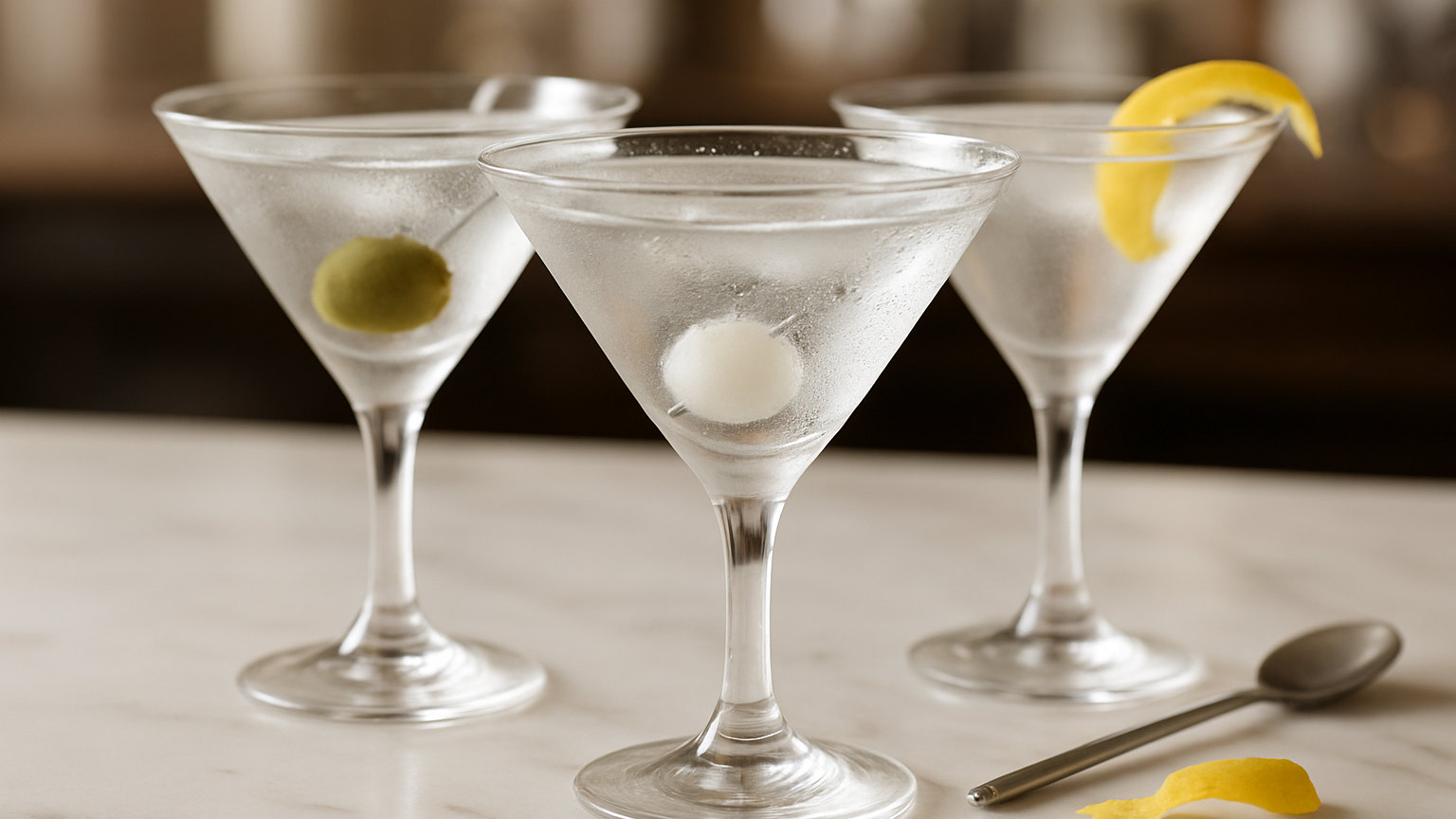
The three standard martini garnishes produce three genuinely different drinks, and the choice is a decision about the cocktail rather than about decoration.
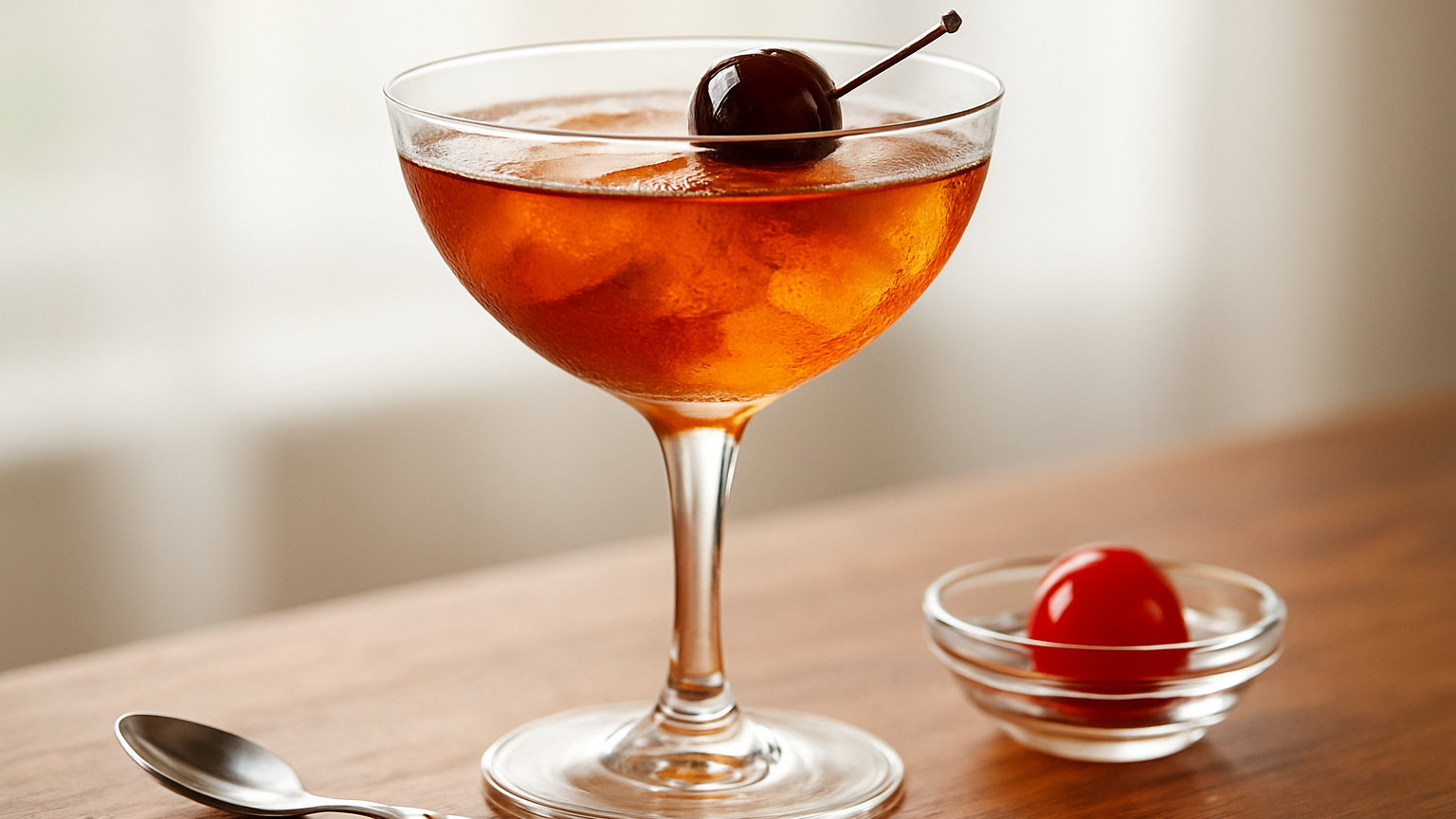
The bright red confectionery cherry and a proper preserved one are entirely different products, and the cherry is the last thing you taste.
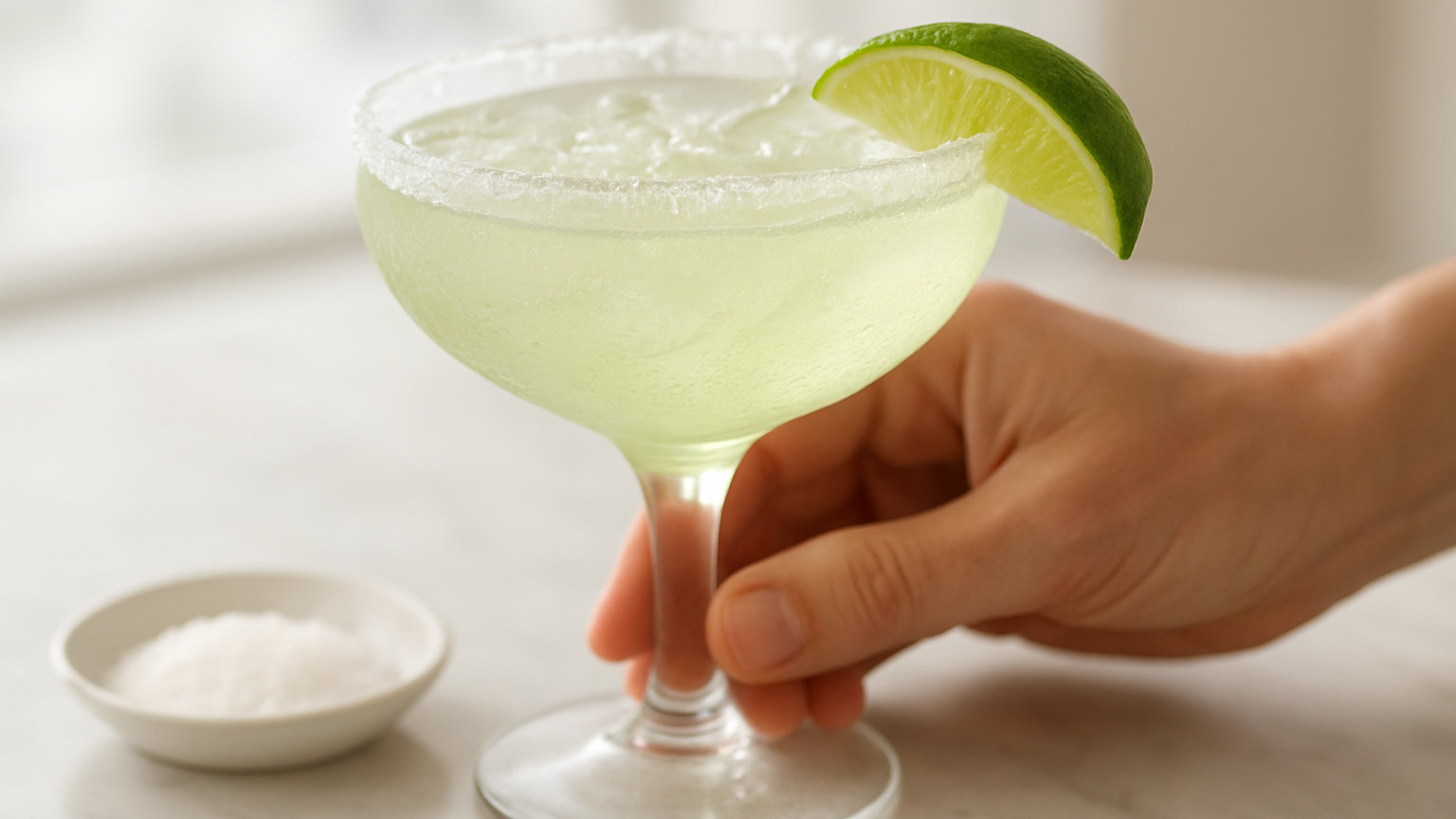
Coating the outside of the rim is correct and coating the inside is the mistake almost everyone makes, since it turns the drink progressively saltier.