What Is Cremant, and Is It Worth Buying?
French sparkling wine made by the champagne method outside Champagne, from eight regions with their own grapes. It is consistently the best value traditional method wine in France.
Champagne, prosecco, cava and English sparkling - how the bubbles get there, and what you pay for.
French sparkling wine made by the champagne method outside Champagne, from eight regions with their own grapes. It is consistently the best value traditional method wine in France.
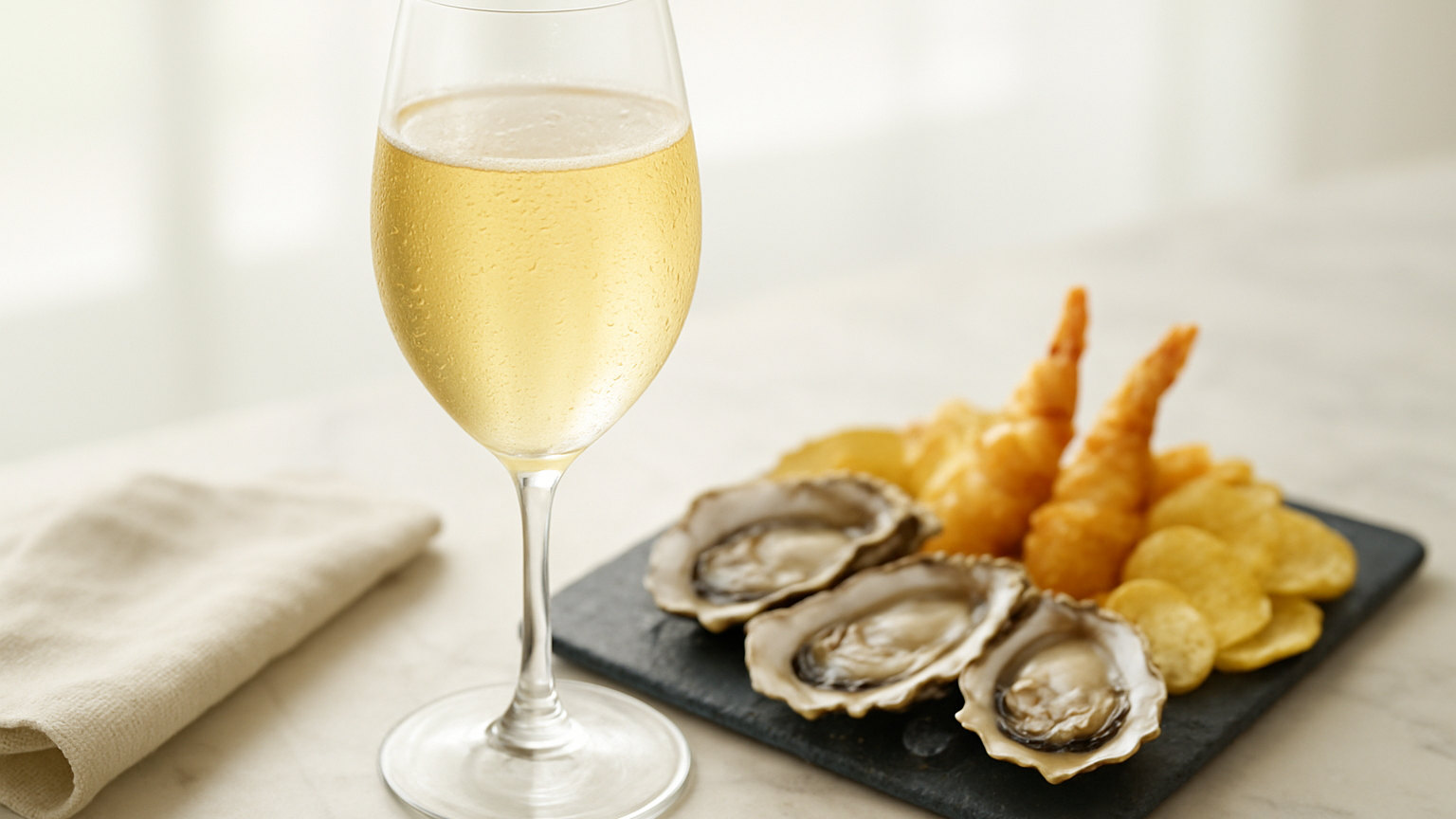
Sparkling wine is treated as something to drink before dinner and then abandon. It is one of the most versatile food wines made, and the reasons are structural.
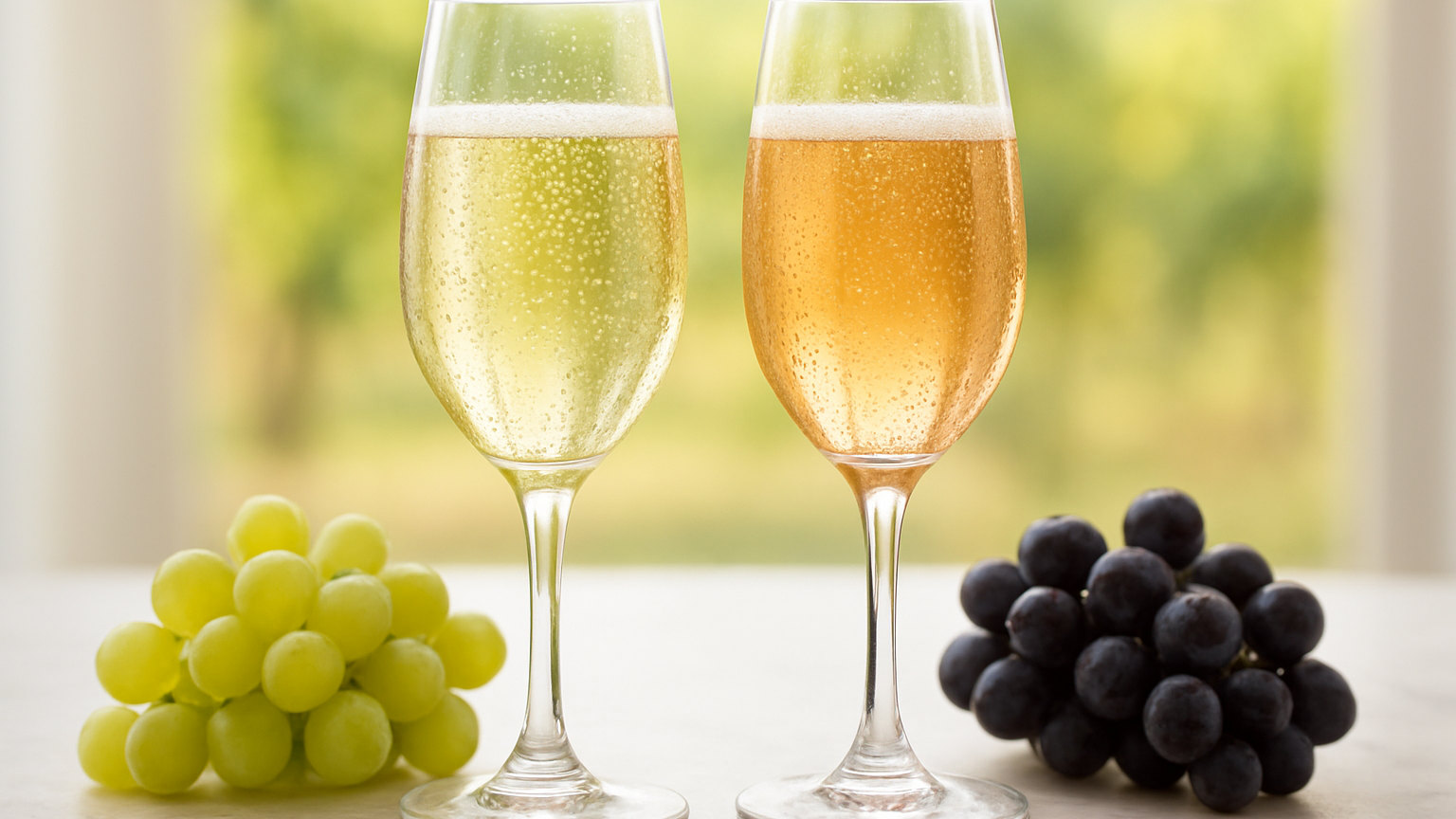
Two French phrases that appear on sparkling wine labels and describe the grapes used rather than any quality level. One of them explains how white wine is made from black grapes.
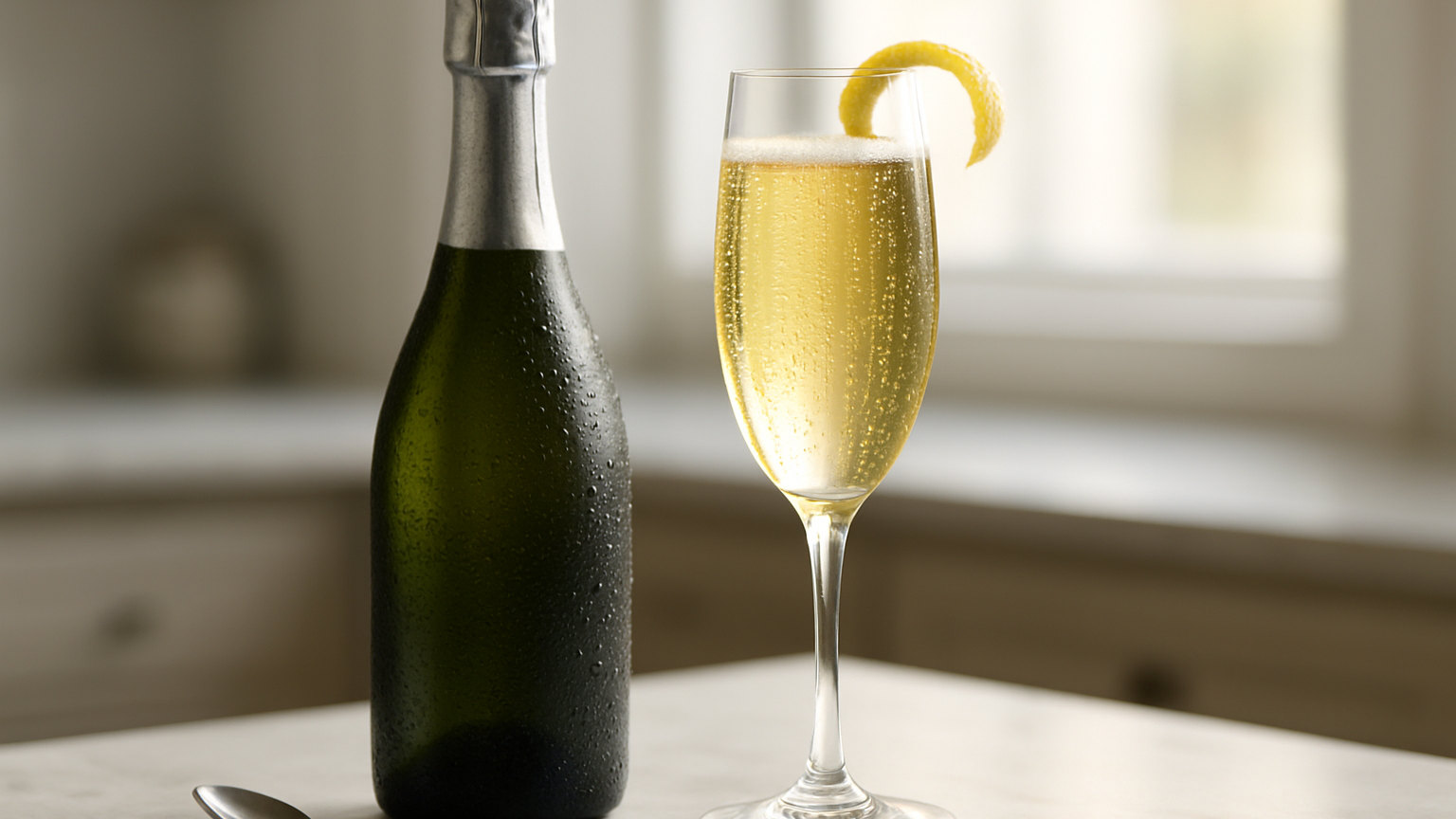
The teaspoon in the neck does nothing, and has been tested. A proper stopper and a cold fridge will keep a bottle drinkable for several days, which is longer than most people assume.
Most sparkling wine is released ready to drink and gets no better in a cupboard. A minority improves for decades, and knowing which is which saves both money and disappointment.
Most champagne is made by houses that buy their grapes. A growing number of producers farm their own vines and make their own wine, and two tiny letters on the label tell you which is which.
The gap between a supermarket own-label champagne and a prestige cuvée is enormous, and only part of it is explained by what is in the bottle. The rest is worth understanding before you spend.
Most champagne carries no year at all, and that is a deliberate choice rather than an omission. Blending across vintages is the house's signature, and a dated bottle is the exception.
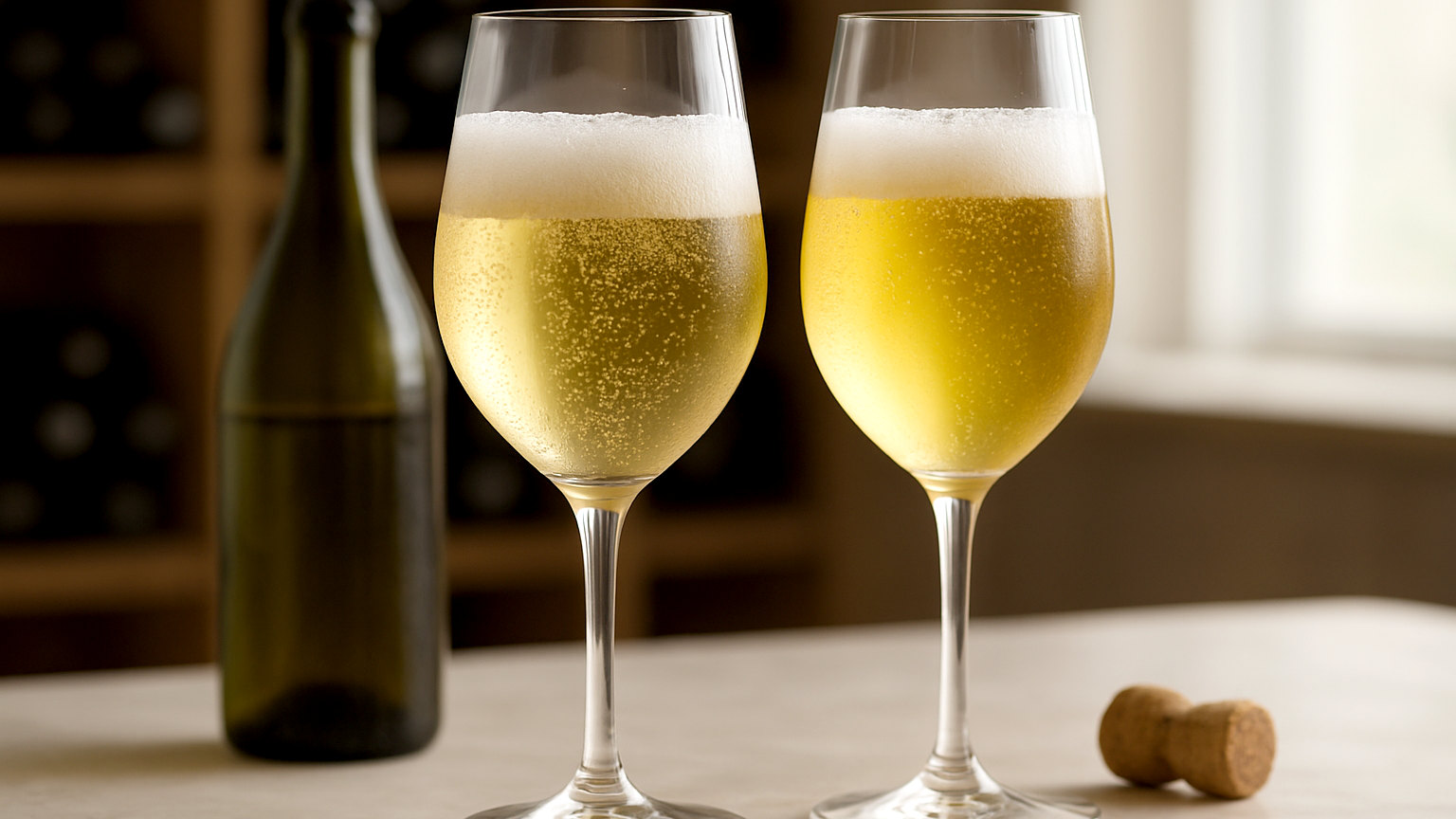
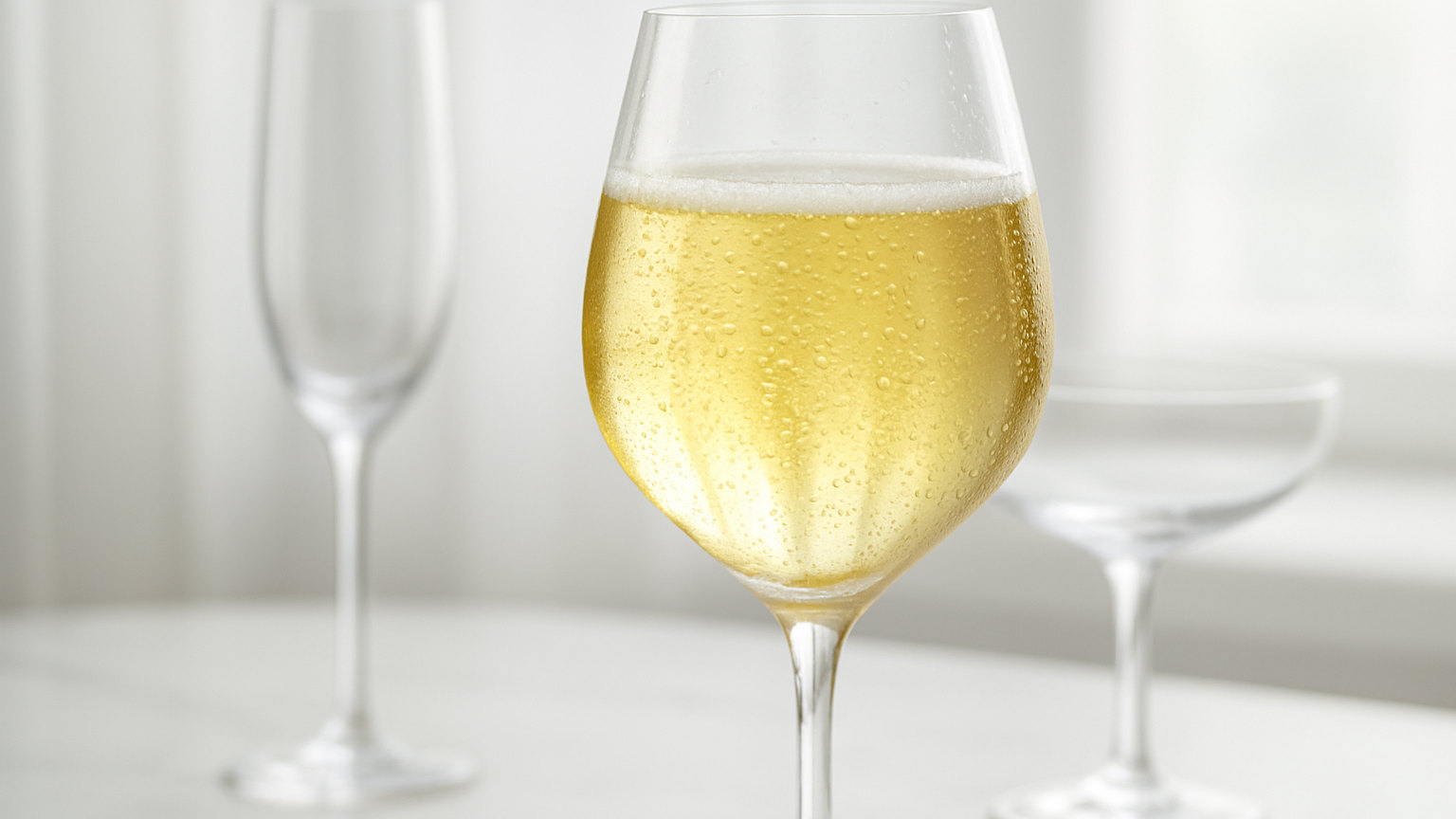
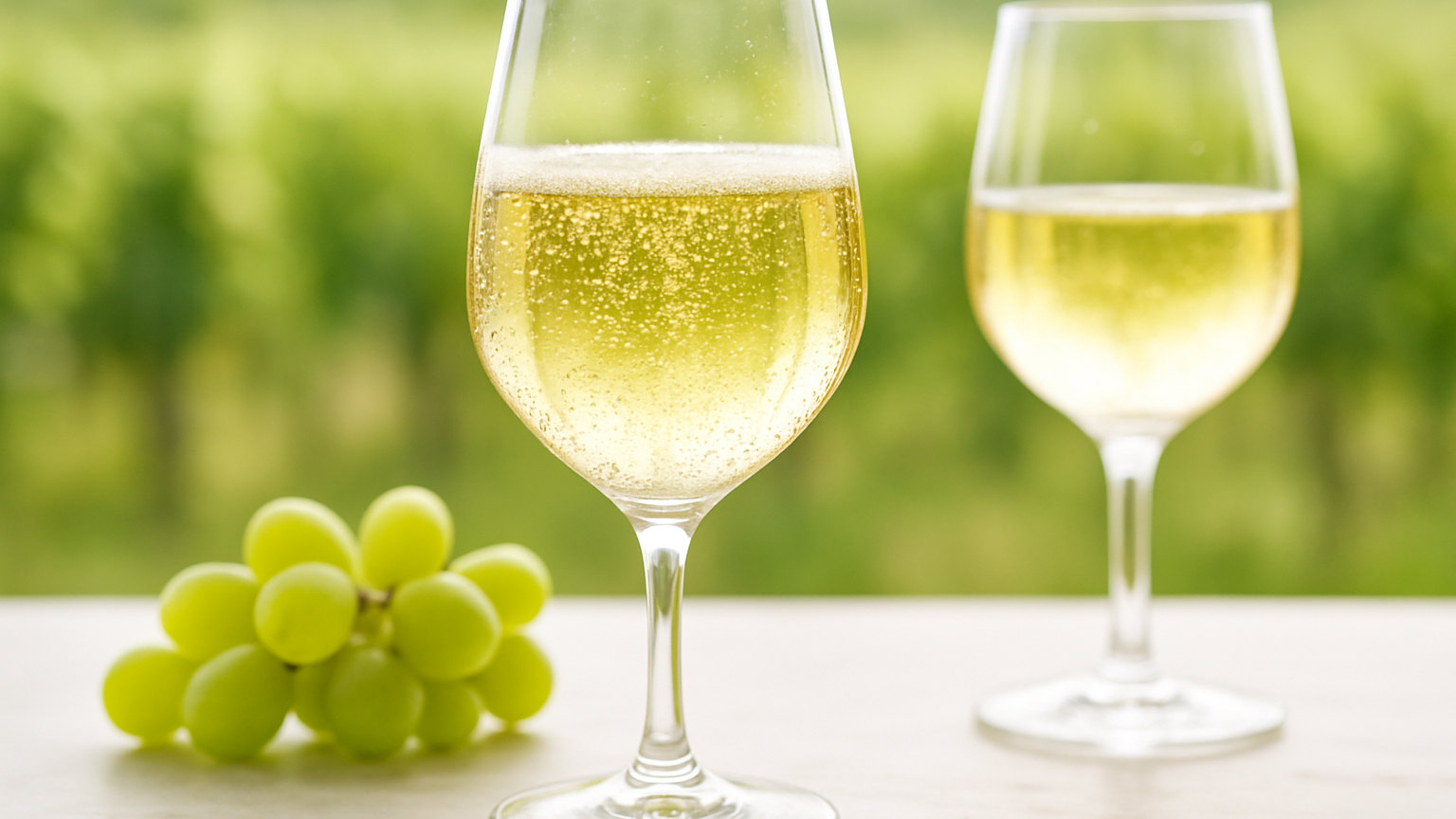
The flute preserves the bubbles and hides the wine. The coupe does neither. The glass most producers now recommend is the one nobody associates with sparkling wine at all.
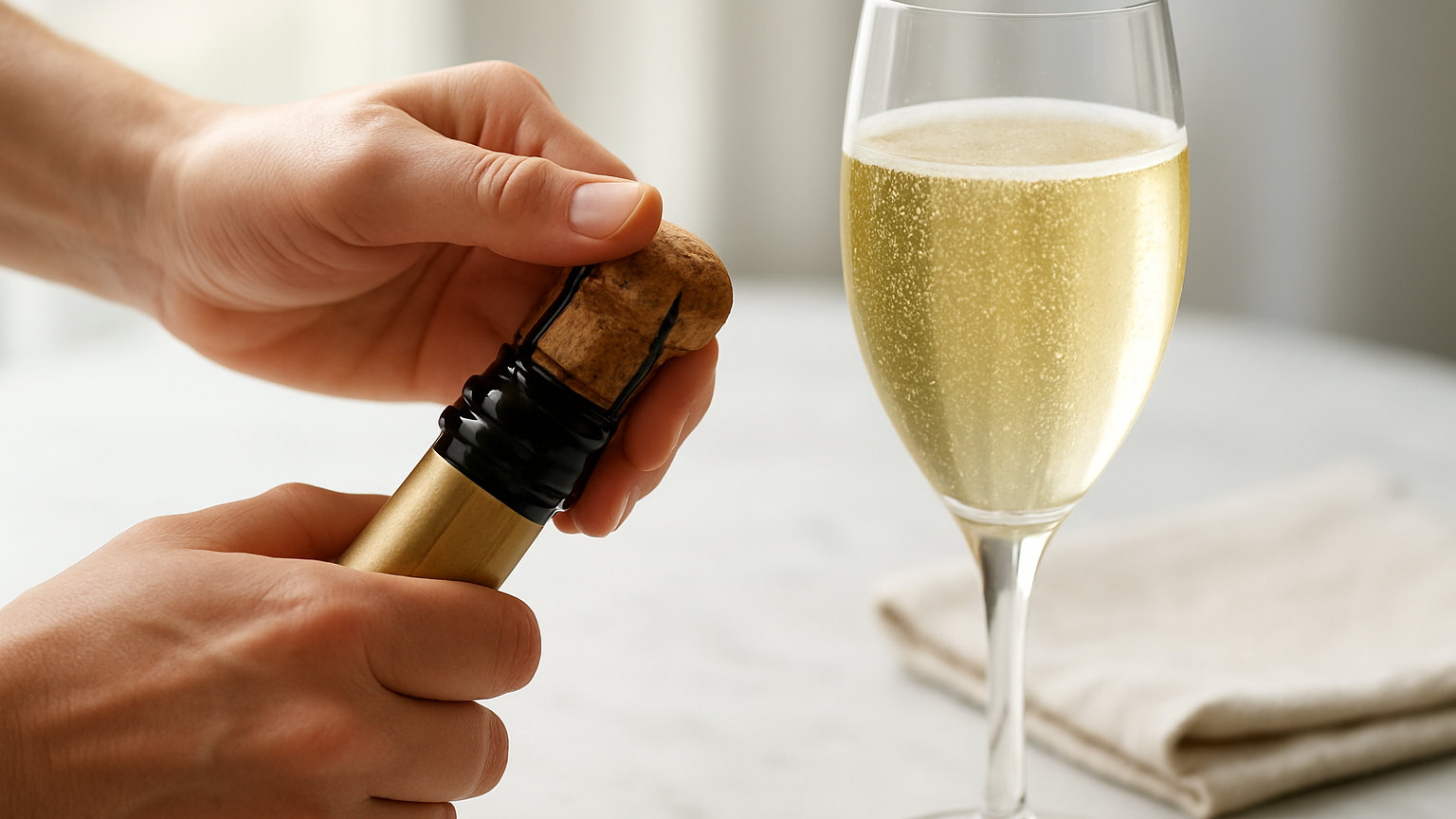
A bottle of sparkling wine holds around six atmospheres of pressure, and the cork can leave at speed. Opening it quietly is safer, wastes nothing and takes no longer.
Cava is made by the same method as champagne and costs a fraction of the price. The explanation is land, labour and mechanisation rather than any shortcut in the winery.
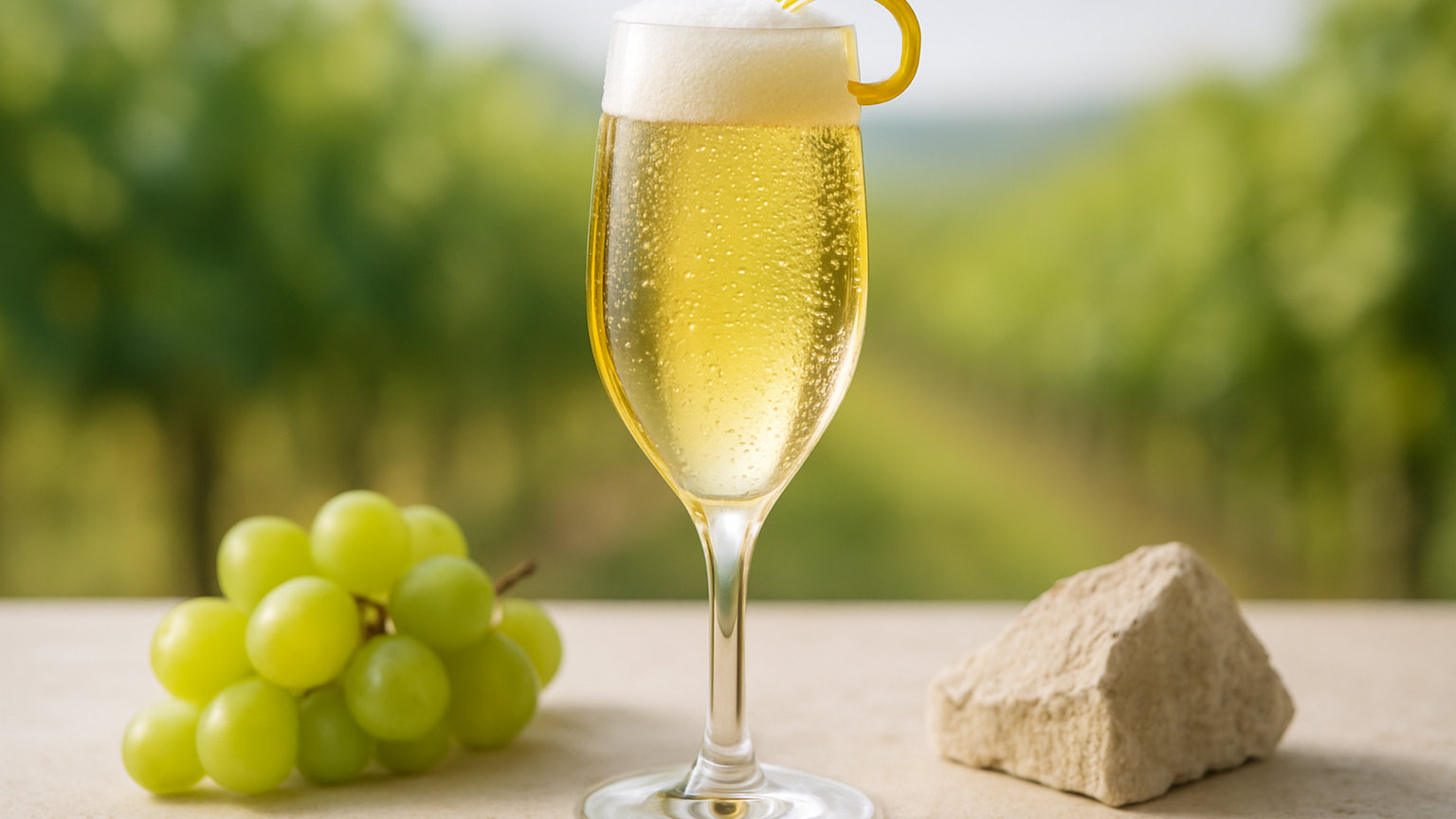
England now produces sparkling wine that beats champagne in blind tastings. The reasons are a specific band of chalk, a warming climate and a deliberate decision taken in the 1980s.