What Should You Batch for a Small Gathering?
For six or eight people, one batched drink and one good non-alcoholic option covers the evening, and the choice matters more than the quantity.
By Simply Alcohol Team
7 Aug 2026

Making drinks for a crowd in advance, scaling a recipe properly, and pre-diluting.
For six or eight people, one batched drink and one good non-alcoholic option covers the evening, and the choice matters more than the quantity.
Scaling from fifteen servings to a hundred and fifty changes the logistics entirely, and the failures at that size are practical rather than culinary.
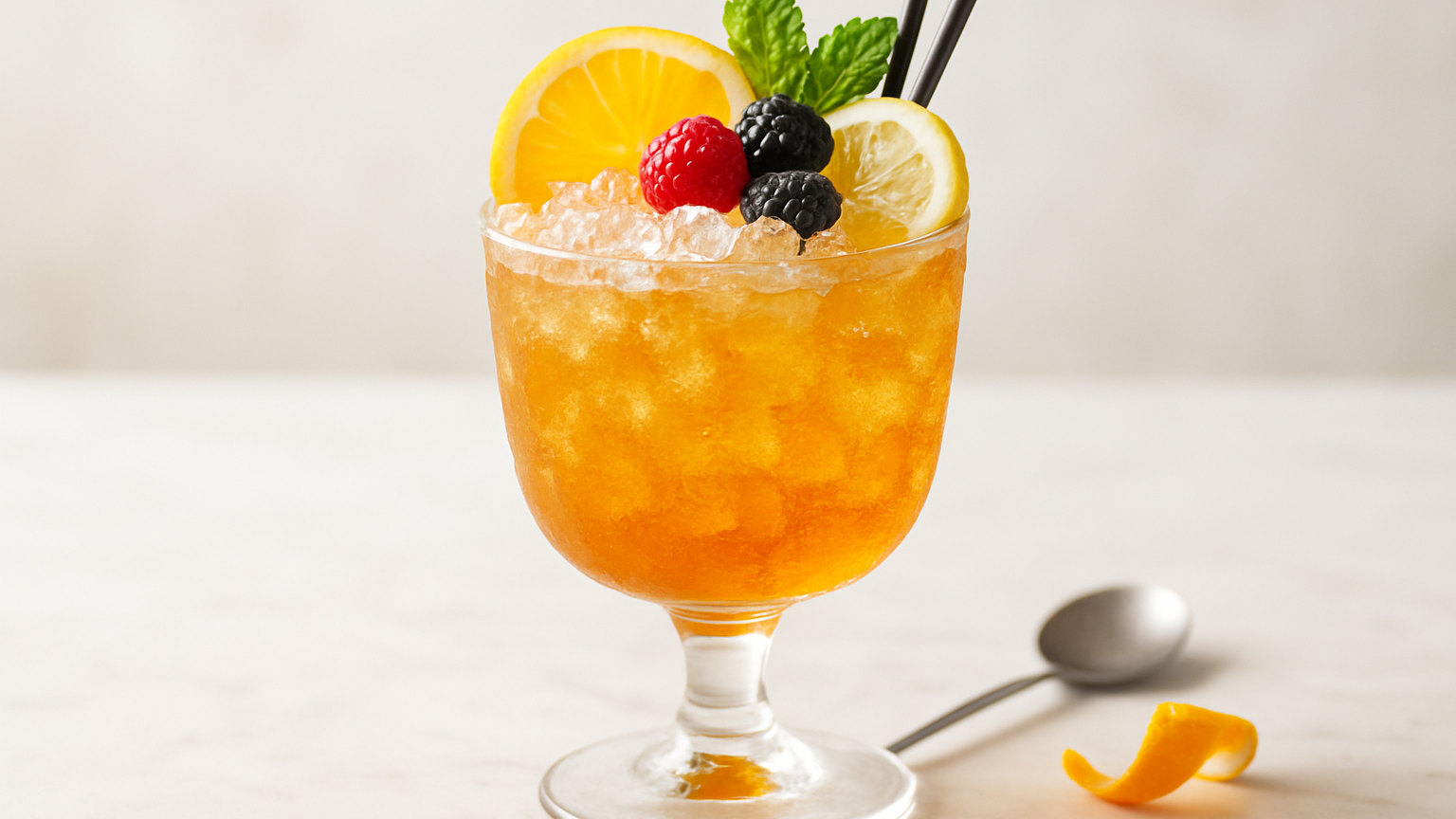
Wine, sugar, fruit and crushed ice, drunk through a straw. It was one of the most popular drinks of the nineteenth century and it is unusually low in strength.
The answer ranges from a few hours to indefinitely, and the determining factor is whether anything in the drink is perishable rather than how strong it is.
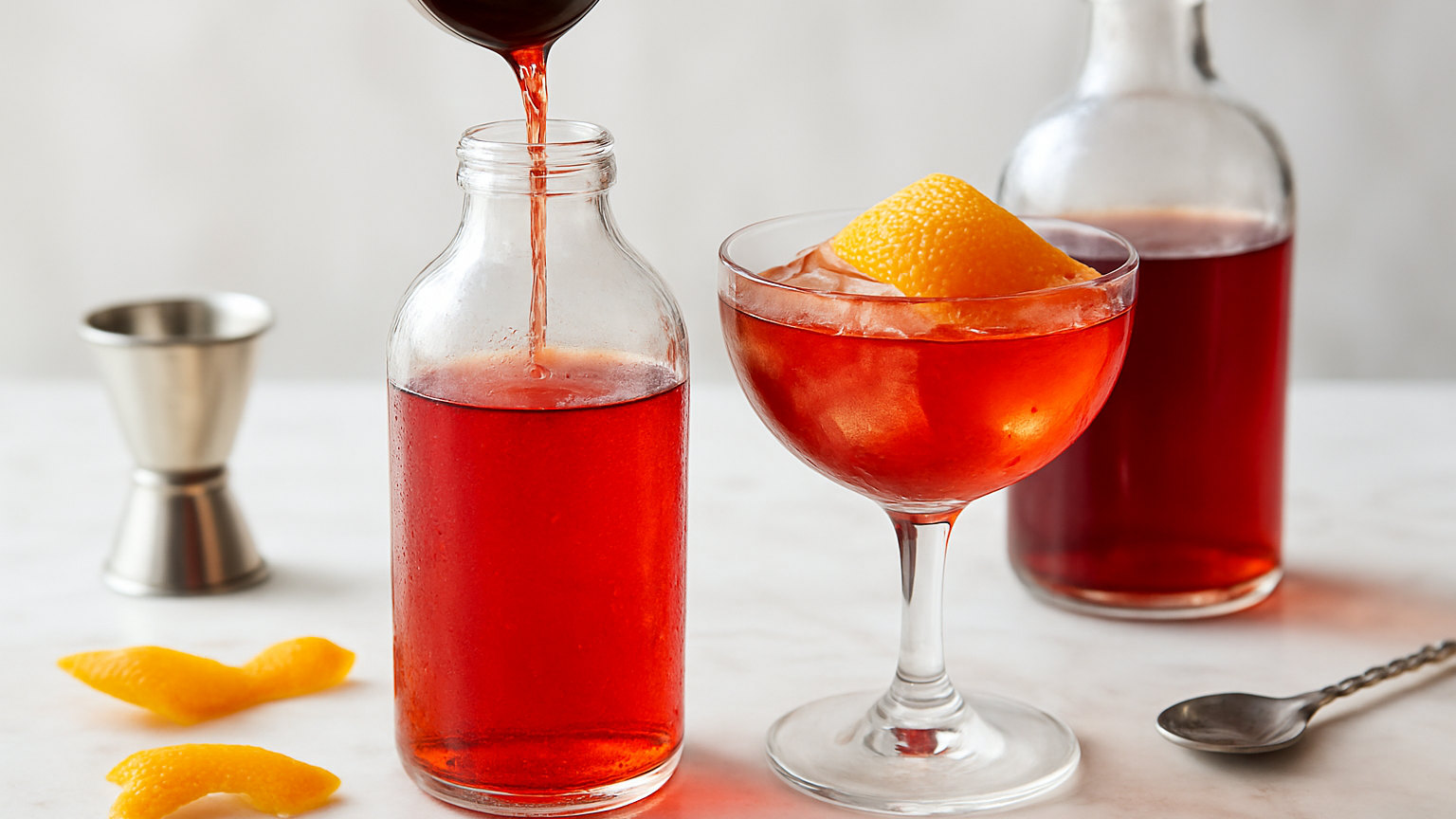
A bottled cocktail is a batch that travels, keeps and makes a good gift, and the details of bottling determine whether it is still good in a month.
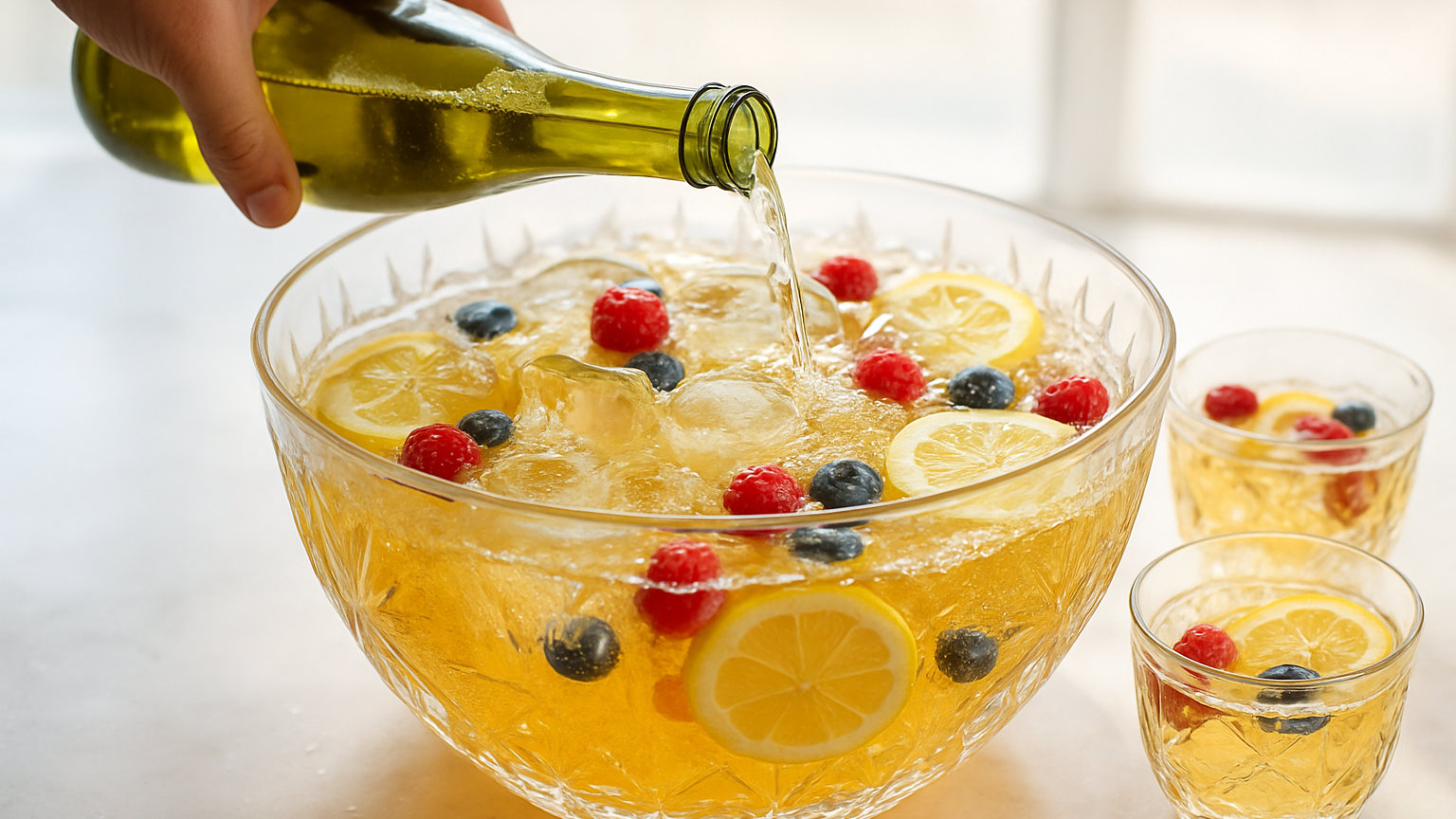
Adding sparkling wine lightens a punch and lowers its strength, and the timing of when it goes in determines whether it still has bubbles by nine o'clock.
One reliable recipe scaled properly is worth more than a collection of them, and this one follows the historical formula closely enough to teach how it works.
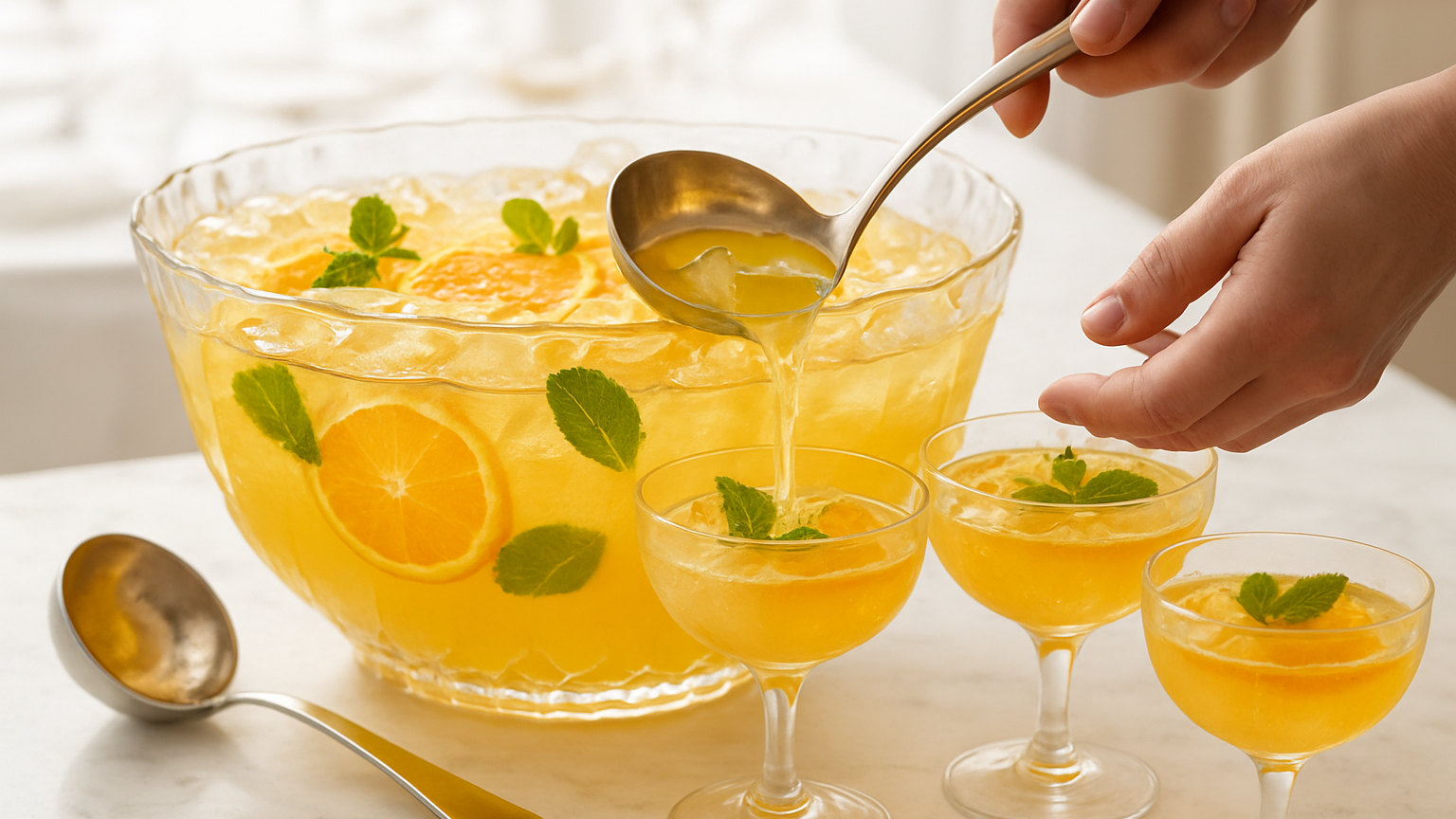
The bowl needs to work as a piece of equipment rather than a centrepiece, and a few decisions made beforehand determine whether the evening runs smoothly.
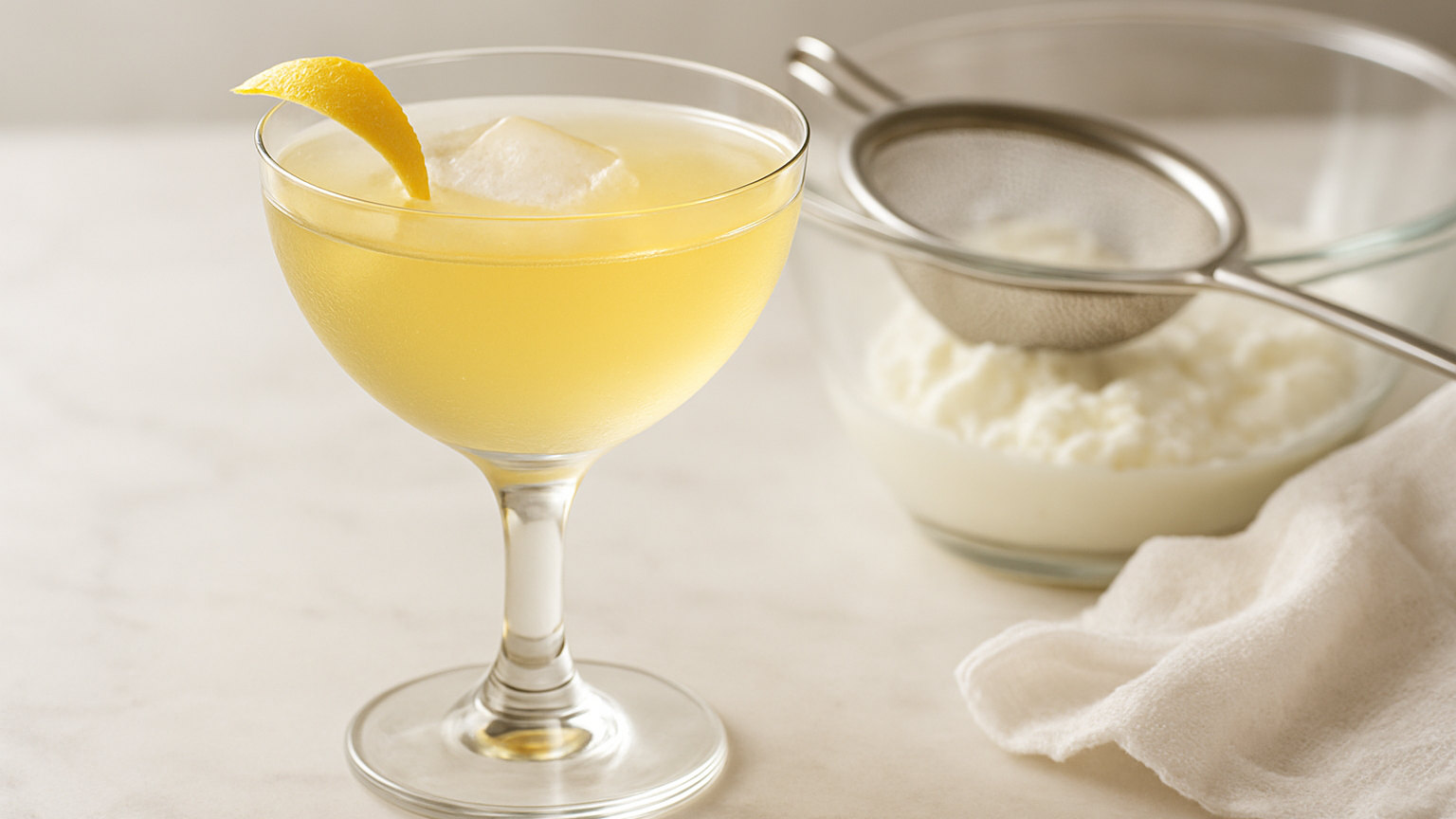
Deliberately curdling milk into a punch and filtering it out produces a clear drink that keeps for months. It is eighteenth century technology and it works remarkably well.
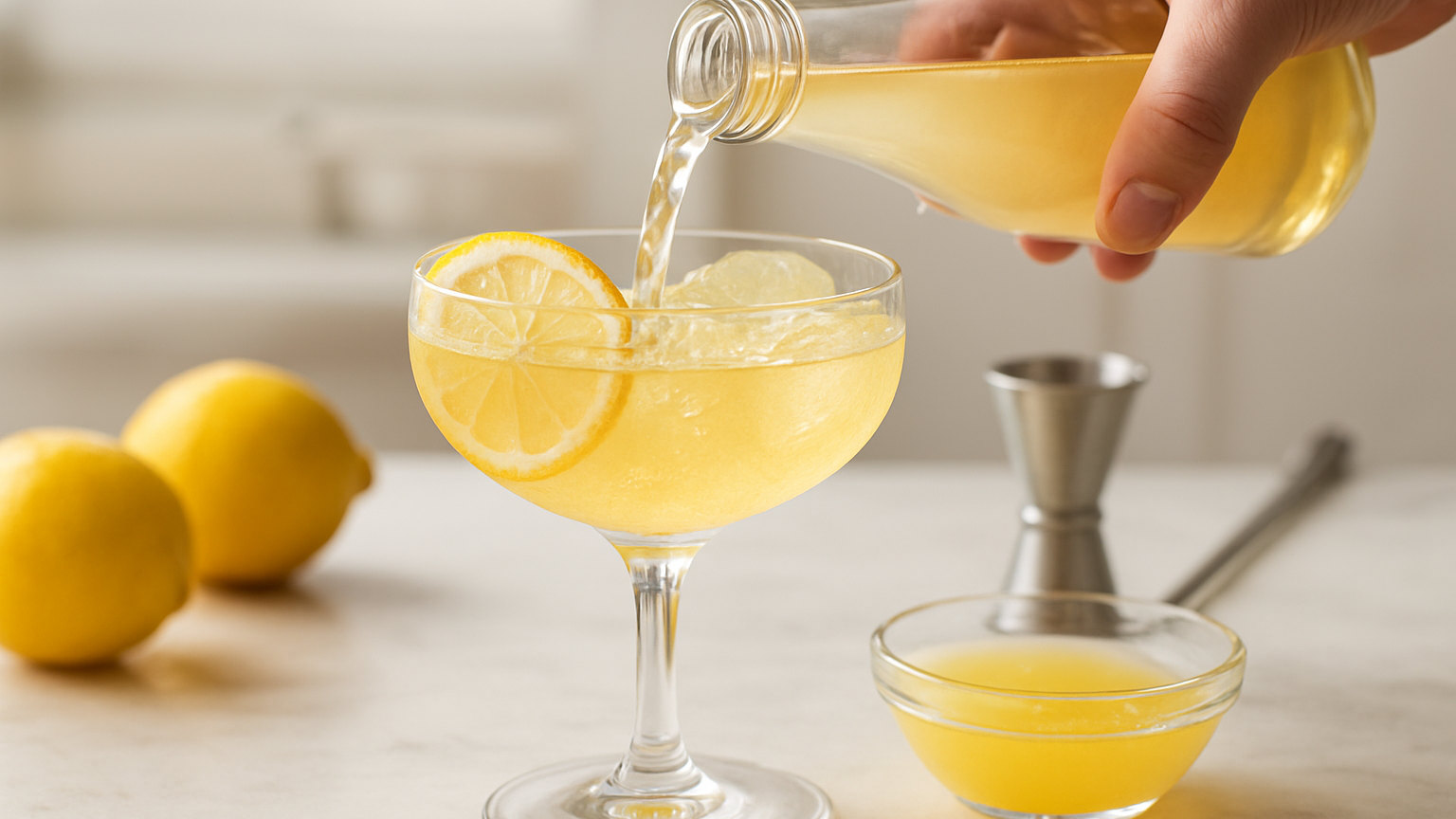
Making twenty drinks to order means spending the evening behind a shaker. Batching solves it, and the part everyone gets wrong is the water.
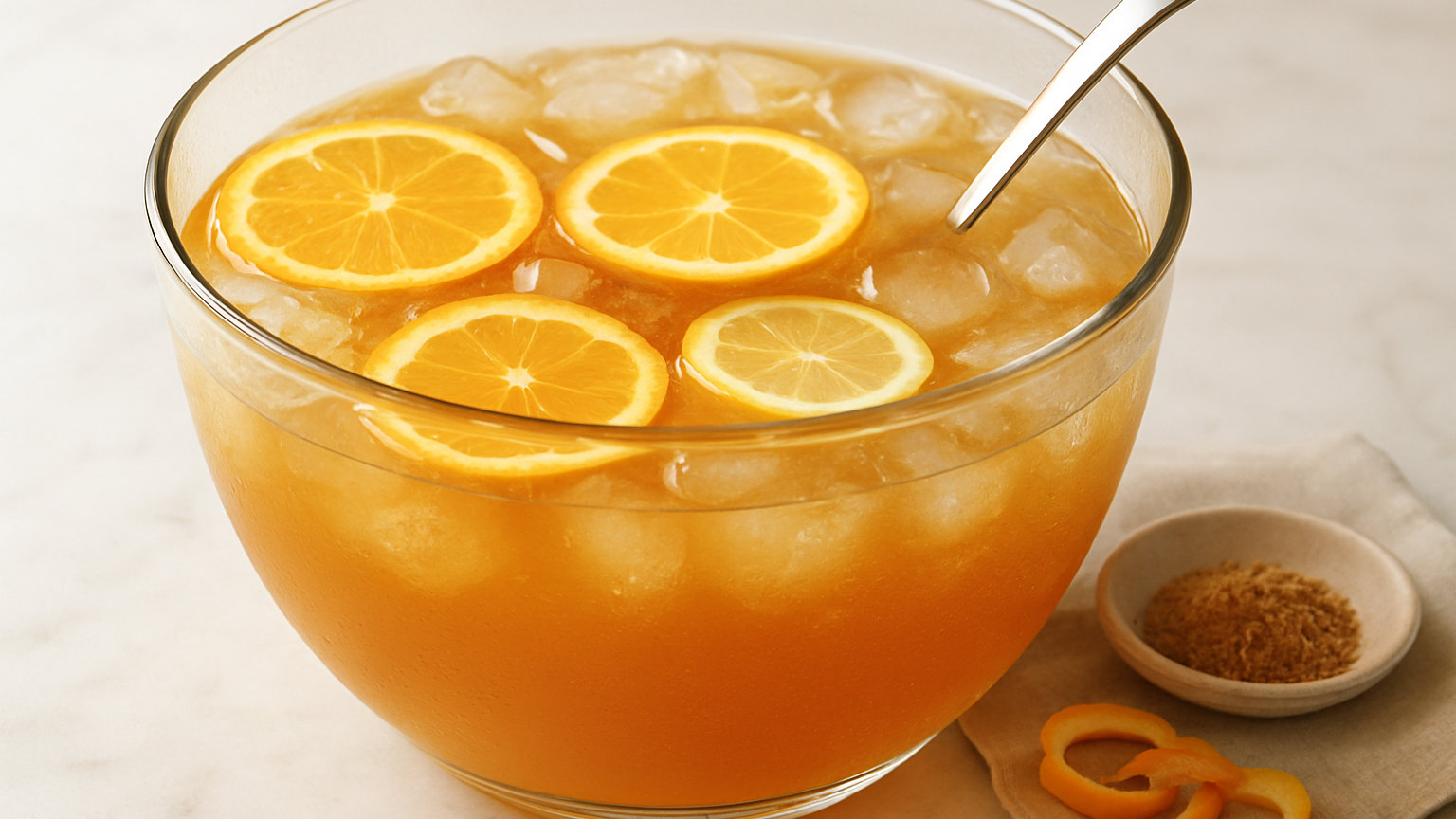
Historical punches used a blend rather than a single spirit, and the practice of splitting the base is the easiest way to make a punch taste complex.
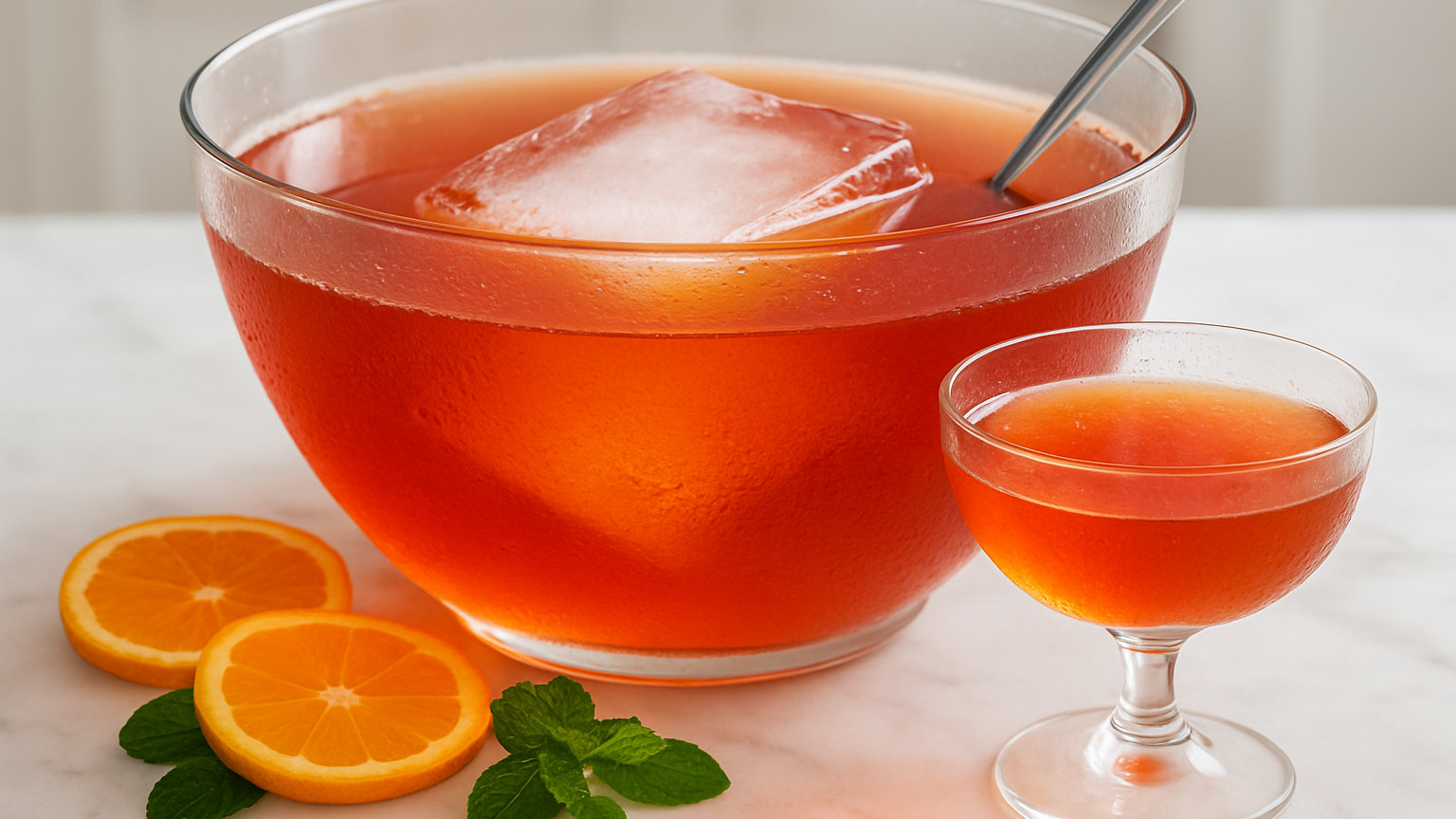
Cubes in a bowl melt within the hour and turn a good punch into something thin and cold. A single large block solves it entirely and costs nothing.