How Do You Keep Track of What You Drink?
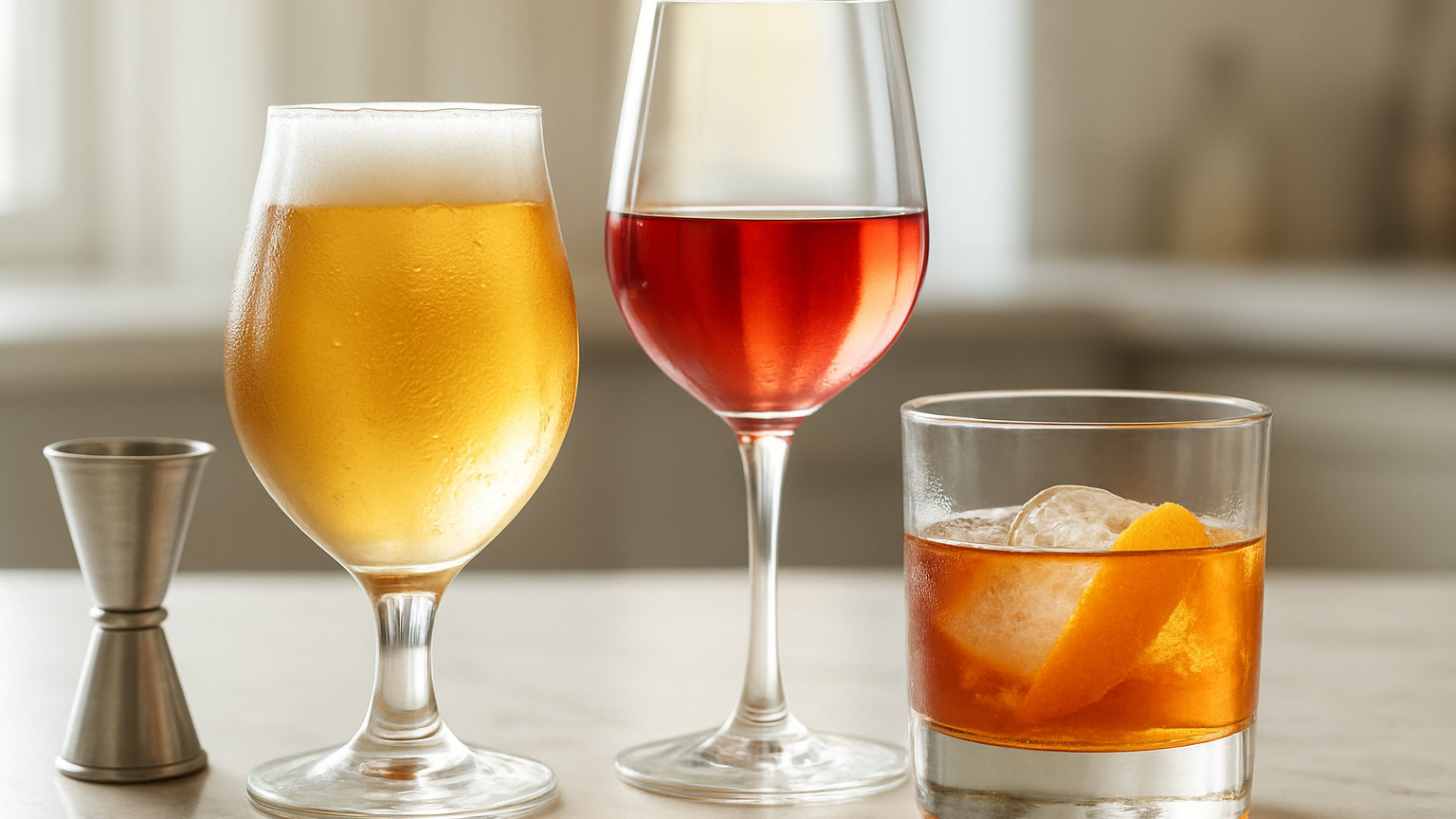
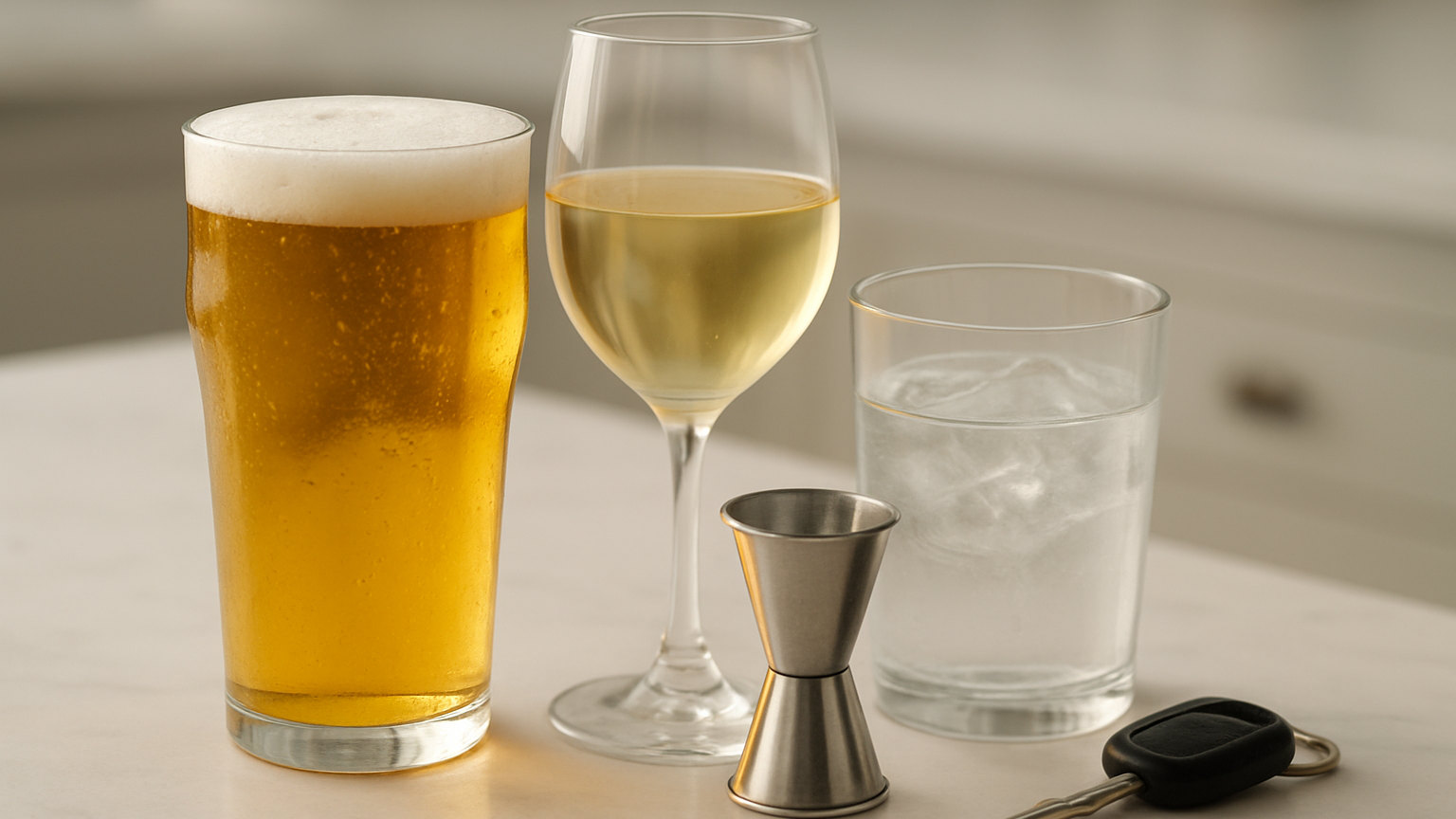
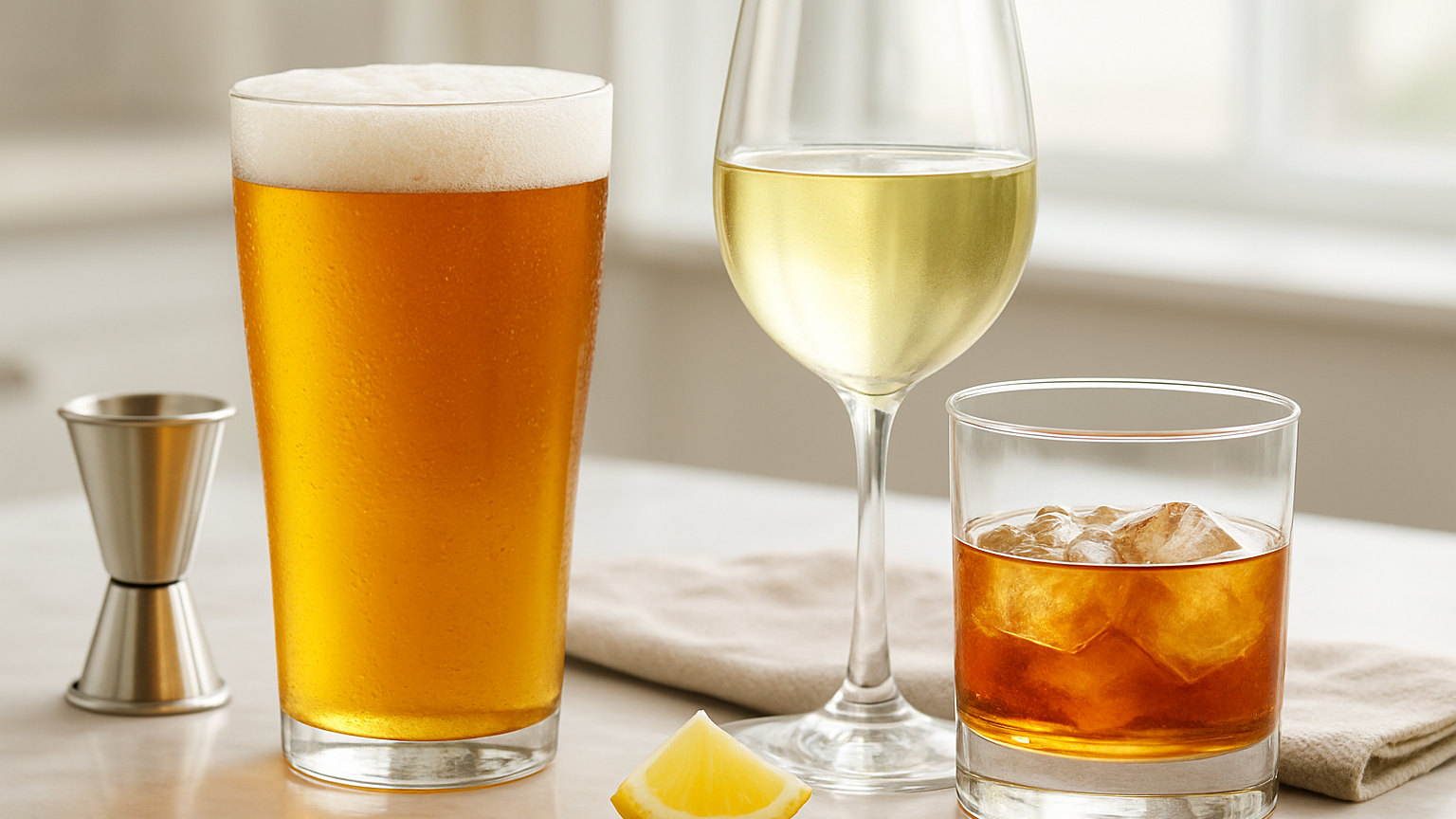
Most people count drinks accurately and estimate their size badly, which is why a small amount of measuring changes the picture more than a resolution does.
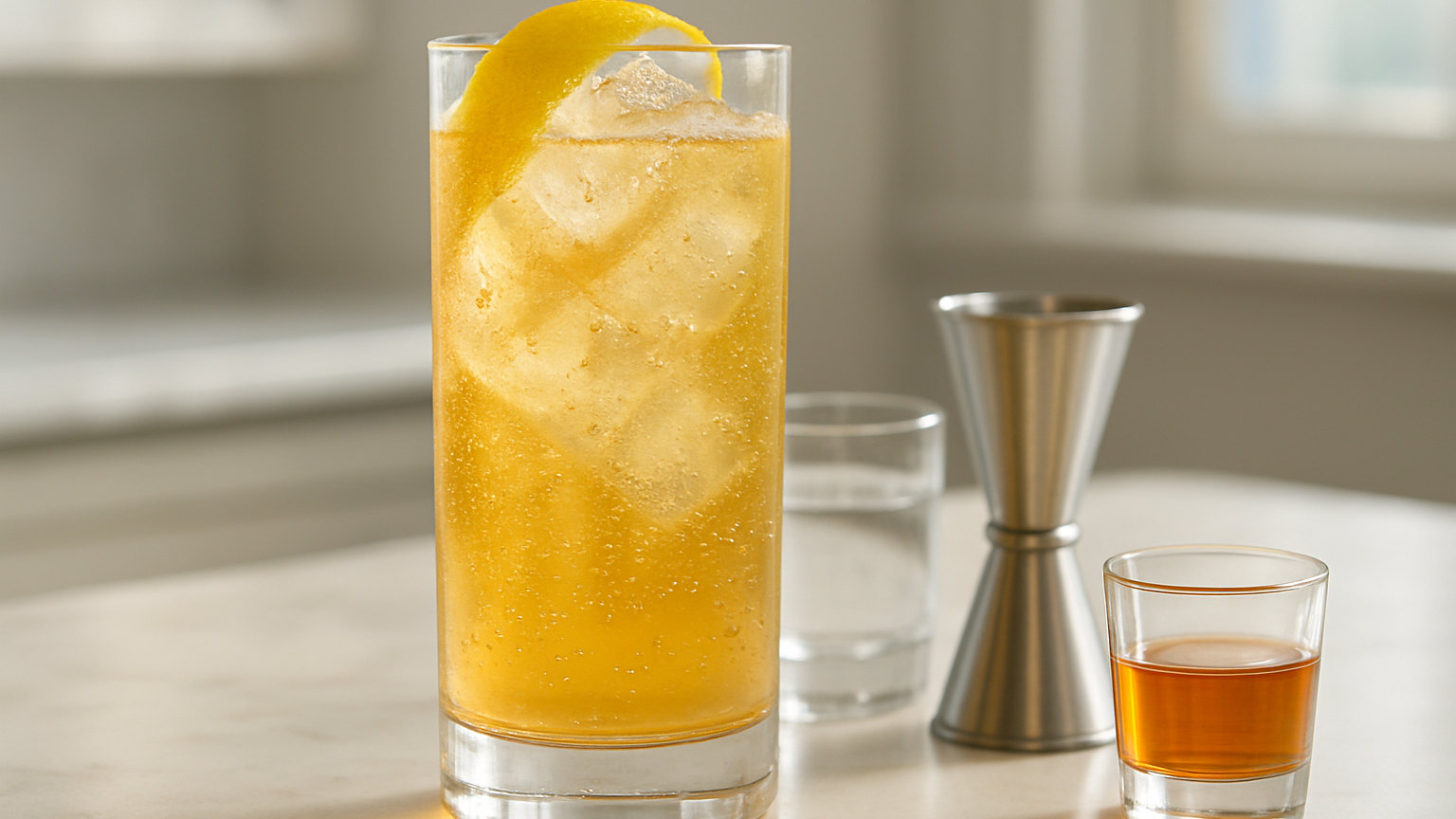
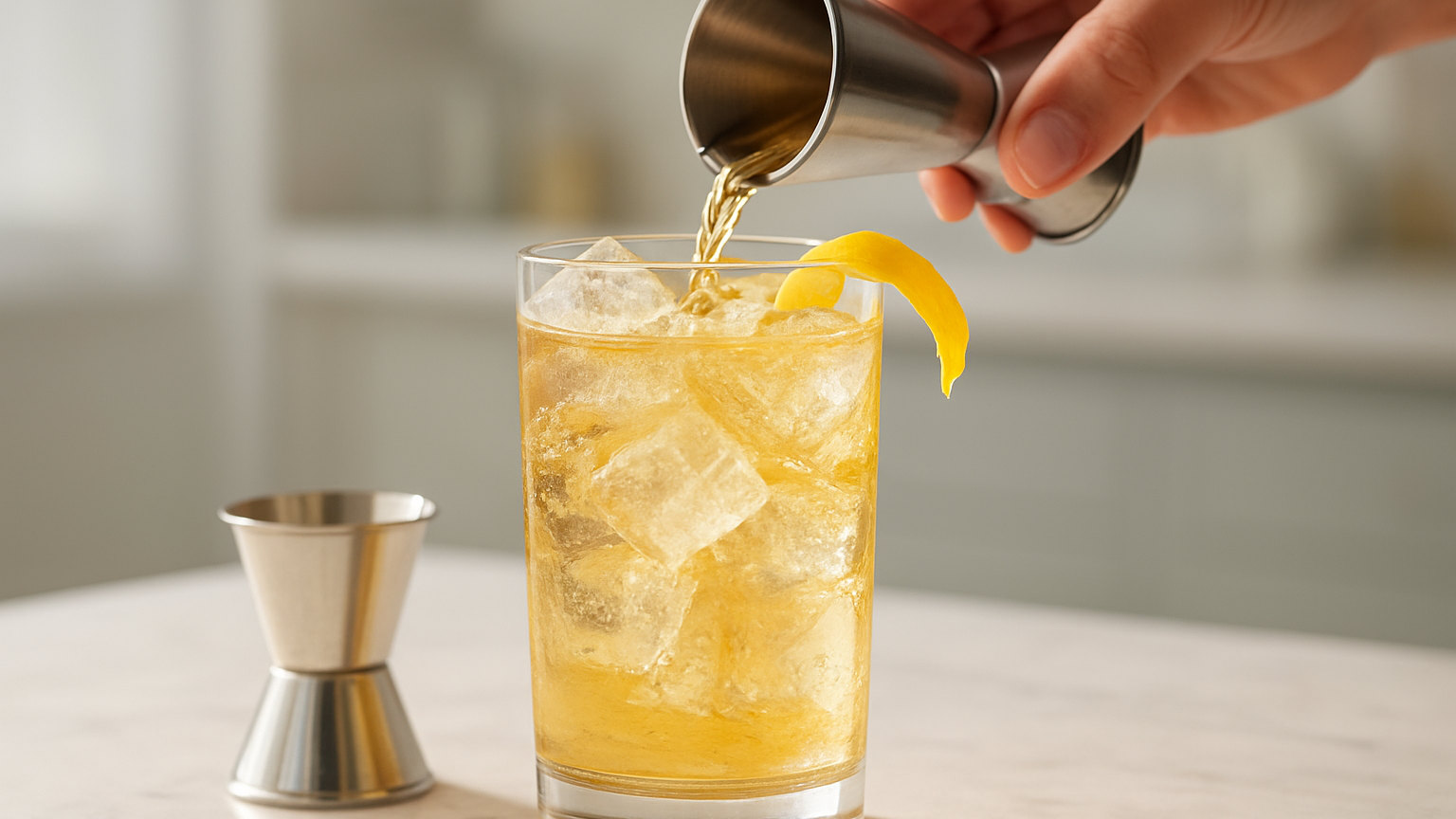
Working out units from ABV and serve size, what a unit actually is, and pouring a measured drink at home.
Most people count drinks accurately and estimate their size badly, which is why a small amount of measuring changes the picture more than a resolution does.
Several mechanisms operate at once, dehydration is only part of it, and the evidence for most remedies is considerably weaker than the marketing suggests.
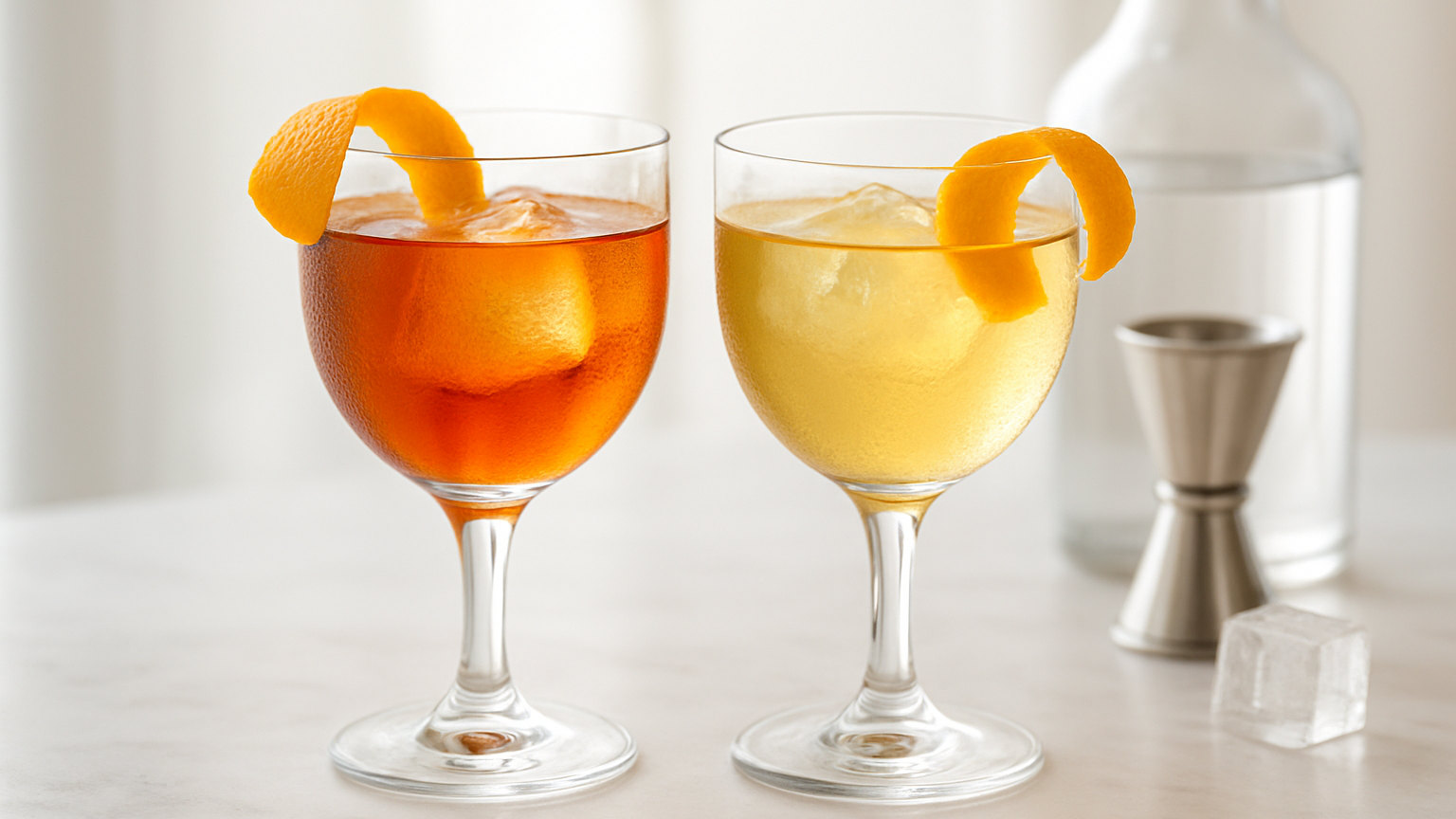
Alcohol carries aroma, contributes body and sweetness of its own, and numbs the palate at high concentrations, which is why strength changes a drink in several directions at once.
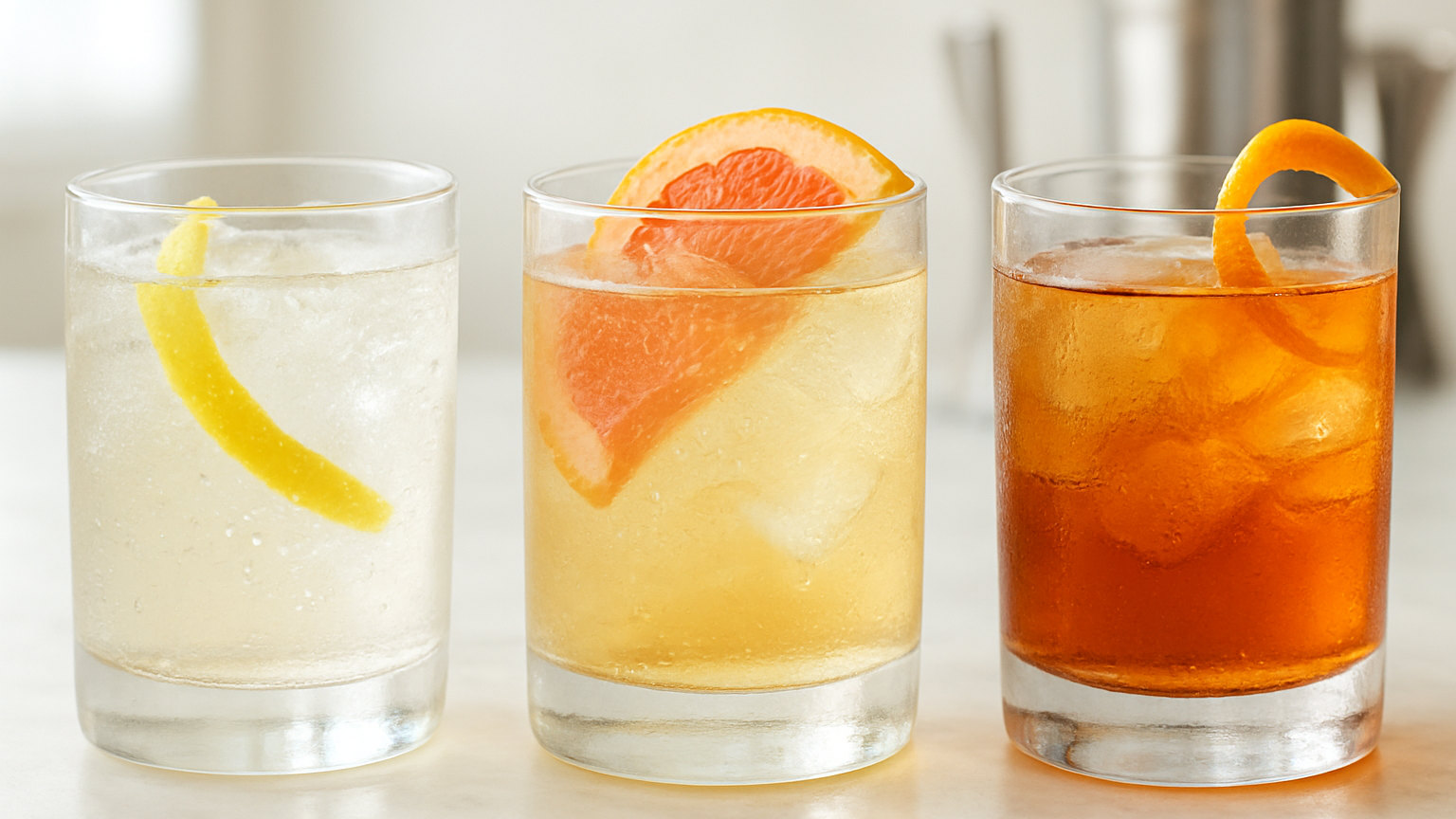
The terms are defined and the definitions are not what most people assume, since something labelled alcohol-free may still contain a small amount.
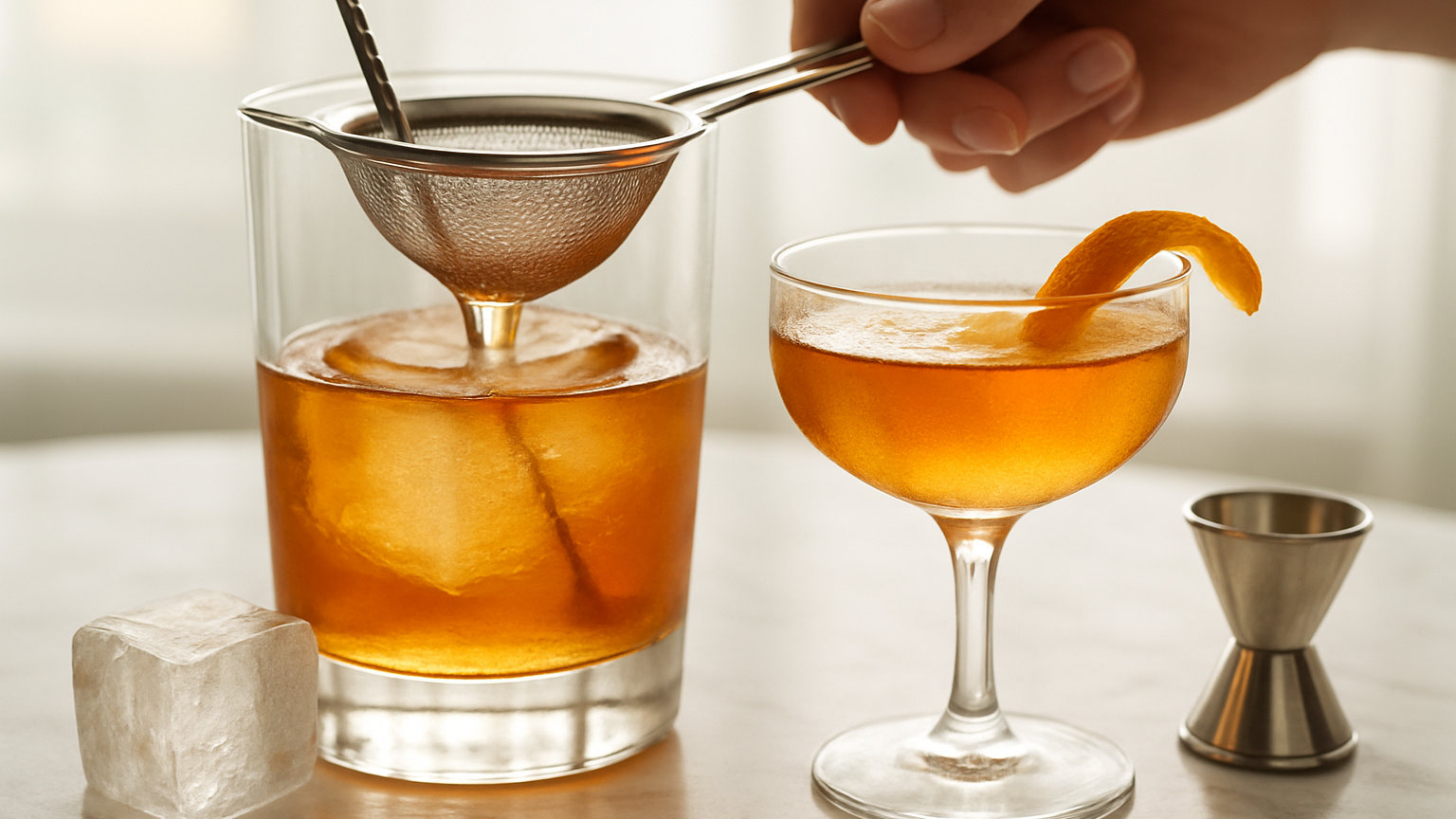
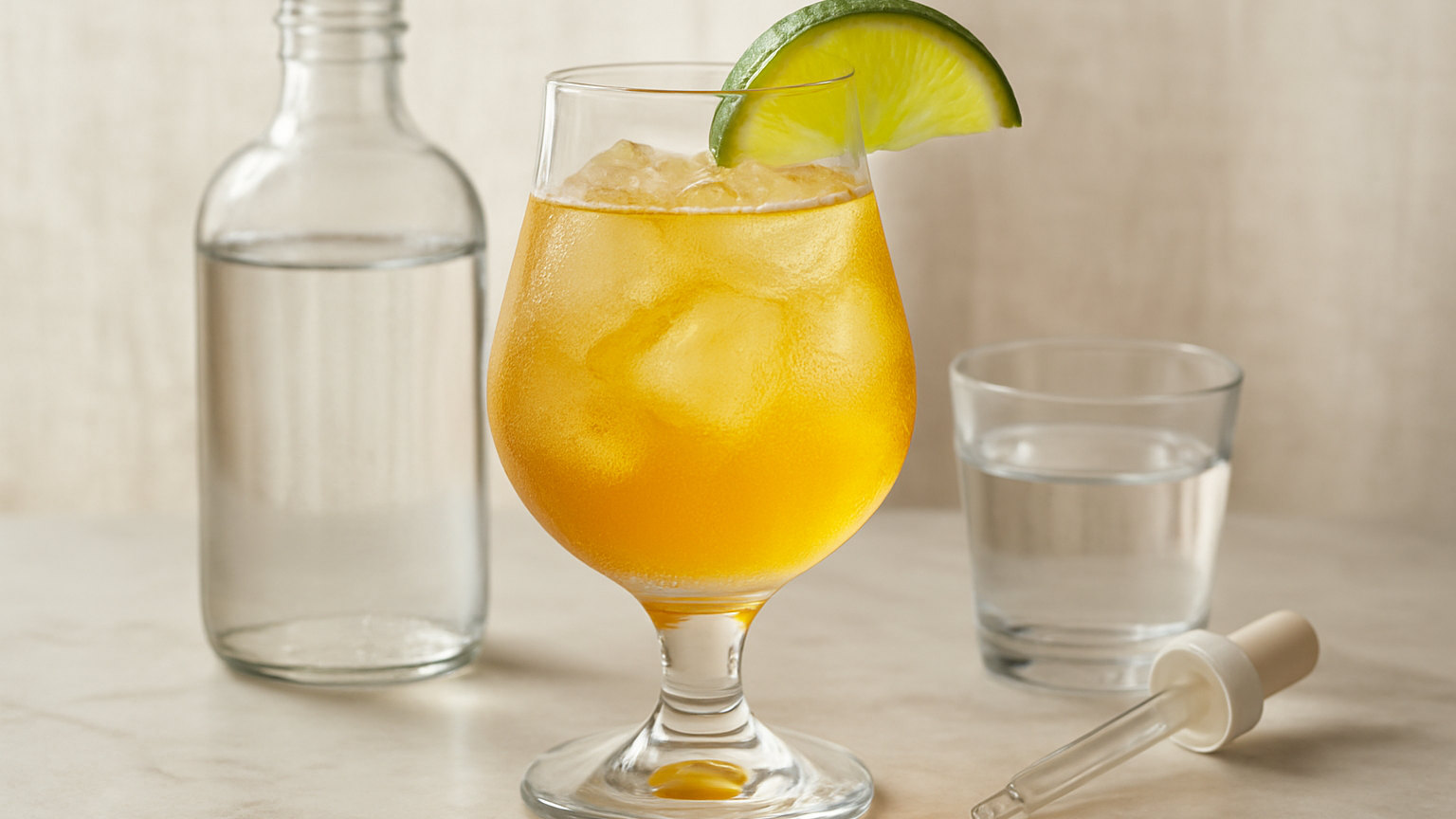
Ice lowers the percentage in the glass and leaves the amount of alcohol exactly where it was, which is a distinction worth being clear about.
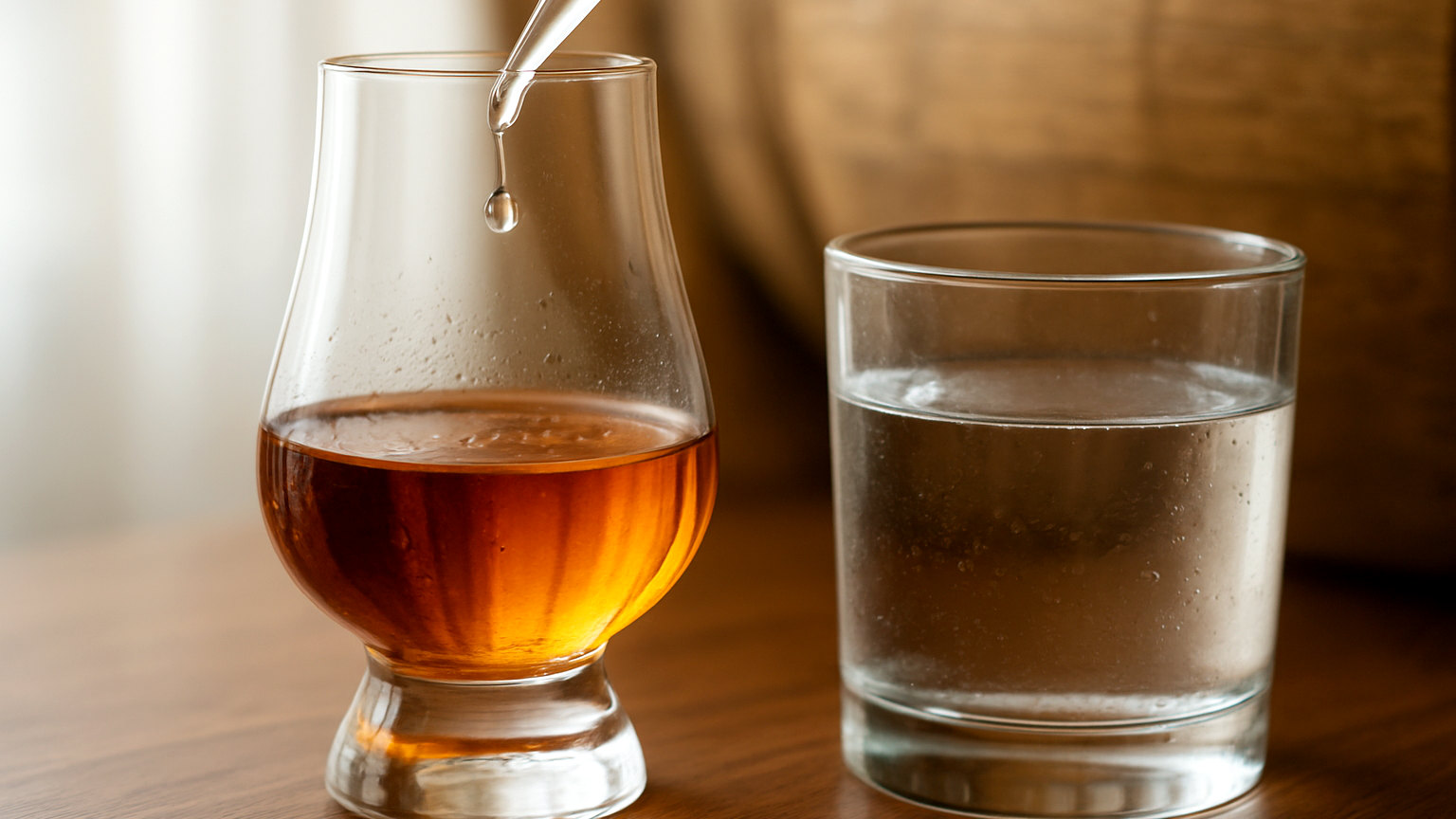
A spirit bottled without reduction, at whatever strength the cask reached, and adding water to it is a technique rather than a compromise.
Forty per cent is a legal minimum in several categories and a commercial convention in the rest, and there are reasons a spirit at a higher strength frequently tastes better.
Duty is charged on the alcohol a drink contains rather than on its price, which explains why cheap drinks are dominated by tax and expensive ones are not.
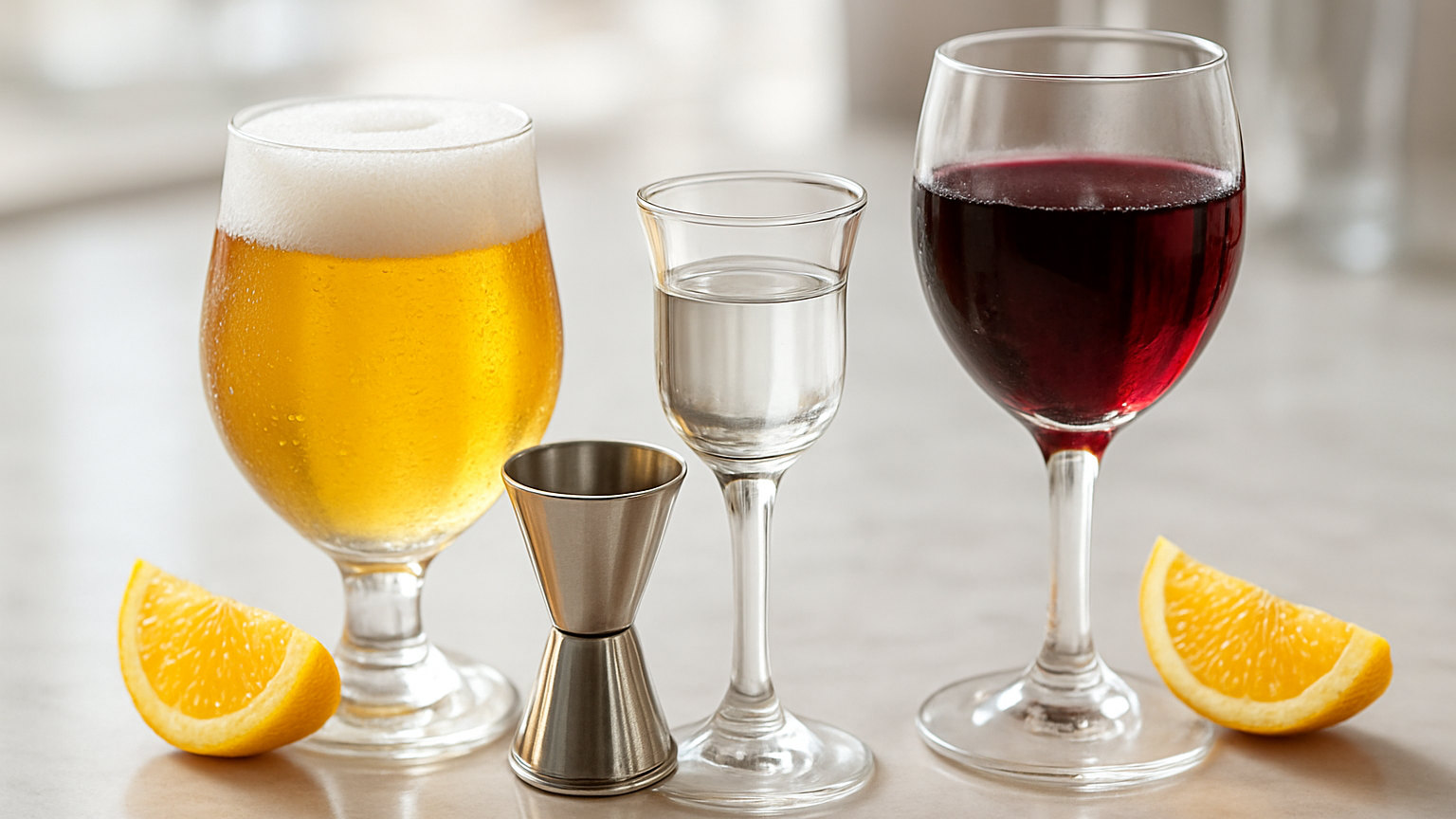
A standard drink is defined differently in almost every country that defines one, which makes international advice difficult to compare without converting.
There is no reliable way to calculate your own blood alcohol level, the variables involved differ between people and between occasions, and the limits are not the same across the UK.
The current guidance is the same for men and women, sets a weekly rather than daily figure, and is explicit that no level of regular drinking is risk-free.
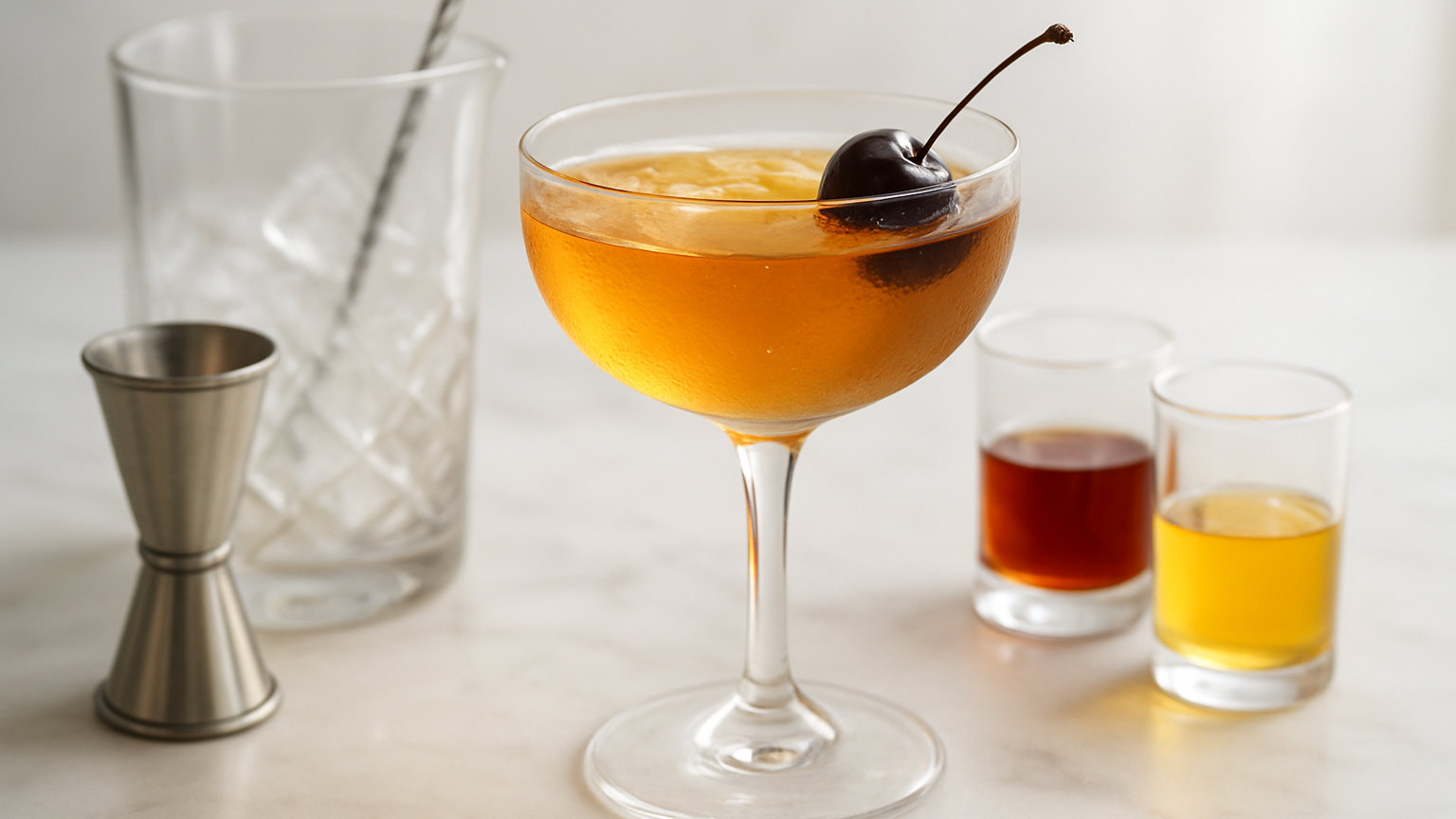
More than most people assume, since a cocktail frequently contains two or three alcoholic ingredients and is served in a glass that looks small.