Which Fortified Wine Should a Beginner Try?
Fortified wine covers everything from bone dry and saline to thick and raisiny, so the first bottle depends entirely on what you already drink. Two purchases cover the ground.
Port, sherry, madeira and marsala - the styles, how to serve them, and how long an open bottle lasts.
Fortified wine covers everything from bone dry and saline to thick and raisiny, so the first bottle depends entirely on what you already drink. Two purchases cover the ground.
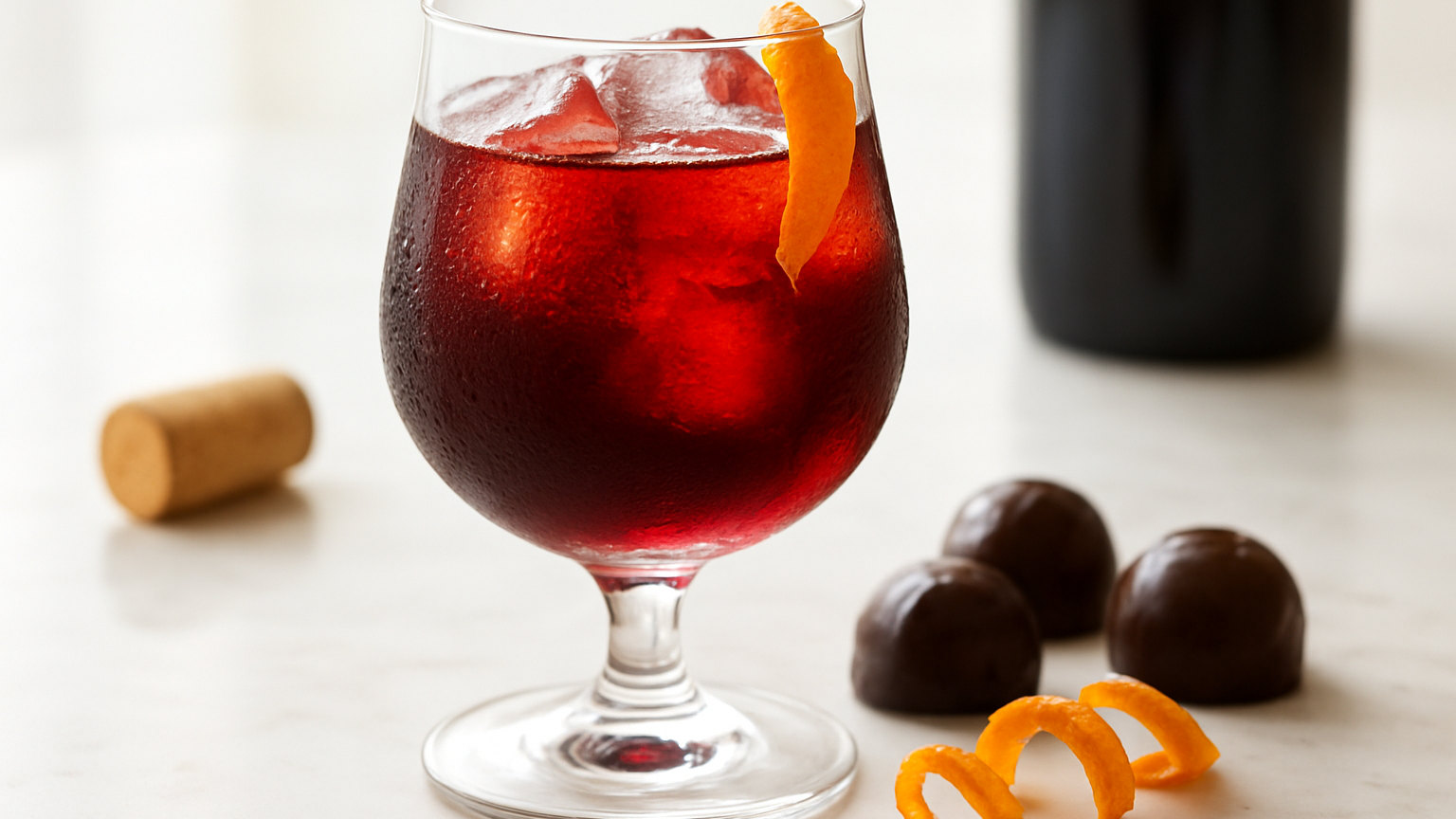
France's own fortified wines are largely unknown outside the country, which keeps them cheap. Banyuls with dark chocolate is one of the best pairings in wine.
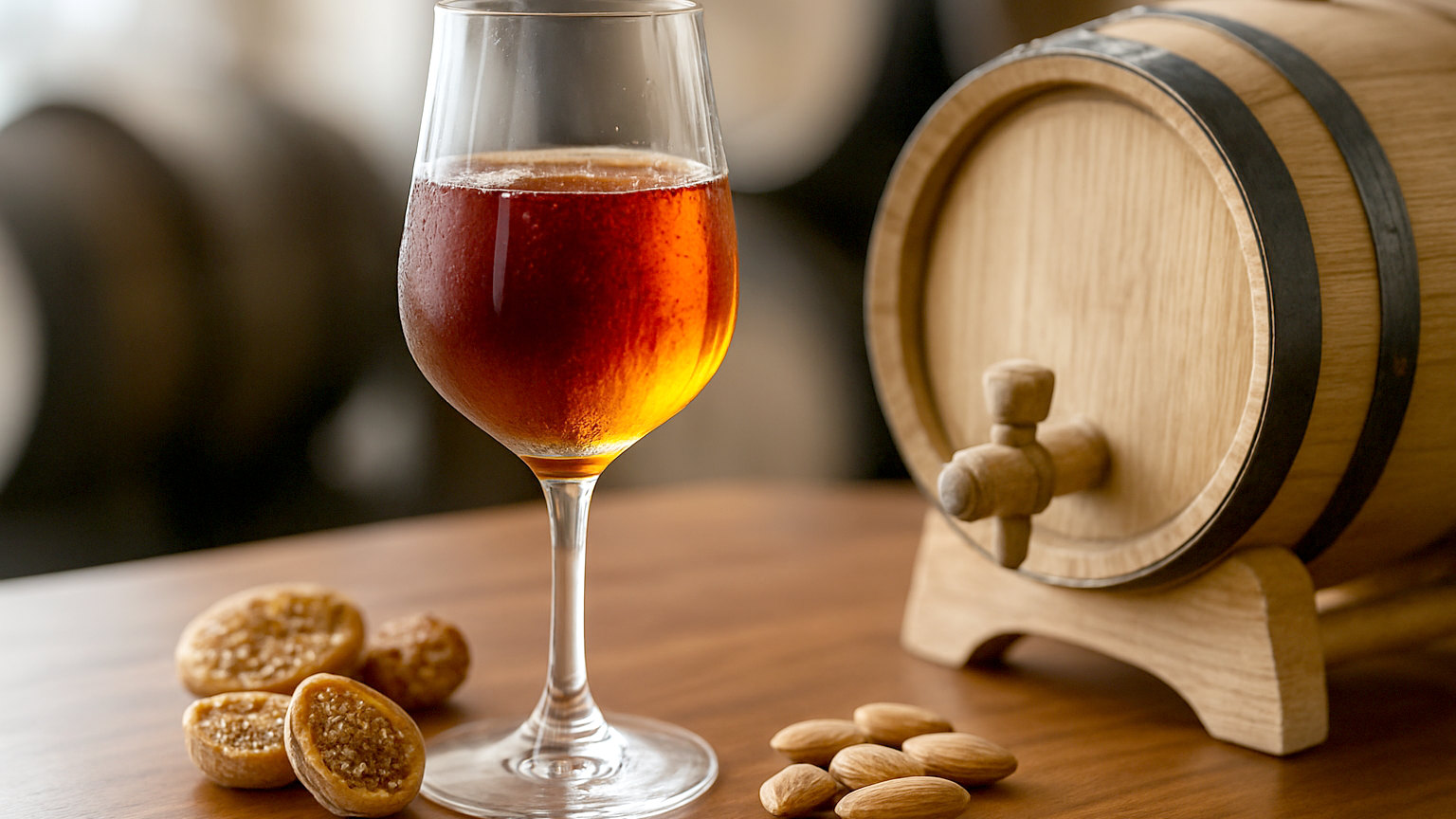
A wine aged for thirty years through an elaborate solera system costs less than an ordinary bottle of Burgundy. The explanation is a collapsed reputation rather than any shortcut in production.
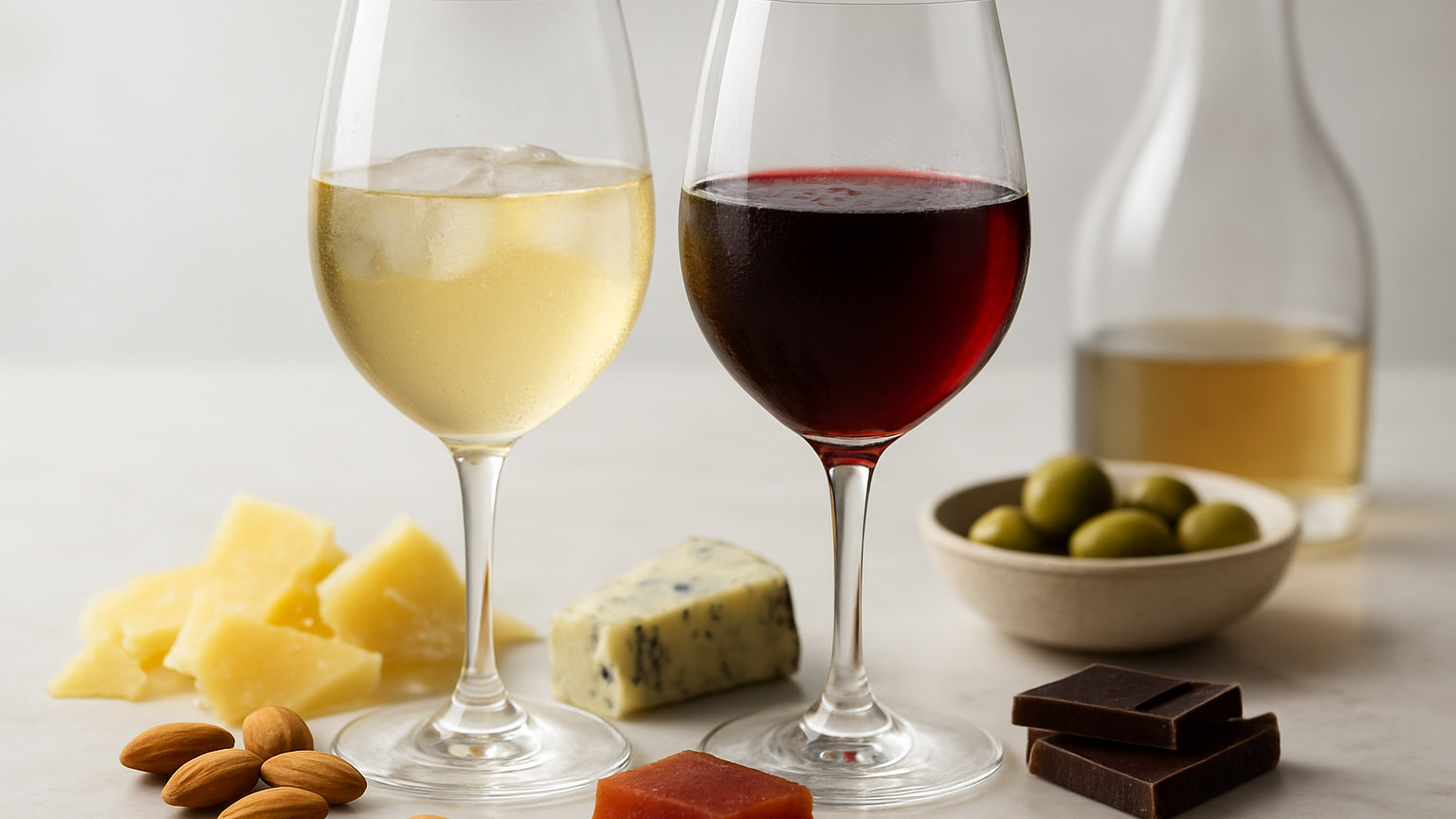
Fortified wine is treated as something to drink before or after a meal, which wastes the most food-friendly category in the cellar. Sherry in particular handles food that defeats everything else.
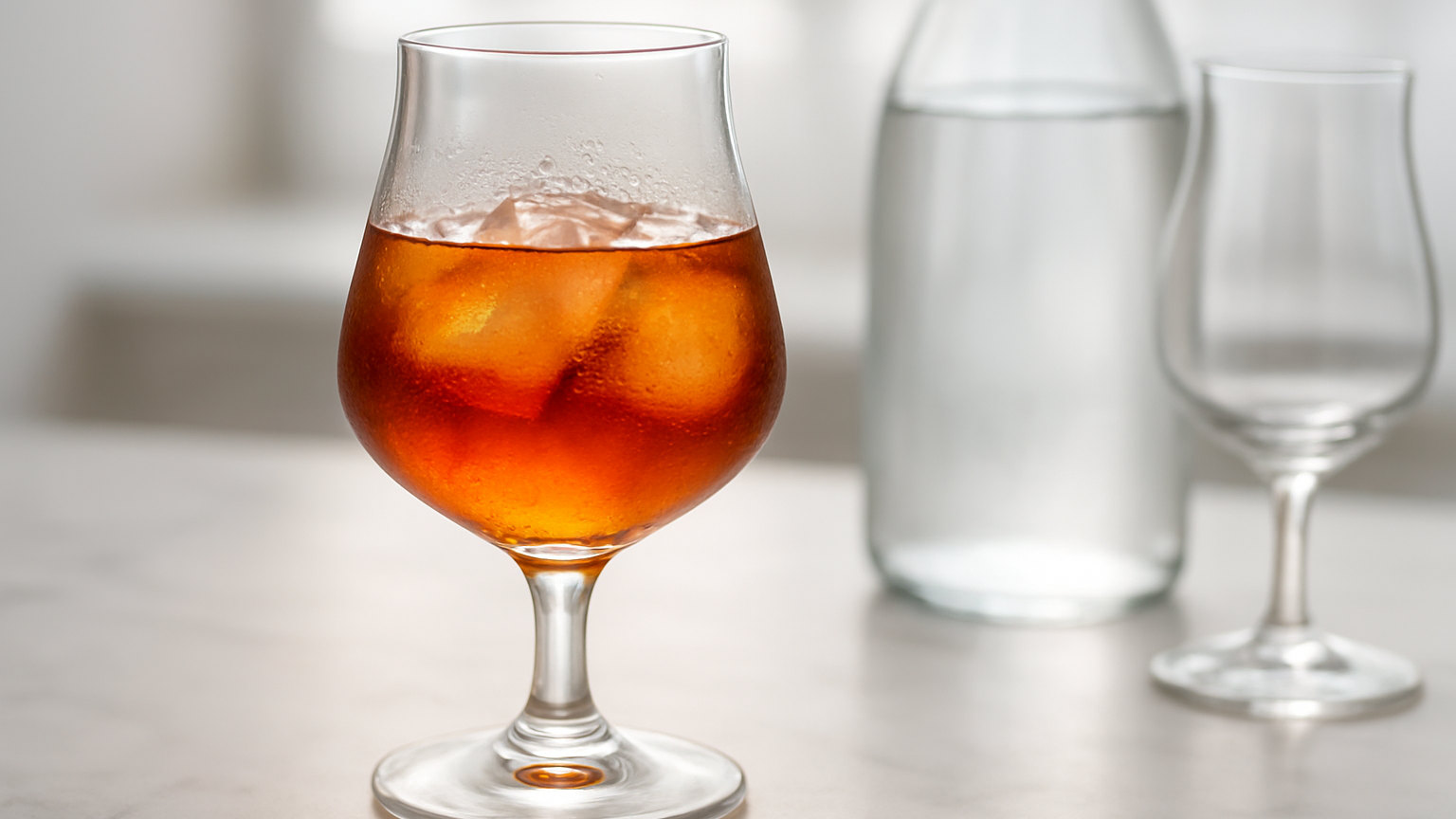
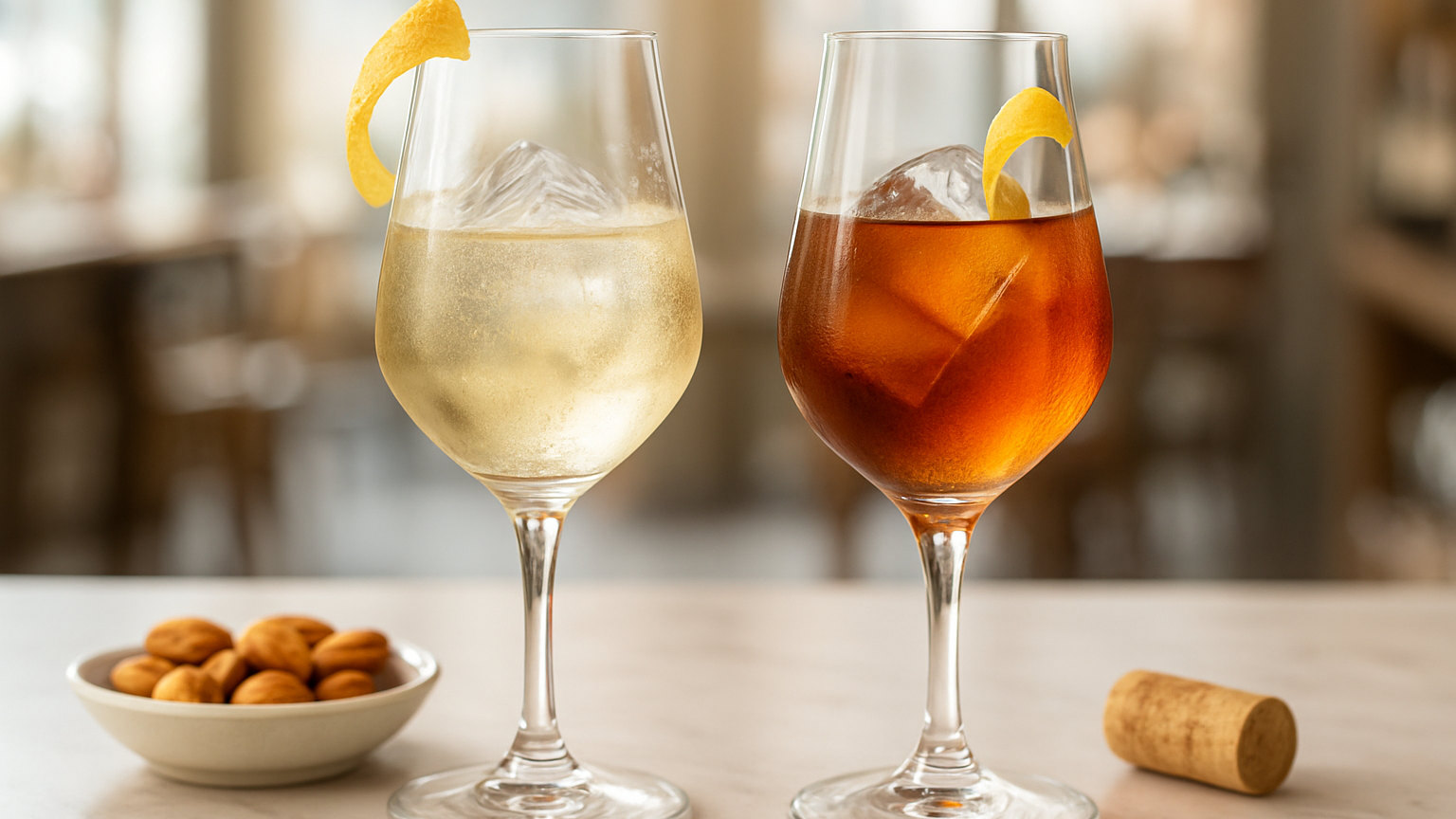
Fortified wine is routinely served in the wrong glass at the wrong temperature, and both errors flatten it. The corrections cost nothing and change the wine considerably.
The answer ranges from two days to several months depending on the style, and the deciding factor is how the wine was aged rather than how much alcohol it contains.
Marsala is known in Britain almost entirely as an ingredient, which is a fair reflection of what gets exported and a poor reflection of what the region can produce.
Madeira is deliberately heated and deliberately oxidised, which would ruin any other wine. The result is a wine that is effectively indestructible once opened.
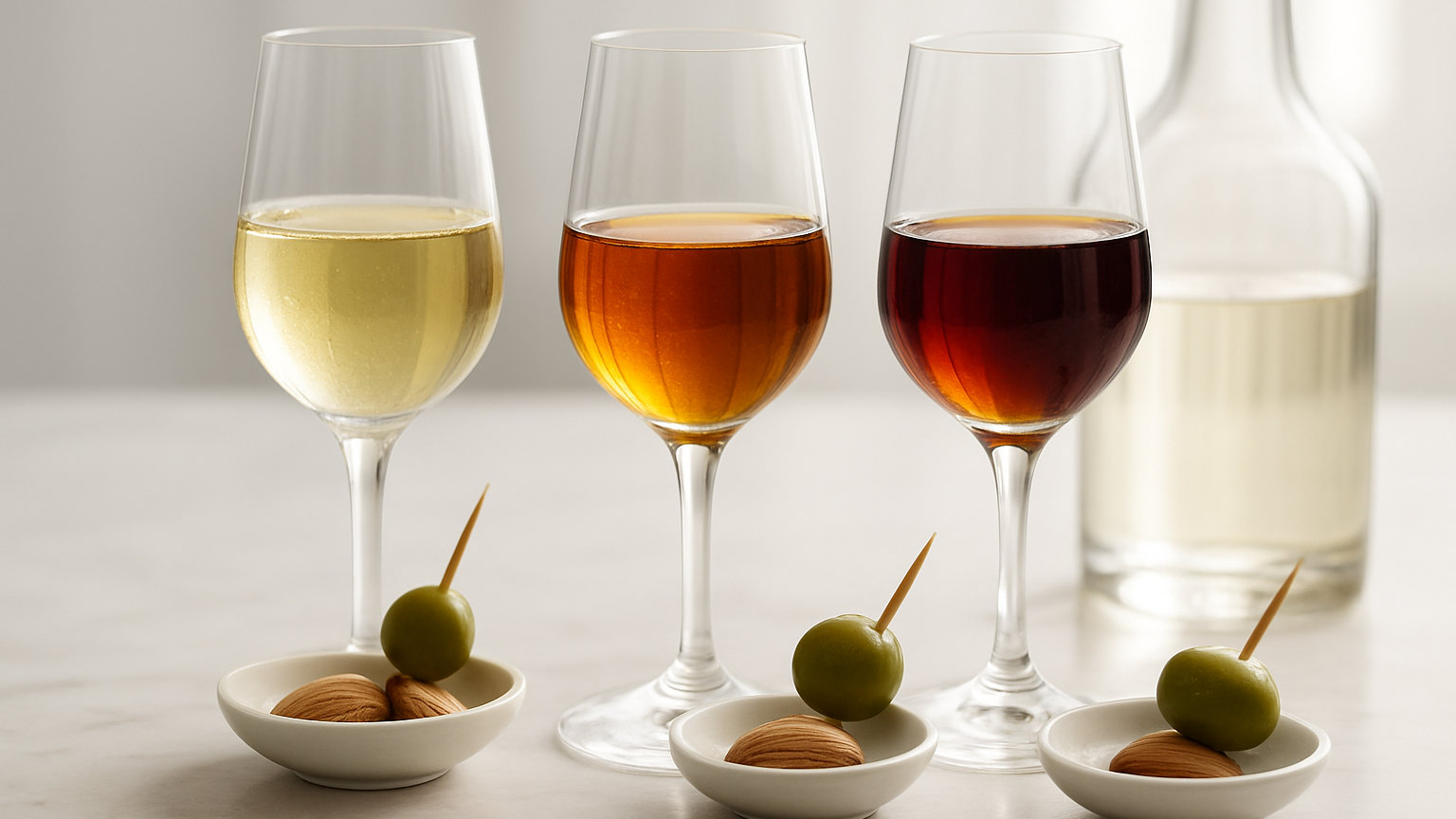
Most sherry is completely dry, and the sweet styles that shaped its reputation are a small and clearly labelled minority. The terms on the bottle are precise once you know them.
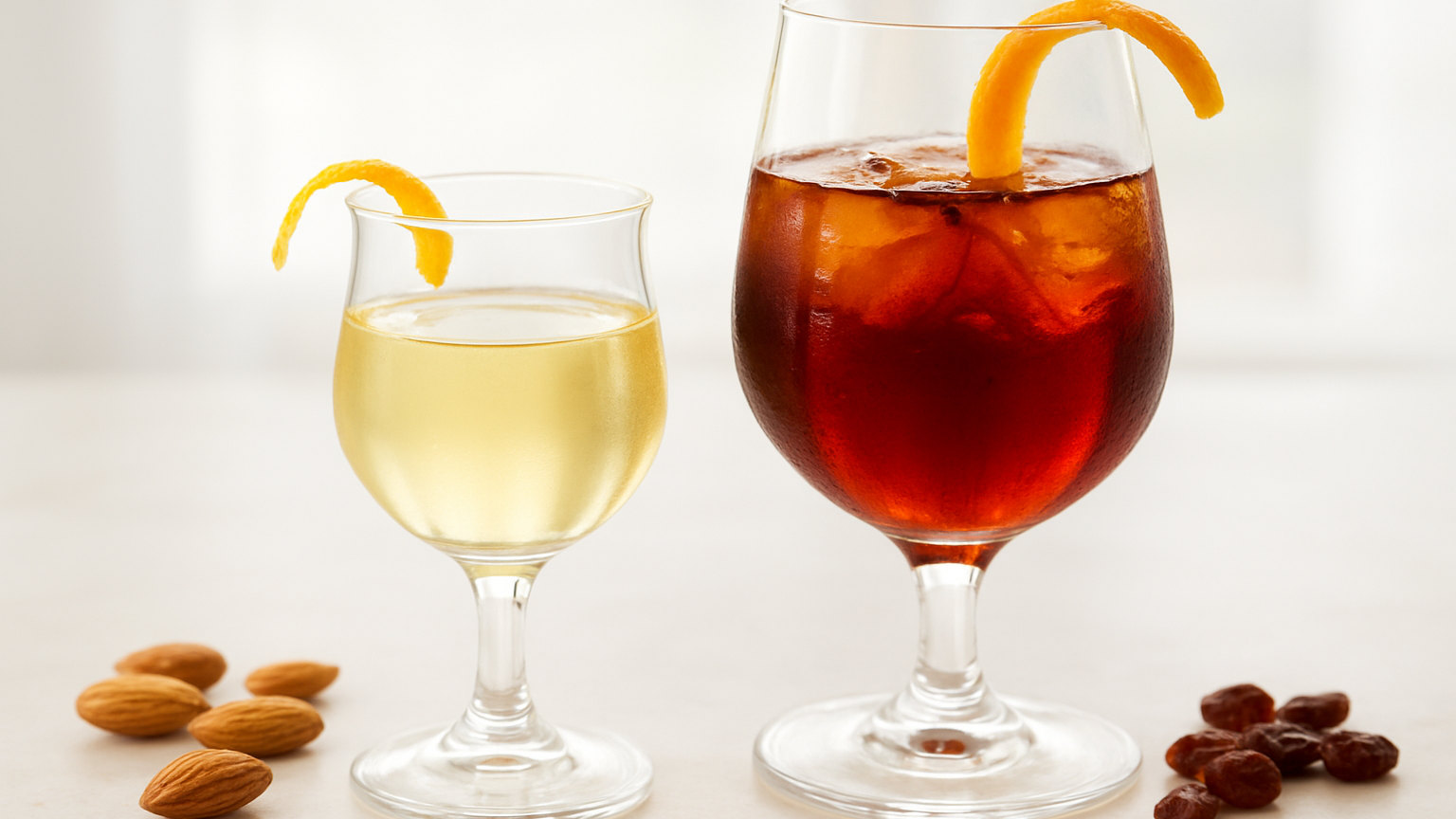
The two main styles of sherry are opposites in almost every respect, and choosing between them is the first real decision in the category. Both are bone dry.
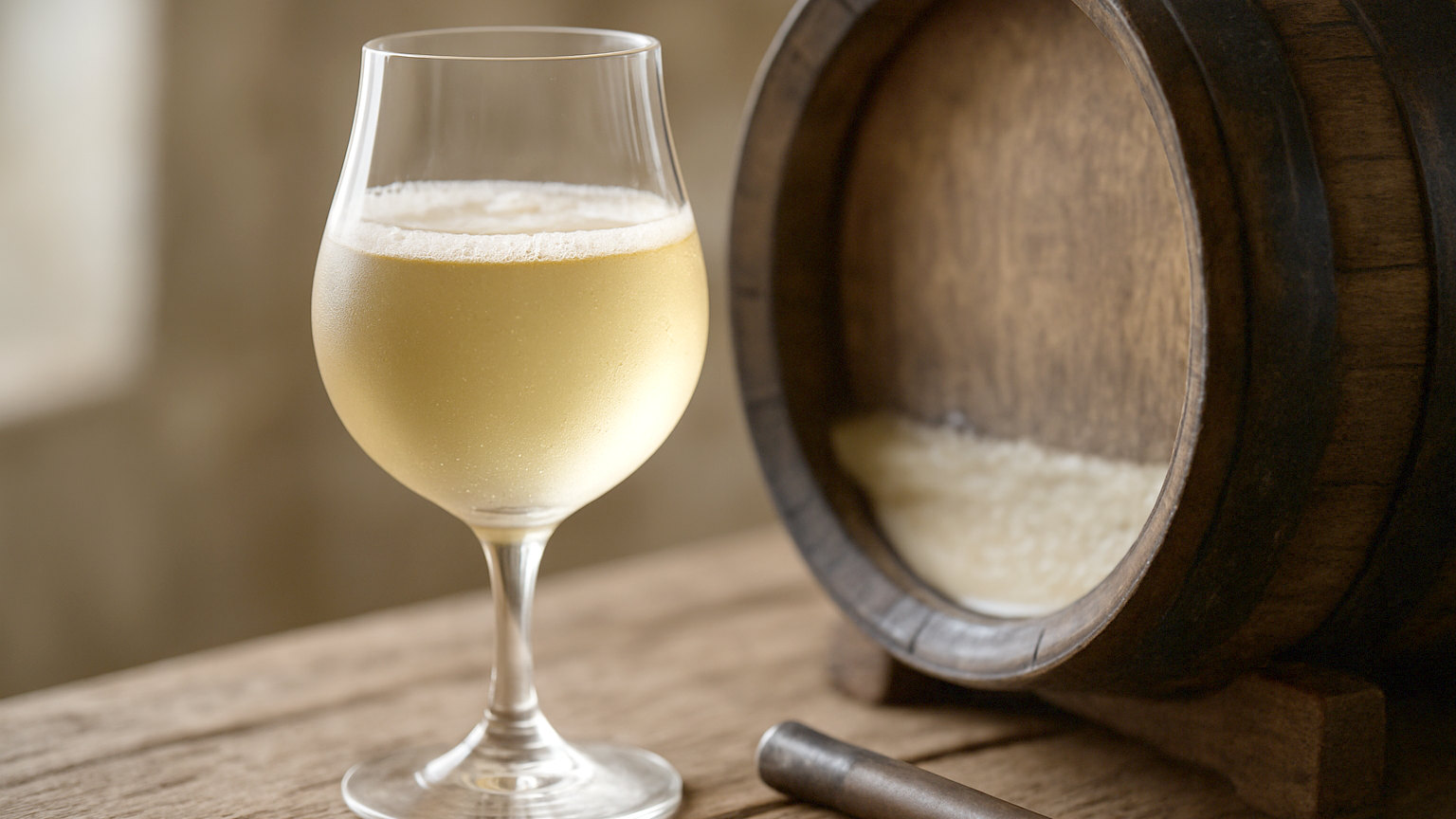
A living film of yeast grows on the surface of certain sherries, eating the wine and protecting it at the same time. It is the strangest process in winemaking and the reason fino tastes as it does.
Sherry is among the most complex and least expensive fine wine made, and it has an image problem in Britain that has almost nothing to do with what is in the bottle.