Double IPA, also called imperial IPA and frequently abbreviated to DIPA, is IPA scaled up. Strengths generally run from seven and a half to about ten per cent, with hop levels raised in proportion, and triple IPA pushes further still.
The word imperial is borrowed from imperial stout, where it referred to beer brewed strong for export to the Russian court. Applied to IPA it simply means big.
What changes at that strength
More malt is needed to reach the higher gravity, which brings more residual sweetness and body. That sweetness has to be balanced by more hops, which is straightforward in principle and awkward in practice.
The difficulty is that hop bitterness does not scale linearly with perception. Past a certain point, adding more isomerised alpha acid produces a harsh, lingering astringency rather than increased bitterness, and the beer becomes unpleasant rather than more intense.
Brewers therefore rely heavily on late additions and dry hopping to build aroma without pushing kettle bitterness further, and often use simple sugars in the boil to raise alcohol without adding body, keeping the beer from becoming cloying.
The balance problem
A well made double IPA hides its strength. The alcohol reads as warmth rather than heat, the malt supports rather than dominates, and the hop aroma is intense enough to justify the whole exercise.
A poor one is sweet, hot and heavy, with alcohol prominent in the finish and hop character struggling against the malt. This is what people mean when they describe a beer as boozy, and it is the most common failure in the category.
Achieving balance at nine per cent is considerably harder than at five, which is why the style is regarded as a test of a brewery rather than simply a way of making a strong beer.
Hazy versus West Coast
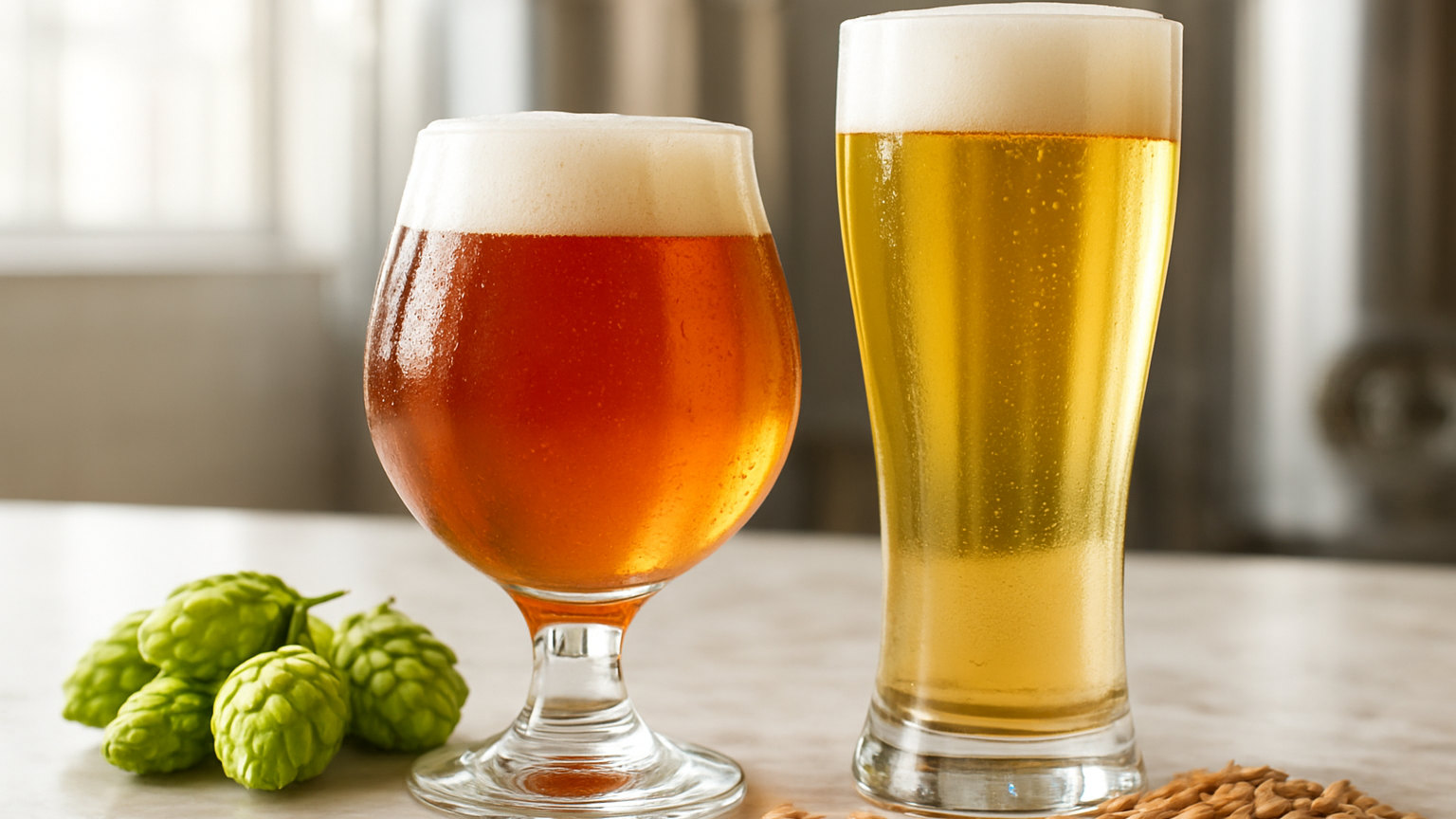
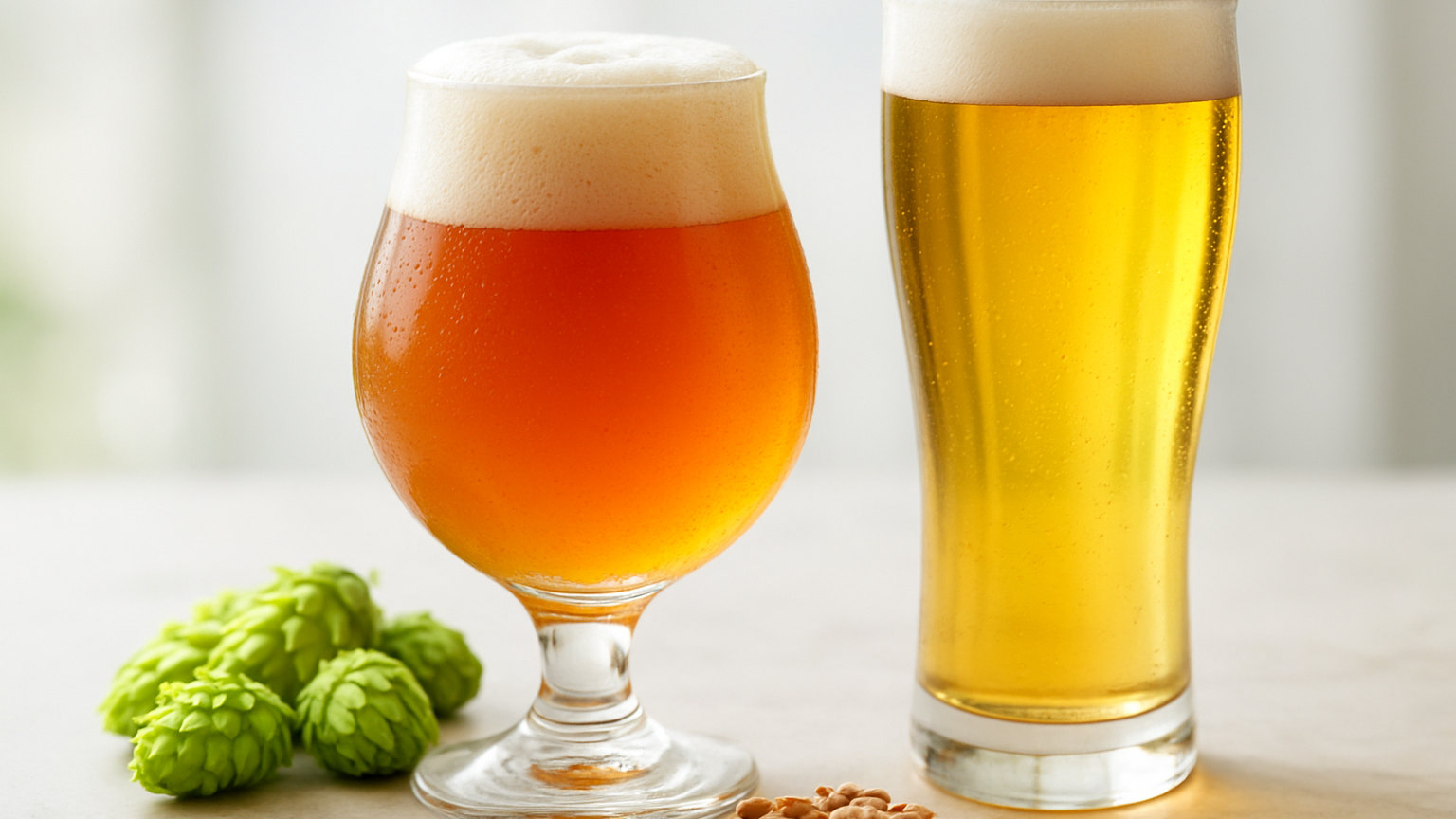
Both traditions have double versions and they are quite different propositions.
A West Coast double IPA is clear, dry and firmly bitter, with pine and resin character and a finish that cuts rather than lingers. The dryness is what keeps it drinkable at that strength.
A hazy double IPA is soft, full-bodied and low in bitterness, with intense tropical fruit aroma. These are frequently described as dangerously drinkable, which is accurate and worth taking seriously at nine per cent.
The lack of bitterness in the hazy style removes one of the natural brakes on consumption, and the beers can be considerably stronger than they taste.
Serving and storing
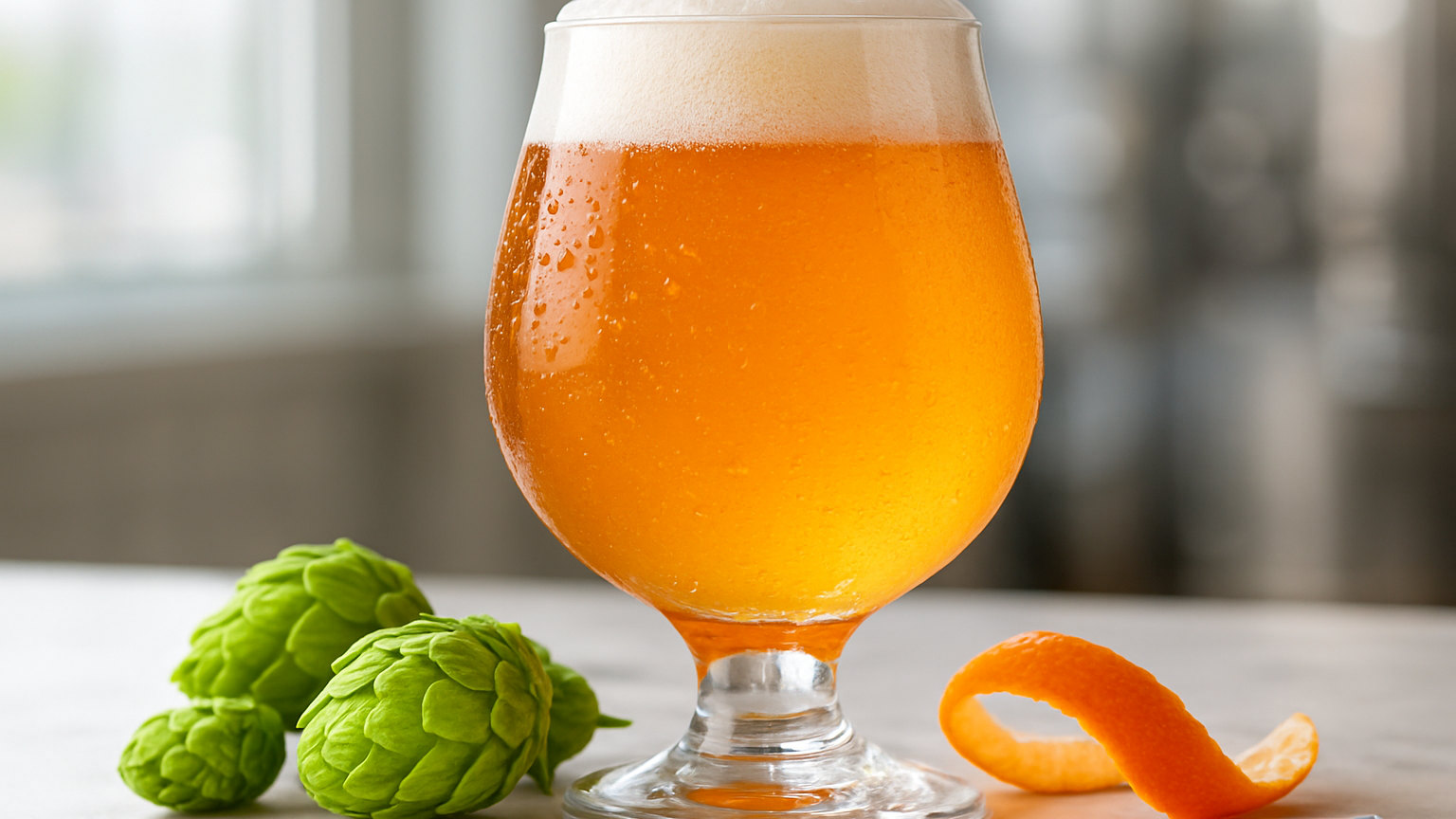
Serve warmer than a standard IPA, around ten to twelve degrees, since cold suppresses aroma and accentuates alcohol. Use a glass with a decent bowl and pour a modest measure.
Two thirds of a pint or a third is the sensible serve. A full pint at nine per cent contains roughly five units, which is worth knowing before ordering a second.
Storage follows the usual IPA rule with one adjustment. Hop aroma fades as fast here as anywhere, so these beers are best fresh despite their strength. The malt and alcohol will survive for a year or more, but what survives is a strong malty beer rather than the hop showcase you paid for.
The exception is a small number of intensely malty examples that age towards barley wine character, and that is a different beer rather than an improved one.
Whether it is worth buying
As an occasional beer, yes. The best examples deliver hop intensity that lower-strength beer cannot support, and there is a genuine reason for the style to exist beyond escalation.
As regular drinking, the arithmetic argues against it. These beers are expensive, high in alcohol and tiring in more than one glass, and a well made standard IPA delivers most of the pleasure at a fraction of the consequence.
Why the strength is easy to underestimate
A well made double IPA hides its alcohol deliberately, and hazy versions with low bitterness remove the astringency that would otherwise slow a drinker down.
The arithmetic is worth doing before ordering. A pint at nine per cent contains around five units, which is more than two pints of ordinary bitter. Serving these beers in thirds and two-thirds is standard practice in bars that stock them, and it is a sensible convention rather than a mean one.