A decade ago, haze in a pale beer was a fault. Today it is the defining feature of the most commercially successful style in craft brewing. The New England IPA, usually called hazy or juicy, took the category and inverted its two central characteristics.
What the style does differently
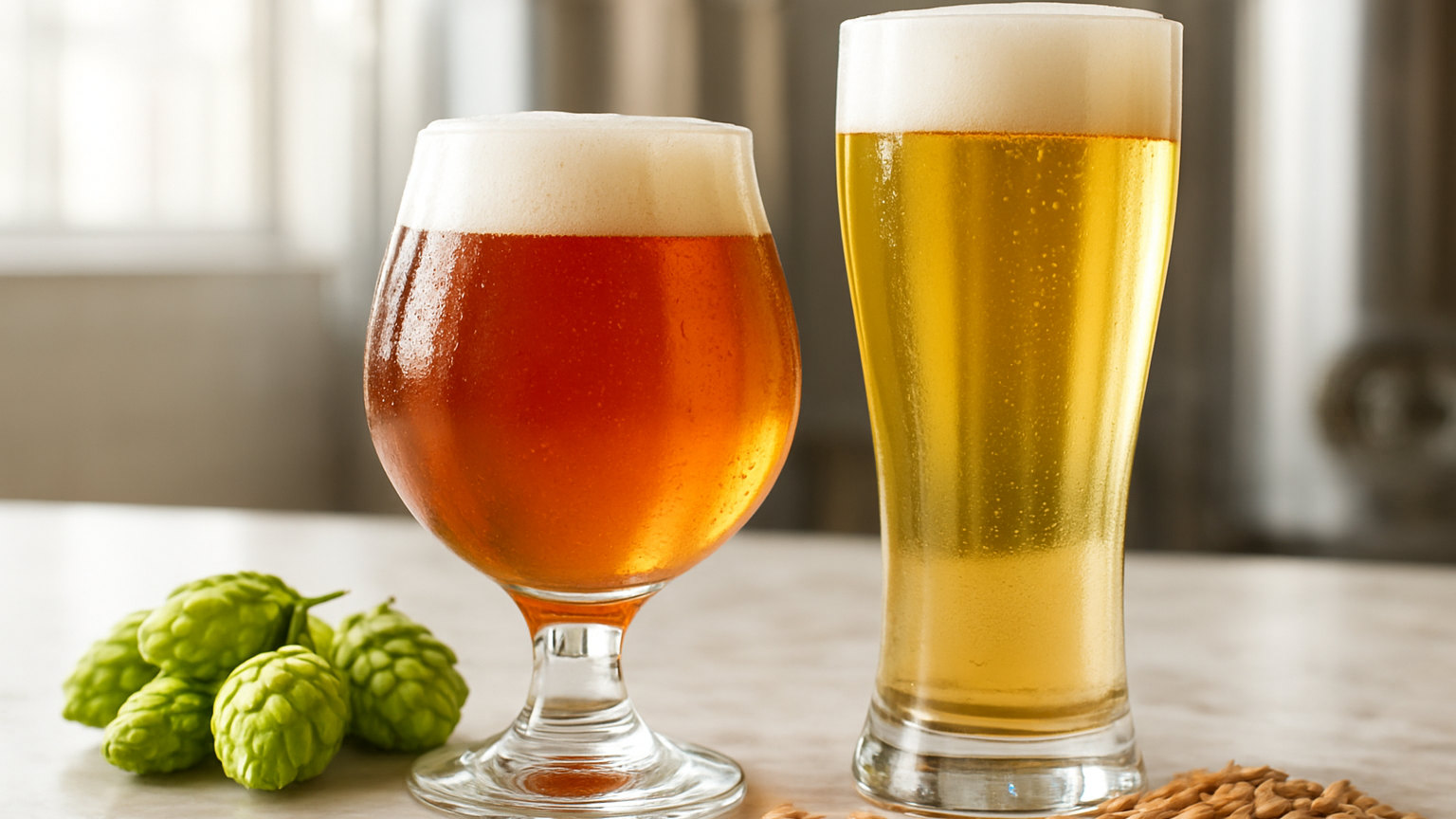
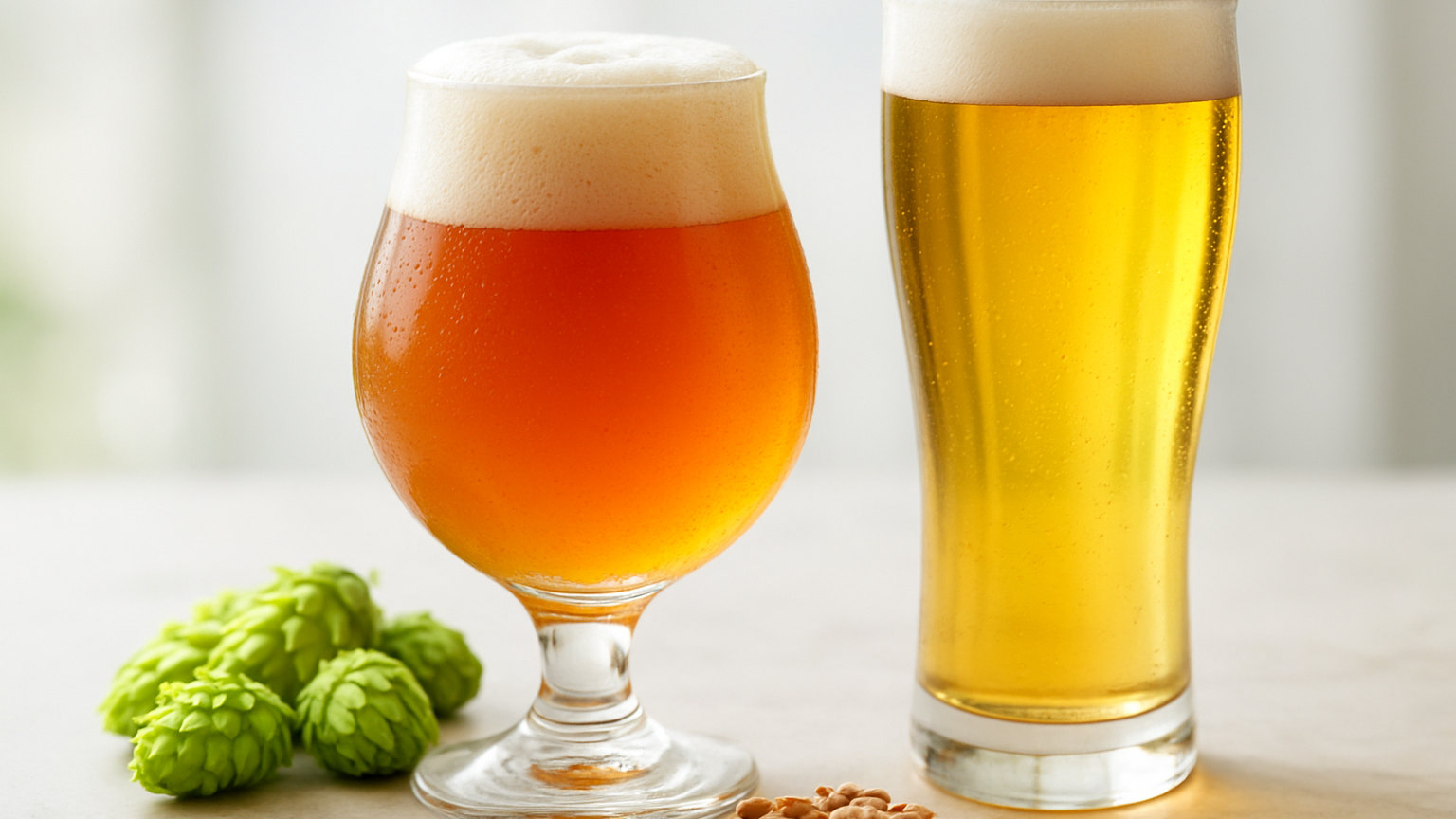
Traditional IPA was clear, bitter and dry, with hop character delivered largely through bitterness and a firm finish. Hazy IPA is opaque, soft, low in bitterness and full-bodied, with hop character delivered almost entirely as aroma and flavour.
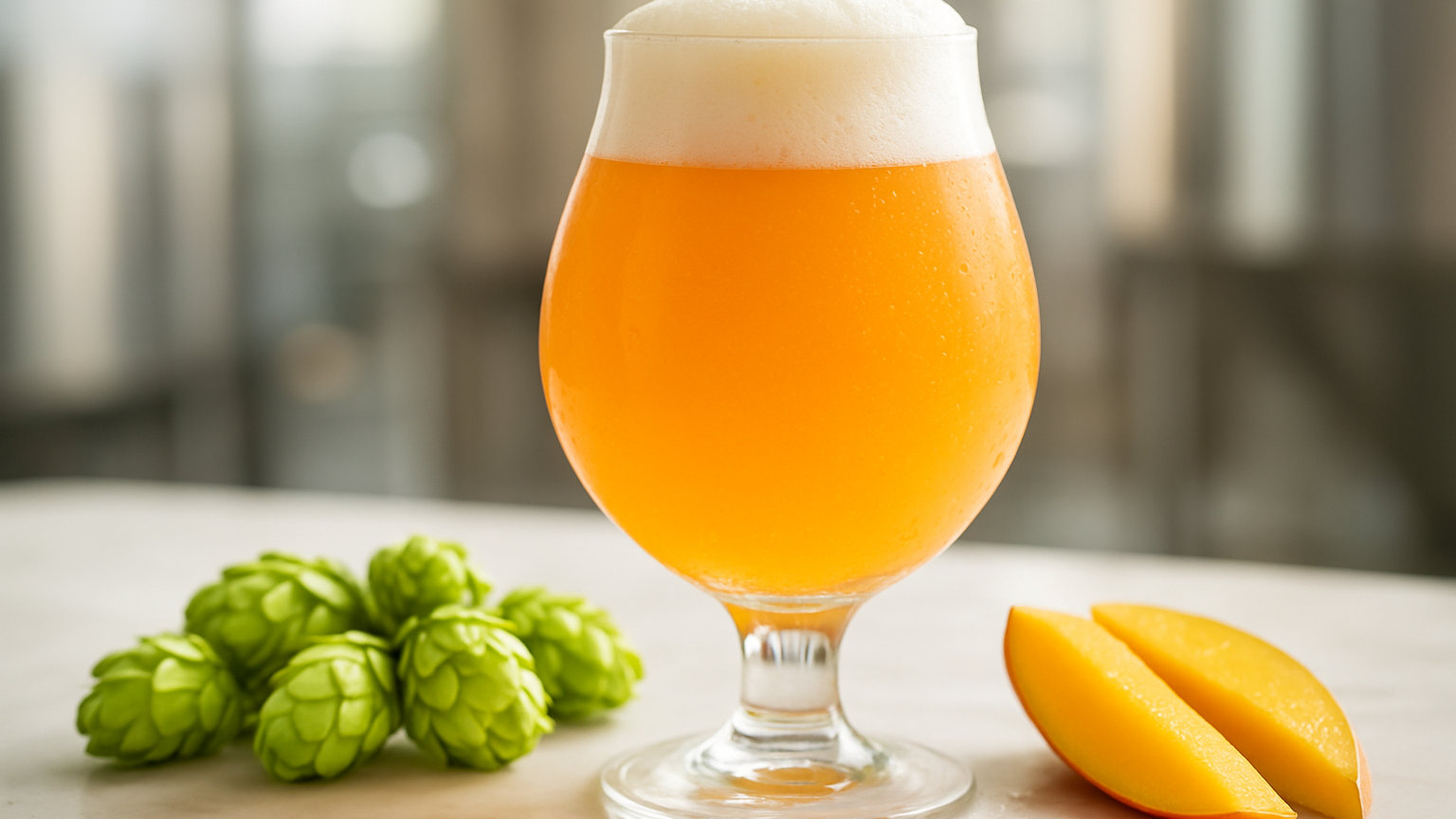
The descriptors that recur are tropical fruit, mango, passionfruit, stone fruit and citrus, with a texture frequently described as smooth or creamy. Bitterness is deliberately restrained, sometimes to the point where the beer reads as sweet.
The intention is to deliver the aromatic pleasure of hops without the astringency that traditionally accompanied it, which is precisely why the style attracted drinkers who had found earlier IPA punishing.
Where the haze comes from
Several things contribute, and none of them is simply unfiltered yeast.
Large quantities of hops added after fermentation introduce polyphenols, which bind with proteins from the malt to form a stable suspension. That protein and polyphenol complex is the main source of the haze.
Oats and wheat in the grain bill supply extra protein and contribute body, which is why almost every hazy IPA includes them. Particular yeast strains that stay in suspension rather than settling out add to the effect, and the water is treated with a high chloride to sulphate ratio, which softens the mouthfeel and rounds the perception of bitterness.
The haze is therefore a consequence of the techniques used to achieve softness and aroma rather than an objective in itself, though brewers now certainly aim for it because the market expects it.
Biotransformation
One technique deserves separate mention. Adding hops while fermentation is still active allows yeast enzymes to act on hop compounds, converting some of them into different aromatic molecules.
The result is fruit character that was not present in the hops alone, which is why these beers can taste of passionfruit and mango when the hops themselves smell of grapefruit and pine. The interaction between specific yeast strains and specific hops is now an active area of brewing craft.
Why it must be drunk fresh
This is the most important practical fact about the style. Hazy IPA is unstable in a way few beers are.
The aromatic compounds responsible for the fruit character oxidise quickly, and the protein and polyphenol structures that produce the haze and the texture break down. A hazy IPA at three months old typically tastes muted and vaguely oniony, with the bright fruit replaced by something dull and vegetal, and the appearance turning from bright opacity to a murky brown.
Four to eight weeks from packaging is the realistic window. Beyond twelve weeks, most examples are past the point where they are worth buying.
This is why breweries print canning dates prominently and why specialist retailers rotate stock aggressively. Buying a hazy IPA without checking the date is the single most common way to have a poor experience of the style.
How to buy and serve it
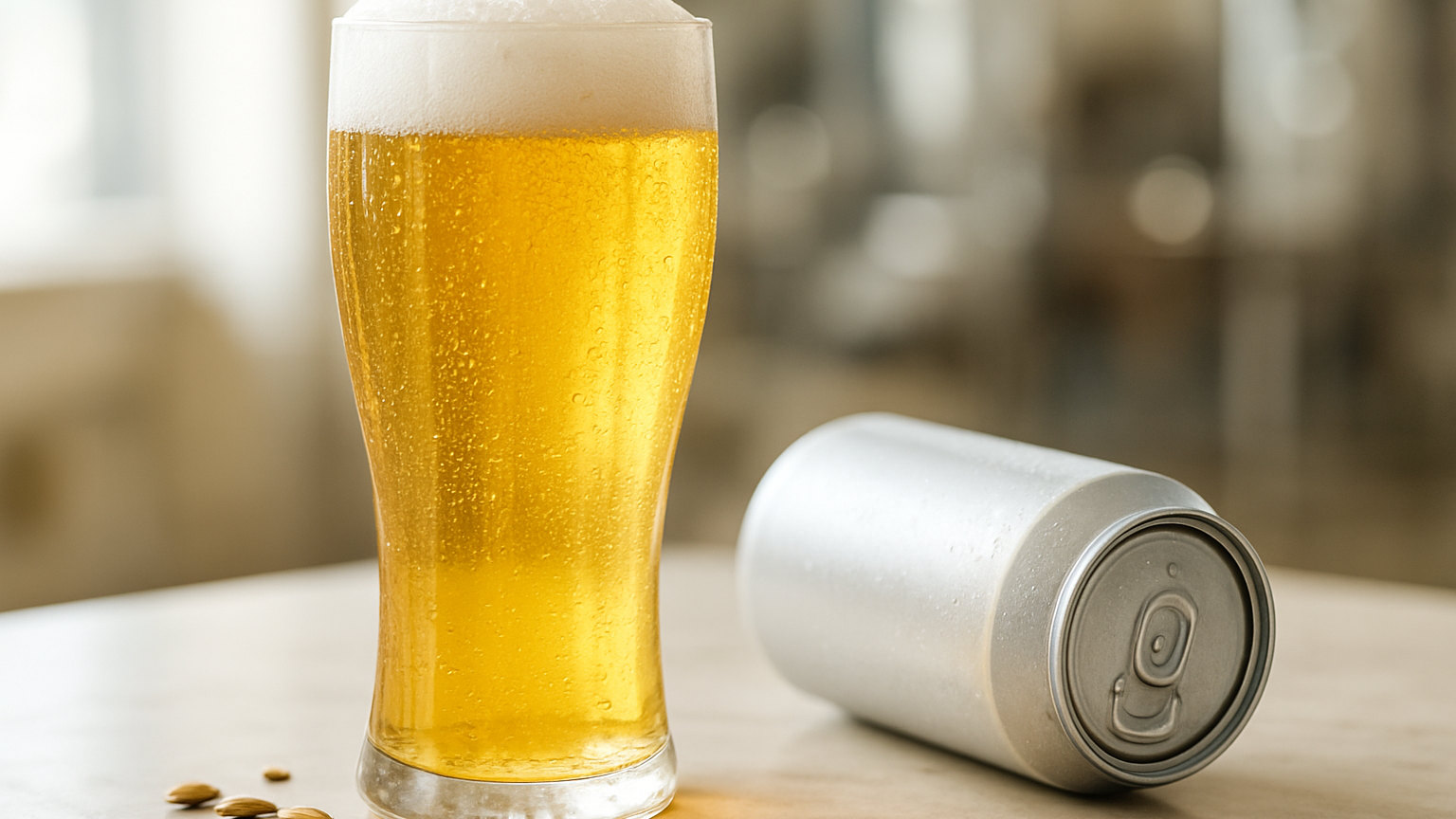
Check the date and buy the freshest available, preferably in cans, which exclude light entirely. Store cold, since refrigeration slows the staling substantially.
Serve at around eight to ten degrees rather than straight from a very cold fridge, and use a glass with a bowl that lets the aroma gather.
And accept that the style divides opinion legitimately. Drinkers who value dryness, bitterness and clarity find hazy IPA soupy and sweet, which is a coherent position rather than a failure to appreciate it. The best response is to try one of each, fresh, and decide which set of qualities you actually want.
Is the haze itself a fault?
It depends entirely on what the beer is meant to be. In a pilsner or a West Coast IPA, haze indicates a problem with fining, filtration or storage. In a hazy IPA it is the intended appearance.
What is a fault, even in this style, is haze that has gone from bright and stable to dull and murky, with sediment and a brownish cast. That indicates the protein structures have broken down and the beer is past its best, which is a different thing from being deliberately cloudy.