Before 1842, beer was mostly dark, cloudy and variable. The people of Plzeň in Bohemia were sufficiently unhappy with theirs that a public demonstration is said to have involved barrels of undrinkable beer being poured into the street, and the town's brewers responded by building a new brewery and hiring a Bavarian brewer named Josef Groll.
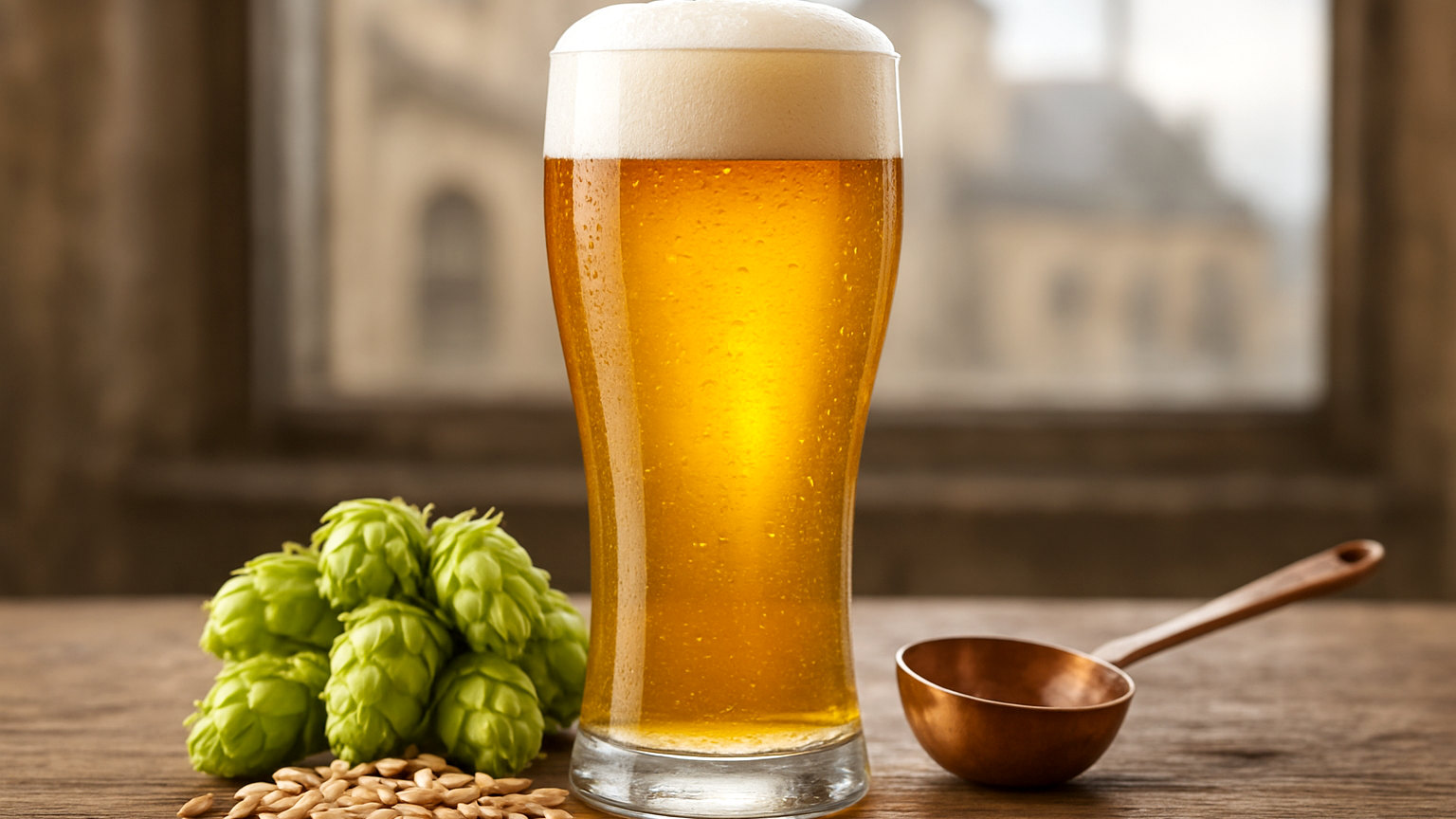
What Groll produced was a pale, golden, brilliantly clear beer that looked entirely unlike anything most drinkers had seen. Within a few decades it had been imitated across Europe and beyond, and it remains the template for the overwhelming majority of beer made in the world today.
The four things that came together
The innovation was a combination rather than a single idea, and each element mattered.
The malt was pale, kilned using indirect heat in the English manner rather than over a direct fire, which avoided the smoky, dark character of traditional malting. That produced a light-coloured grain and a light-coloured beer.
The water in Plzeň is exceptionally soft, very low in minerals, which allows a delicate malt character and a smooth rather than harsh bitterness. Brewers elsewhere spent decades trying to replicate it before water chemistry was properly understood.
The hops came from Žatec, known in German as Saaz, and are the classic noble variety: low in bitterness, high in aromatic oils, giving a spicy, floral, herbal character rather than the citrus and pine of modern hops.
And the yeast was a Bavarian bottom-fermenting strain, fermented cold and lagered for weeks, producing a clean beer with no ester character to obscure the malt and hops.
Why it spread so fast
Two developments outside brewing carried it. Glass drinking vessels became affordable in the nineteenth century, replacing pewter and stoneware, and for the first time ordinary drinkers could see their beer. A brilliantly clear golden lager was a spectacle in a way that a cloudy brown ale was not.
The railways did the rest, allowing beer to travel further and faster than before, and industrial refrigeration removed the constraint that lagering had previously required cold cellars and ice.
The name was not protected, so brewers everywhere began labelling their pale lagers pilsner, and the term became generic in most markets.
Czech and German styles
Two distinct traditions developed from the same origin, and the difference is worth knowing.
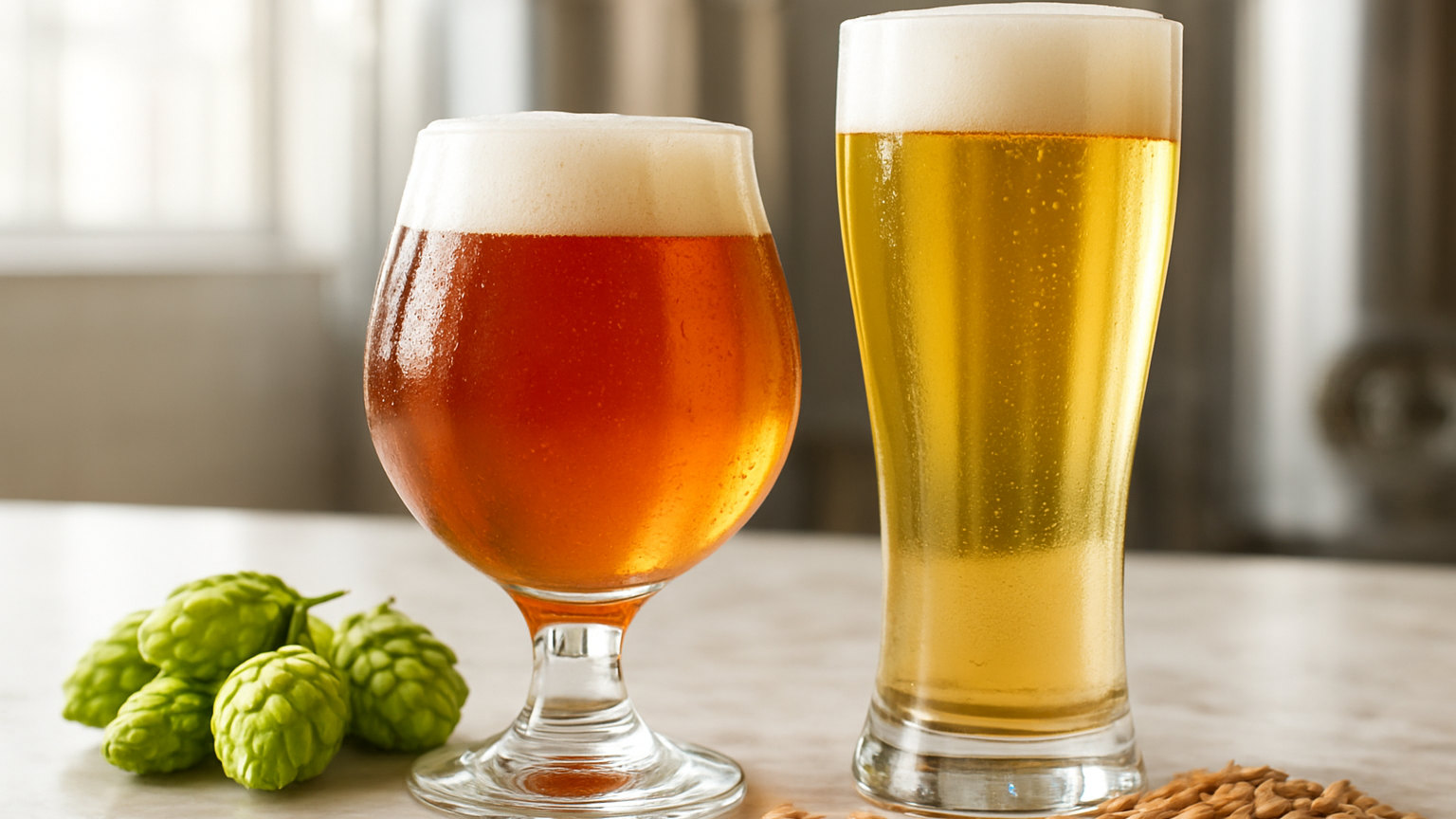
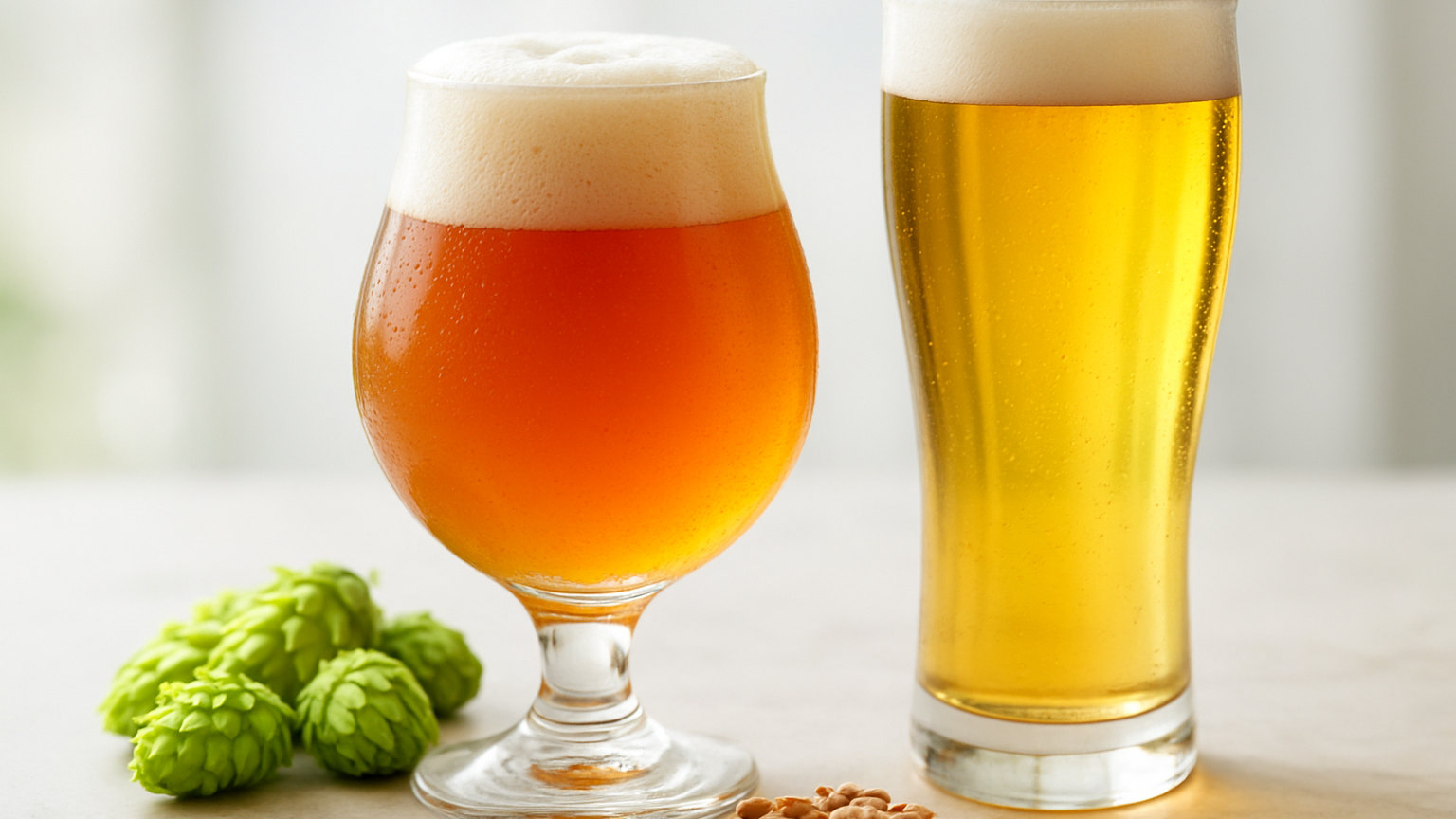
Czech pilsner is fuller and rounder, with a noticeable malt sweetness, a golden rather than straw colour, and a bitterness that is present but soft. Traditional production uses decoction mashing, where a portion of the mash is removed, boiled and returned, which develops richer malt character. The result is a beer with more body than most people expect from the word pilsner.
German pils is drier, crisper and paler, with a more assertive and lingering bitterness and less malt presence. Northern German versions are the most bitter of all, while those from further south are softer.
How to buy it
Freshness is the single most important factor, more than in almost any beer style. Pilsner depends on delicate hop aroma that fades within months, and a bottle past its best tastes flat and vaguely stale.
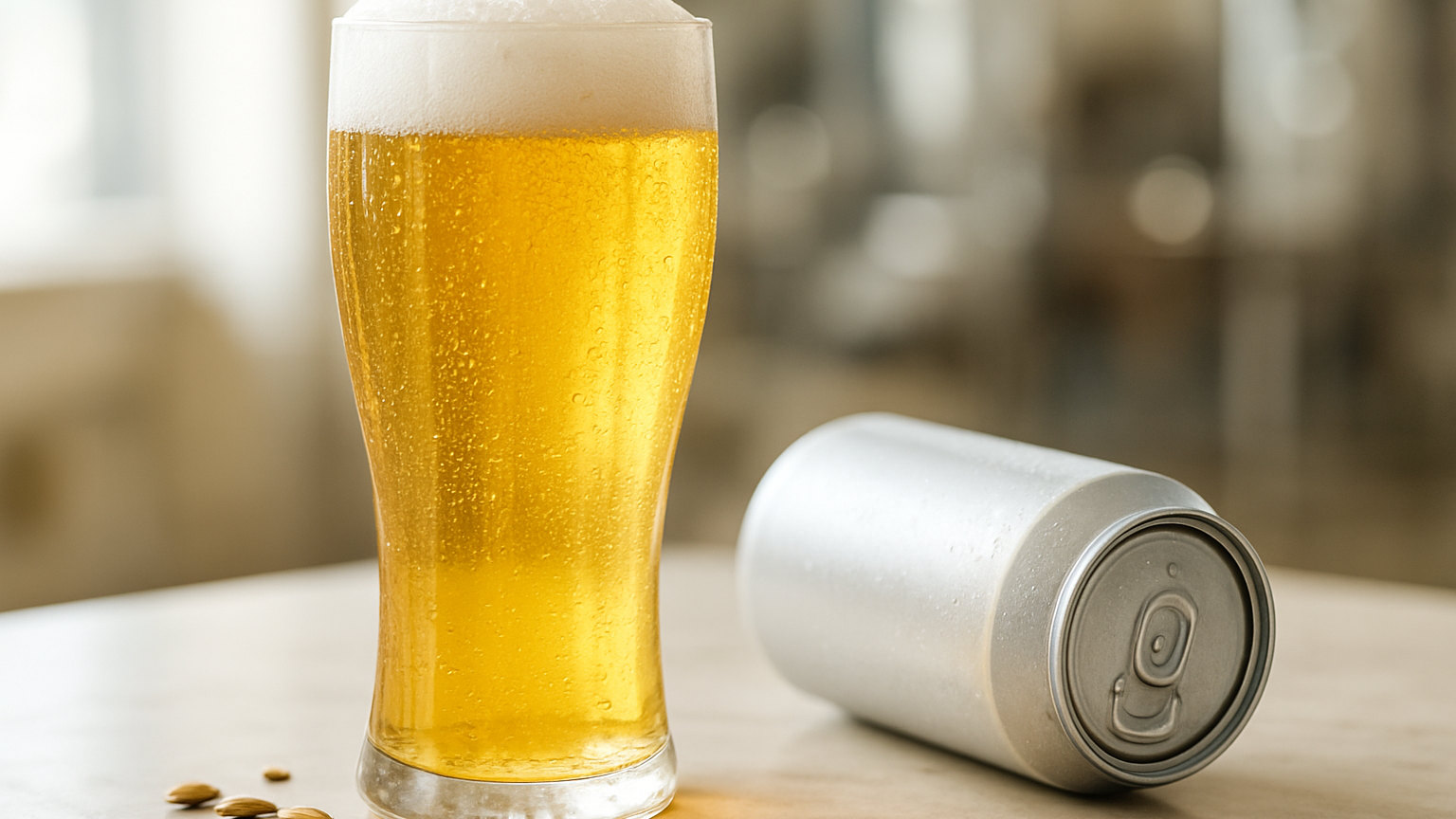
Check the date on the can or bottle and buy the freshest available. Prefer cans or brown glass over green or clear, since pilsner's high hop content makes it particularly vulnerable to light damage.
And if your experience of the style comes from mass market lager labelled pilsner, a properly made Czech or German example is worth trying. It is the same lineage, and a great deal more happens in the glass.
Why the name means so little now
Pilsner was never protected as a term in most markets, which is why brewers everywhere adopted it for any pale lager regardless of how it was made. The original brewery eventually asserted its claim to the town's name, which is why the world's first pilsner is sold under a name meaning original source.
The practical consequence is that pilsner on a label tells you the beer is pale and probably a lager, and nothing else. The country of origin and the brewery are considerably more informative than the style name.