Few pieces of food legislation are cited as often as the Reinheitsgebot, the German beer purity law of 1516. It appears on bottles, in advertising and in conversation as shorthand for beer made properly, and the reality behind it is more interesting and rather less pure than the marketing suggests.
What the original law said
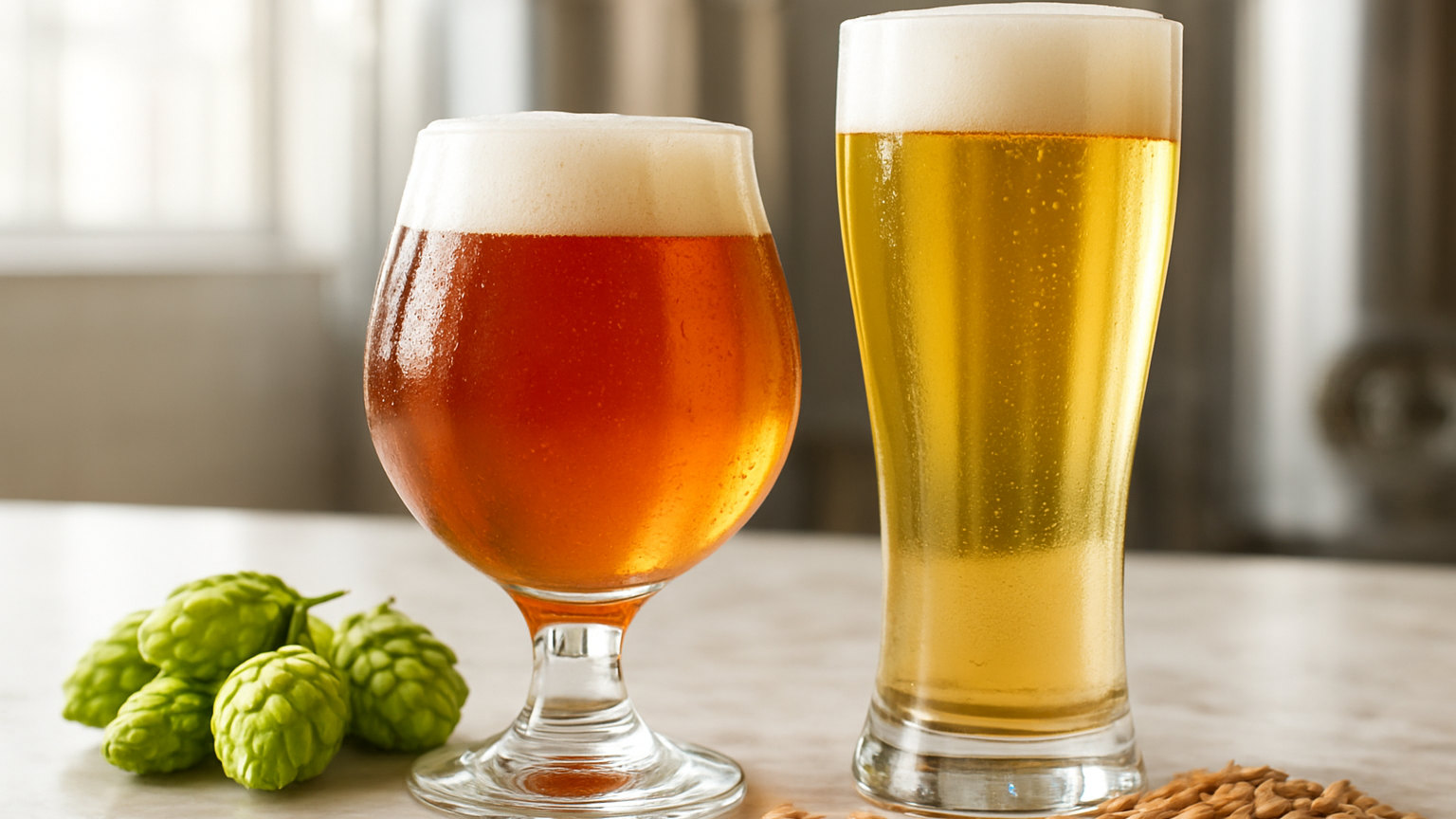
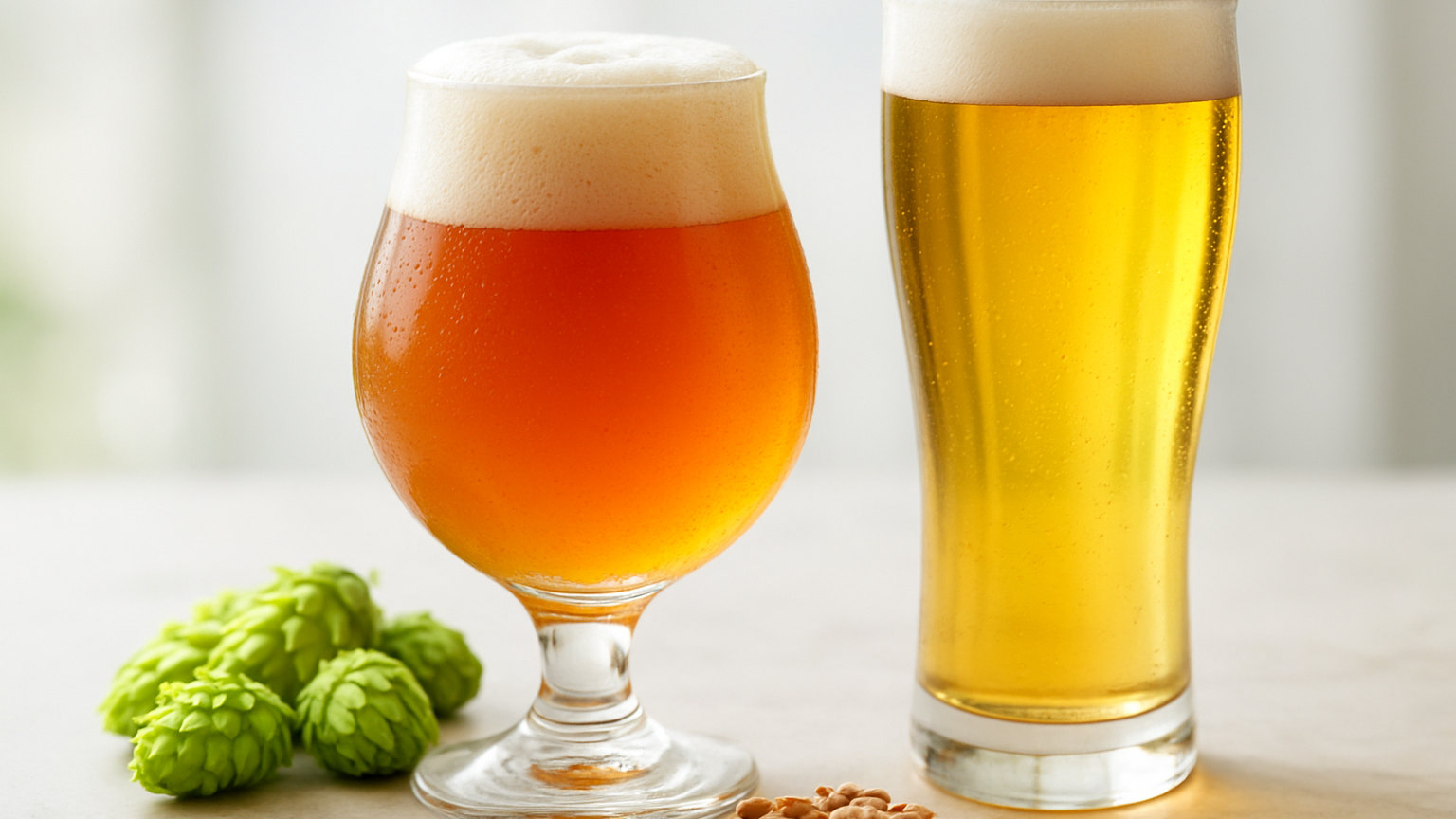
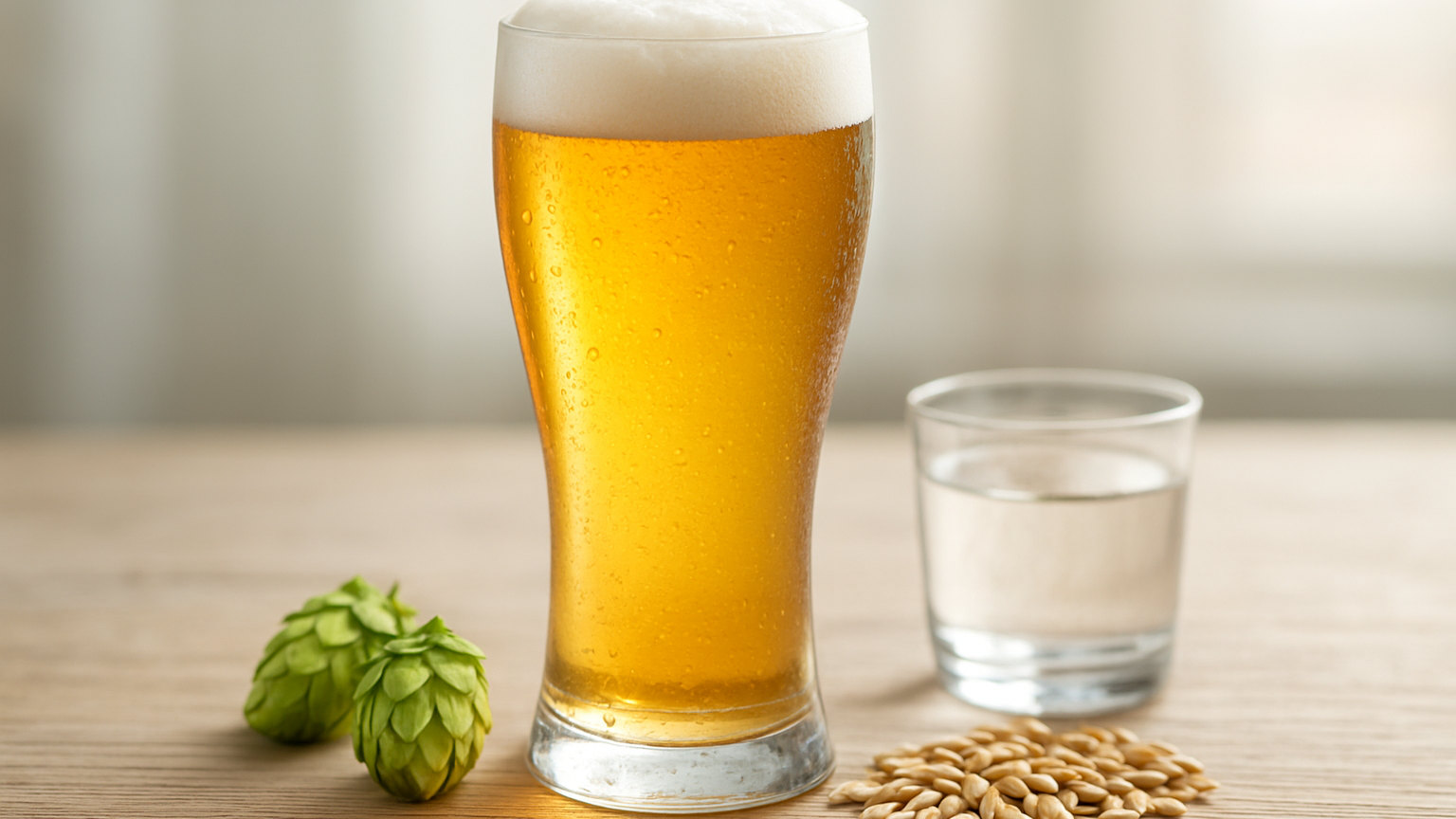
The decree issued in Bavaria in 1516 specified that beer should be made from barley, hops and water. Yeast is absent from the list not because it was excluded but because nobody knew it existed; fermentation was understood as something that happened rather than something caused by an organism.
The law also set maximum prices, which is a reminder that it was economic legislation as much as anything else.
Two motives are generally identified. The first was food safety, since brewers had been using a range of additives including herbs, roots and in some cases genuinely dangerous substances. The second was to reserve wheat and rye for bakers, keeping bread affordable by preventing brewers from competing for the grain.
Whether it was primarily consumer protection or grain policy is a question historians answer differently depending on emphasis, and both elements were clearly present.
What applies now
The 1516 decree is not the operative law today. Modern German brewing is governed by later legislation, generally called the Provisional Beer Law, which permits yeast and distinguishes between beer types.
For bottom-fermented beer, meaning lager, the permitted ingredients remain water, malted barley, hops and yeast. For top-fermented beer, meaning ale, other malted grains including wheat are allowed, which is what makes German wheat beer legal despite the traditional framing of the law.
The rules apply to beer brewed in Germany for the German market. European court rulings established that beer legally produced elsewhere in the European Union may be sold in Germany regardless of whether it meets the standard, so the law restricts German brewers rather than German shelves.
What it does and does not guarantee
It guarantees the absence of adjunct grains such as rice and maize, and of artificial additives, colourings and preservatives. In a mass market where cheaper grains are widely used to lighten body and reduce cost, that is a genuine distinction.
What it does not guarantee is quality. A beer made from four ingredients can be brewed carelessly, conditioned inadequately and shipped stale. Purity of ingredients and excellence of execution are separate matters, and the law addresses only the first.
Nor does it guarantee tradition, since a great deal of German beer is made in large modern breweries using entirely industrial processes within the permitted ingredient list.
The argument against it
German craft brewers have been notably critical, and their objection is straightforward: the law prohibits techniques that are legitimate elsewhere. Adding fruit, spices, coffee, honey or oats places a beer outside the definition, so a German brewer wanting to make a Belgian-style witbier with coriander and orange peel cannot call the result beer under the traditional standard.
Exemptions and workarounds exist, and such beers are made and sold, but the framework shapes what German brewing looks like.
The counterargument is equally reasonable: the law preserved a coherent brewing culture through a century in which cost pressures pushed brewers elsewhere towards cheaper ingredients, and German lager's reputation owes something to that.
How to read it on a label
Treat it as an ingredient statement rather than a quality claim. A beer brewed to the Reinheitsgebot contains malted barley rather than rice or corn, which tells you something about body and flavour and nothing about how well it was made or how fresh it is.
Given a choice between an all-malt lager conditioned properly and one brewed to the same standard and rushed to market, the difference in the glass will be considerable, and the label will look identical.
Similar rules elsewhere
Germany is not alone in regulating beer ingredients, though its law is the best known. Several countries and regions maintain designations covering traditional production, and within the European framework certain beers hold protected geographical status tied to where and how they are made.
The general pattern is the same as in wine: such rules verify method and origin rather than quality, and they tend to preserve established practice at the cost of restricting innovation. Whether that trade is worth making is a genuine argument rather than a settled one.