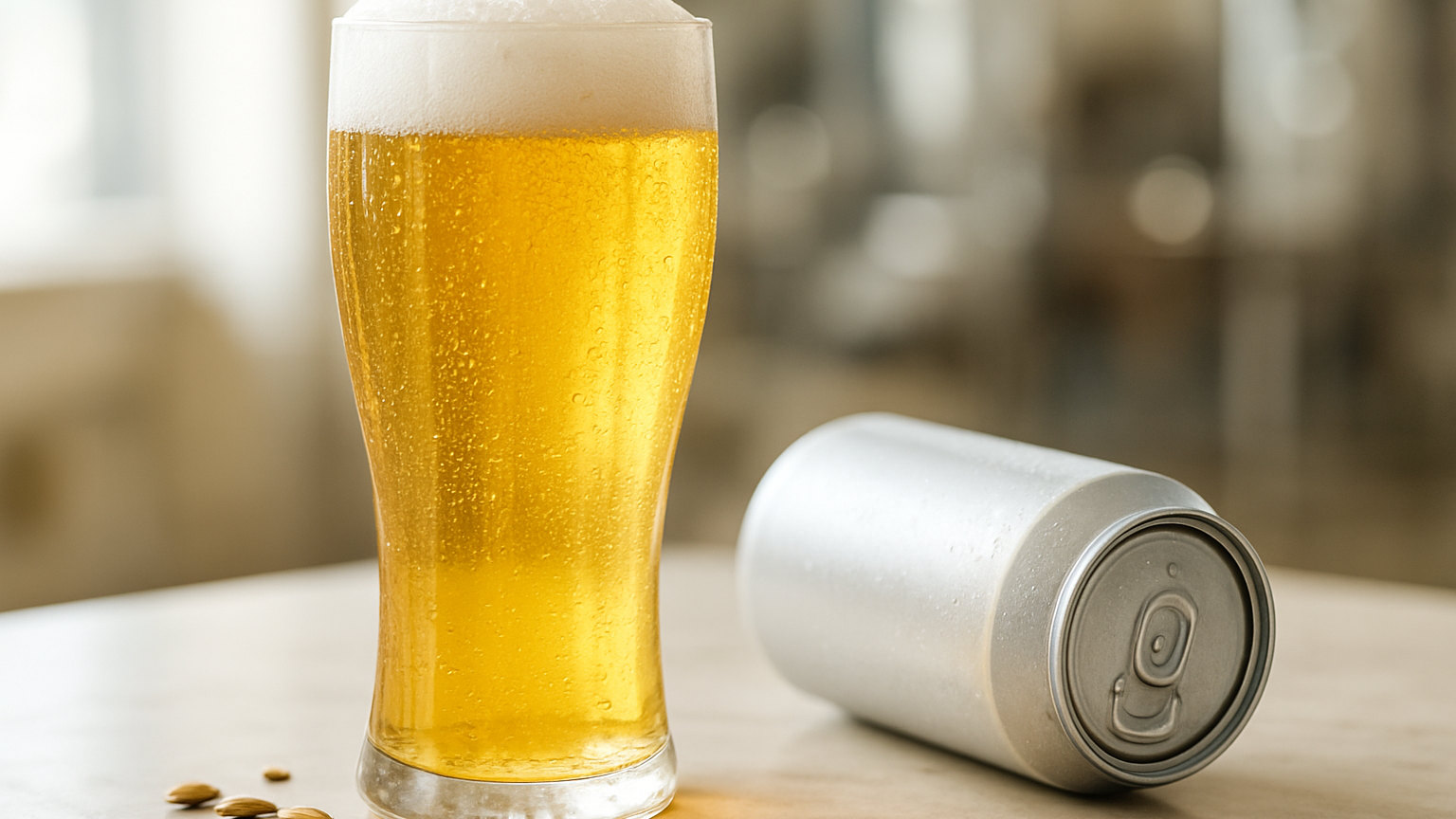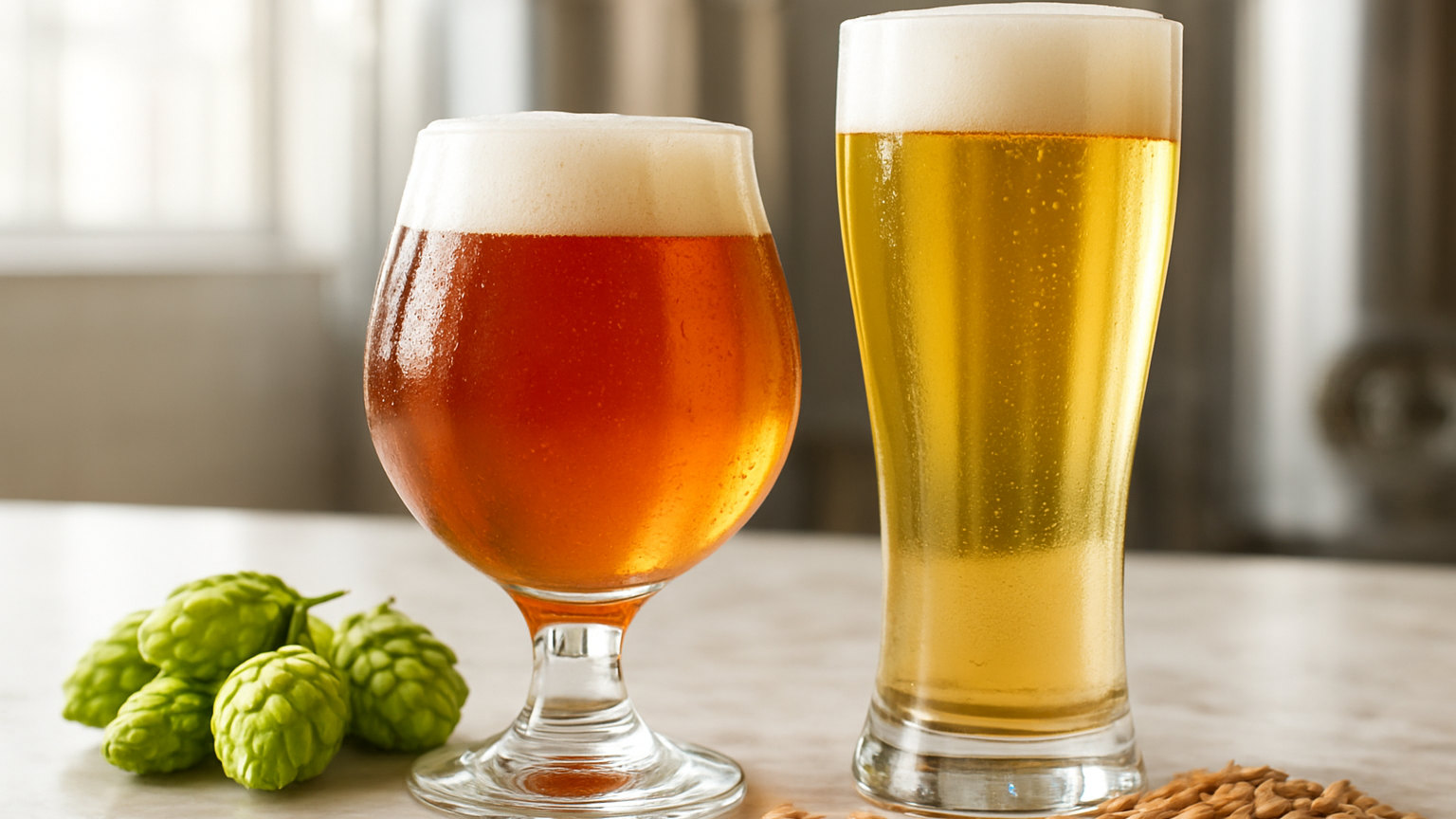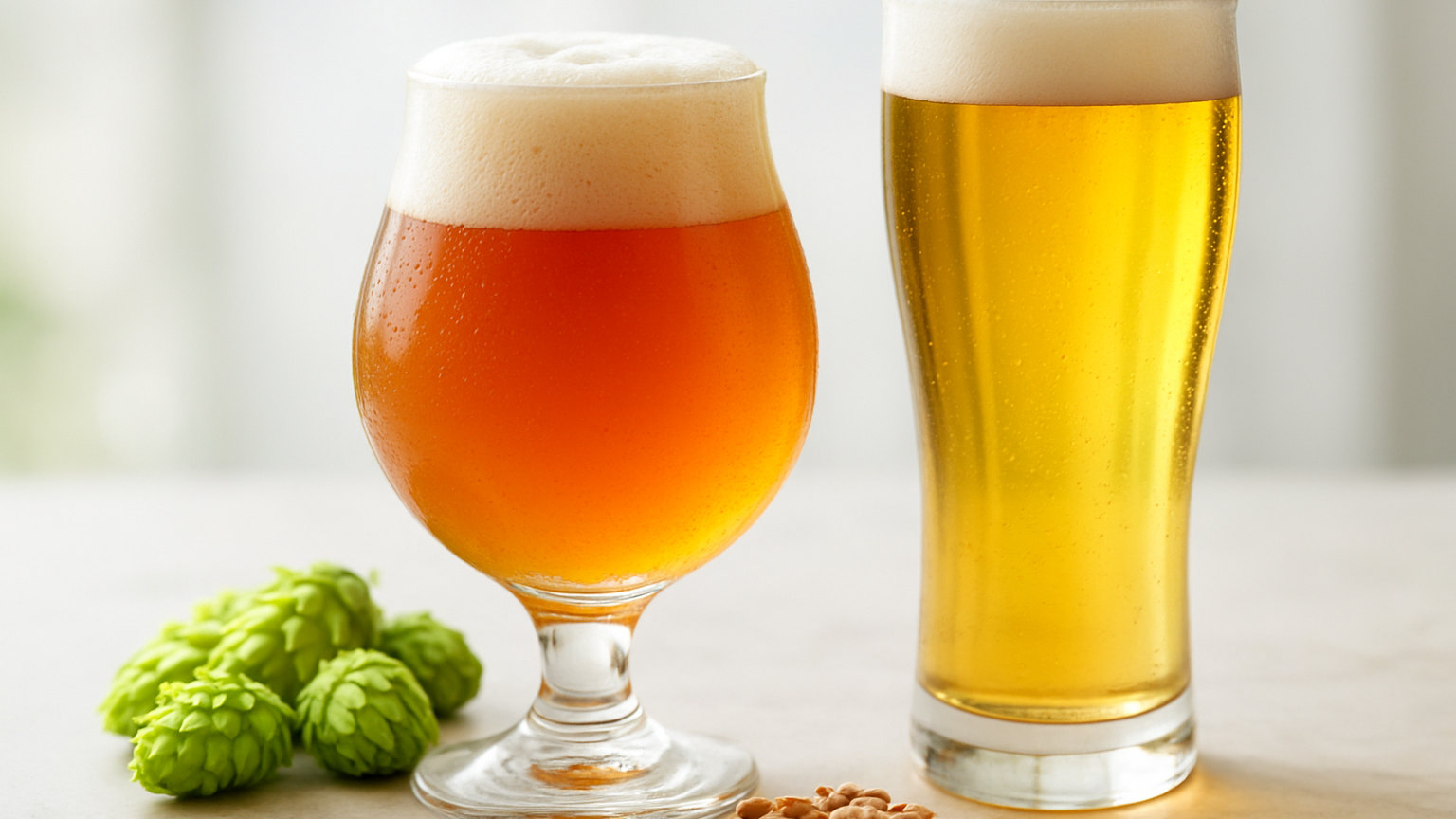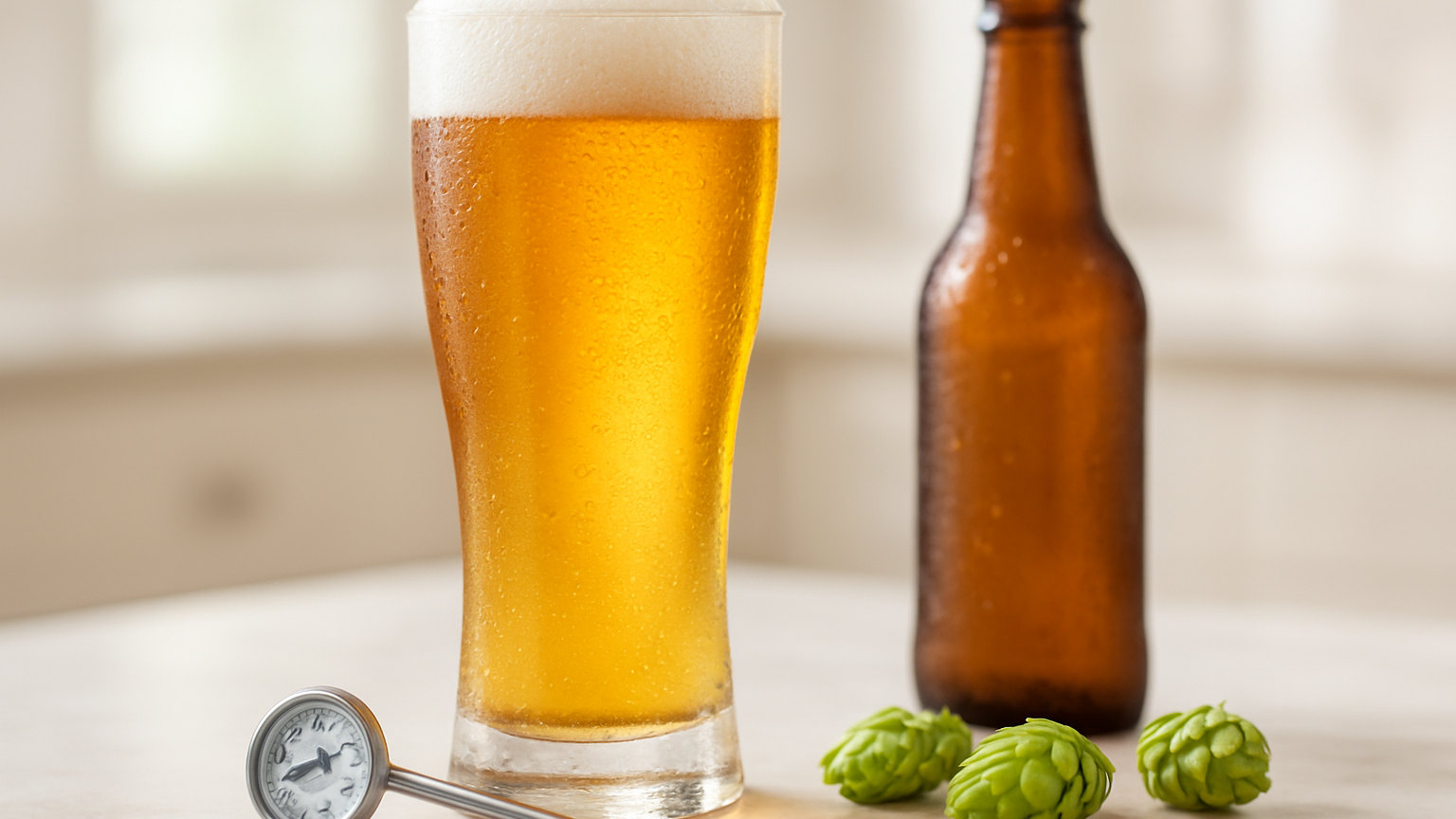
Lager in Britain is served cold, and a good deal of it is served very cold indeed, with some brands promoted specifically on how close to freezing they arrive. There is a reason for the convention beyond refreshment, and it is not entirely flattering to the beer.
What cold does to flavour
Low temperature suppresses volatility, so fewer aromatic compounds evaporate from the surface of the liquid and reach the nose. Since most of what we experience as flavour is actually smell, a very cold drink tastes of noticeably less.
Cold also mutes sweetness and enhances the perception of carbonation and bitterness, which is why an ice-cold lager reads as crisp and sharp.
Put together, these effects produce a drink that is refreshing and largely flavourless. For a beer with subtle malt and hop character, that is a loss. For a beer with off-flavours or very little happening, it is a considerable advantage, and this is the uncomfortable part: extreme chilling conceals shortcomings as effectively as it conceals virtues.
The temperatures that suit each style
Mass market pale lager is designed to be drunk between about three and five degrees, and there is no reason to fight that. It was built for the temperature it is served at.
Proper pilsner, Czech or German, shows considerably more between six and eight degrees. The Saaz hop character and the malt body both become apparent, and a glass straight from a very cold fridge will show neither.
Helles, dunkel and märzen want eight to ten degrees, where the malt sweetness that defines them can be tasted.
Bock and doppelbock want ten to twelve, closer to the cellar temperature of a British ale. Serving a doppelbock at fridge temperature wastes almost everything that makes it worth buying.
The general rule across beer is that the darker and stronger the beer, the warmer it should be served, and lager follows it exactly.
How the convention took hold
Refrigeration and pale lager arrived together in the late nineteenth century, and the association has been reinforced ever since by marketing that sells beer on refreshment rather than on flavour.
Britain's beer culture then split in an unusual way. Cask ale is served at cellar temperature, around eleven to thirteen degrees, which visitors from lager cultures frequently mistake for warm. Lager is served very cold, sometimes through extra-cold fonts that chill it further on the way to the glass.
The result is a market where the two categories sit at opposite ends of the temperature range, and where a middle position that would suit many beers is rarely used.
Practical adjustments
The simplest change for anyone drinking better lager at home is to take the bottle or can out of the fridge fifteen minutes before opening it. That moves a beer from around four degrees to six or seven, which is where a pilsner starts showing what it has.
Glassware helps too. A cold glass keeps the beer cold, and a glass straight from a freezer will frost and hold the temperature down throughout. That is desirable for a mass market lager on a hot day and counterproductive for anything with aroma.
Pouring properly also matters more than most people expect. A vigorous pour that raises a good head releases aromatics and reduces excess carbonation, and a beer poured gently down the side of a tilted glass to avoid any foam will taste flatter and gassier.
The test worth doing
Take two bottles of the same decent lager. Drink one straight from the fridge and leave the other on the worktop for twenty minutes.
Most people find the warmer one has noticeably more malt sweetness and hop aroma and tastes less aggressively fizzy. Whether that is an improvement depends on the beer and the weather, which is the honest answer: cold is not wrong, it is a choice, and it is worth making it deliberately rather than by default.