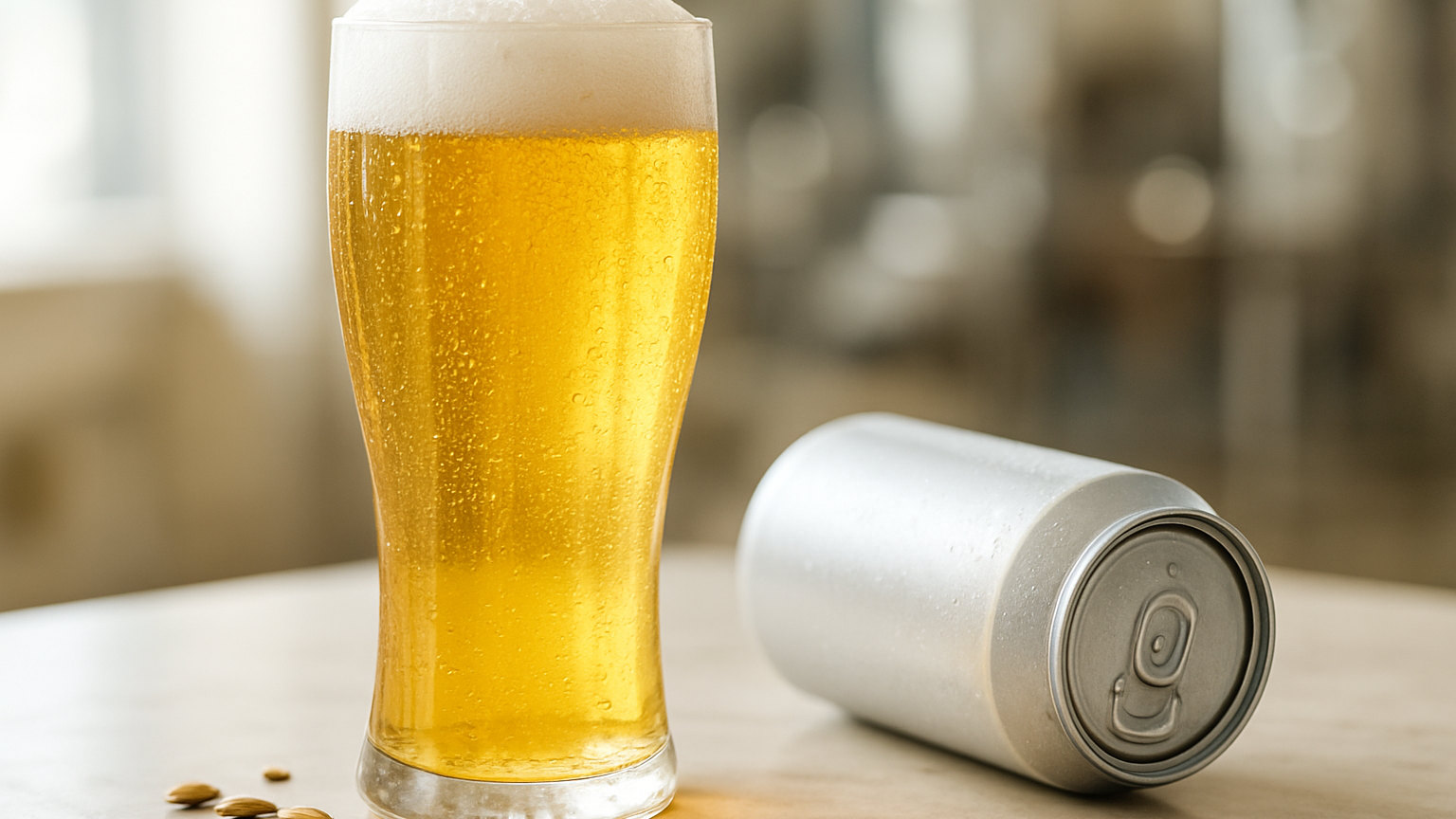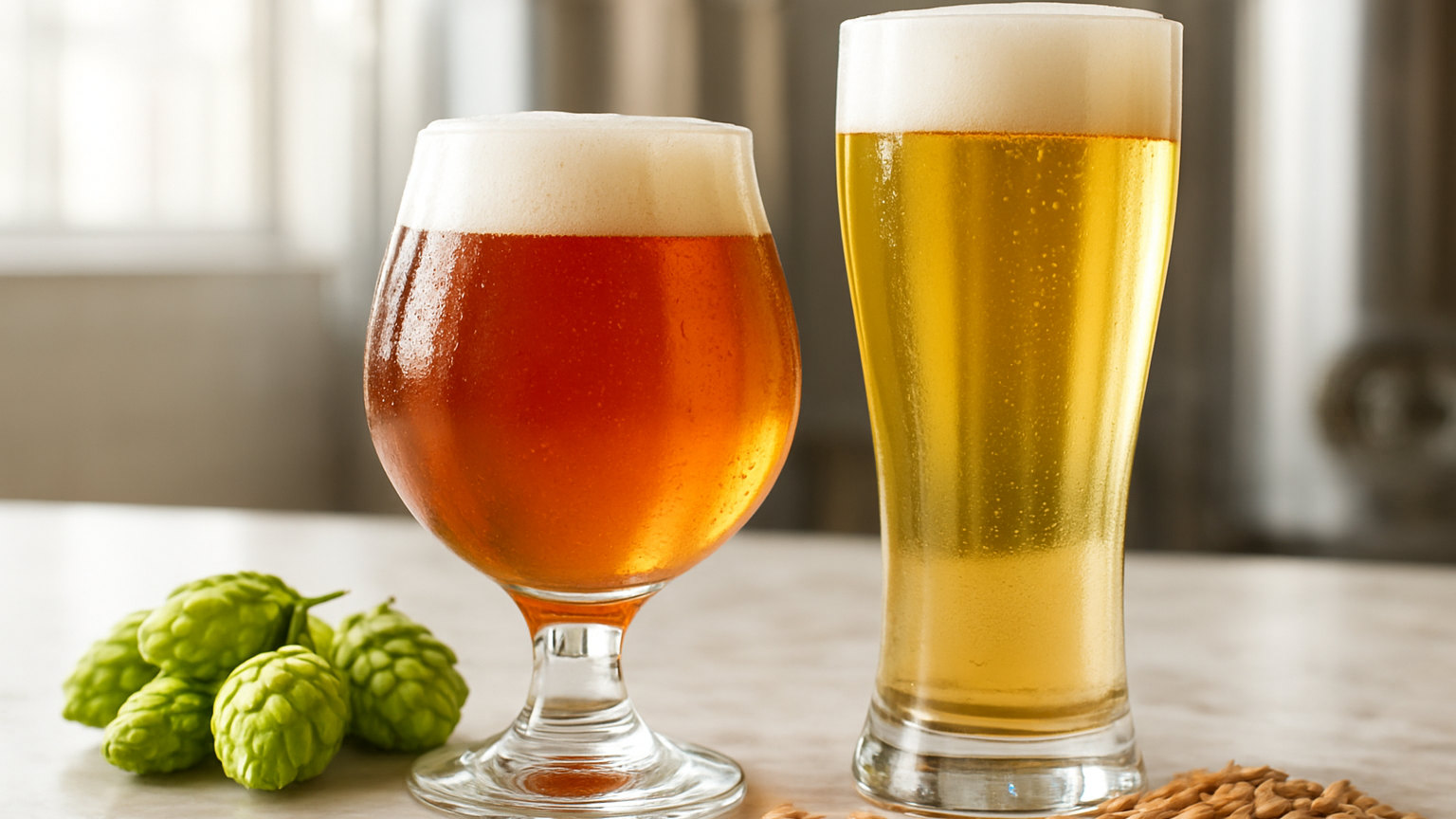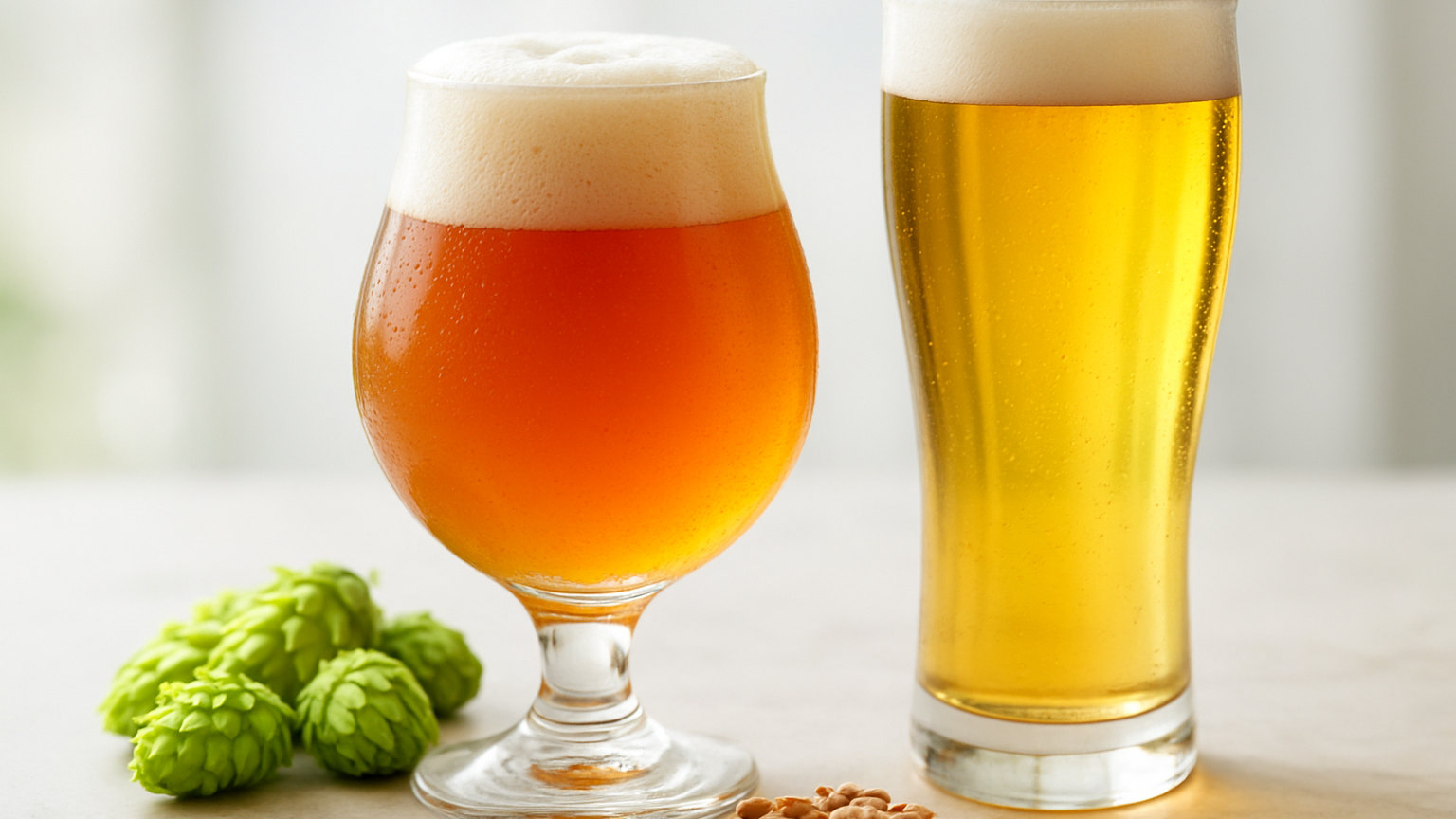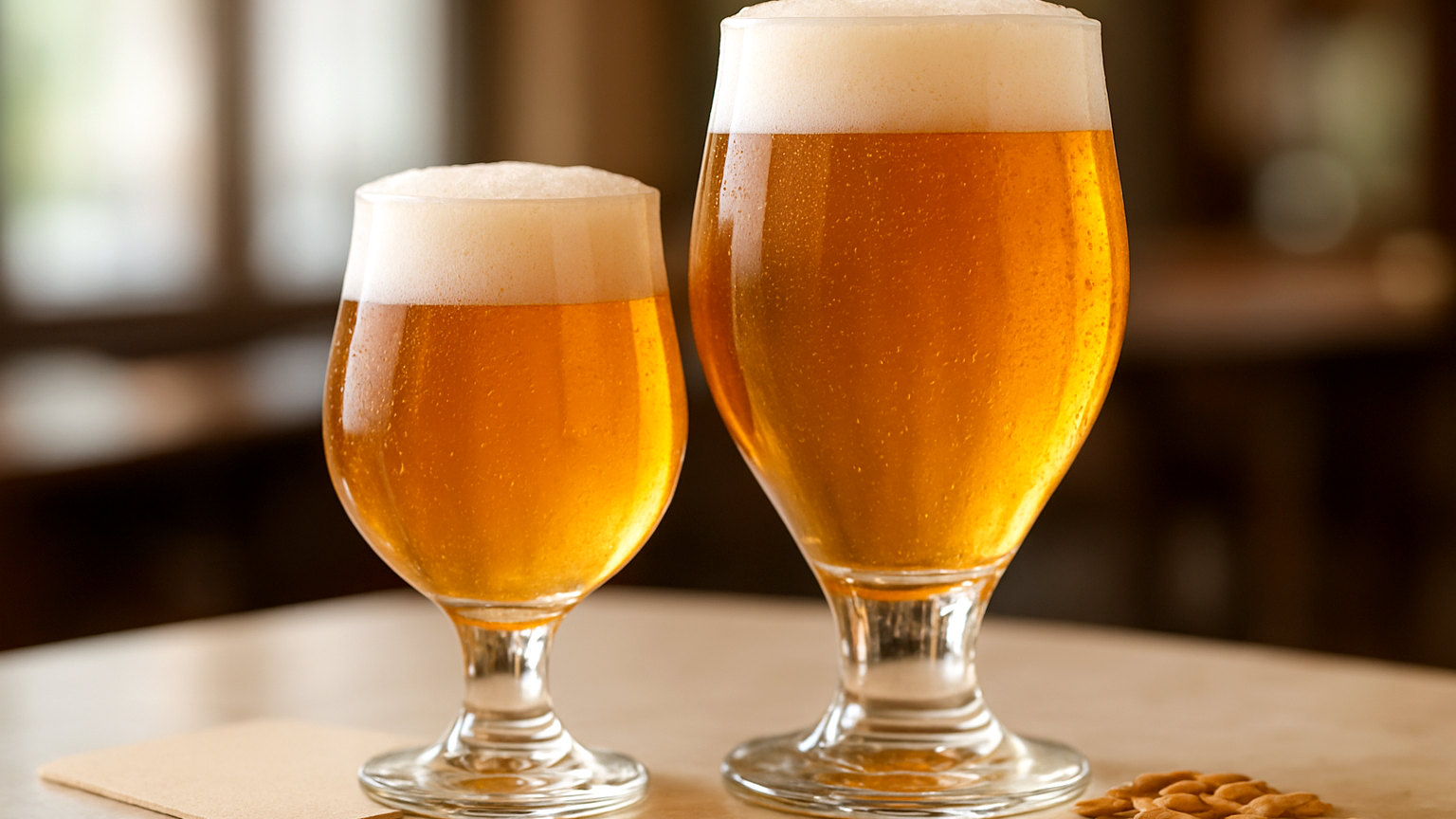
British beer culture is built on the pint, and for a session-strength bitter or a lager that is exactly the right vessel. For a great deal of what is now brewed, it is not, and the smaller measures exist to solve that.
Why the pint stopped fitting
The pint developed alongside beers of three to four per cent, drunk over an evening in company. At that strength it is a sensible unit.
Modern beer covers a far wider range. A pint of eight per cent imperial stout contains roughly four and a half units, and a pint of a nine per cent double IPA more still. That is a great deal of alcohol in one glass, and it is more than most people intend when they order a single drink.
There is also a palate argument. Strong, intense beers become wearing over a full pint in a way that a balanced session beer does not, and the last third is frequently drunk out of obligation.
The measures available
A third of a pint, roughly 190 millilitres, is the standard tasting measure and the usual serving for very strong beer.
Two thirds, around 380 millilitres, became a legal measure relatively recently and has been adopted widely by bars serving stronger beer. It is sometimes called a schooner, borrowing the Australian term.
Half pints have always existed and remain the most common smaller option.
Bars focused on craft beer frequently price by measure and list all three, which makes the arithmetic straightforward.
What they are useful for
Strong beer, above all. A third of a barrel-aged imperial stout is a complete experience, and a pint of it is a poor idea.
Trying several beers, since three thirds cost roughly the same as a pint and let you taste three things rather than one.
Pacing an evening, since ordering two thirds rather than a pint reduces intake by around a third without changing how often you go to the bar.
And drinking beer with food, where a full pint alongside each course is more than the meal calls for.
The cultural resistance
There is a persistent view that ordering a half is somehow less than ordering a pint, and it is worth naming because it stops people ordering what they actually want.
The two-thirds measure was introduced partly to address this, offering something close to a pint without being one, and it has been adopted more readily than halves for exactly that reason.
In practice, bars serving strong and interesting beer see small measures constantly and think nothing of it. The awkwardness is entirely in the ordering rather than in the receiving.
The arithmetic
Units are worth knowing, since the differences are larger than they appear.
A pint at four per cent contains around two point three units. A pint at six per cent contains around three point four. A third of a pint at nine per cent contains around one point seven, which is less than a pint of ordinary bitter.
United Kingdom Chief Medical Officers advise not regularly exceeding fourteen units a week, spread over three or more days. How that applies to any individual is a matter for them and their doctor; the figures simply convert what is on the pump clip into something comparable.
At home
The same logic applies. A 440 millilitre can of strong beer poured into two smaller glasses and shared is frequently better than one person working through it, particularly for imperial stouts and barrel-aged beers sold in that format specifically for sharing.
Owning a couple of small glasses of around 200 millilitres makes this straightforward, and it is the single piece of glassware most home drinkers lack.
Sharing large bottles
Strong beer is frequently sold in 750 millilitre bottles, which is more than a pint and considerably more than one person should drink of anything above eight per cent.
Those formats exist to be shared, in the same way a bottle of wine does, and pouring one between three or four people gives everyone a proper glass without anyone drinking a great deal.
It also makes the beer more interesting, since the conversation about what everyone is tasting is a good part of the point of opening something unusual.