A pint in Britain is 568 millilitres, and that figure is fixed in law. What is less fixed is how much of the glass in front of you contains liquid, and the answer depends on the glass and on the pub.
Brim and lined glasses
A brim-measure glass holds exactly a pint when filled to the very top. There is no space left for a head, so a pint served with foam in a brim glass necessarily contains less than a pint of liquid.
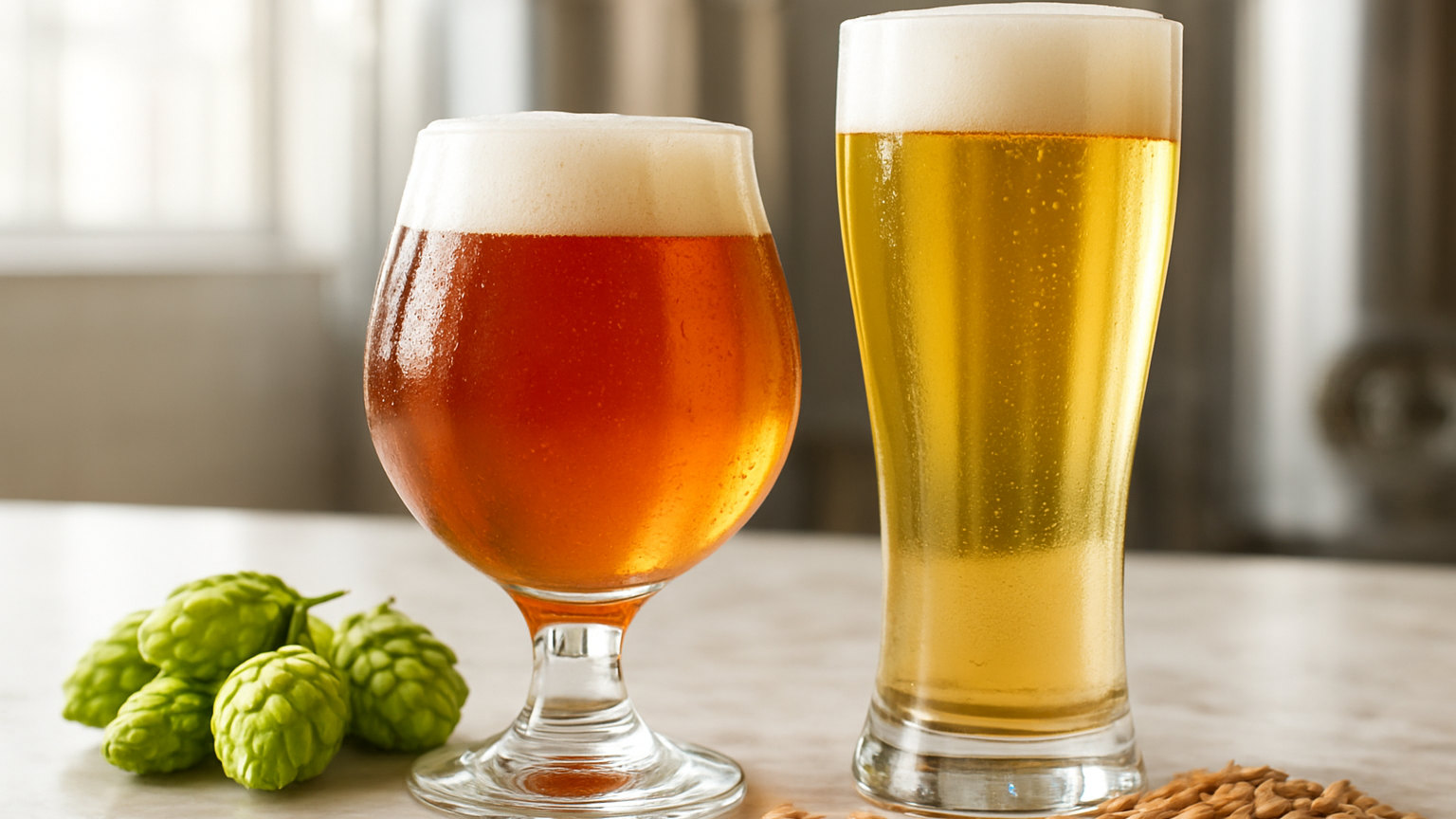
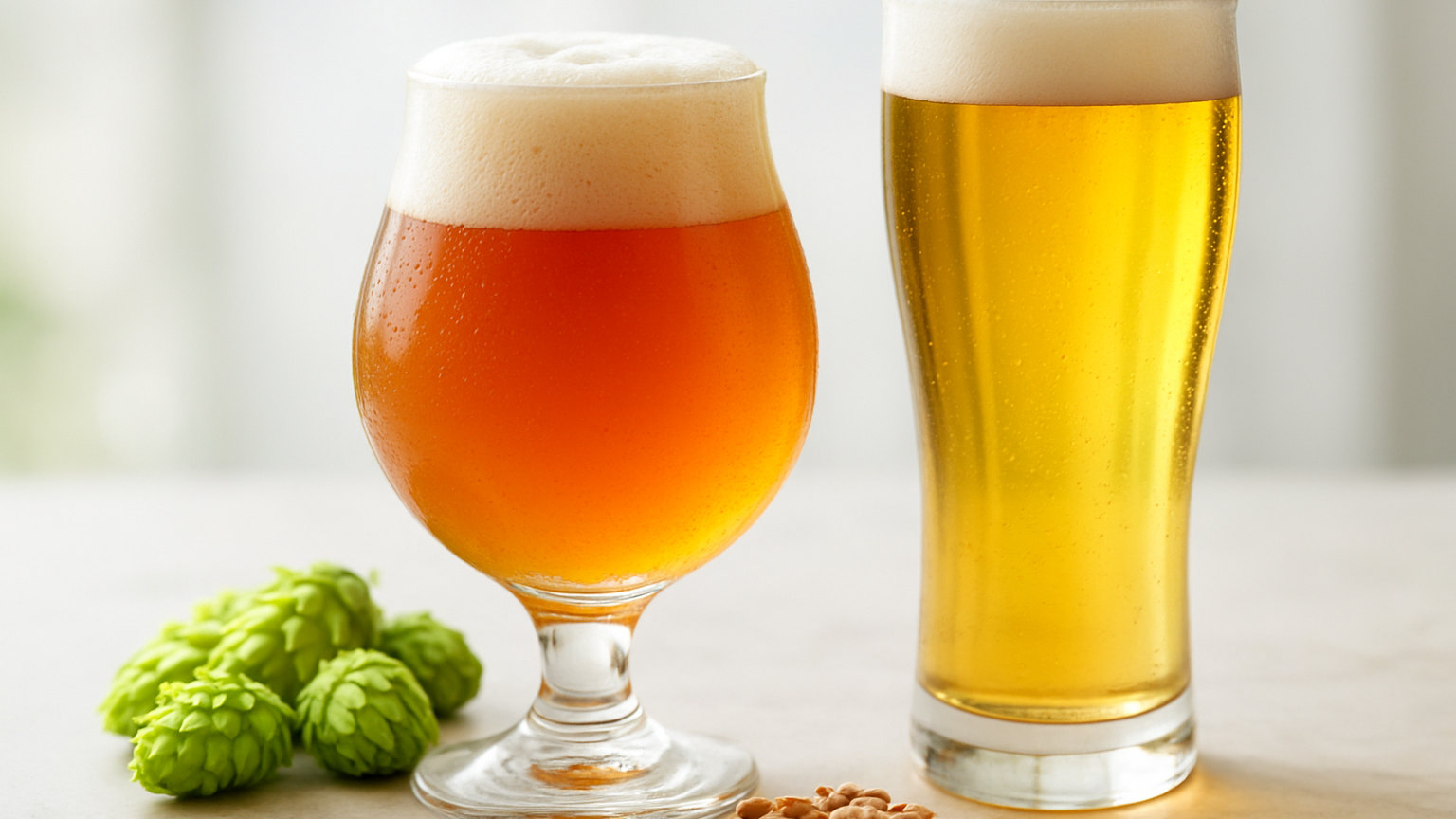
A lined glass, sometimes called an oversized glass, holds more than a pint, with a line marking the pint level and space above it for foam. Filled to the line with a head above, it delivers a full pint of beer and looks like a proper pint.
Lined glasses are the sensible solution and they are increasingly common, though brim glasses remain widespread because they are cheaper and stack more easily.
What the rules allow
Beer sold by measure in Britain must be served in specified quantities: a third of a pint, a half, two thirds, and multiples of a half pint.
On the question of foam, guidance has generally accepted a head as part of the measure provided the liquid comes to at least ninety five per cent of the stated quantity. In practice that means a small head is tolerated in a brim glass and a large one is not.
The convention that matters more than the exact figure is that a customer is entitled to ask for a top-up, and any reasonable pub will provide one without comment.
Why the head is not simply waste
It is worth acknowledging the other side of the argument, because it is a real one.
Foam carries aroma and releases it gradually as you drink, protects the beer from oxidation, and contributes texture. A beer poured deliberately flat to maximise liquid is a worse drink.
In parts of northern England a dense creamy head produced by a sparkler is the correct way to serve cask ale, and asking for it to be removed would be missing the point of how the beer is served there.
The solution to both concerns is the lined glass, which allows a proper head and a full measure at the same time, and it is a wonder they are not universal.
Asking for more
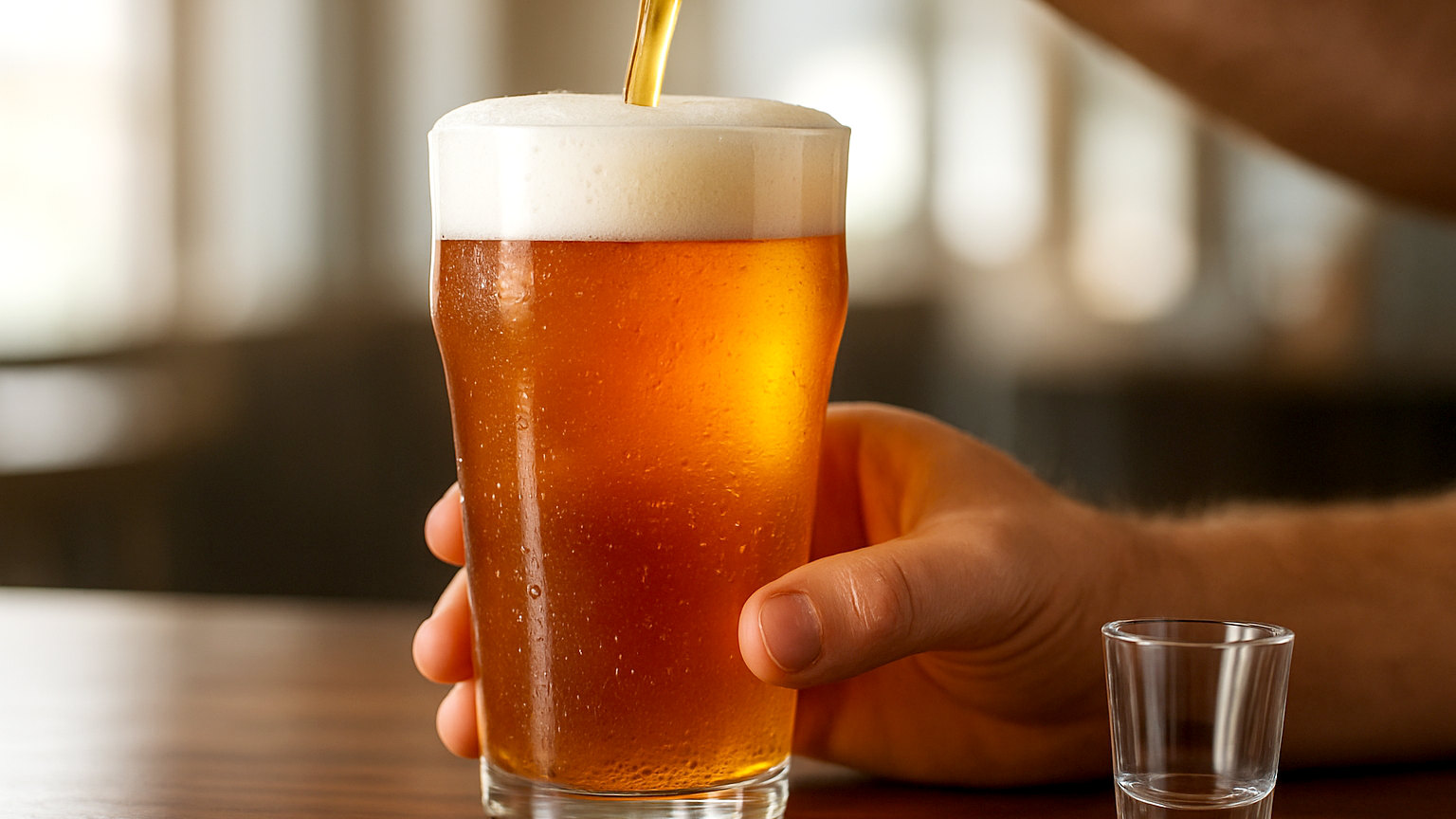
If a pint arrives visibly short, asking for a top-up is entirely normal and staff expect it, particularly in areas where big heads are standard.
Ask before you start drinking, since a top-up is straightforward at the bar and awkward once you have carried it to a table and taken two mouthfuls.
Phrasing it as a request rather than a complaint gets a better response, and in most pubs it is treated as routine.
Other measures worth knowing
Two thirds of a pint became a legal measure relatively recently and is genuinely useful, particularly for stronger beers where a full pint is more than most people want.
Thirds are the standard for tasting flights and for strong beer, and many craft-focused bars serve them as a matter of course.
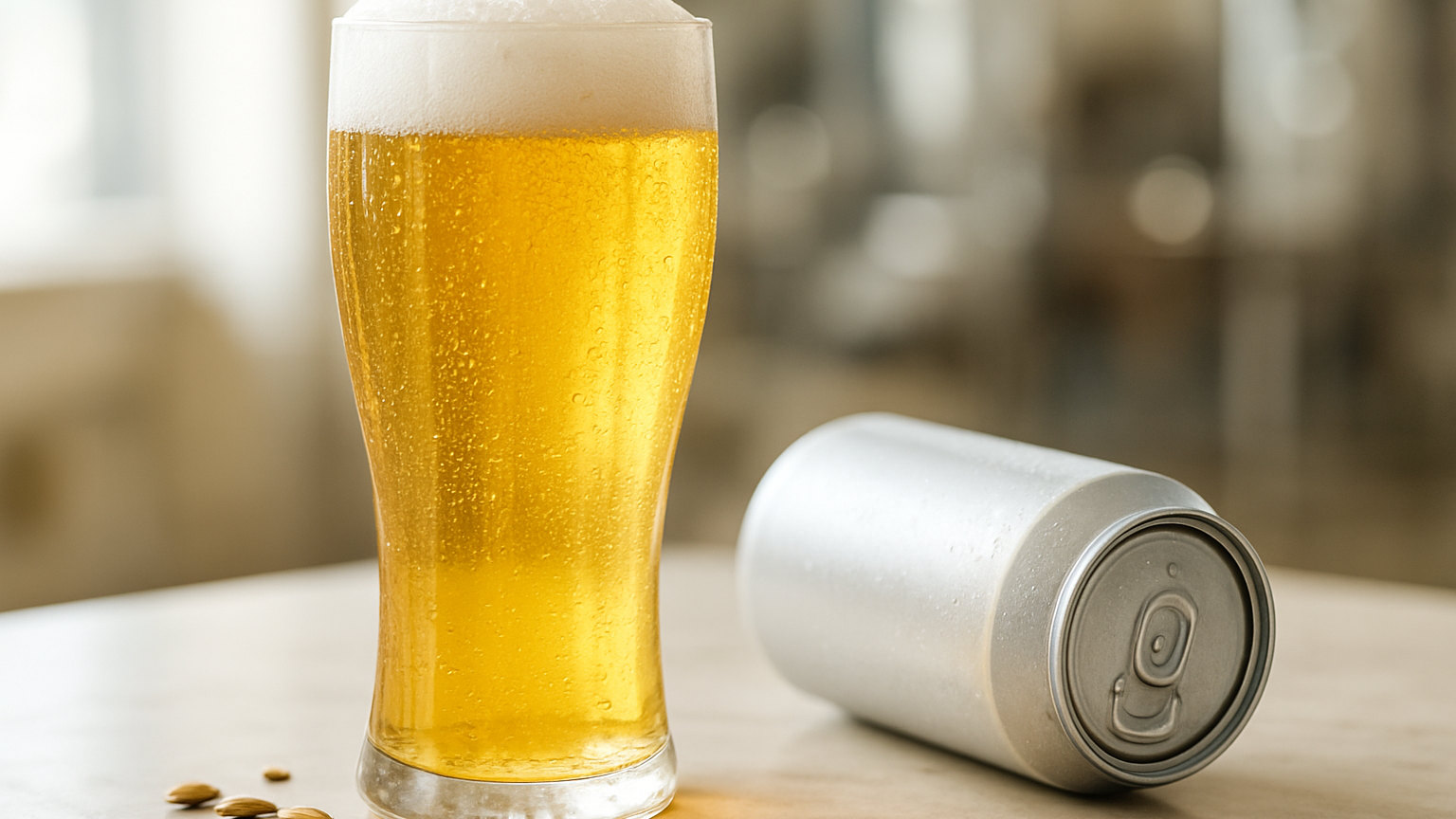
Bottled and canned beer is sold by volume rather than by measure, which is why cans come in 330 and 440 millilitre sizes rather than in fractions of a pint. A 440 millilitre can is roughly three quarters of a pint, which is worth knowing when comparing prices.
Wine and spirits have their own prescribed measures, and pubs are required to display which sizes they serve, which is a useful thing to glance at before ordering.
Comparing prices sensibly
Different formats make price comparison harder than it looks. A 440 millilitre can is roughly three quarters of a pint, and a 330 millilitre can is not much over half.
Working out the price per pint equivalent takes a moment and frequently changes the picture, particularly when comparing a can in a shop with a pint in a pub.
Strength matters too. A pint of five and a half per cent beer contains substantially more alcohol than a pint of four per cent, and duty is charged accordingly, so comparing on volume alone flatters the weaker beer.