Sour beer used to mean years in barrels and a substantial commercial risk. Kettle souring changed that, and it is the reason a small brewery can now sell a mango sour that did not exist three weeks ago.
How it works
The wort is produced as normal and then, instead of being boiled immediately, it is cooled to around forty degrees and inoculated with Lactobacillus. The vessel is sealed against oxygen and held warm for one to three days.
The bacteria produce lactic acid, dropping the pH to the target level. The brewer tastes or measures until it is right.
The wort is then boiled, which kills the bacteria entirely, and the beer proceeds through a completely normal fermentation with ordinary brewer's yeast.
The crucial point is that the souring organisms are dead before fermentation begins, so they never enter the fermenters, the packaging line or the rest of the brewery.
Why breweries use it
Speed and safety, in that order.
A barrel-aged sour occupies space and capital for one to three years before generating any revenue. A kettle sour is packaged in a few weeks. For a small brewery, that difference determines whether the category is viable at all.
The contamination risk is the other half. Lactobacillus, Pediococcus and Brettanomyces are difficult to eliminate once established in equipment, and a brewery that introduces them risks souring beers that were meant to be clean. Killing the bacteria in the kettle removes that risk entirely.
Consistency matters too. Kettle souring is controllable to a specific pH, where barrel fermentation produces variation that must be managed by blending.
What it produces
Clean, bright, straightforward lactic acidity, comparable to lemon juice or yoghurt. The beer is sour and otherwise neutral.
What it cannot produce is the complexity of a traditionally fermented sour. There is no Brettanomyces funk, no oak character, no oxidative development and none of the layered evolution that years of barrel time create.
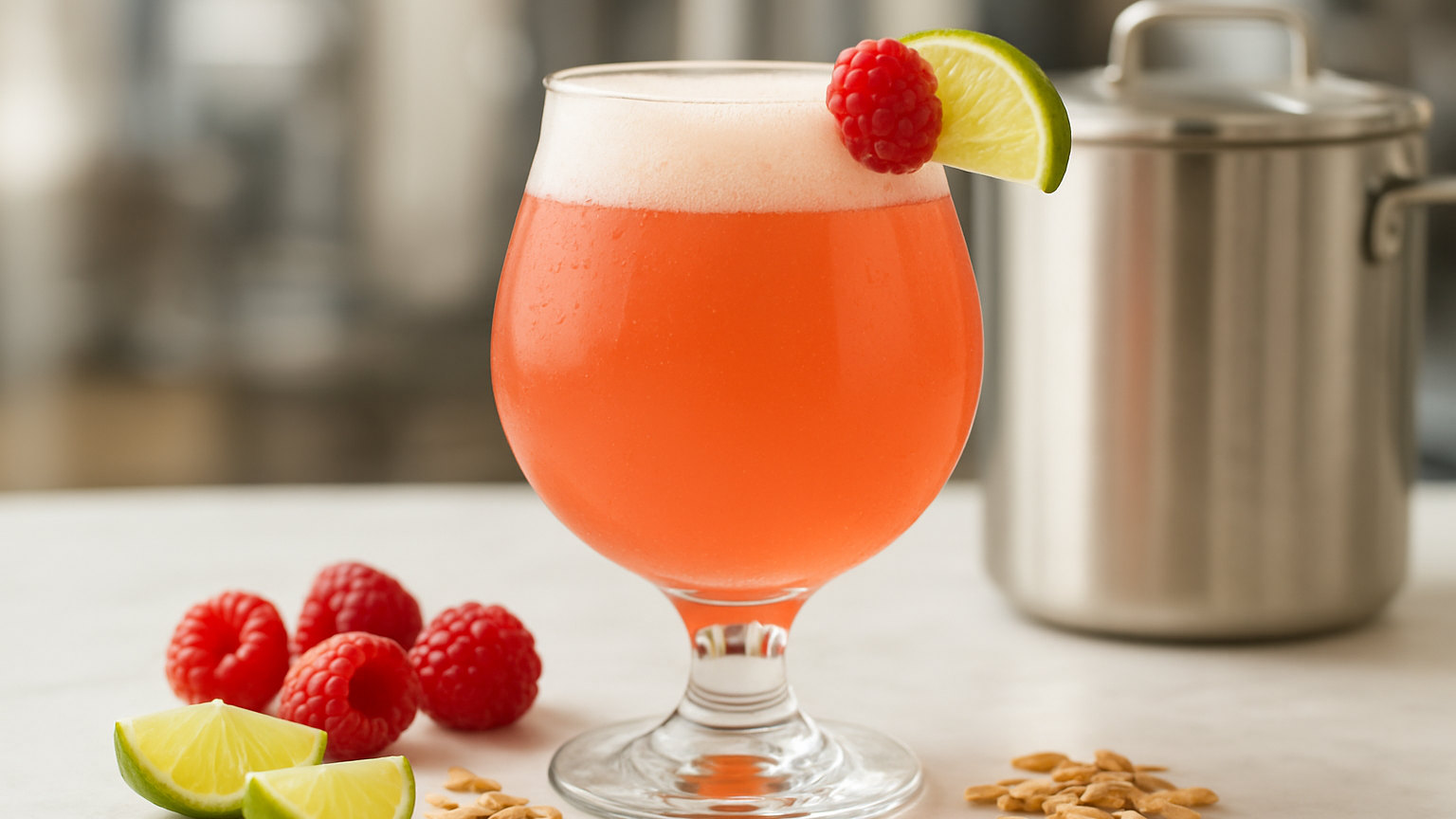
That neutrality is why kettle sours are almost always fruited. The clean acid base is an excellent vehicle for fruit purée, and the combination is genuinely effective.
The cheating question
The charge is that kettle souring produces a simple beer marketed alongside a complex tradition, and that drinkers encountering only kettle sours will conclude that is what sour beer is.
The defence is that it is a different technique producing a different product, made and sold honestly, and that nobody objects to a lager being made in six weeks rather than six months.
The reasonable position is that it is not cheating and is also not a substitute. A kettle-soured passionfruit beer and an oude gueuze are related only in that both are acidic, and expecting one to deliver what the other does is a category error.
What is fair to criticise is a brewery presenting a kettle sour as though it were barrel aged, and labels have generally become clearer about this.
What to expect when buying
Modern fruited sours are bright, intensely fruity, moderately to very sour and often noticeably sweet, at four to six per cent. They are refreshing, easy and best drunk fresh, since fruit character and acidity both fade.
They do not age. Where a gueuze develops for a decade, a kettle sour is at its best within a few months of packaging.
Serve them cold, around six to eight degrees, and treat them as a summer drink rather than as a contemplative one.
If you enjoy them and want to go further, the next step is a gose or a Berliner weisse, and then a young gueuze. The progression from clean lactic acidity through gentle traditional styles to full spontaneous fermentation is the sensible route into the category, and starting at the far end is how people conclude sour beer is not for them.
Other quick souring methods
Kettle souring is not the only shortcut in use. Some breweries add food-grade lactic acid directly, which produces acidity with no fermentation at all and is the least regarded approach.
Others use a co-fermentation, pitching Lactobacillus alongside brewer's yeast so both work together, which retains some live culture in the finished beer and gives a slightly more complex result than kettle souring.
None of these is dishonest, and the labels increasingly say which was used. Where a beer says mixed fermentation or barrel aged, expect complexity; where it says nothing, expect clean acidity.