Witbier means white beer in Dutch, and it is Belgium's contribution to the wheat family. It shares a grain and an appearance with German weissbier and tastes almost nothing like it, which is a useful illustration of how much yeast and additions matter.
What is in it
Roughly half unmalted wheat, which is the crucial distinction. German wheat beer uses malted wheat; Belgian witbier uses raw wheat, which contributes more protein, a hazier appearance and a softer, slightly starchy character.
Oats frequently appear as well, adding to the silky texture.
The additions are what define the style. Coriander seed, crushed rather than ground, gives a citrusy, lemony spice quite unlike the leaf. Dried bitter orange peel, traditionally from Curaçao, provides a fragrant orange character without sweetness.
Some producers add grains of paradise, chamomile or cumin, and the historical tradition of spicing beer predates the widespread use of hops.
The yeast and the acidity
Belgian yeast strains produce their own esters and phenols, but in a different register from German weissbier yeast: more peppery and spicy, less banana.
The style also carries a gentle tartness, sometimes from a small proportion of soured wheat or lactic culture and sometimes simply from the wheat itself. It is refreshing rather than sour, and it distinguishes wit from the rounder German style.
Strength sits around four and a half to five per cent, hopping is minimal, and the finish is dry.
The revival
Witbier is one of the few beer styles that can be said to have died and been deliberately brought back.
The style was traditional in the Belgian town of Hoegaarden and the surrounding area, and by the 1950s it had disappeared entirely as the last brewery making it closed. A local milkman, Pierre Celis, who had worked at that brewery in his youth, began brewing it again in the 1960s from memory and from surviving recipes.
It succeeded, spread internationally, and every witbier now made descends from that revival. The style would almost certainly not exist otherwise.
How it compares with hefeweizen
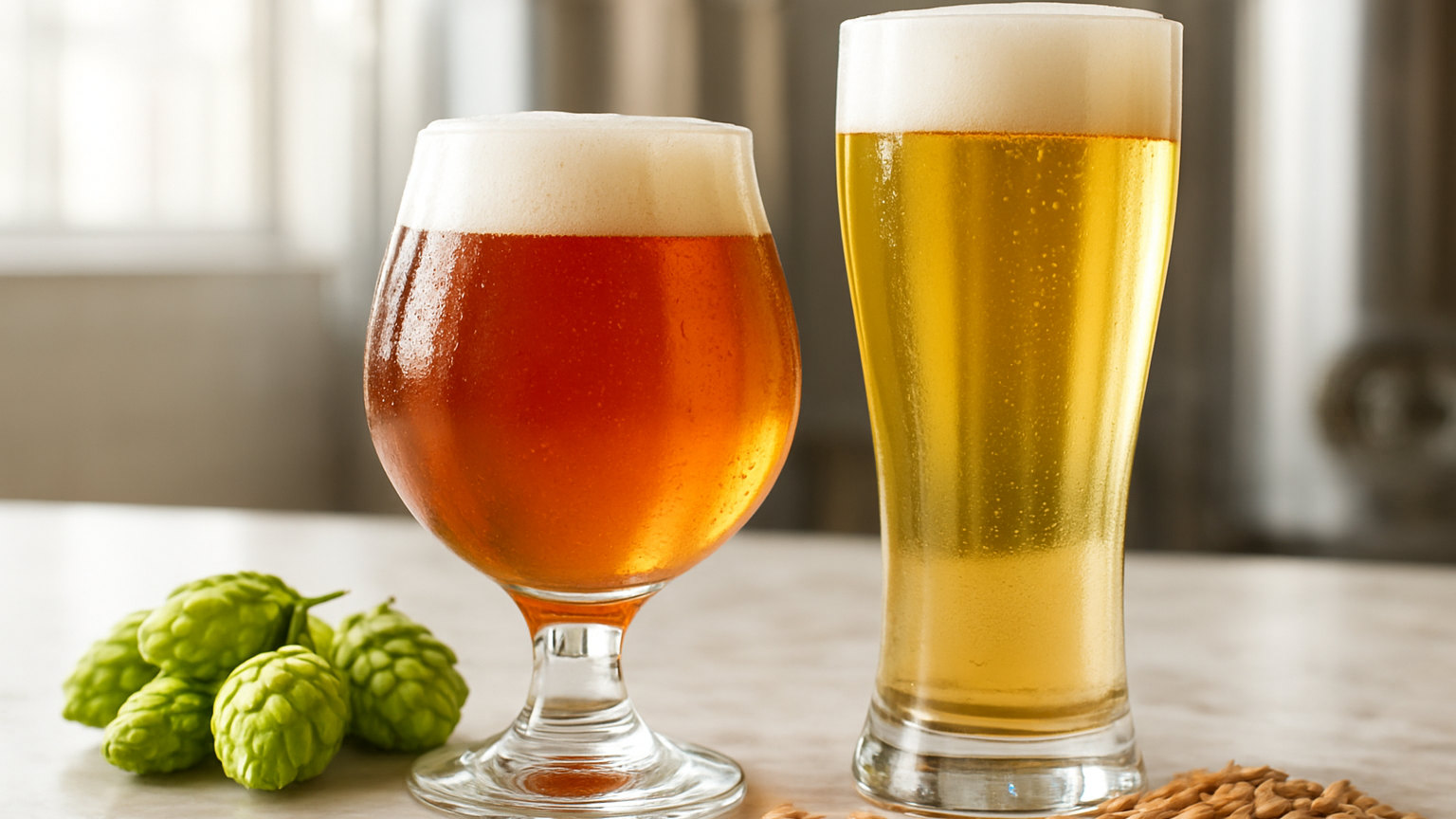
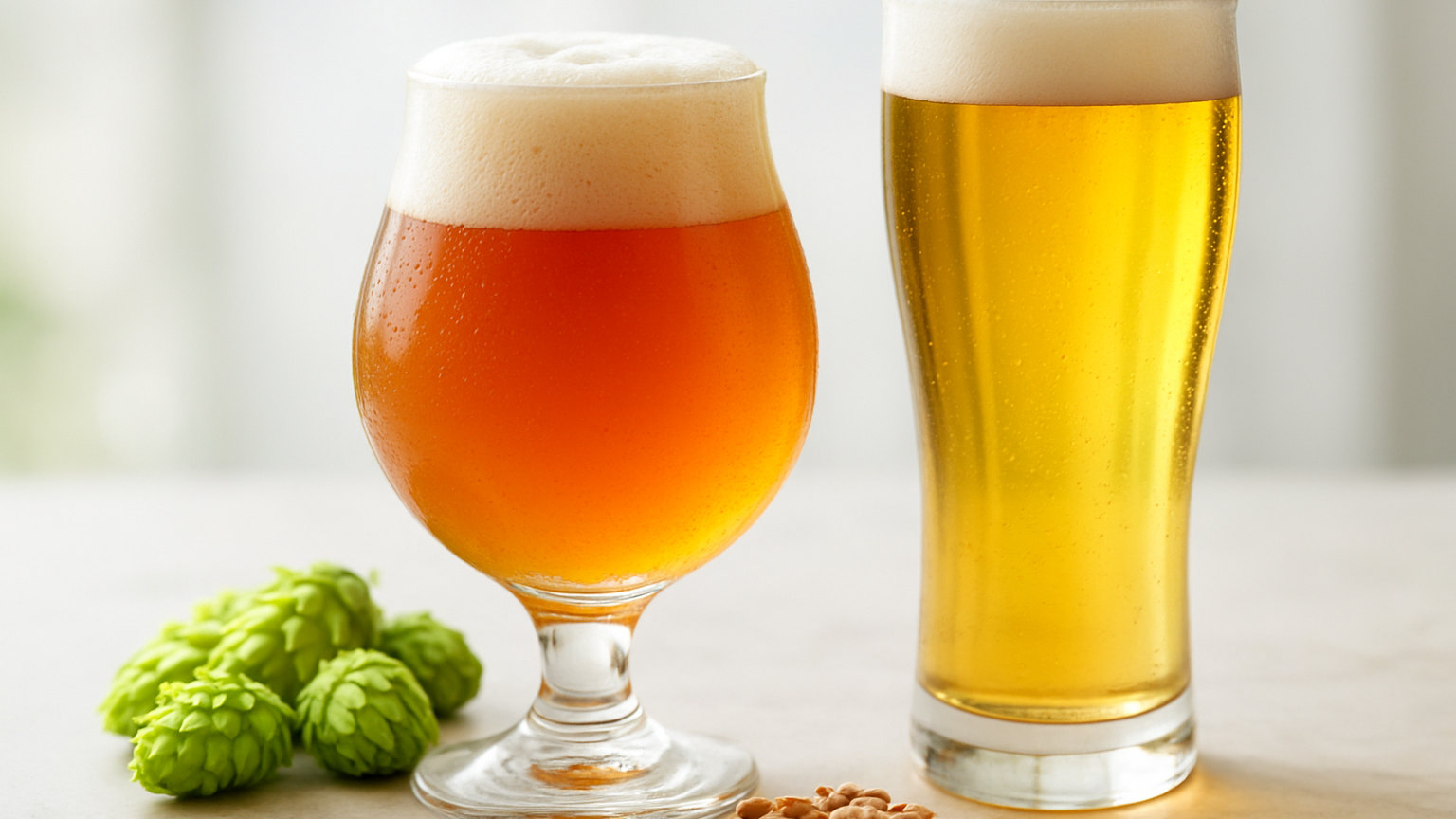
Both are cloudy wheat beers at around five per cent, and there the similarity ends.
Hefeweizen leads with banana and clove from the yeast, has a fuller and rounder body and a slightly sweeter impression. Witbier leads with coriander and orange spice, is lighter and drier with a distinct citrus tartness, and finishes crisper.
A drinker who finds hefeweizen too sweet or too banana-heavy frequently prefers wit, and the reverse applies for anyone who finds wit thin.
The orange slice question
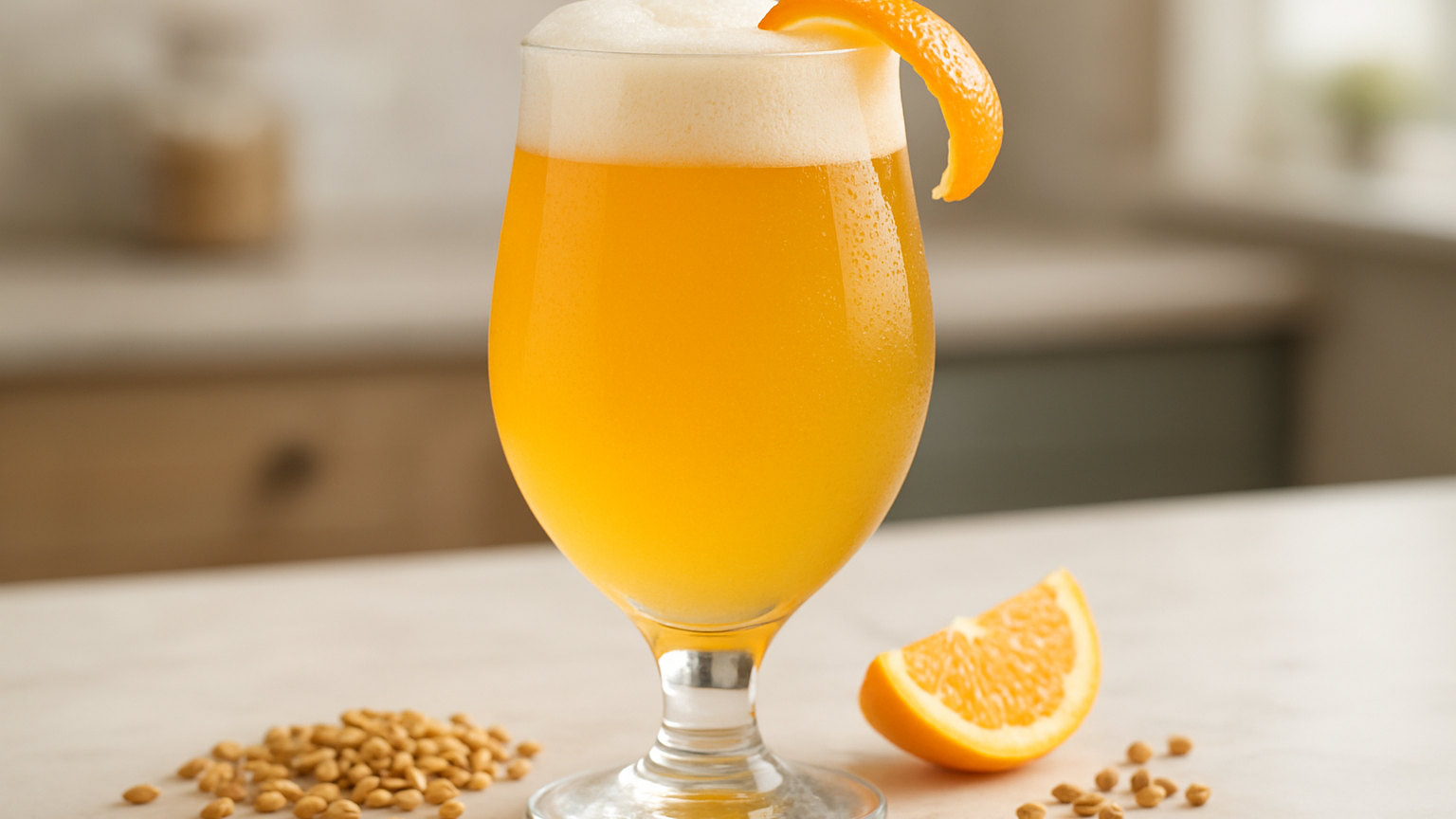
Witbier is frequently served with a slice of orange, which is more defensible than the lemon wedge sometimes added to German wheat beer.
The beer already contains orange peel, so the garnish echoes an existing ingredient rather than covering the beer. It adds aroma and a little acidity.
Against that, fruit and any oil from the skin damage head retention, and a good witbier has plenty of citrus character already. Most Belgian producers do not serve it that way.
The reasonable position is to try it both ways and decide, rather than accepting the garnish automatically because a bar has always done it.
Serving and food
Serve at around five to seven degrees in a tumbler or a wide glass, and pour the yeast in.
At the table it is one of the most versatile beers there is. Mussels, white fish, salads, goat's cheese, chicken and lightly spiced food all suit it, and the coriander and orange make it a natural partner for Thai and Vietnamese cooking. It also works with brunch, which is not something many beers manage.
The modern versions
Witbier is now brewed worldwide, and the interpretations vary considerably. Some add extra citrus peel, some use additional spices, and some ferment with cleaner yeast to produce a lighter, more commercial beer.
Belgian examples remain the reference point, and a bottle from a producer with a long history in the style will generally show more yeast character and a drier finish than a supermarket version brewed under licence elsewhere. As with hefeweizen, freshness matters: the spice aromatics fade within months.