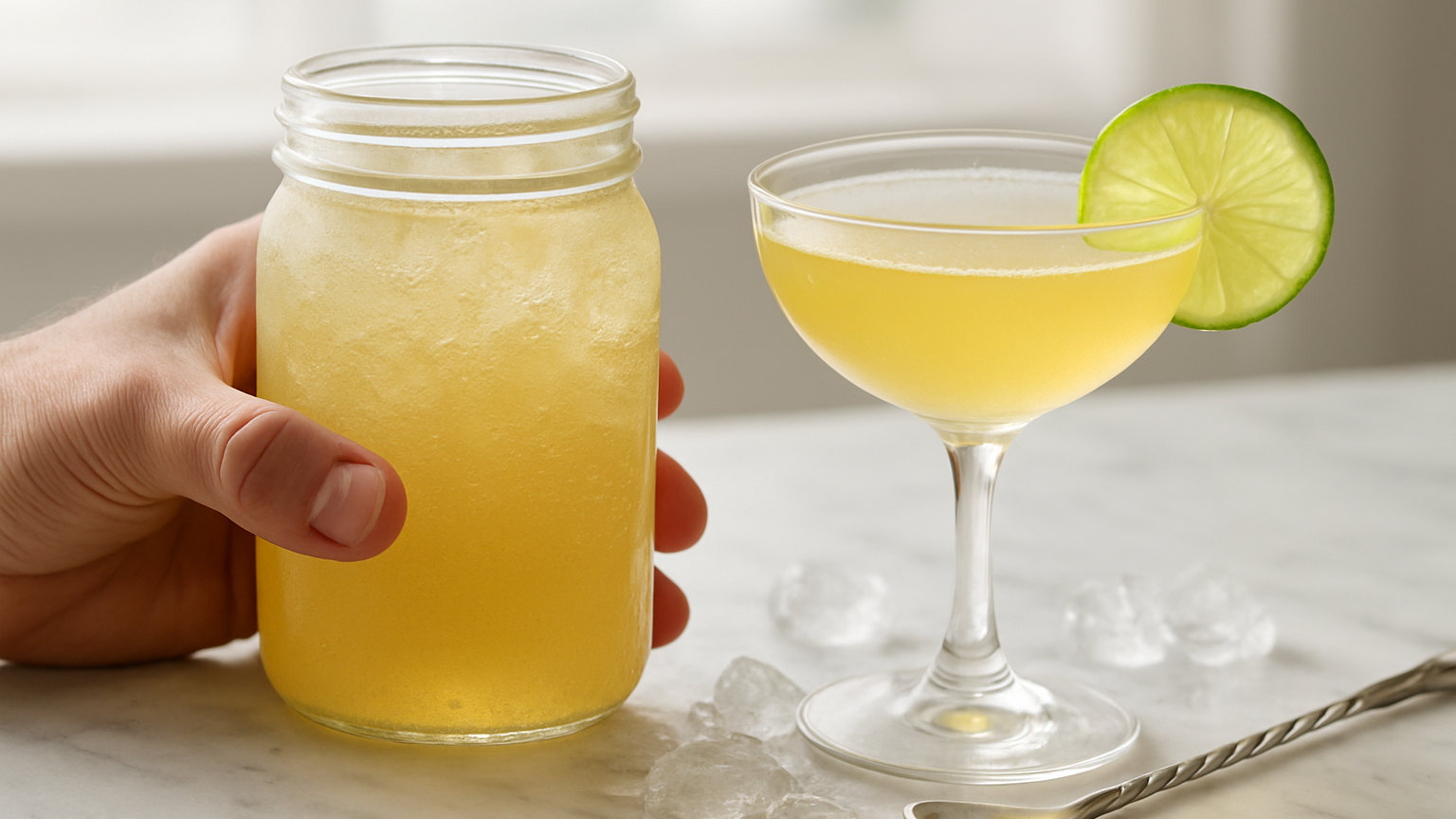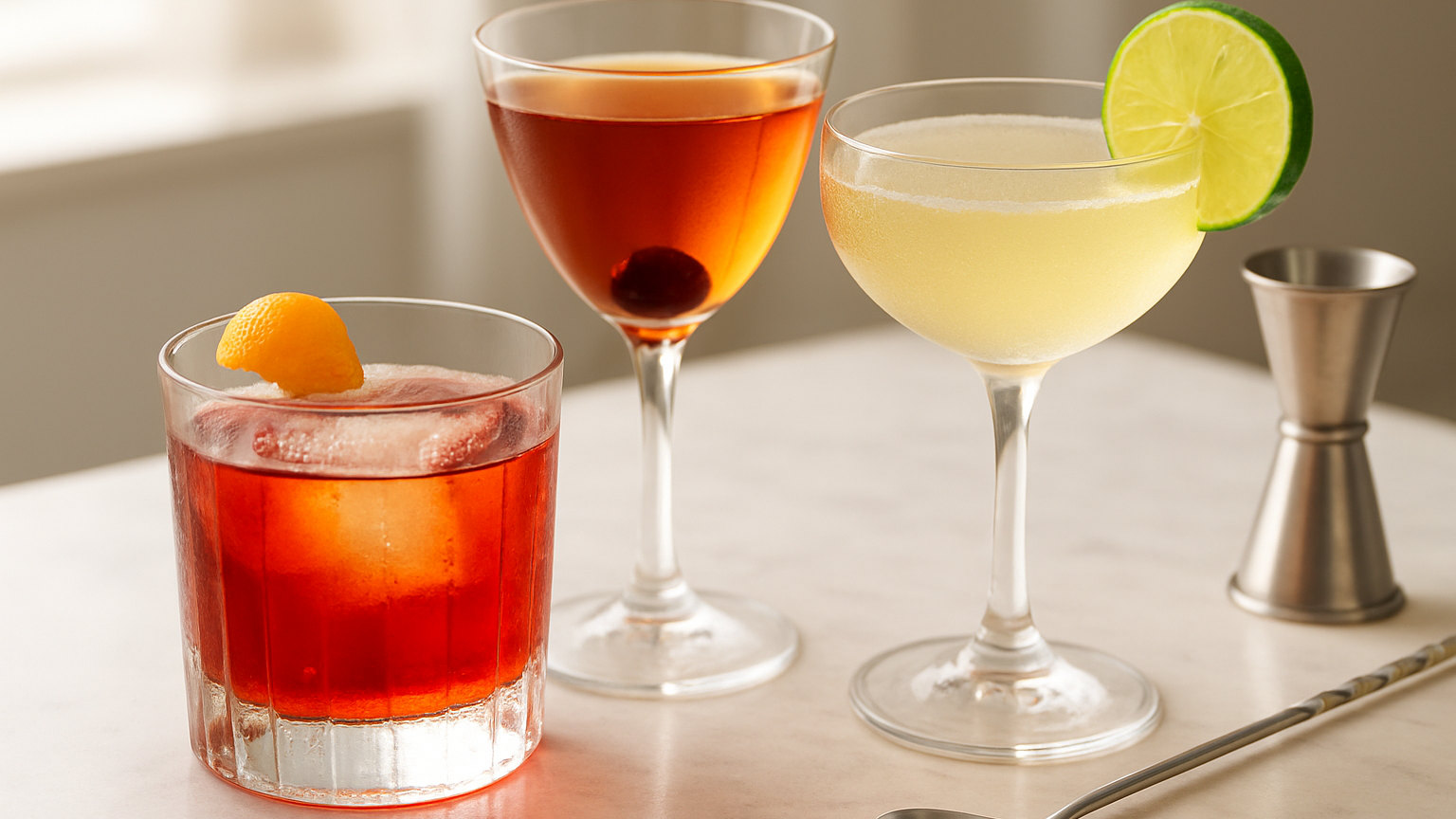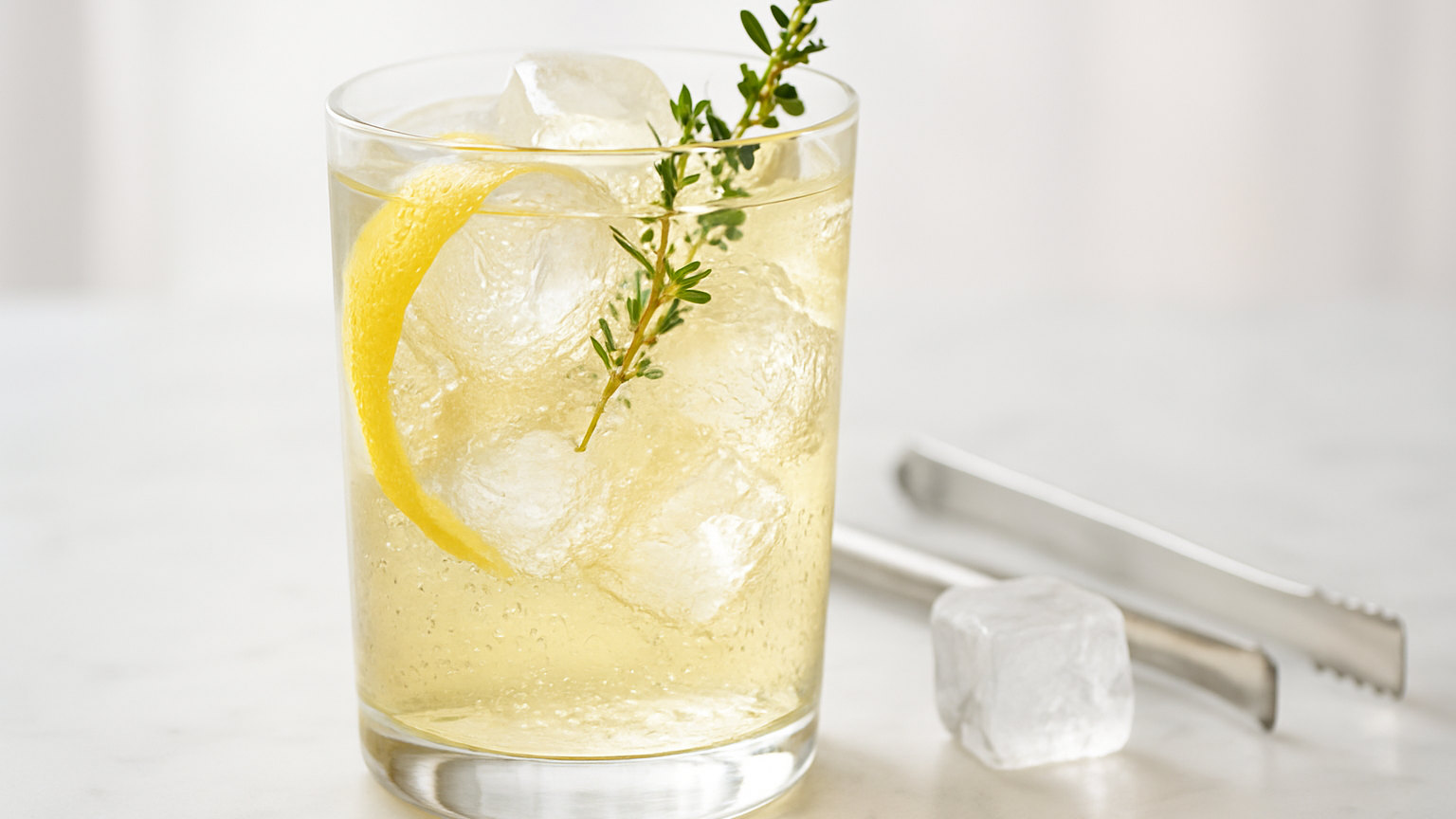
Ask most people why they put only a few cubes in a glass and the answer is that they do not want the drink watered down. It is the most common and most counterproductive belief in home drinking.
Why more ice dilutes less
Ice melts because heat reaches it. A glass with three cubes in a large volume of relatively warm liquid transfers heat rapidly into those cubes, and they melt fast.
A glass packed with ice chills the whole drink quickly, after which everything is at the same low temperature and the melting slows dramatically.
The result is that the full glass ends up less diluted after ten minutes than the under-iced one, and considerably colder throughout.
This is not a marginal effect. A gin and tonic with three cubes is noticeably watery within five minutes; the same drink with a full glass of ice is still cold and properly concentrated at the end.
Size and shape
Larger ice has less surface area relative to its volume, so it melts more slowly.
A single large cube in a rocks glass suits a spirit-forward drink where minimal dilution is wanted. Standard cubes packed tightly suit highballs. Crushed ice suits juleps, brambles and tiki drinks where rapid chilling and continuous dilution are deliberate parts of the design.
Spheres melt slowest of all for a given volume, which is why they appear in whisky serving, though a large cube is close enough for most purposes.
Clarity
Clear ice melts more slowly than cloudy ice, since cloudiness comes from trapped air and dissolved impurities that create weak points.
Domestic freezers make cloudy ice because water freezes from all sides at once, driving air and impurities into the centre.
Directional freezing produces clear ice at home: fill an insulated container, such as a small cool box with the lid off, and place it in the freezer. It freezes from the top down, pushing impurities to the bottom, and the clear upper portion can be cut away.
It takes about a day and produces genuinely clear ice. Whether it is worth the effort is a matter of how much it matters to you, and for most drinks large cloudy cubes are perfectly adequate.
The taste problem
Ice absorbs odours, and a tray sitting uncovered in a freezer next to fish or a curry will produce drinks that taste faintly of both.
The fix is to store ice in a sealed bag or a covered container, and to make it fresh rather than leaving a tray for three months.
Use filtered water if your tap water is heavily chlorinated, since the flavour carries through.
Old ice also sublimates, shrinking and developing a stale character, which is why bags of ice bought for a party are better than a freezer tray that has been there since Christmas.
Practical rules
Fill the glass. Always, for any long drink.
Chill everything else beforehand so the ice does not have to do the cooling.
Use fresh ice straight from the freezer rather than cubes that have been sitting in a bucket softening.
Discard the ice from a chilled glass and use fresh ice for the drink, since the first lot has already partially melted.
Never reuse ice from a previous drink.
The one purchase worth making
A silicone mould producing large cubes costs a few pounds and improves every spirit-forward drink you make.
Beyond that, a bag of ice from a shop before a party is more sensible than trying to produce enough from a domestic freezer, which cannot keep up with more than a handful of people.
Plan on roughly a kilogram per person for an evening, and more in warm weather.
Chilling ingredients instead
The complementary habit is to keep the components cold so the ice has less work to do.
Mixers belong in the fridge, and spirits used mainly in long drinks can go there too without harm. Glasses can be chilled in a freezer for a few minutes before use.
A drink assembled from cold components over a full glass of ice barely dilutes at all, which is the whole objective and requires no special equipment.