A stirred cocktail served up contains no ice, so it begins warming the moment it is poured. The glass is the only thing standing between a properly cold drink and a tepid one, which makes the choice more consequential here than anywhere else.
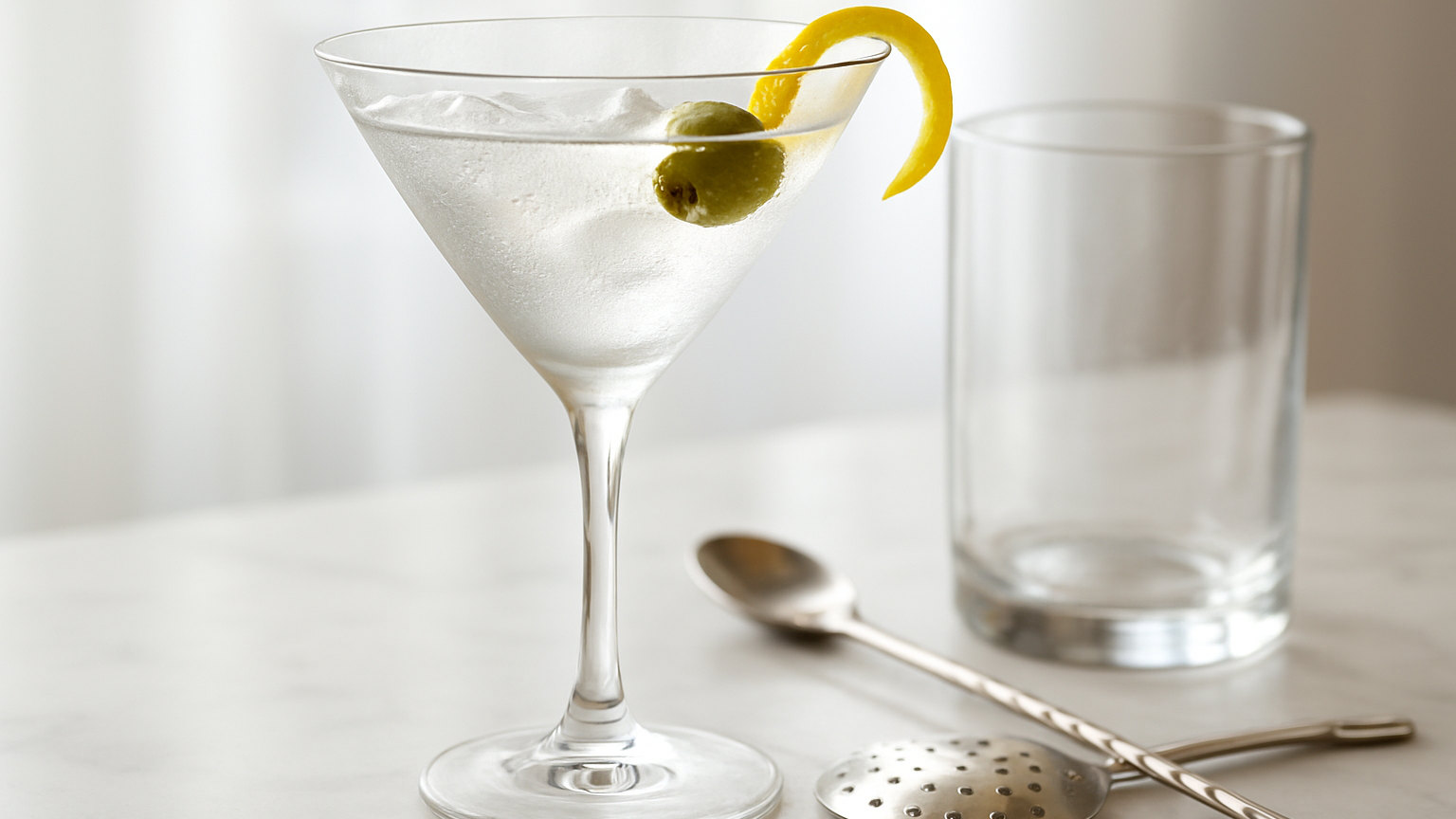
The problem with the martini glass
The wide conical V-shape is the most recognisable glass in drinking and among the least practical.
The wide surface area means the drink warms rapidly. The shallow bowl and steep sides make it easy to spill. And the capacity of many modern examples is considerably larger than the drink should be, encouraging pours of a hundred and fifty millilitres or more.
A martini that size will be warm and unpleasant by the last third, which is precisely the reason so many people conclude they dislike the drink.
It looks superb, which is why it persists.
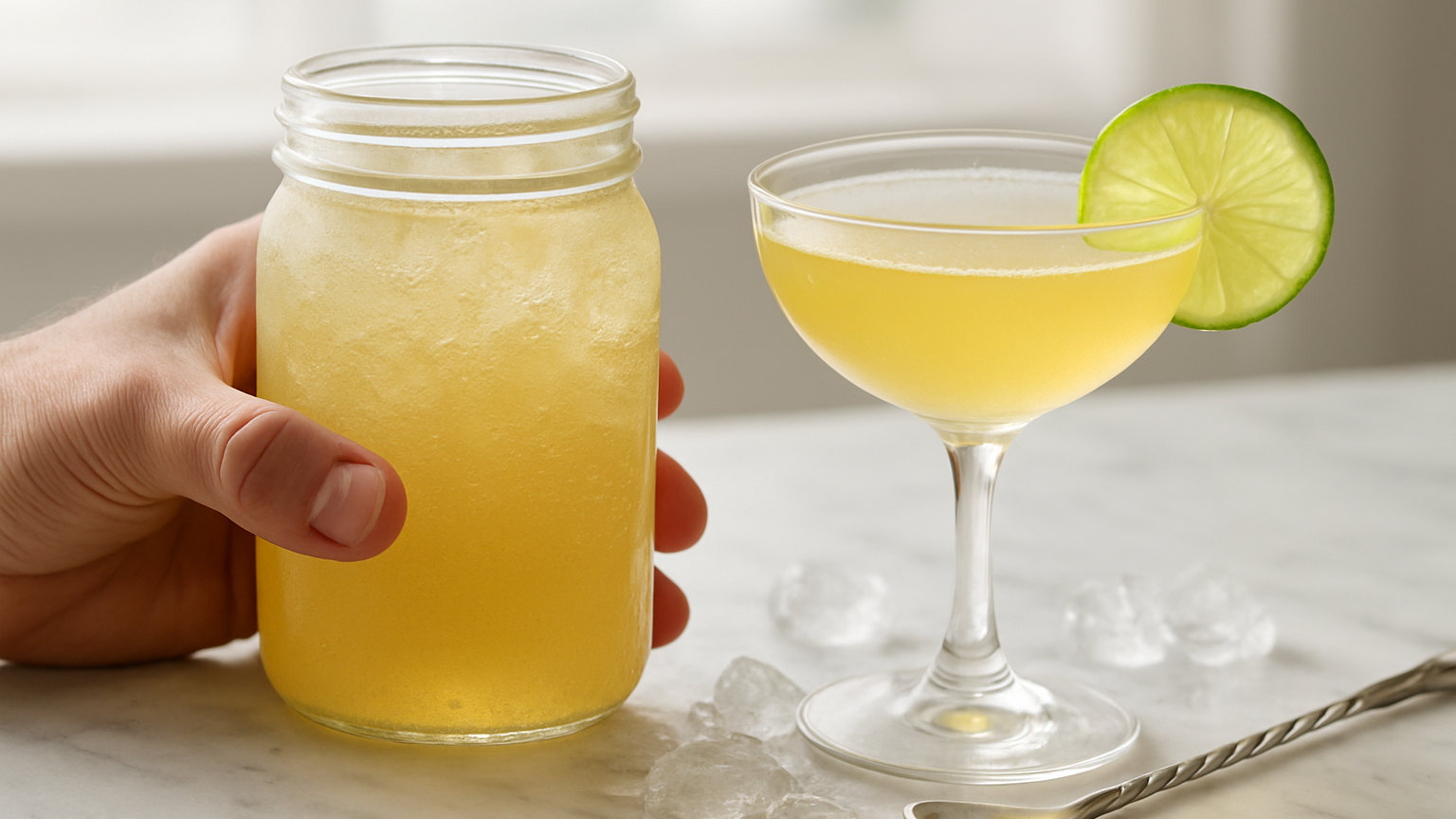
The coupe
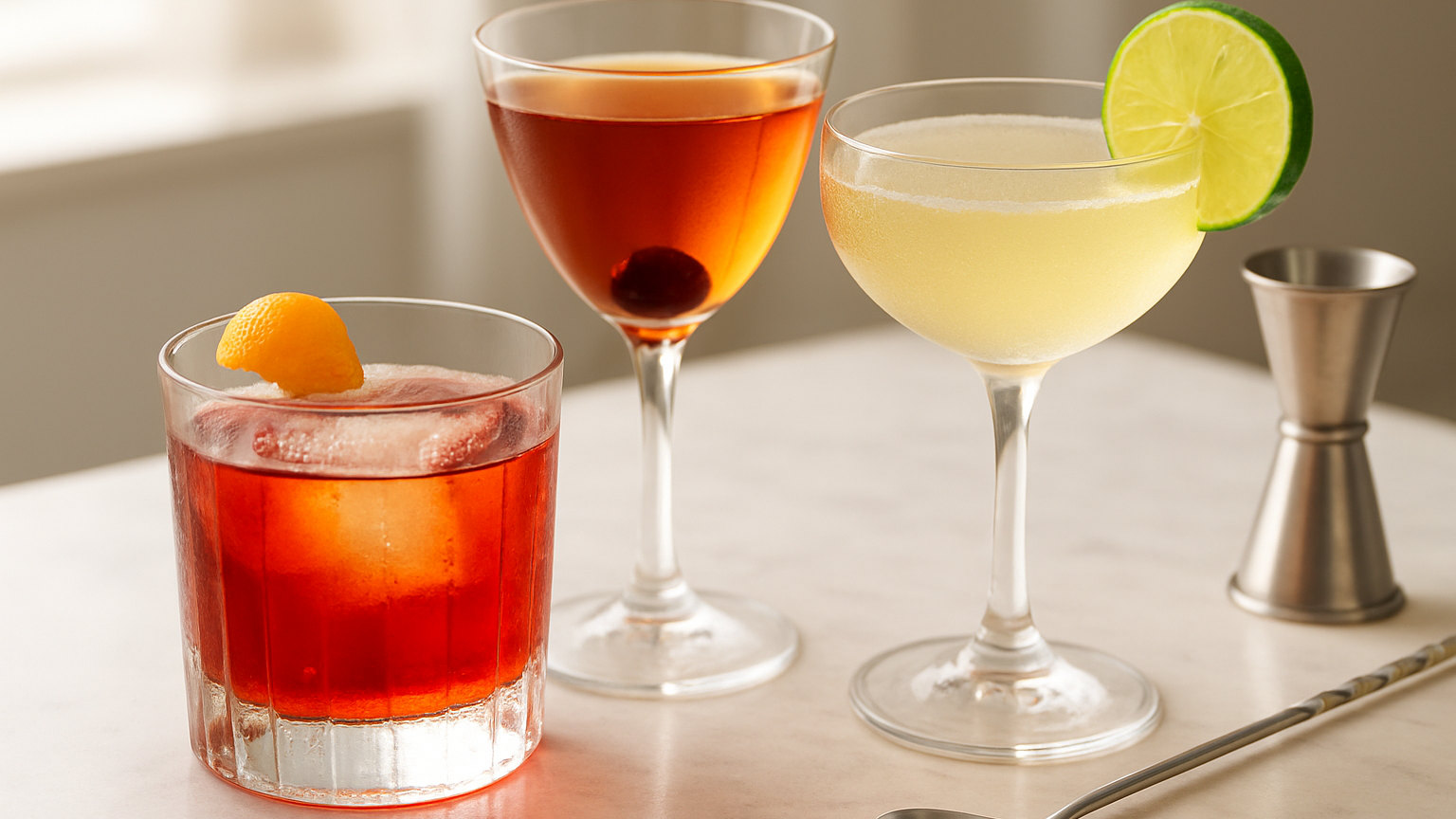
The shallow rounded bowl on a stem, and the sensible default for most stirred drinks served up.
It holds a reasonable measure, the curved bowl gathers aroma better than a cone, and it is considerably harder to spill.
The persistent story about its shape being modelled on someone's anatomy is a myth with no basis, and the glass long predates the people it is attributed to.
Sizes vary enormously. A coupe of around 150 to 180 millilitres is right; anything much larger encourages an oversized drink.
The Nick and Nora
A small stemmed glass with a slightly tapered bowl, named after characters from a film series, and the current favourite among bartenders.
It holds around 150 millilitres, the taper concentrates aroma, and the small size means the drink is finished before it warms.
If you buy one shape for stirred cocktails, this is the one worth having.
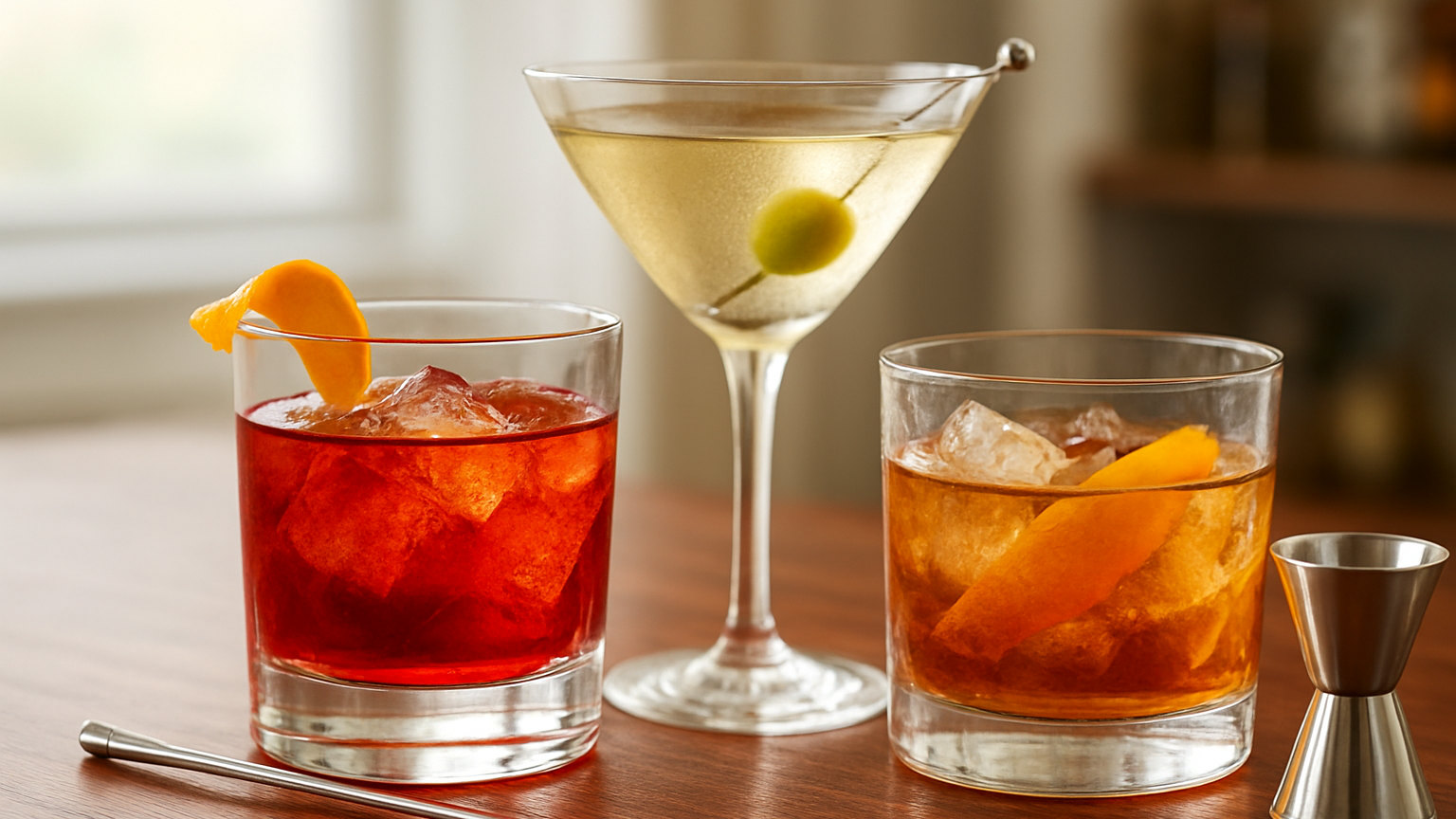
The rocks glass
For anything served over ice: old fashioneds, negronis and manhattans on the rocks.
A heavy base and a wide mouth suit a drink built around a single large cube. Around 250 to 300 millilitres is right.
The ice keeps the drink cold, which removes the temperature problem entirely and is the argument for serving stirred drinks this way if you drink slowly.
Chilling
The step that matters most and the one most often skipped.
A freezer is best. Ten minutes is enough, and keeping two glasses in there permanently is a reasonable habit.
Otherwise, fill the glass with ice and cold water while you stir, then discard it just before straining. It takes no extra time.
A room-temperature glass undoes thirty seconds of careful stirring within a couple of minutes.
Size, and why it matters
The drift towards larger glasses has done real damage to stirred drinks.
A martini made to a sensible recipe is around ninety millilitres before dilution and perhaps a hundred and fifteen after. That fills a small coupe and looks lost in a large one, which encourages a bigger pour.
A hundred and fifty millilitre martini contains around three and a half units, which is a great deal for one drink, and it will be warm before you finish it.
Smaller glasses produce better drinks and more sensible measures at the same time.
What to own
Four small stemmed glasses of around 150 millilitres, and four rocks glasses. That covers the entire stirred category.
Anything beyond that is collecting rather than equipping, and a set of good coupes will serve every drink in this subcategory perfectly well.
Cleaning and storing them
Wash by hand where possible, particularly anything with a thin stem, and rinse thoroughly since detergent residue dulls aroma.
Air dry inverted on a rack, then store upright. A glass stored upside down on a shelf traps stale air and picks up cupboard smells, which the drink will carry.
Polish with a lint-free cloth if you want them clear, holding the bowl rather than twisting the stem, which is how most stemmed glasses get broken.