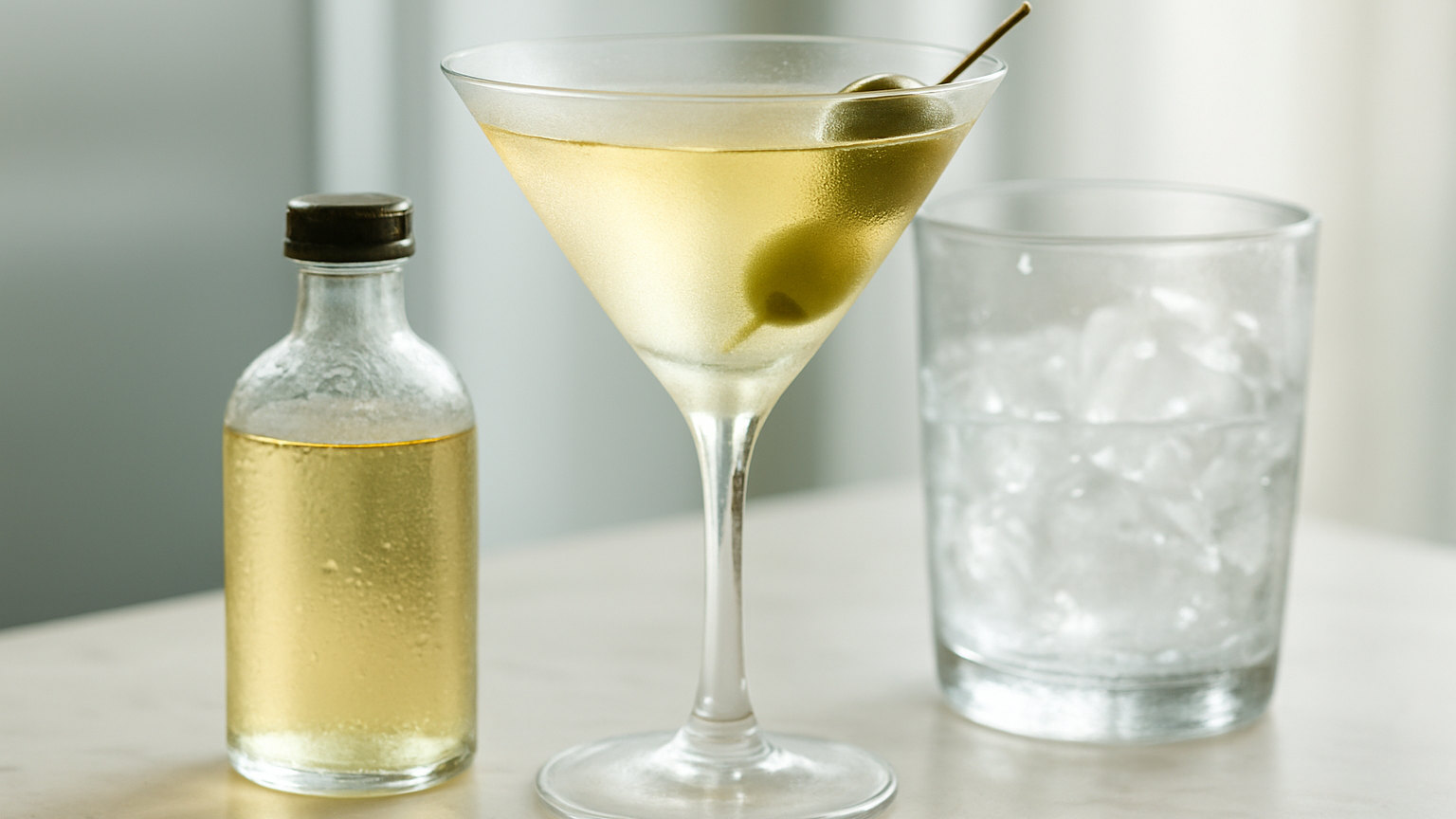
Almost every disappointing home martini, manhattan or negroni has the same cause, and it is not the spirit. It is a bottle of vermouth that has been open in a cupboard since last spring.
What vermouth is
Aromatised fortified wine. A base of white wine, fortified with neutral spirit to around fifteen to eighteen per cent, flavoured with botanicals including wormwood, from which the name derives, and in the sweet styles sweetened with sugar or caramel.
The crucial word is wine. It behaves like wine, not like a spirit.
Why it deteriorates
Oxidation. Once a bottle is opened, oxygen reacts with the wine, dulling the fresh aromatics and producing flat, stale, sherry-like flavours.
The fortification slows this but does not stop it. At sixteen per cent there is not nearly enough alcohol to preserve the contents indefinitely.
Heat and light accelerate it, which is why a bottle on a sunny shelf above a radiator is the worst possible arrangement.
The aromatics from the botanicals fade as well, so an old bottle loses both the wine's freshness and the herbal complexity that made it interesting.
How long it lasts
Refrigerated and properly sealed, dry vermouth is good for around a month and acceptable for two. Sweet vermouth lasts slightly longer, since the sugar offers some protection, perhaps six to eight weeks.
At room temperature, both are noticeably declining within a fortnight and unpleasant within a couple of months.
Unopened, a bottle keeps for years in a cool dark place, though it is not improving.
How to store it
In the fridge, always, from the moment it is opened. This is the single most useful piece of advice in home bartending and the most widely ignored.
Seal it properly. The original cap is usually adequate; a wine stopper with a rubber seal is better.
Reduce the headspace where you can. Decanting the remainder into a smaller bottle filled to the neck substantially slows oxidation, and it is worth doing with an expensive bottle.
Buy small bottles. A 375 millilitre bottle used within a month is far better value than a litre that goes stale at the halfway point, whatever the price per millilitre suggests.
How to tell it has gone
Smell it. Fresh dry vermouth is bright, herbal and faintly floral. Stale vermouth smells flat, oxidised and vaguely of damp cardboard or old sherry.
Taste it on its own. Vermouth is a drink in its own right and should be pleasant to sip; if it is not, it has no business in a cocktail.
Colour darkens with oxidation, so a dry vermouth that has turned from pale straw to deep gold is past it.
Which drinks suffer most
Anything where vermouth is a substantial proportion.
The martini, at a quarter or more vermouth, is the most exposed. The manhattan, at a third, is close behind. The negroni and boulevardier, at a third, likewise.
Drinks with only a dash of vermouth are more forgiving, and a stale bottle still contributes a dullness.
Drinking it on its own
The practical solution to the storage problem is to drink more of it.
Vermouth over ice with a twist of orange and a splash of soda is standard practice in Spain and France, sits at around eight per cent in the glass, and is one of the better low-strength drinks there is.
Treating vermouth as an aperitif rather than solely as a cocktail ingredient means a bottle is finished within its useful life, which solves the problem entirely and produces a good drink in the process.
Which bottles to buy
One dry and one sweet covers almost everything in the stirred category.
Dry vermouth is used in martinis and in the drier variations. Sweet vermouth is used in manhattans, negronis and boulevardiers.
Buy both in the smallest format available, keep both in the fridge, and replace them on a schedule rather than when they run out. The cost of throwing away half a small bottle is trivial next to the cost of ruining a dozen drinks.