Alcohol-free spirits arrived as a category around a decade ago and have grown rapidly. They divide opinion sharply, and both the enthusiasm and the scepticism are reasonable depending on which bottle you have tried and what you tried to do with it.
How they are made
Two broad approaches, and the difference shows in the glass.
Distilled products extract botanicals into water using distillation, frequently under vacuum at low temperature to preserve delicate aromatics. The result carries genuine botanical character.
Macerated or blended products steep botanicals or combine extracts and flavourings in a water base. These are cheaper to produce and generally simpler in flavour.
Some producers de-alcoholise a spirit that was made conventionally, removing the ethanol afterwards. This works better for wine and beer than for spirits, since a spirit is mostly alcohol to begin with.
What they cannot do
Ethanol is a solvent that carries aromatic compounds water cannot, and it evaporates readily, delivering those compounds to the nose. No water-based product replicates that.
Alcohol also provides viscosity, a perception of sweetness and a warming finish. Its absence is why these products can taste thin and why the flavour seems to stop abruptly rather than lingering.
Producers compensate with glycerine for body, with pepper or ginger extract for warmth, and with heavier botanical loading. The better ones do this well and none of them fully solves it.
Where they work
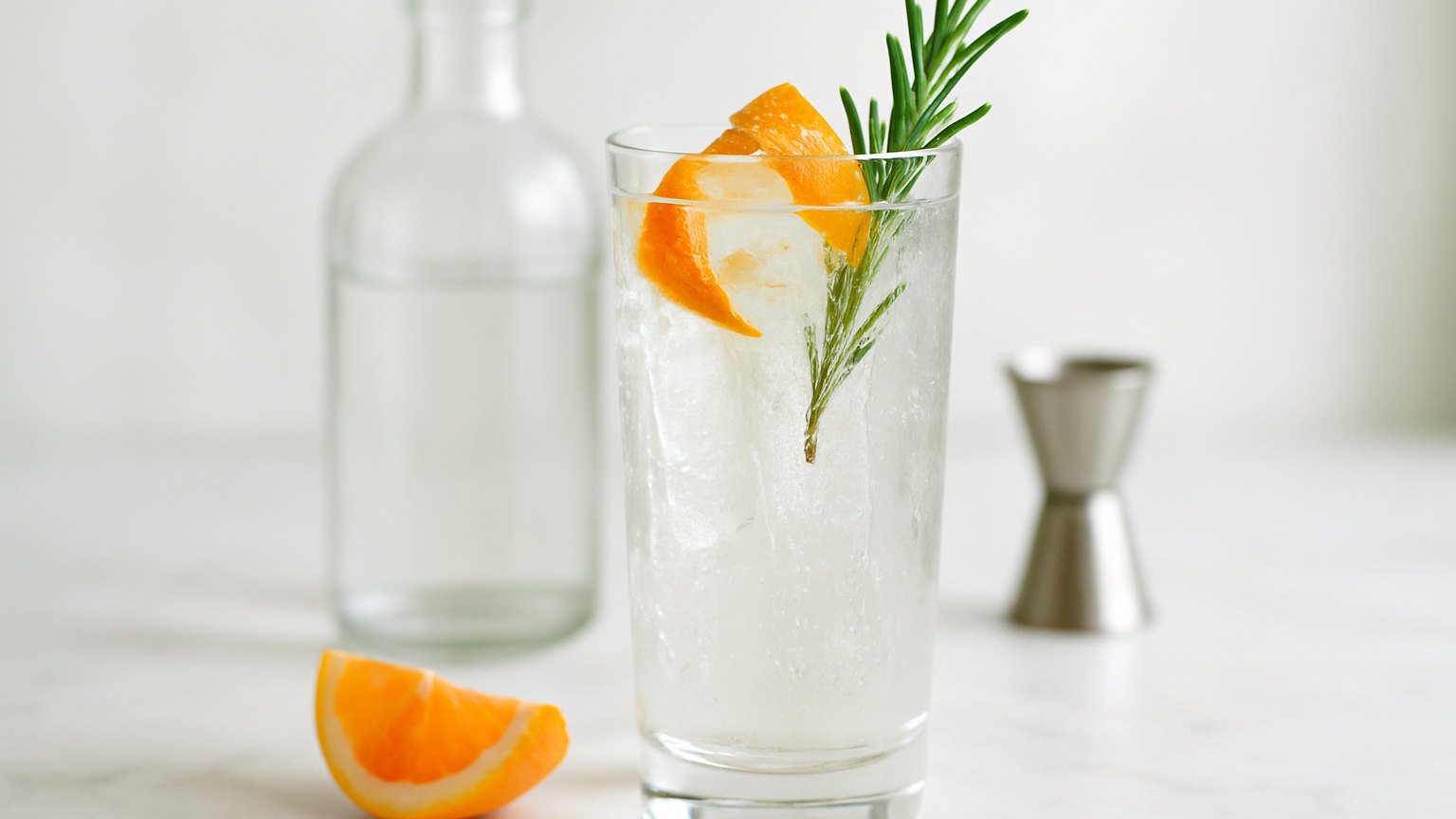
Long drinks, without exception. A non-alcoholic spirit with tonic, ginger ale or soda over plenty of ice works because the mixer supplies carbonation, bitterness and length, and the spirit supplies aroma.
This is the use they were designed for and the one where the results are genuinely good.
They also work in drinks with substantial acidity and sweetness, where the other ingredients provide structure.
Where they do not
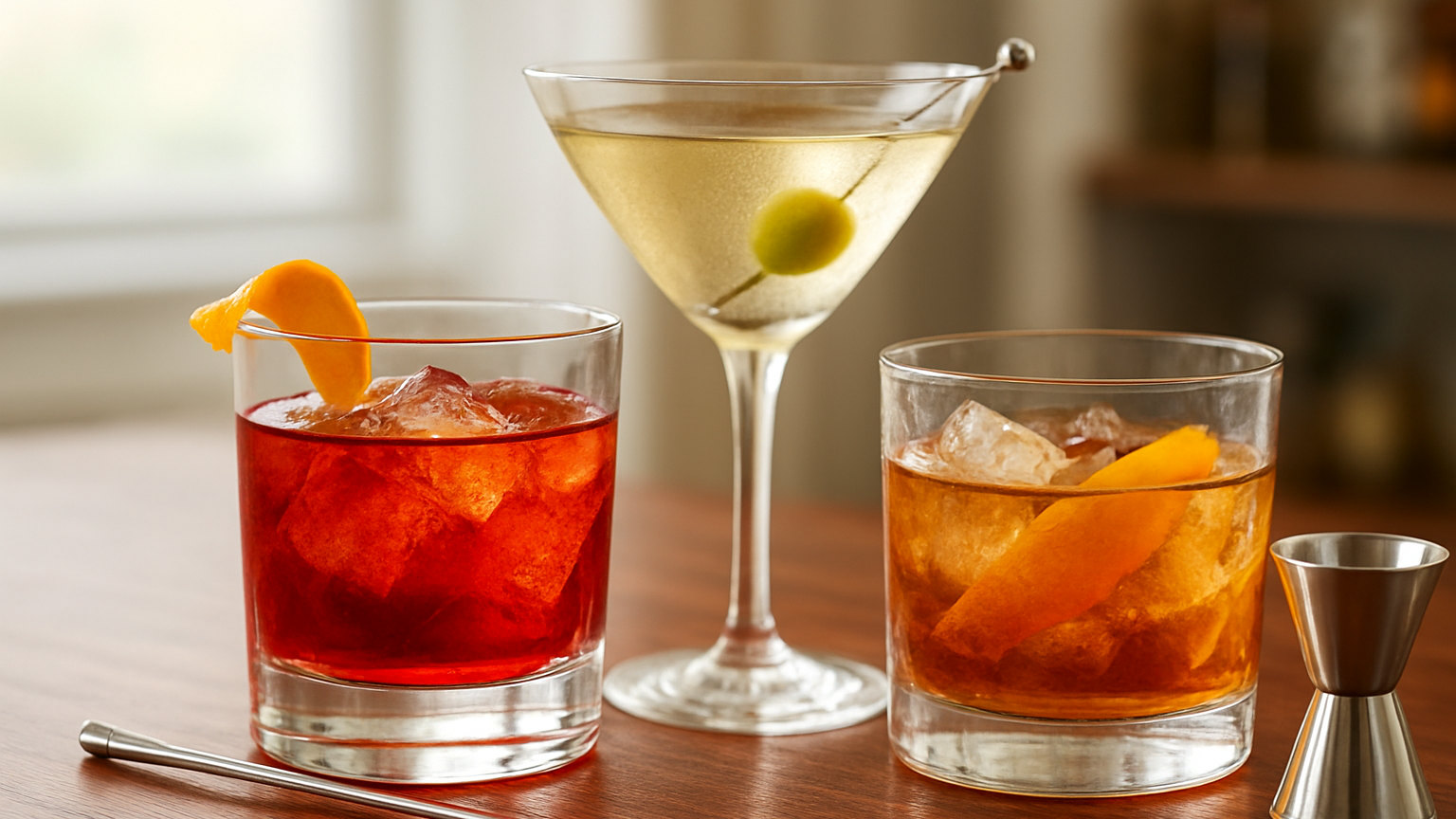
Anywhere the spirit is meant to be the drink. A non-alcoholic martini or negroni has nothing to hide behind, and the thinness is immediately apparent.
Stirred, spirit-forward drinks are the category's clearest failure, and no amount of technique rescues them.
Simple substitution generally disappoints. Replacing gin with a non-alcoholic equivalent in a recipe rarely produces a balanced drink, since the proportions assumed alcohol was doing part of the work.
The price question
This is the common objection and it is worth setting out fairly.
These products often cost close to what a mid-range spirit costs despite carrying no duty, which is a substantial part of a spirit's price. That looks like a poor deal.
The producers' answer is that botanicals, distillation and small-scale production cost what they cost, and that duty savings are offset by lower volumes and higher development costs.
Both points are true. Whether the result justifies the outlay is a judgement, and it depends heavily on which bottle.
Buying sensibly
Try before committing where possible, since the range in quality is wider than in almost any drinks category.
Read the ingredients. Products listing genuine botanicals and describing a distillation process are generally better than those listing flavourings.
Buy for a specific drink rather than as a general gin replacement, and taste the product neat and with tonic before building anything around it.
Check the strength on the label, since some products in this space are de-alcoholised rather than alcohol-free and may contain a small amount, which matters for anyone avoiding it entirely.
And consider whether you need one at all. A well made drink built on tea, citrus, a shrub and a good tonic frequently beats a non-alcoholic spirit and costs a fraction as much.
Non-alcoholic beer and wine
Worth mentioning as the neighbouring categories, since both have progressed further than spirits have.
De-alcoholised beer has improved substantially, and the better examples are genuinely good, partly because beer's flavour comes largely from malt and hops rather than from alcohol.
Wine is harder, since alcohol contributes a great deal of a wine's body and structure, and the results remain variable. Sparkling versions generally work better than still ones, since the carbonation supplies some of the missing structure.