An aperitif is meant to sharpen the appetite before a meal, and the qualities that do that are bitterness, acidity and lightness rather than alcohol. That makes the pre-dinner drink the easiest category to replace convincingly.
Why bitterness works before a meal
Bitter compounds stimulate saliva and prompt digestive responses, which is the traditional reasoning behind the whole category of bitter aperitifs.
The claim is long-standing rather than firmly established, and anyone with a digestive complaint should raise it with a doctor rather than with a bottle. What is not in doubt is that a bitter, sharp drink is more appetising before food than a sweet one, which is why the tradition developed as it did.
Acidity does similar work, which is why a squeeze of citrus improves almost any of these.
The bitter sodas
The easiest option and frequently the best. Chinotto, made from a bitter citrus fruit, is dark, bitter and complex, and it is a genuinely adult drink straight from the bottle over ice with an orange slice.
Bitter orange sodas, sold across Italy and increasingly available elsewhere, do the same job in a lighter register.
Tonic water with plenty of ice and a large grapefruit peel is a serious drink for very little effort, and the quinine bitterness is the point.
All three benefit from being treated properly: a proper glass, a full load of ice and a real garnish.
The alcohol-free aperitivo
Several products now imitate the red bitter aperitivo used in spritzes and negronis, and they are among the more successful things in the non-alcoholic category, since the original was never about alcoholic warmth.
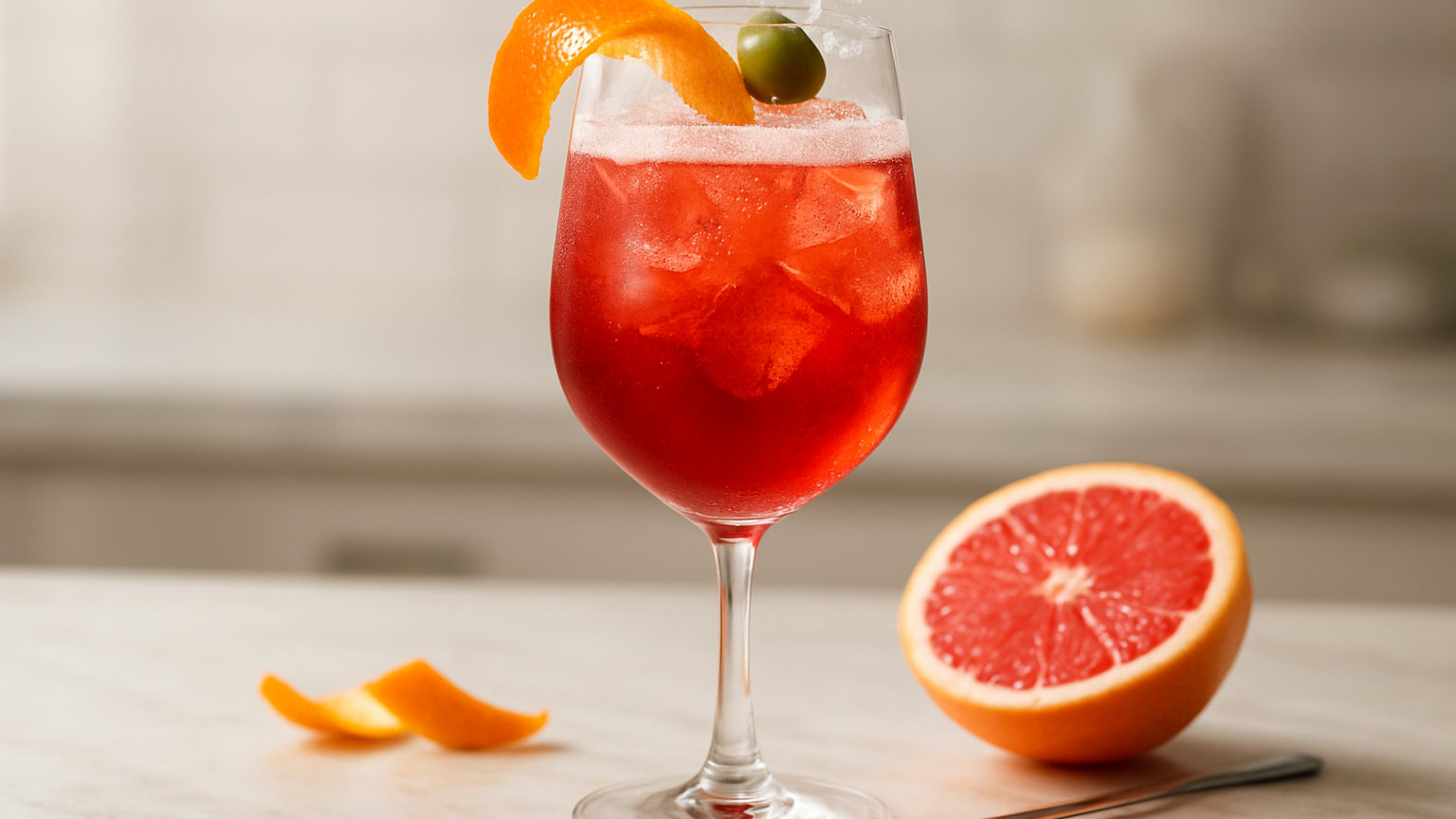
An alcohol-free spritz, made with the aperitivo, a non-alcoholic sparkling wine or soda, and plenty of ice with an orange slice, is close to the real thing.
Quality varies. The better ones have genuine bitterness; the weaker ones are sweet and orange-flavoured.
Verjuice
The juice of unripe grapes, sharp without being as aggressive as lemon, and with a wine-like character that suits the occasion.
Verjuice with soda over ice and a twist is an excellent aperitif and almost nobody makes it. It also works with tonic and as an acid component in more elaborate drinks.
A bottle keeps in the fridge for some time after opening and is worth having.
Sparkling tea and other options
Sparkling teas, made by brewing tea and carbonating it, have become a serious category and several are made specifically as wine alternatives for the table. They provide tannin, acidity and complexity, which is exactly the right combination.
A home version is straightforward: brew a good tea strongly, cool it, add a little acid and a small quantity of syrup, and lengthen with soda.
Kombucha works as an aperitif and comes with a caveat worth stating: it is a fermented product and contains a small amount of alcohol, sometimes more than the threshold for an alcohol-free description. For most people that is irrelevant; for anyone avoiding alcohol entirely it matters, and the label is worth reading.
Building your own
Take something bitter, something sharp, a small amount of something sweet and something long.
Grapefruit juice, a dash of rosemary syrup, a squeeze of lemon and soda over ice is a complete aperitif built from a supermarket.
Strong cold tea, honey syrup, lemon and tonic is another.
The rule throughout is to keep the sugar low. An aperitif that is sweet fills people up and defeats the purpose, and dryness is what makes the category work.
Serving it properly
The aperitif is a short drink rather than a long one, and it should be served accordingly: a modest measure in a decent glass rather than a pint of something over ice.
Serve it genuinely cold, with a large garnish and something salty alongside. Olives, almonds or crisps do as much for the occasion as the drink does, and the combination of bitter, cold and salty is the whole point of the hour before dinner.