A great many non-alcoholic drinks are disappointing for the same reason: they were designed as a cocktail with the alcohol removed rather than as a drink in their own right. What is left is sweet fruit juice in a nice glass.
The drinks that work start somewhere else entirely.
What a good one has
Acidity, above all. Sharpness is what stops a drink being cloying and what makes it refreshing, and it is the single most reliable improvement available. Fresh citrus, a vinegar-based shrub, verjuice or hibiscus all supply it.
Bitterness, which is the quality most often missing. Bitterness gives a drink length and structure, and it is why a tonic water works and a lemonade palls after half a glass.
Body, so the drink has some weight in the mouth rather than feeling like flavoured water. Syrup, purée, a little tannin or a small quantity of something viscous all contribute.
Aroma, since most of what we call flavour arrives through the nose. Fresh herbs, expressed citrus oil and aromatic spices do a great deal of work here.
And restraint on sweetness. This is where most commercial versions fail, since sugar is cheap, immediately appealing and tiring within a few minutes.
The structural problem
Alcohol does specific jobs in a drink. It dissolves and carries aromatic compounds that water does not, it contributes viscosity and a perception of sweetness, and it provides a warmth and length that nothing else quite replicates.
Remove it and those jobs still need doing. A drink that simply omits the spirit has holes in it, and no amount of good fruit juice fills them.
The productive approach is to ask what each ingredient in a cocktail was contributing and to replace the function rather than the ingredient.
Ingredients worth having
Strong brewed tea provides tannin, astringency and structure, and it is the closest thing to a general-purpose substitute for what alcohol contributes.
Verjuice, the juice of unripe grapes, gives gentle acidity without the sharpness of lemon.
Shrubs, made from fruit, sugar and vinegar, supply acidity, fruit and a savoury depth in one ingredient.
Bitter sodas, including chinotto and bitter orange styles, bring genuine bitterness in a ready-made form.
Good tonic water, ginger beer and quality sodas do a surprising amount of the work in a long drink.
And fresh herbs, citrus peel and spices provide the aromatic layer.
The template that works
Something acidic, something bitter or tannic, something sweet in a small quantity, something aromatic and something long, served over plenty of ice in a proper glass.
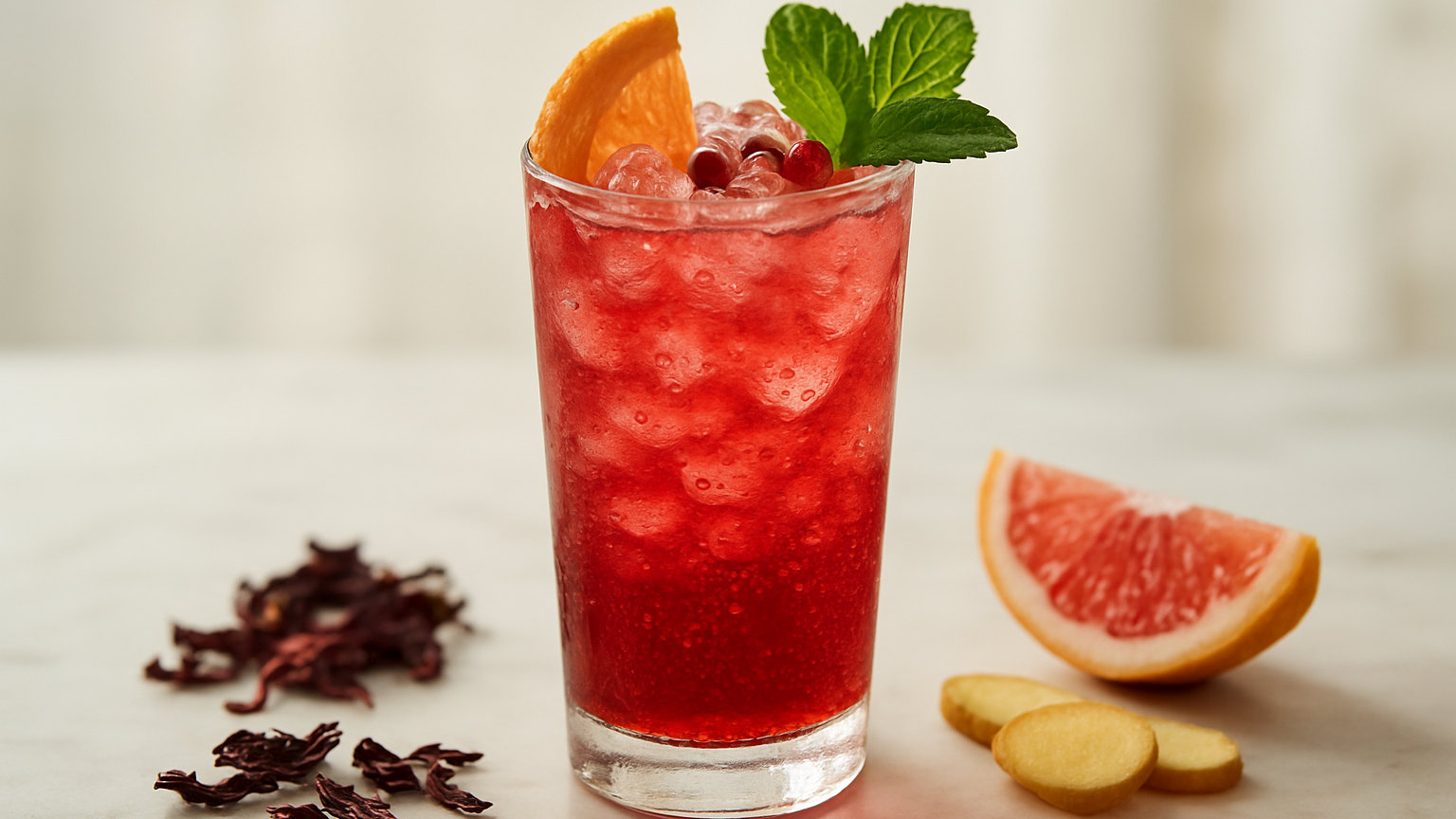
Strong cold tea with lemon, a little honey syrup and soda over ice with a mint sprig is a complete drink built entirely from that list, and it costs almost nothing.
Presentation matters more than it should
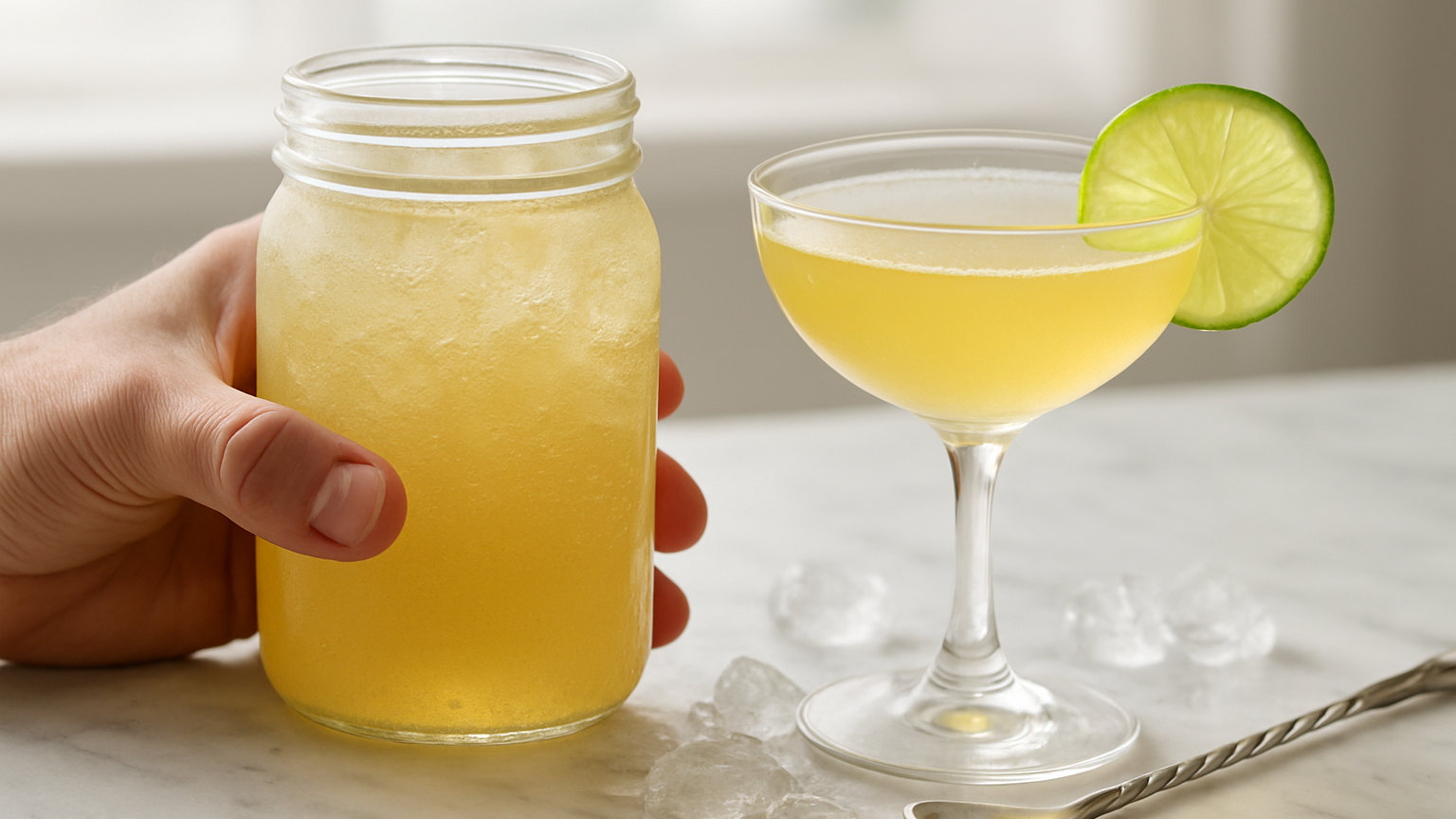
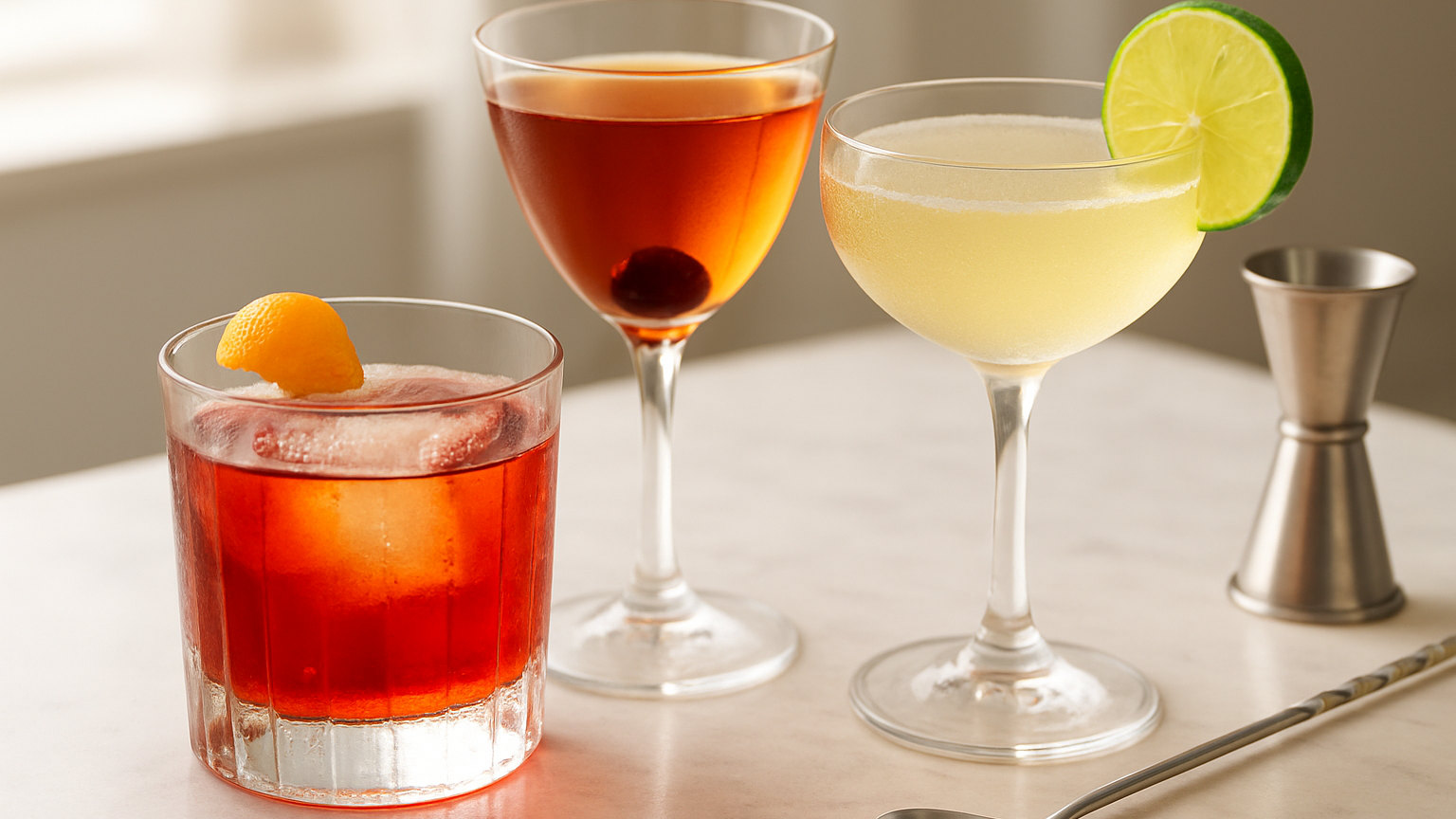
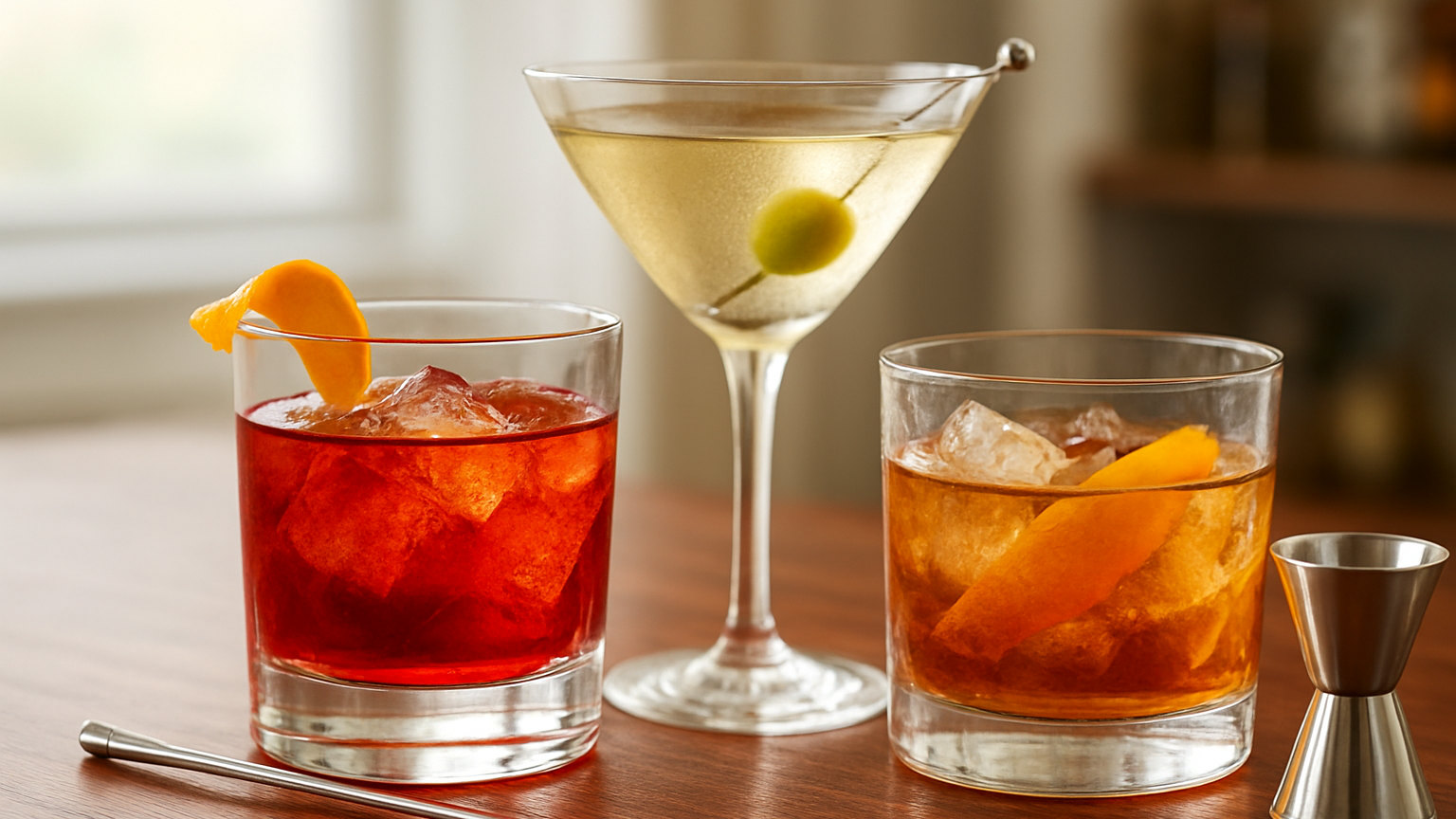
Serving a non-alcoholic drink in a proper glass with real ice and a considered garnish changes how it is received, and it changes how it is drunk.
This is not vanity. Someone who is not drinking is frequently handed a glass of orange juice while everyone else has something made with attention, and the difference is noticed.
The practical version of taking it seriously is to make the drink the same way you would make anything else: measure it, taste it, adjust it and serve it properly.
Where to start
Three ingredients cover most of what is needed: a box of strong black tea, a lemon and a bottle of decent tonic. Between them they supply bitterness, tannin, acidity and carbonation, which is four of the five qualities on the list above.
Add a syrup you have made yourself and a handful of fresh herbs and the range widens considerably. That is a total outlay of a few pounds, and it produces better drinks than most bottles marketed for the purpose.
Naming it properly
A small point with a disproportionate effect. Calling a drink a virgin something invites it to be measured against a cocktail it was never going to equal.
Giving it a name of its own changes how it is received entirely, and the word mocktail carries some of the same problem, implying an imitation rather than a drink. Plenty of bars now simply list these alongside everything else without a separate heading, which is the sensible direction.