Low-alcohol cocktails have moved from an afterthought to a serious category on most lists, and the ones that work are not diluted versions of strong drinks. They are built from ingredients that supply flavour, body and bitterness on their own account.
Why weakening a drink fails
Alcohol does specific jobs. It carries aroma, since many flavour compounds are more soluble in alcohol than in water. It contributes body and a perception of sweetness. And it provides the warmth that gives a drink presence.
Remove most of it and a drink built around a spirit tastes hollow and watery, with the aromatics muted and nothing filling the space.
The answer is to start from different ingredients rather than to reduce the spirit.
The ingredients that work
Fortified wines are the foundation. Sherry, at fifteen to twenty per cent, brings nuttiness, salinity and remarkable complexity, and a fino or manzanilla in place of a spirit produces a drink with real character. Vermouth does the same job with herbs and sweetness.
Amari and aperitivi sit between sixteen and thirty five per cent and supply bitterness, herbs and length. A drink built on an aperitivo has plenty happening.
Acidity carries a drink a long way, whether from citrus, a shrub or verjuice, since sharpness reads as intensity.
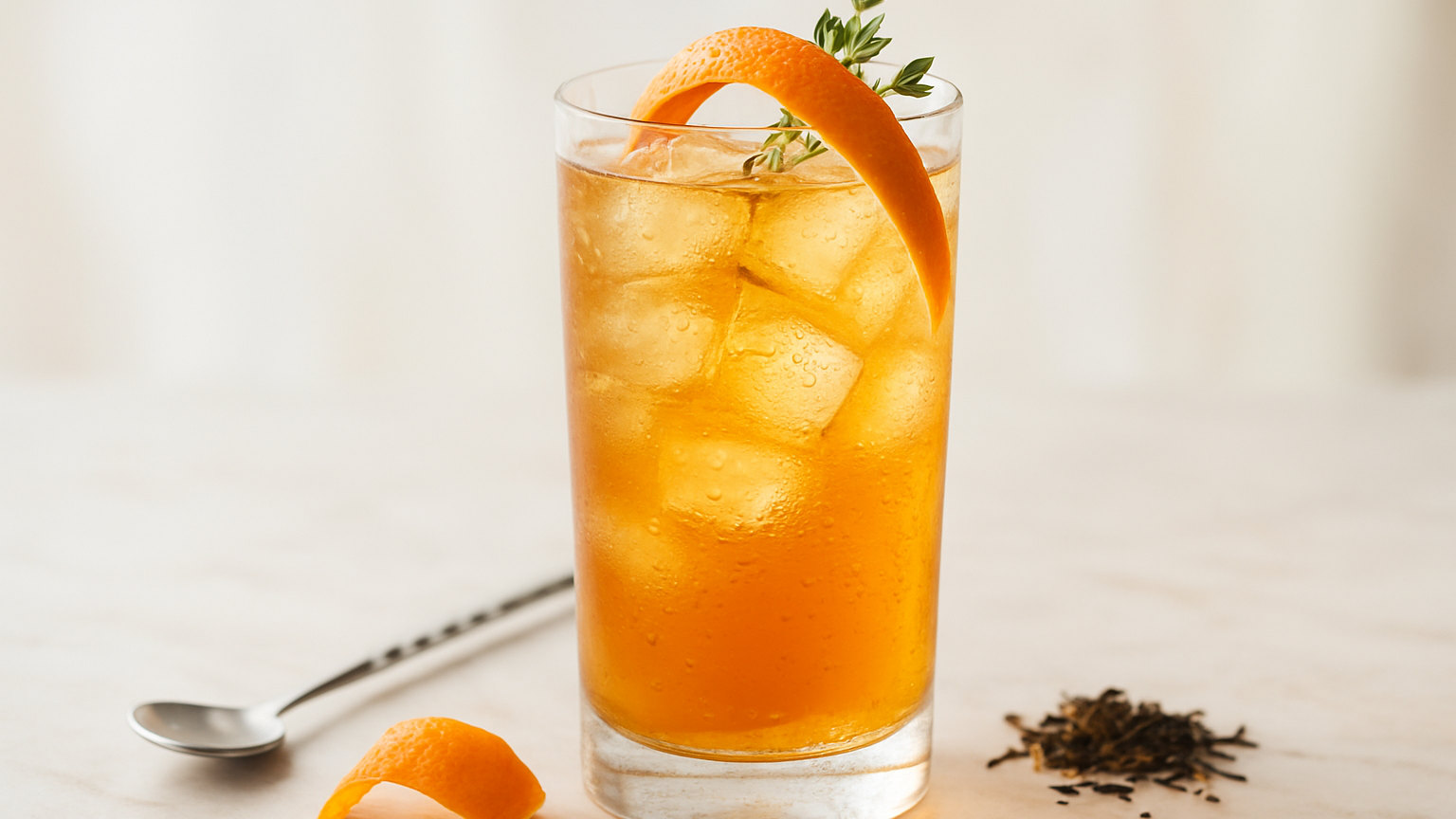
Tannin and bitterness add structure. Strong tea, particularly as a syrup or a cordial, contributes astringency that mimics what alcohol provides.
And texture matters: a little sugar, or a syrup with body, prevents the drink feeling thin.
The templates
The spritz is the reliable one: three parts sparkling wine, two parts bitter aperitivo, one part soda water over plenty of ice with an orange slice. It lands around eight to eleven per cent in the glass and works because every component is assertive.
The americano is bitter aperitivo and sweet vermouth topped with soda, at around ten per cent, and it is the ancestor of the negroni and arguably the better hot-weather drink.
A sherry highball, using fino with soda or tonic over ice with a twist, is around six per cent and one of the most refreshing things you can make in thirty seconds.
A vermouth and soda, served in Spain as a matter of routine, needs nothing but good vermouth, ice and a slice of orange.
Building your own
Start with a fortified wine or an amaro as the base, at forty five to sixty millilitres.
Add an acid, whether citrus, shrub or verjuice.
Add something sweet if needed, tasting as you go.
Lengthen with soda, tonic or a light sparkling wine, and serve over plenty of ice.
The proportions matter less than the principle: every ingredient should be doing something, since there is no alcohol to fill gaps.
Alcohol-free spirits
The category has improved and remains variable. The better ones provide botanical aroma and some bitterness; the weaker ones taste of flavoured water and cost as much as gin.
They work best in long drinks with tonic or soda where the mixer does most of the work, and least well in spirit-forward drinks where there is nothing to hide behind.
If you are buying one, treat it as an ingredient with its own character rather than as a substitute, and taste it before committing to a recipe built around it.
Why it matters
A well made low-alcohol drink lets someone have something interesting without having to choose between a full-strength cocktail and a soft drink.
Anyone hosting should have at least one of these they can make properly, kept alongside everything else rather than treated as a lesser option. It costs nothing and makes the evening easier for people who would otherwise be drinking more than they wanted to.
Reading the strength
Low alcohol is a relative term and worth checking. A spritz at around ten per cent in a large glass contains a similar amount of alcohol to a small glass of wine, which is considerably less than a cocktail and not nothing.
In Britain, drinks below one point two per cent may be described as low alcohol, and alcohol-free generally means no more than nought point zero five per cent, though labelling rules have been under review.
If someone is avoiding alcohol entirely, for medical, religious or personal reasons, a low-strength cocktail is not an appropriate substitute and should not be offered as one. Ask rather than assume.