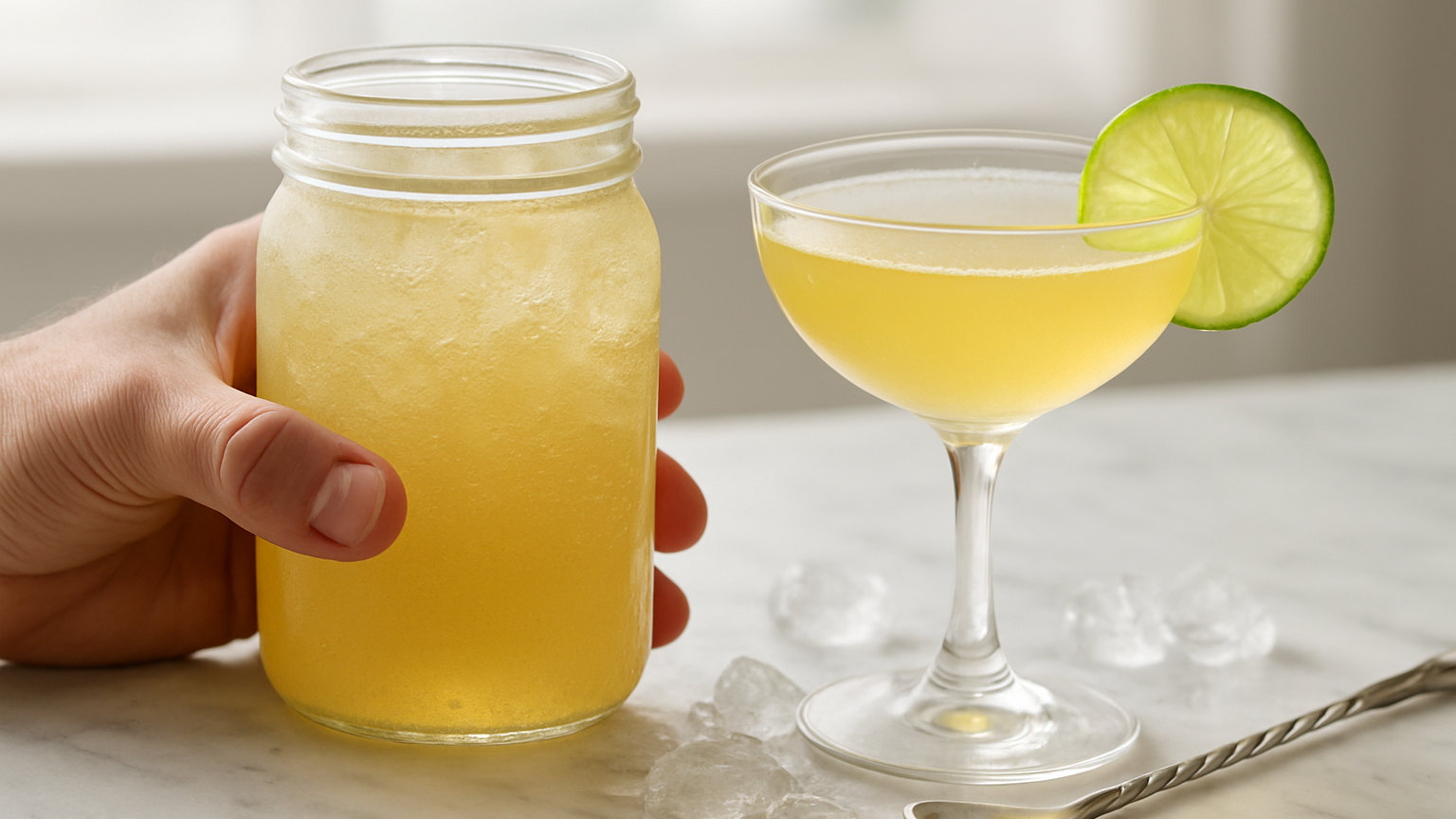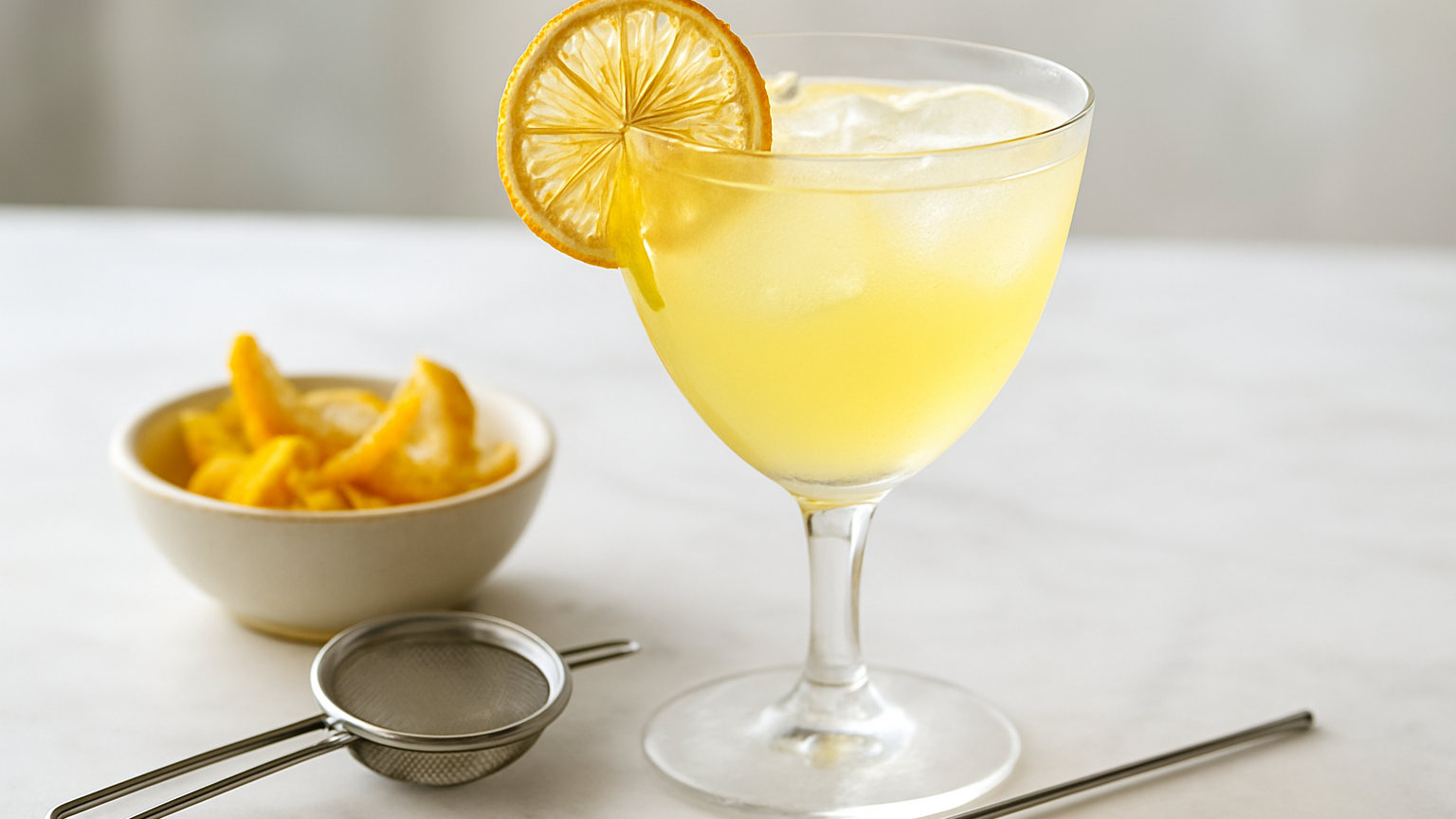
Sustainability in bars became a serious topic over the past decade, and the useful part of it is not the marketing. It is a set of techniques developed to address genuine waste, several of which produce better drinks as a side effect.
Where the waste actually comes from
Citrus is the largest single source. A bar making sours squeezes an enormous quantity of lemons and limes and throws away the peels, which contain most of the aromatic oil.
Ice is the largest energy cost, since freezing water and keeping it frozen consumes a great deal of electricity, and a substantial proportion of ice made in a bar melts unused.
Garnish waste is significant and highly visible: elaborate decorations discarded untouched, and single-use plastic in various forms.
Then there is packaging, refrigeration, transport and the ordinary waste of any hospitality business.
The citrus techniques
Two are worth knowing about because they are genuinely useful at home.
Oleo saccharum is made by combining citrus peels with sugar and leaving them for several hours. The sugar draws the aromatic oil out of the peel, producing an intensely fragrant syrup. It is a centuries-old punch ingredient and it uses the part of the fruit that would otherwise be discarded.
Acid-adjusted juice, sometimes called superjuice, takes the peels of a small number of citrus fruits, combines them with citric and malic acid and water, and produces a far larger volume of liquid with the acidity and aroma of fresh juice. One lemon can yield the equivalent of several.
Neither is quite identical to fresh juice, and both are considerably better than bottled.
Other approaches
Using whole ingredients across a menu, so that a fruit juiced for one drink has its peel used in another and its pulp in a syrup.
Local and seasonal sourcing, which reduces transport and generally improves what is in the glass.
Reducing garnish to things that are edible or aromatic rather than decorative.
Clarification and batching, which extend shelf life and reduce the quantity thrown away at the end of service.
And rethinking ice, using larger formats that melt more slowly and produce less waste.
Where it becomes theatre
It is worth being sceptical about parts of this. A bar advertising zero waste while importing ingredients from three continents is making a marketing claim rather than an environmental one.
Some techniques presented as sustainable are simply interesting, and some genuinely reduce waste while adding energy costs elsewhere.
The reliable indicators are unglamorous: less packaging, fewer imported ingredients, no single-use plastic, smaller menus with ingredients used across several drinks, and an absence of decorative garnish that goes straight in the bin.
At home
The same principles apply and are easier to act on.
Use citrus peels before juicing the fruit, whether for a twist, for oleo saccharum or for an infusion.
Buy fewer bottles and use them more. A home bar with eight well chosen bottles produces more good drinks than one with thirty, and nothing goes stale in a cupboard.
Batch what you can, since a batched drink kept properly wastes less than ingredients opened and abandoned.
Keep vermouth and other wine-based products in the fridge and buy small bottles, since these are the things most commonly poured away.
And make one drink well rather than three experiments, which is better for the evening as well as for the bin.
The ice question at home
Ice is where domestic drinking wastes the most, since trays are filled, half used and refilled, and the freezer runs constantly regardless.
Large cubes are the practical answer. They melt more slowly, dilute a drink less, and mean fewer are needed per glass. A silicone mould producing a handful of large cubes covers most home use.
Making ice in advance and storing it in a sealed bag prevents it absorbing freezer smells, which is a common cause of drinks that taste faintly of last week's dinner.