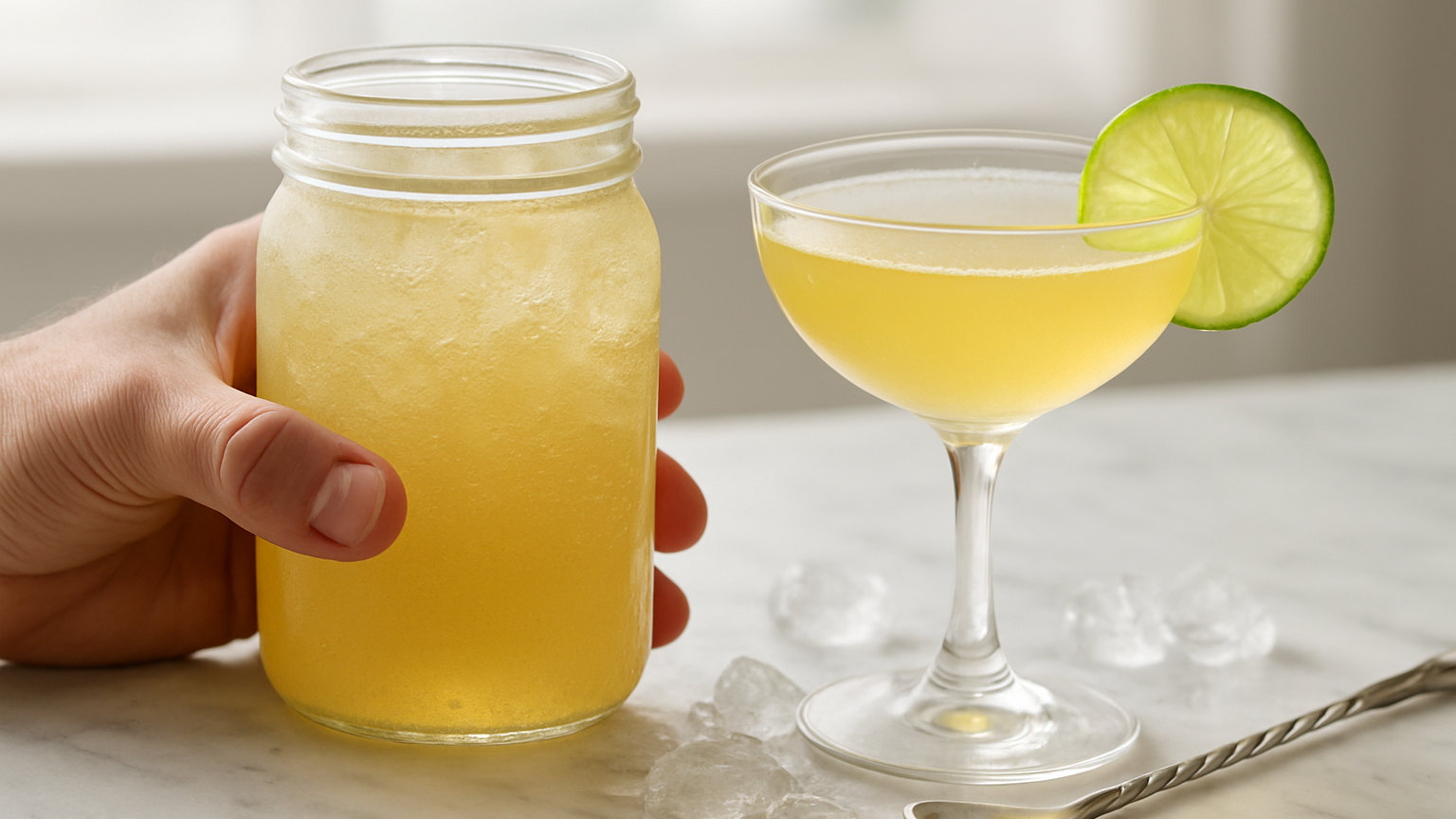
Carbonating an entire cocktail, rather than building it and topping with soda water, has become standard practice in serious bars. It is more work, and the result is a genuinely different drink.
What carbonation does
Two things, and the second is the one people miss.
The obvious effect is texture: bubbles provide a prickle and a liveliness that a still drink lacks, and they carry aromatics upwards as they burst.
The less obvious effect is chemical. Dissolved carbon dioxide forms carbonic acid, which contributes a genuine acidity and a slight bite. A carbonated drink therefore tastes drier and sharper than the same liquid still, independent of any citrus in it.
That means carbonation is a flavour decision rather than a textural one, and a recipe balanced still will taste different once carbonated.
Why not just add soda
Topping a drink with soda water dilutes it, which changes the balance, and the carbonation is concentrated in the added portion rather than distributed through the whole drink.
Carbonating the finished mixture produces even, fine bubbles throughout and allows the drink to be built to full strength without dilution from the mixer.
It also allows a drink to be bottled and served instantly, which is the commercial reason most bars do it.
The conditions required
Three things have to be right, and all of them are unforgiving.
The liquid must be cold, ideally close to freezing. Carbon dioxide dissolves far better in cold liquid, and a warm mixture will not take up enough gas to matter.
It must be clear. Every suspended particle acts as a nucleation site where bubbles form, so a cloudy liquid foams uncontrollably and loses its gas immediately. This is why carbonation and clarification go together, and why juice-based drinks have to be clarified first.
And it should be relatively low in oils and proteins, which destabilise the carbonation for the same reason a trace of fat destroys a beer head.
How it is done
Professionally, with a carbonation rig: a pressurised vessel, a carbon dioxide cylinder and a regulator, with the liquid chilled and gassed under pressure, then bottled and sealed.
At home, a soda siphon charged with carbon dioxide bulbs works for small quantities, and a countertop sparkling water machine can be used with care, though most manufacturers advise against putting anything but water through them and doing so may affect the warranty and require thorough cleaning.
The straightforward domestic route is to chill a clarified mixture thoroughly, carbonate it, and refrigerate it sealed until serving.
What it suits
Highball-style drinks above all, which is why the technique arrived alongside renewed interest in the highball as a serious format.
Clear, citrus-forward drinks work well. Spirit-forward stirred drinks generally do not, since carbonic acidity fights the sweetness and the effect is unpleasant.
Sparkling negronis and similar experiments exist and divide opinion sharply.
The simpler alternative
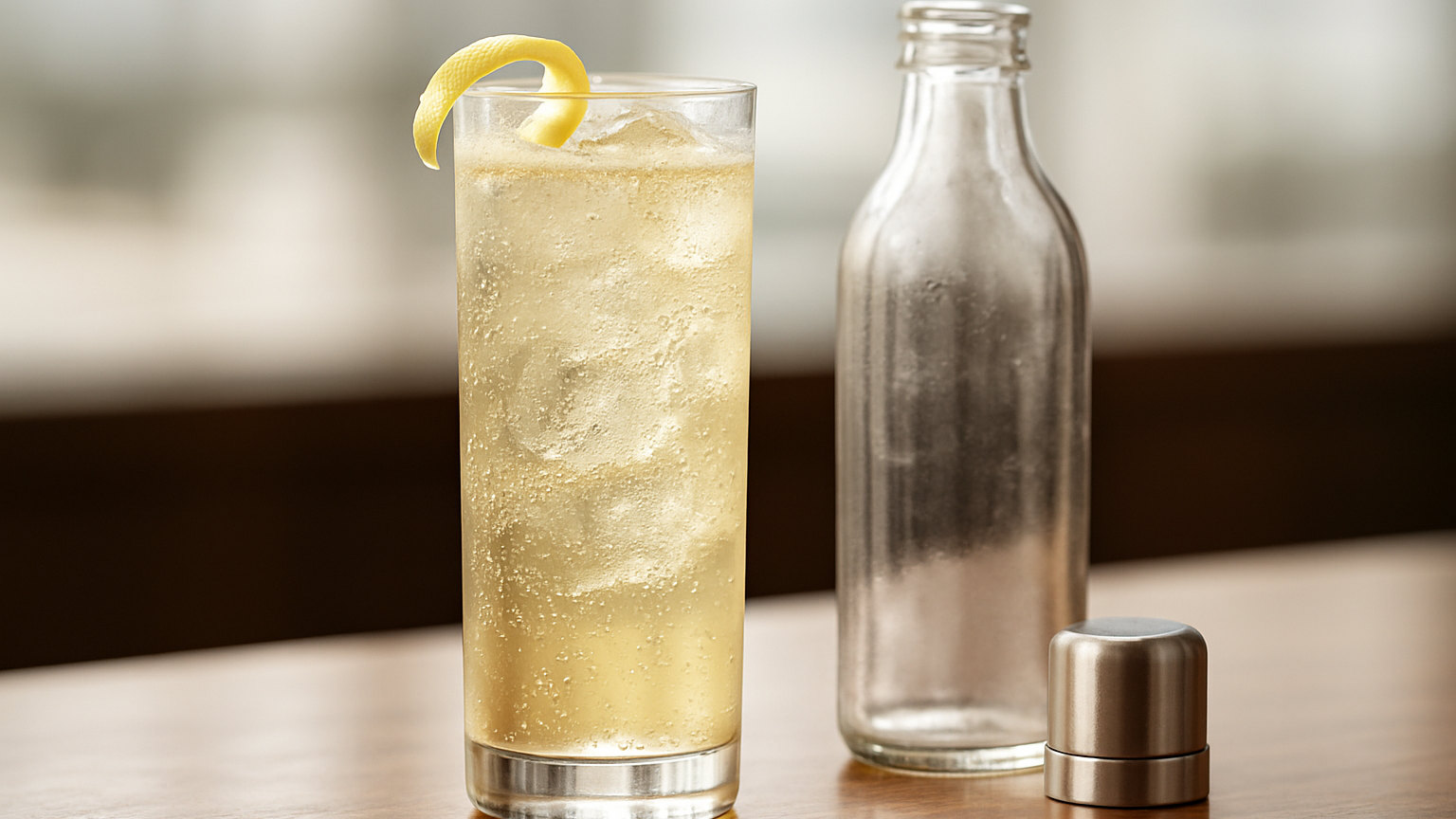
For most people at home, a well made highball is the better use of effort. A full glass of good ice, a measured pour, cold soda or tonic added gently down the side, and one stir produces an excellent drink in twenty seconds.
The variables that matter there are ice quantity, mixer temperature and how gently it is poured, since agitation drives off carbonation. Getting those right delivers most of the benefit for none of the equipment.
Keeping a carbonated drink
Once carbonated, a drink loses gas from the moment it is opened, exactly as beer does.
Bottled cocktails should be sealed tightly, kept cold and opened only when they are going to be finished. A half-empty bottle in the fridge will be noticeably flat within a day.
Serving into chilled glasses helps, since a warm glass drives carbonation out immediately, and pouring gently down the side rather than into the middle preserves considerably more of it.
The highball revival
Interest in carbonation grew alongside renewed respect for the highball, which had been dismissed for decades as the drink you make when you cannot be bothered.
Japanese bar practice did most to change that, treating the whisky highball as something requiring care: the right ice, a chilled glass, a measured pour and a specific stirring technique.
The result is a drink that rewards attention without demanding equipment, which is a reasonable summary of where a good deal of modern bartending has ended up.