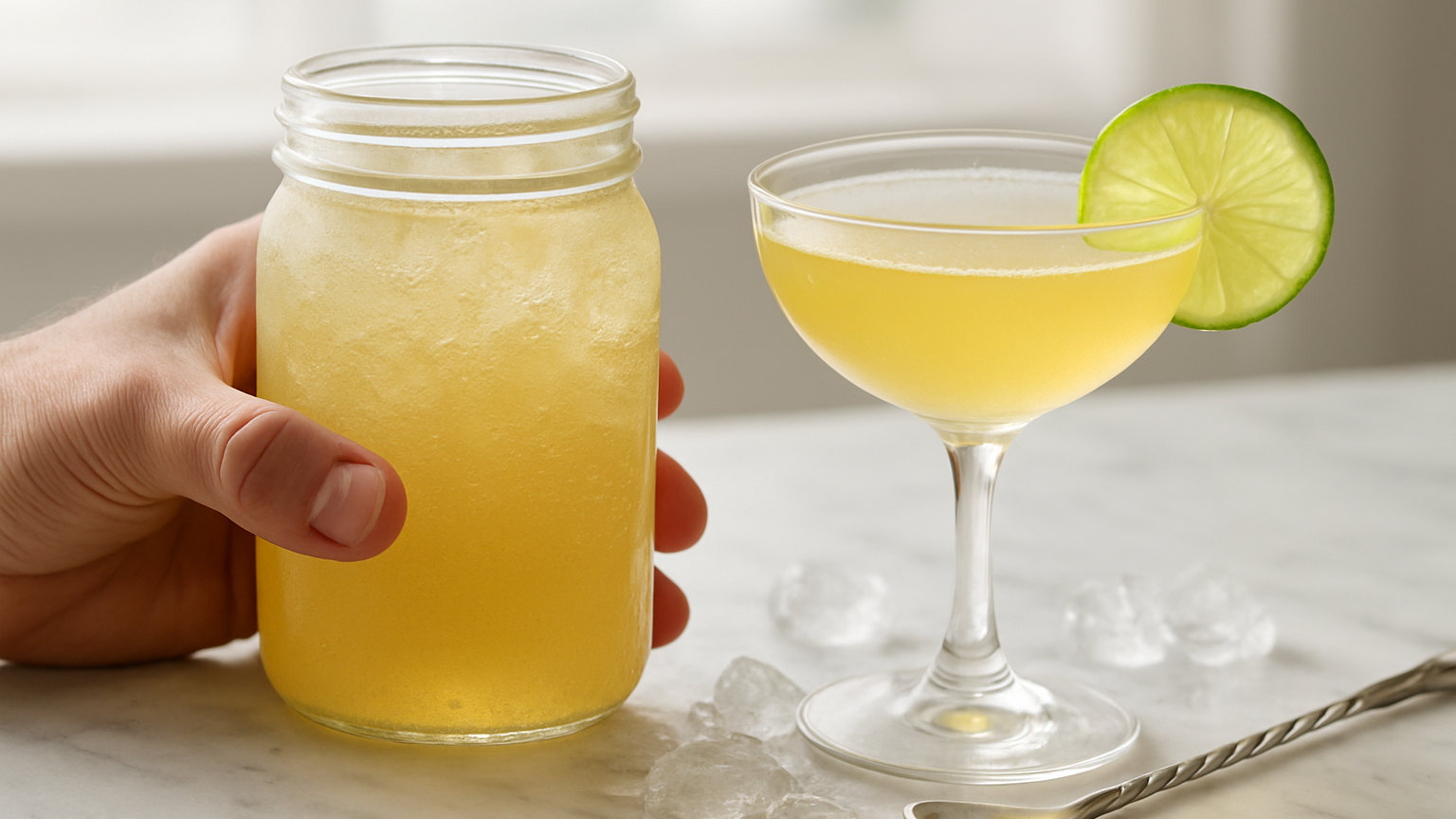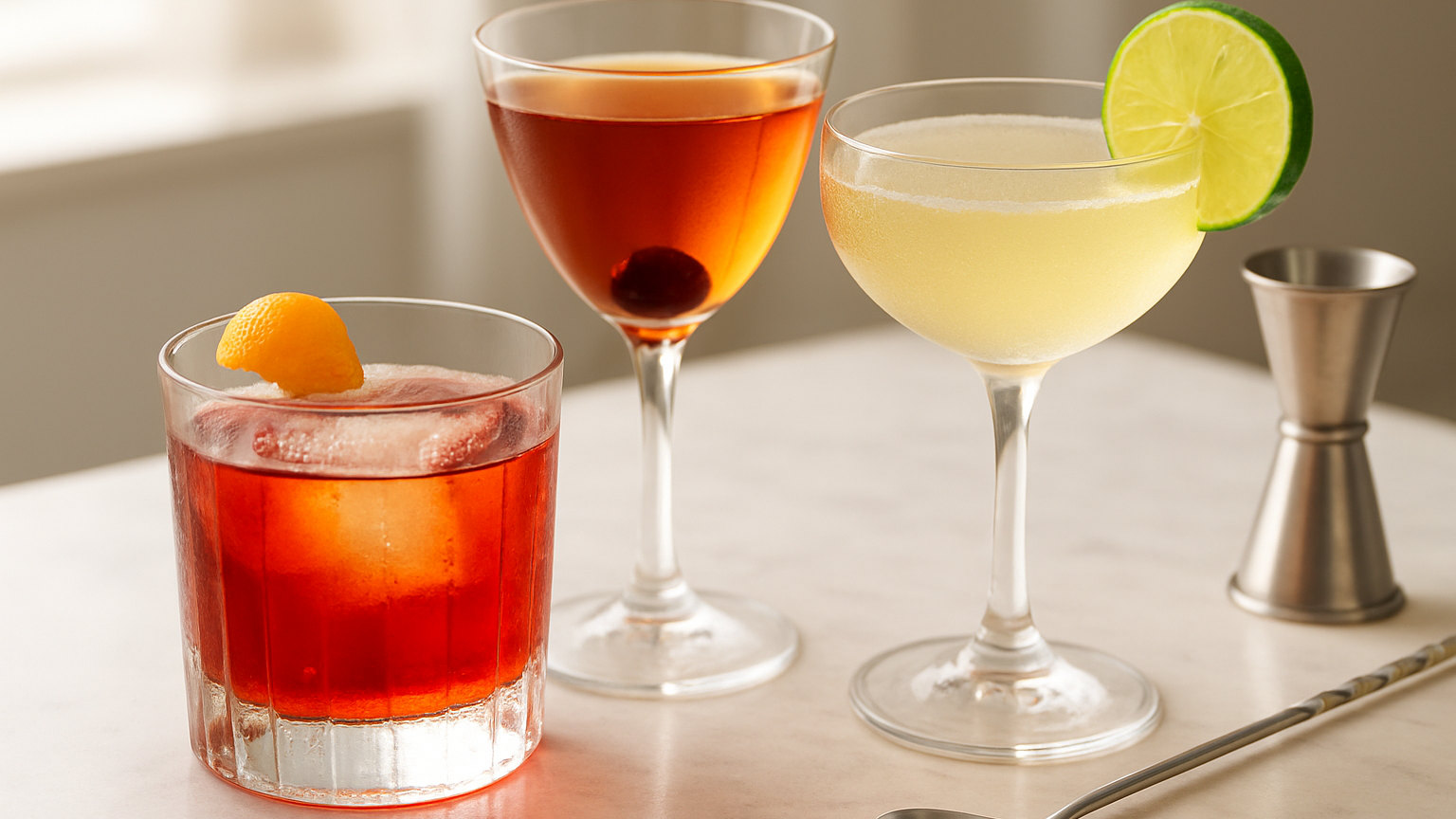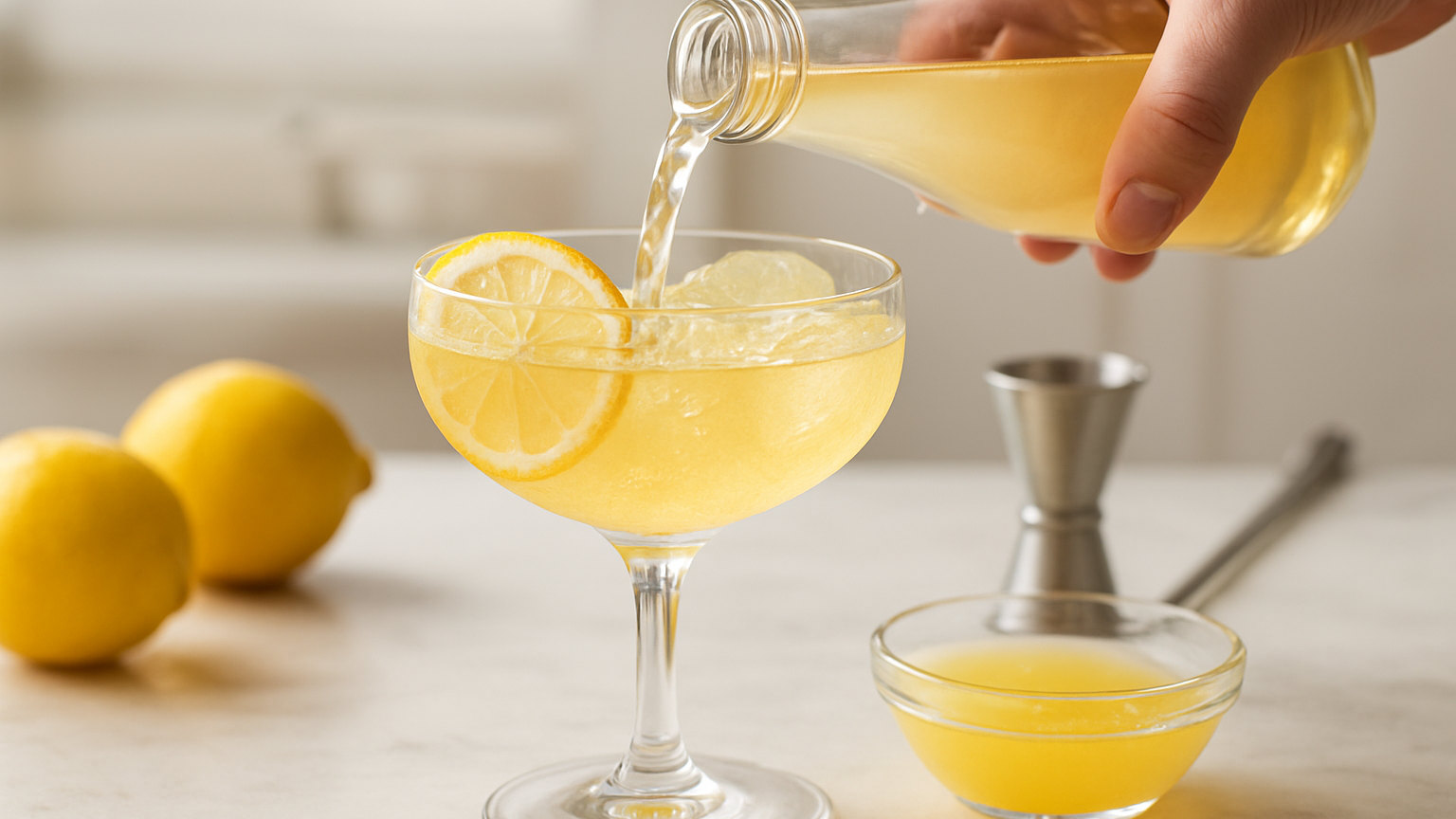
How long a batch keeps depends almost entirely on its most perishable ingredient. A drink made of spirits alone lasts effectively forever; the same drink with lime juice in it lasts a day.
The categories
Spirits, liqueurs and bitters only, meaning drinks like an old fashioned or a bottled negroni without vermouth: months, and realistically indefinitely if sealed and stored cool.
Anything containing vermouth or another fortified wine: several weeks refrigerated, since vermouth is wine and oxidises. A batched manhattan or martini is good for a month or two and declining thereafter.
Anything with fresh citrus juice: hours rather than days. Lime is noticeably duller within a day and lemon not much better.
Anything with dairy, egg or fresh fruit purée: refrigerate and use within a day or two, treating it as you would the ingredient itself.
Clarified drinks: months, since the clarification removes the material that spoils. This is the reason milk punch was invented.
Why citrus is the limit
Fresh juice begins changing immediately. Volatile aromatics evaporate, oxidation dulls the brightness, and the result within a day is flat and faintly cooked.
Alcohol does not preserve it in any useful sense. A citrus batch at twenty per cent tastes stale on the same timescale as one at ten.
The practical answer is the split batch: everything except the citrus made in advance, with the juice added within a few hours of serving.
Acid-adjusted juice, made with citrus peel and citric and malic acid, keeps for a week or more and removes the constraint for anyone batching regularly.
Why vermouth is the other limit
Vermouth is fortified wine at around fifteen to eighteen per cent, and it oxidises exactly as wine does.
Diluting it into a stronger batch slows this somewhat, since the overall alcohol content is higher, and it does not stop it.
A batched negroni or manhattan should be treated as having a shelf life of weeks rather than months, and refrigeration extends it considerably.
Starting with fresh vermouth matters. A batch made with a bottle that was already stale will not improve.
What storage does
Temperature is the largest factor. Cold storage slows every deterioration reaction substantially, so a batch in the fridge lasts several times as long as one in a warm cupboard.
Air is the second. A bottle filled to the neck lasts far longer than one half empty, since oxygen is what dulls the aromatics.
Light matters for anything containing citrus oil or delicate botanicals, and a dark bottle or a dark cupboard solves it.
How to tell it has gone
Smell it first. A batch past its best smells flat and dull rather than actively unpleasant, with the bright aromatics gone.
Citrus-containing batches develop a cooked, slightly bitter character that is unmistakable once you have encountered it.
Vermouth-containing batches take on the oxidised, sherry-like note that a stale bottle of vermouth has.
Cloudiness, sediment or any sign of fermentation in a batch containing fruit or sugar means it should be discarded.
Practical rules
Label everything with the date, since a bottle in a fridge gives no clue how old it is.
Make citrus batches on the day and everything else whenever suits.
Refrigerate anything with vermouth and freeze anything strong enough not to solidify.
And make quantities you will actually use. A litre of something excellent that has to be poured away in three months is a worse outcome than making half as much twice.
Freezing as an option
For anything strong enough not to solidify, the freezer effectively pauses deterioration.
A batch at around thirty per cent alcohol stays liquid at domestic freezer temperature and keeps considerably longer than the same batch in a fridge.
Anything containing citrus or a substantial proportion of fortified wine may freeze partially or fully, which is not harmful and does change the texture on thawing.
A rough guide
Spirits only: months. With vermouth: weeks, refrigerated. With citrus: hours.
When in doubt, smell it. A batch past its best announces itself, and the aromatics go long before anything becomes unpleasant.