The sour template has three slots, and the sweetener is the one that changes the drink most for the least effort. Substituting it is how a daiquiri becomes a dozen different drinks.
Sugar syrup
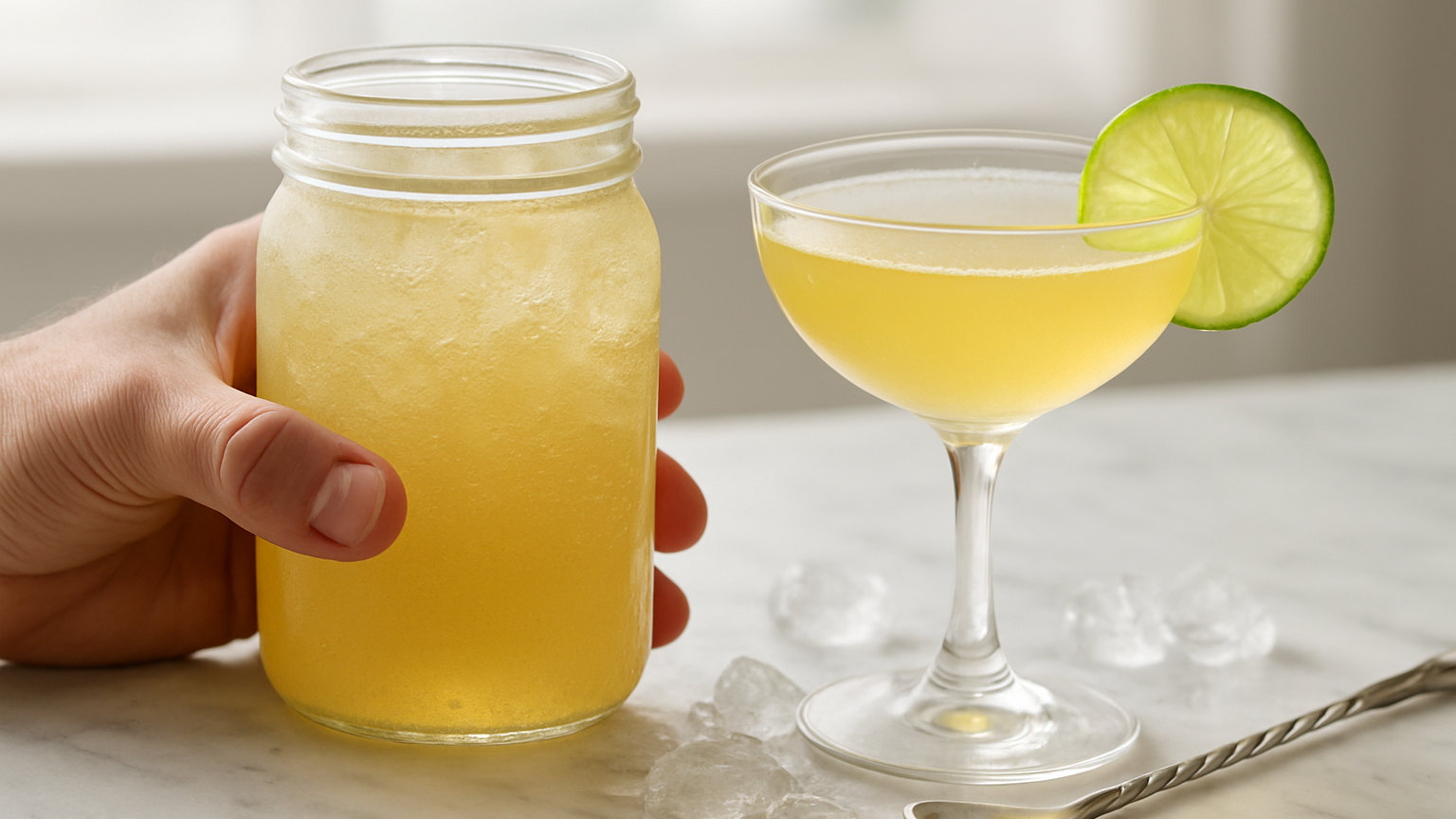
The default. Equal weights of sugar and water, stirred until dissolved, no heating required.
It is neutral, which is exactly what you want when the spirit and the citrus are meant to be the flavour.
Rich syrup, at two parts sugar to one of water, is thicker and sweeter, so a smaller measure achieves the same effect with less dilution. Useful in drinks that are already long, and it gives noticeably more body.
Demerara syrup, made the same way with unrefined sugar, adds molasses and caramel depth. It suits aged rum, whiskey and anything dark, and it is arguably better than plain syrup in most spirit-forward sours.
Honey syrup
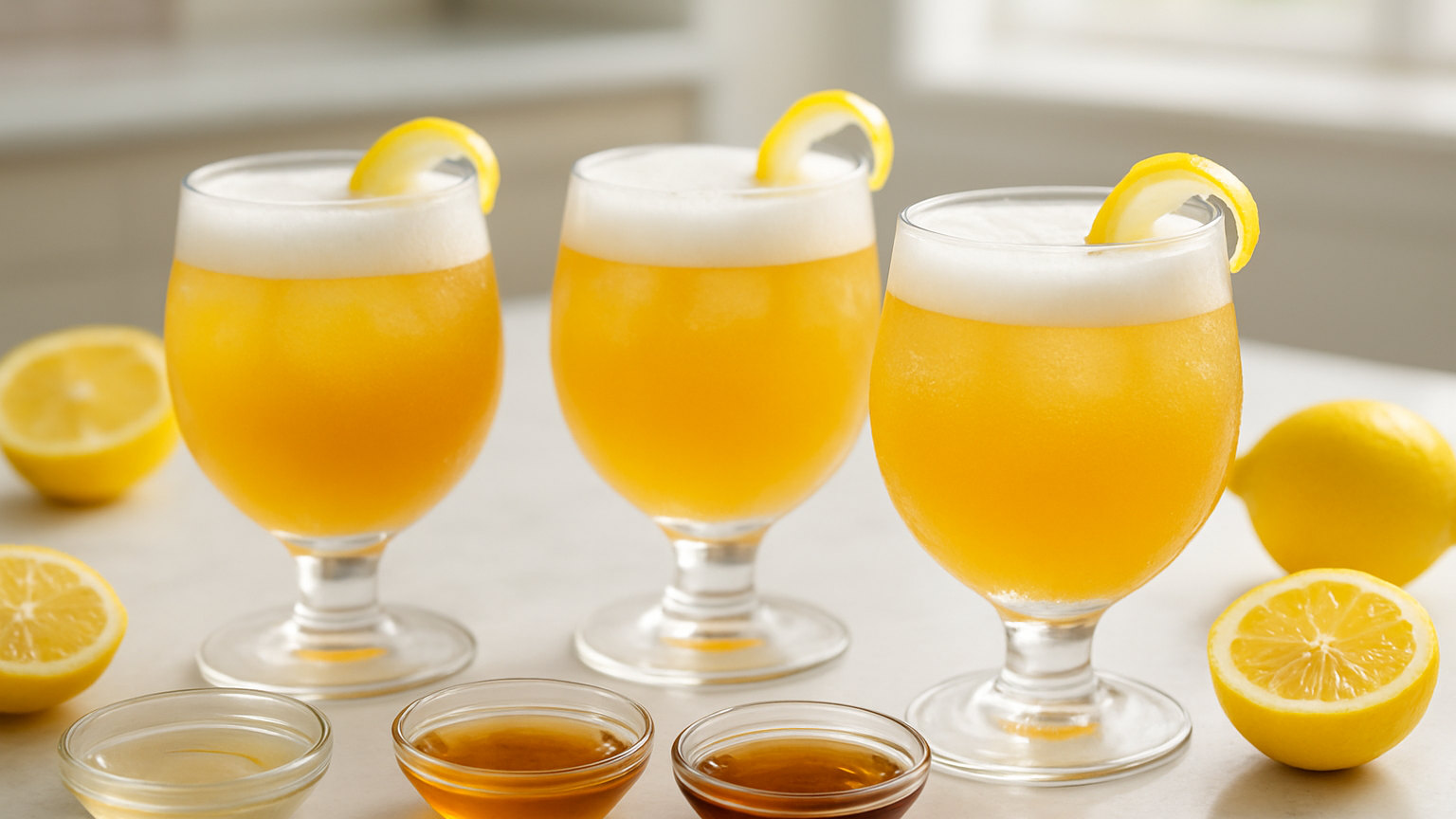
Honey is too thick to measure or mix cold, so it is thinned with warm water, usually three parts honey to one of water.
It brings floral character and a rounder body, and it suits whisky, gin and rum. The penicillin is built on it.
Different honeys behave very differently. A mild blossom honey is subtle; a strong heather or chestnut honey will dominate the drink.
Honey is sweeter than sugar by volume, so reduce the quantity slightly when substituting.
Agave syrup
The natural partner for tequila and mezcal, since it comes from the same plant family and shares a flavour lineage.
It is sweeter than sugar syrup, so use around three quarters of the quantity. It is also thick and benefits from being thinned with a little water for easier measuring.
A Tommy's margarita, which replaces the orange liqueur with agave syrup, is the clearest demonstration of what it does: drier, cleaner and considerably more tequila-forward.
Maple syrup
Distinctive and assertive, with a woody, caramel character.
It suits bourbon, rye and apple brandy particularly well, and it is excellent in autumn drinks.
Use slightly less than sugar syrup and be aware it will be tasted rather than merely felt. Grade matters: darker grades are stronger and more interesting in a drink.
Liqueurs as sweetener
The most productive substitution, since a liqueur brings flavour and sweetness together.
Orange liqueur turns a daiquiri into something closer to a sidecar and a tequila sour into a margarita.
Maraschino, elderflower, herbal liqueurs and fruit liqueurs all work.
Two adjustments are needed. Liqueurs are generally less sweet per millilitre than syrup, so a larger measure is required, typically 20 to 25 millilitres in place of 15 to 20. And they contain alcohol, so the base spirit should be reduced slightly to keep the strength sensible.
Amaro and bitter modifiers
An amaro used in place of some of the sweetener produces a drink with sweetness and bitterness at once, which is the structure behind several modern classics.
Quantities vary enormously by brand, since the category ranges from gently orangey to aggressively bitter, so taste the bottle before building around it.
Substituting sensibly
Change one thing at a time and start with three quarters of the quantity the recipe specifies, then taste and adjust upwards.
Match the sweetener to the spirit rather than choosing at random: agave with tequila, honey with whisky, demerara with aged rum, maple with bourbon.
And keep the acid constant while you experiment, so you can attribute the change to the sweetener rather than to two variables at once.
Making and keeping syrups
All of these keep in the fridge and none keeps indefinitely.
A simple syrup lasts around a month, a rich syrup rather longer since the higher sugar concentration inhibits growth. Honey and agave syrups last a few weeks. Anything containing fresh fruit or herbs should be used within a week or two.
Use clean bottles, label them with the contents and the date, and discard anything cloudy or fizzing, since a fermenting syrup is spoiling.
Sweetness and quantity
One general point worth keeping in view. A sour contains a meaningful amount of sugar however it is sweetened, and honey and agave are not meaningfully different from sugar in that respect despite their reputations.
Anyone watching their sugar intake is better served by making the drink drier, which most people prefer once they adjust to it, than by switching between sweeteners.