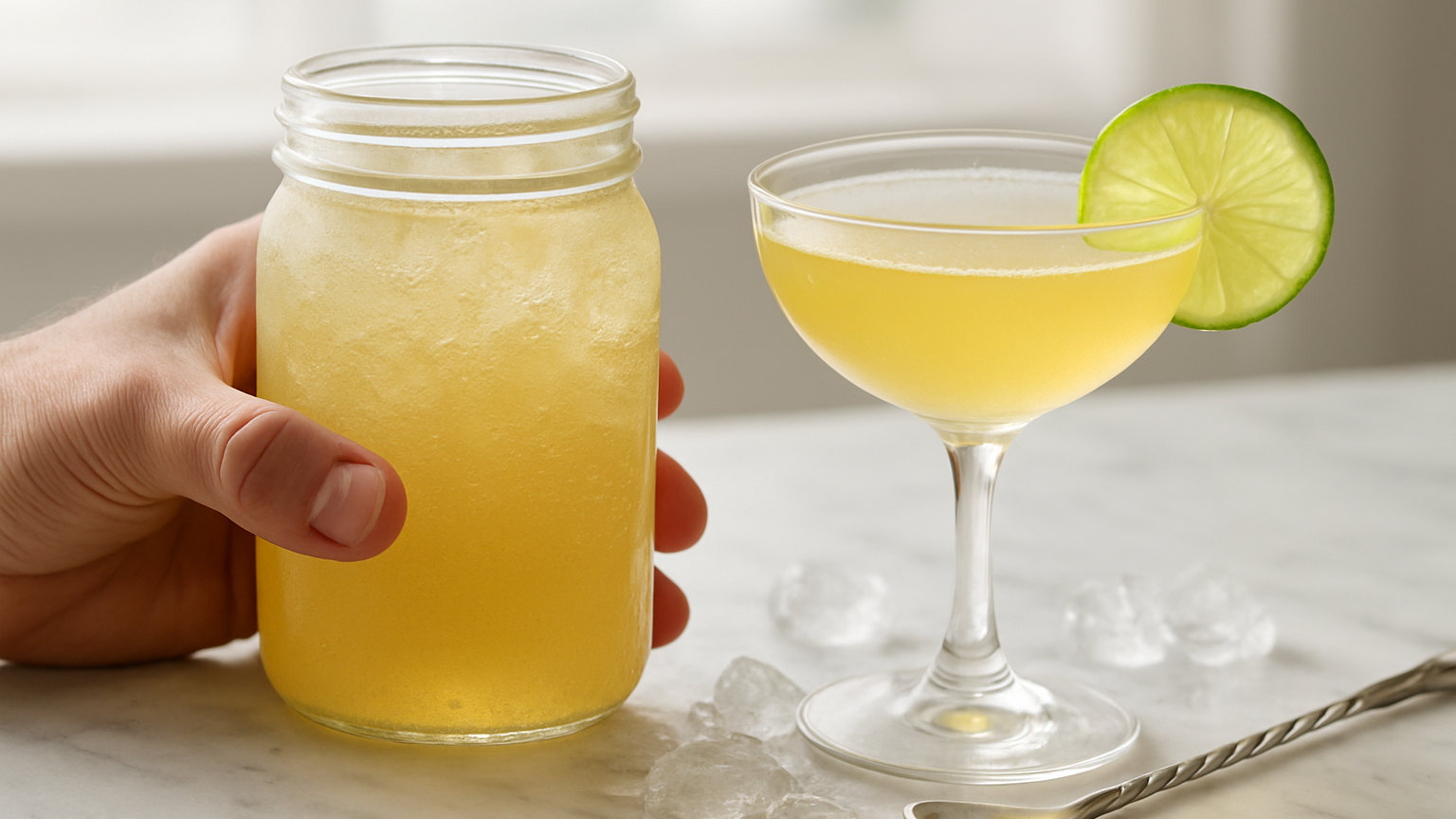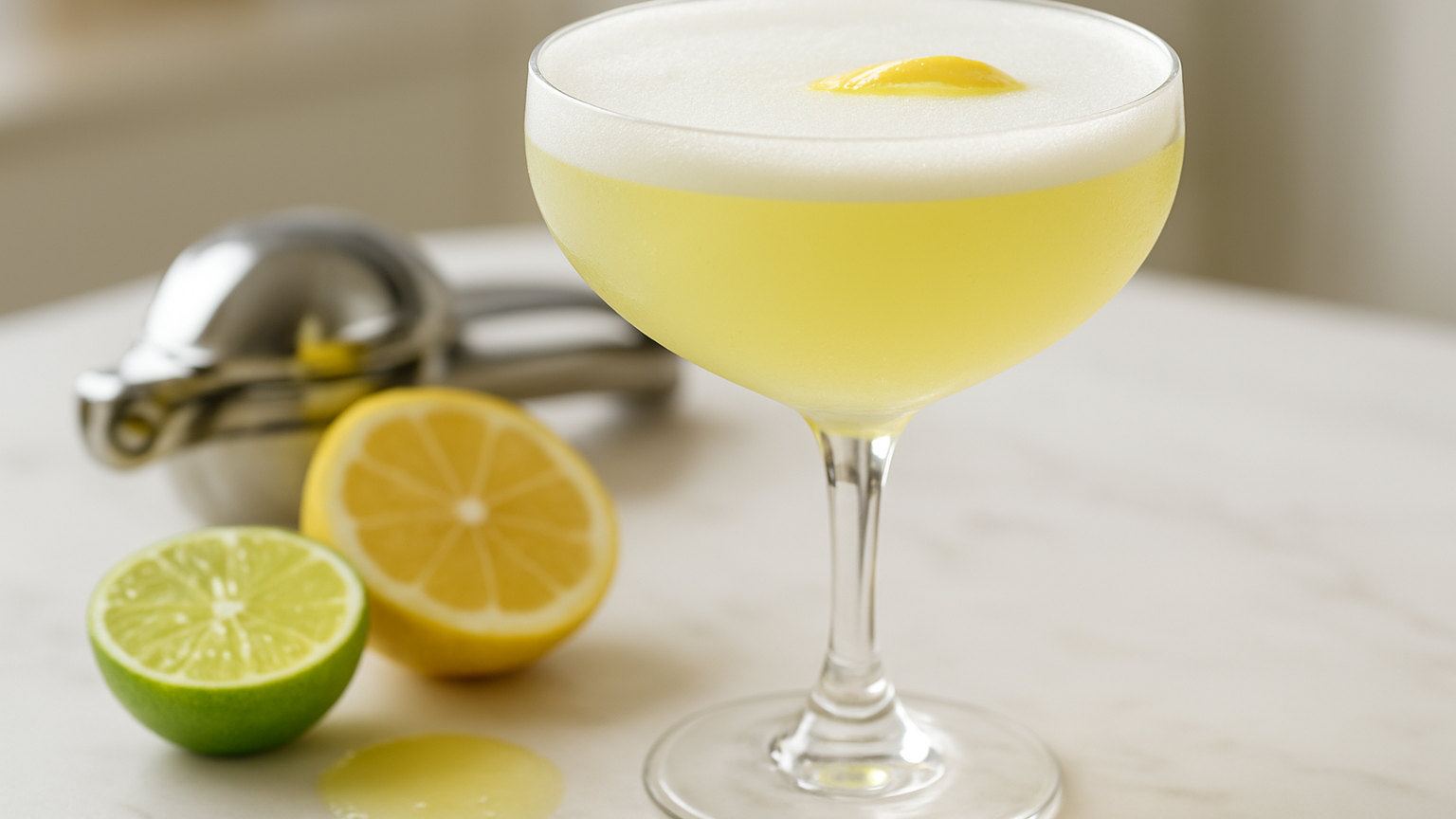
If you make one change to how you make cocktails, squeeze the citrus yourself. It has a larger effect on the finished drink than upgrading any bottle on the shelf, and it costs less.
What happens after squeezing
Fresh juice begins changing immediately. Volatile aromatic compounds evaporate, oxidation dulls the brightness, and enzymatic reactions alter the character.
Lime is the most fragile. It is at its best within a couple of hours and noticeably duller by the following day, developing a flat, faintly bitter quality that bartenders describe as tasting cooked.
Lemon holds up somewhat better, remaining good for several hours and acceptable for a day if refrigerated and sealed.
Grapefruit and orange are the most forgiving and still lose brightness over a day.
Curiously, lemon and lime juice are sometimes considered to improve for a short window of around twenty minutes to an hour after squeezing, as the sharpest edge settles. Beyond that it is downhill.
Why bottled is a different ingredient
Bottled citrus juice is pasteurised, which alters the flavour compounds, and frequently contains preservatives.
The result is not simply weaker fresh juice. It has a dull, slightly bitter, faintly synthetic character that is immediately recognisable in a drink with only three ingredients.
Bottled lime is the worst offender and is genuinely detectable in a daiquiri even by people who do not drink cocktails often.
Sour mix, which combines sugar, acid and flavouring, is a further step removed and is responsible for a great deal of the poor reputation the sour family acquired during the second half of the twentieth century.
The exception worth knowing
Acid-adjusted juices, sometimes called superjuice, are a modern bar technique that produces a genuinely good result.
The method uses the peels of a small number of citrus fruits combined with citric and malic acid and water, producing a far larger volume with the acidity and aroma of fresh juice.
It is not identical, and it is considerably better than bottled and keeps for a week or more. For anyone making drinks regularly, it is worth knowing about, and it also reduces waste substantially.
Getting the most from the fruit
Room temperature fruit yields more juice than cold. Take citrus out of the fridge an hour before, or warm it briefly in hot water.
Roll it firmly on a worktop under your palm before cutting, which breaks down the internal membranes.
A hand press or a squeezer extracts more than squeezing by hand and involves less effort. Over-pressing forces bitterness from the pith into the juice, so stop when the flow slows.
Take the peel before juicing rather than after, since peeling a squeezed half is awkward and the oil is at its best on an intact fruit.
Storage
Squeeze to order where possible. Where that is impractical, squeeze up to an hour ahead, strain it, and keep it sealed and refrigerated with as little air contact as possible.
A small bottle filled to the neck is better than a large one half full, since the air in the headspace does the damage.
Freezing juice in ice cube trays preserves it reasonably well, and it is better than bottled for anything where the citrus is not the main event.
The comparison worth making
Make two daiquiris, identical except that one uses fresh lime and one uses bottled, and taste them together.
The gap is larger than most people expect and larger than the gap between a mid-range rum and an expensive one in the same test. It settles the argument permanently and costs the price of a lime.
Reducing the waste
Squeezing citrus generates a great deal of peel, and throwing it away discards the most aromatic part of the fruit.
Take the peel before juicing and use it: as a twist, as an infusion, or combined with sugar to make an oleo saccharum, which draws the oil out and produces an intensely fragrant syrup.
Spent shells can also be dropped into a long drink for aroma, and they freeze well if you are not using them immediately.