Armagnac is the older of the two great French brandies, with records dating back to the fourteenth century, roughly two hundred years before cognac was established. It is made in Gascony, in the south west, and produced in a fraction of cognac's volume.
Where is it made?
In three sub-regions, and the differences between them are real.
- Bas-Armagnac, with sandy soils, produces the most prized armagnac, typically fruity, elegant and prune-scented.
- Tenareze, with clay and limestone, gives firmer, more structured spirit that generally needs longer ageing.
- Haut-Armagnac, the largest area, produces the smallest quantity and is less commonly seen.
How is the distillation different?
This is the central difference. Cognac is distilled twice in pot stills. Armagnac is traditionally distilled once, continuously, in a small column still known as the alambic armagnacais.
The spirit comes off at a much lower strength, typically 52 to 60 per cent against cognac's 70. Lower strength means more flavour compounds survive, which is why young armagnac is fuller, oilier and more rustic than young cognac.
Double distillation in pot stills is permitted and some producers use it, but the single column remains the signature method.
Which grapes are used?
Four principally, and the variety is a genuine difference from cognac's near-monoculture. Ugni blanc, folle blanche, colombard and baco all appear, often blended.
Baco is worth knowing about. It is a hybrid variety, unusual in French appellation law, and it contributes the prune and dried fruit character that many people associate with armagnac. It was nearly banned and was reprieved because producers argued convincingly that it was integral to the style.
Can you buy a vintage?
Yes, and easily, which is armagnac's most distinctive commercial feature. Vintage armagnac comes entirely from a single harvest year, aged until bottling, with the year stated on the label.
Because production is small and stocks are held for decades, bottles from a wide range of years remain available, including many going back fifty years or more. This makes armagnac the obvious choice for a birth year gift, and it is generally far cheaper than a cognac of comparable age.
Vintage cognac exists but is rare, tightly controlled and expensive.
What are the age designations?
The same letters as cognac with different minimums. VS requires at least one year, VSOP four, Napoleon six and XO ten, all referring to the youngest spirit in the blend. Hors d'age indicates older blends.
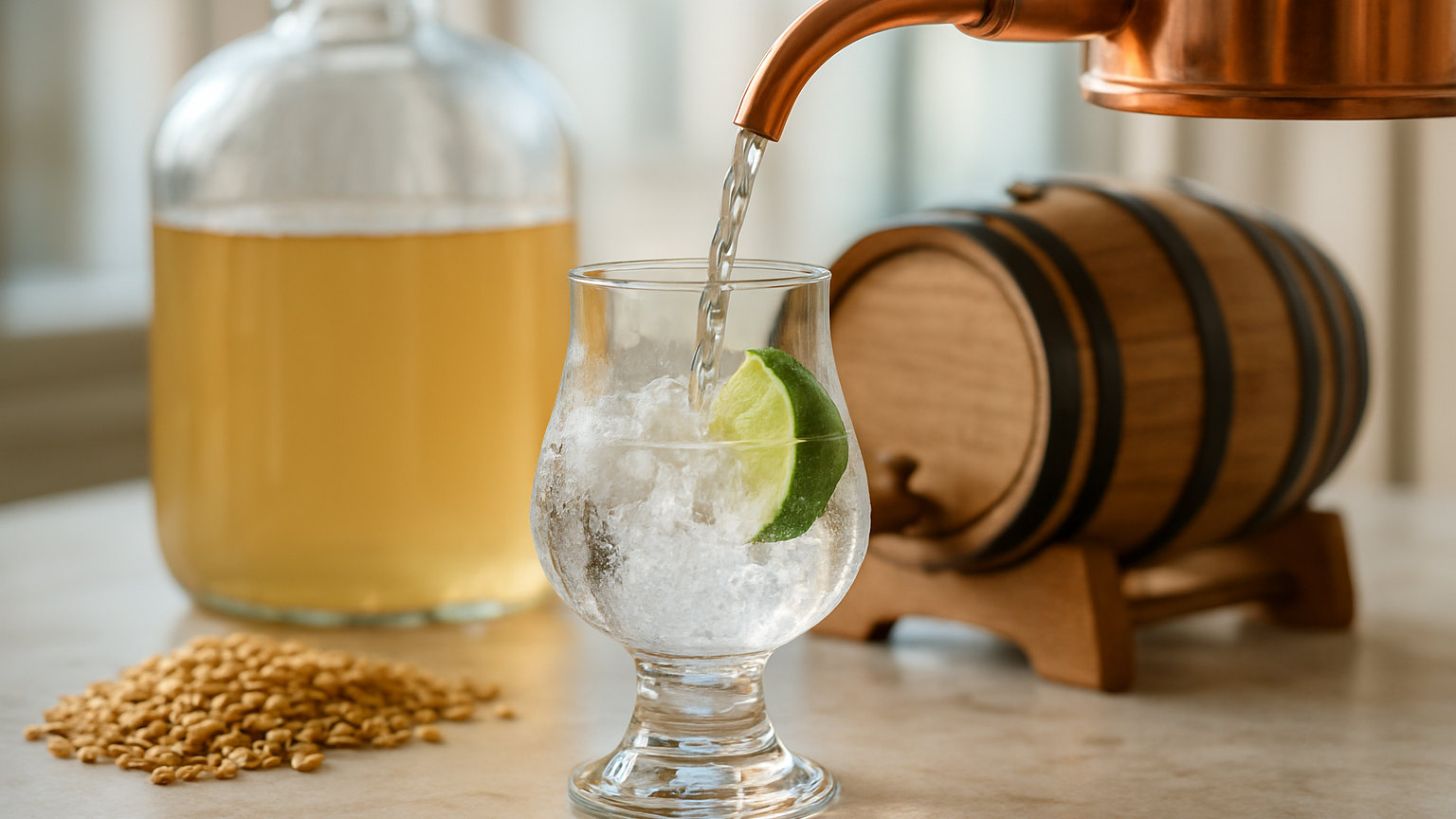
There is also blanche armagnac, an unaged white spirit granted its own appellation in 2005. It is bottled clear, shows the grape directly, and works well in cocktails and with tonic.
How do they taste?
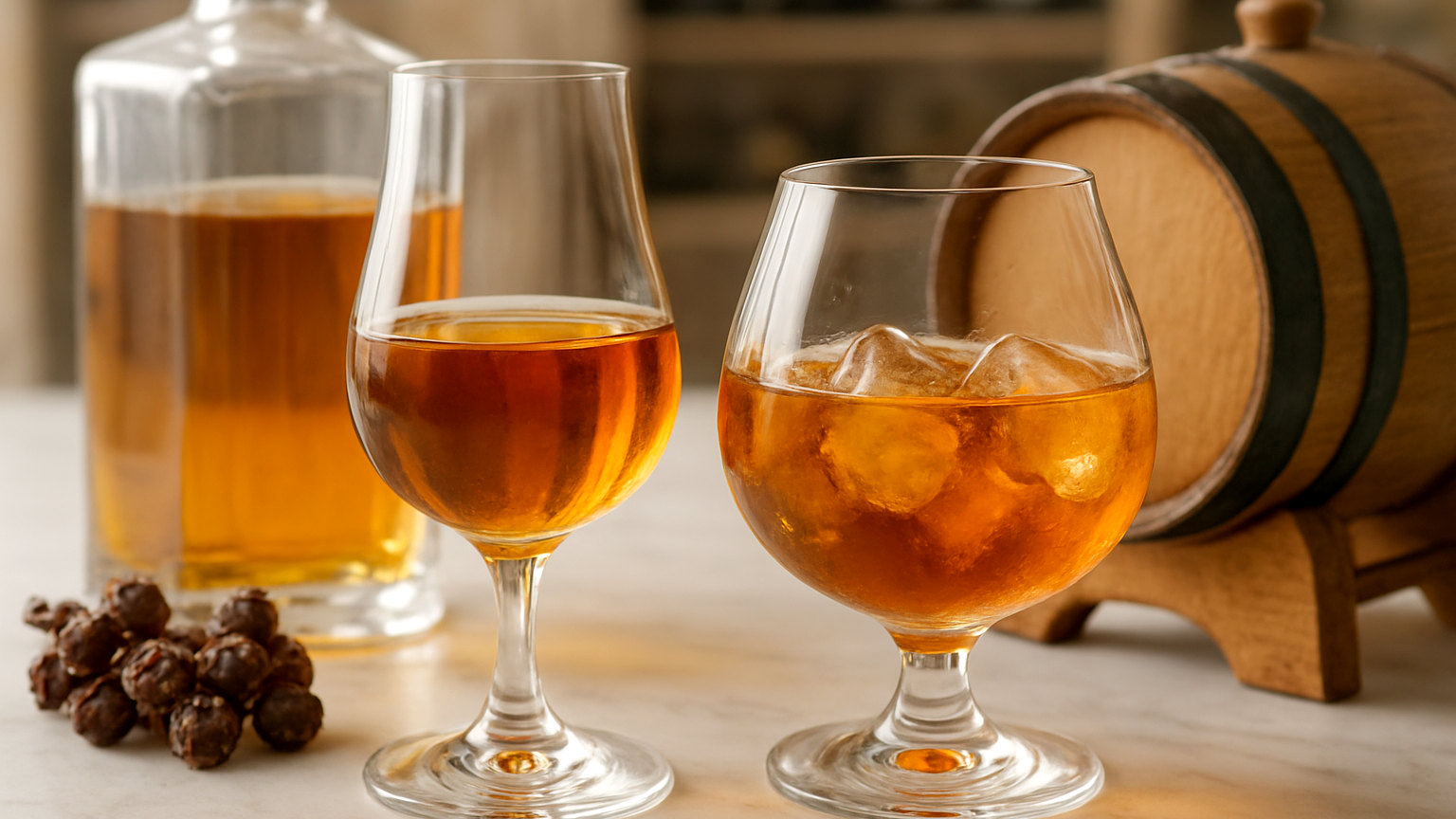
Cognac tends towards refinement: floral, delicate, with pear, vanilla and a polished finish. Armagnac tends towards richness: prune, dried fig, toffee, leather and a rougher, more emphatic texture.
These are tendencies rather than rules, and a fine old Bas-Armagnac can be extremely elegant while some cognacs are robust. The generalisation holds well enough at the everyday end of both categories.
Which should you buy?
If you want polish and a familiar name, cognac. If you want more flavour for the money, armagnac, which is consistently better value because the marketing budgets behind it are so much smaller.
The scale difference is stark. Cognac production dwarfs armagnac's, and armagnac remains dominated by small family estates rather than large houses. That means less consistency between producers and more reward for finding one you like, which is a fair description of the pleasure of the category.
How should you start with armagnac?
With a Bas-Armagnac from a named estate, either a VSOP or a vintage from a year with no particular significance, which keeps the price sensible.
Taste it alongside a cognac of similar age if you can. The comparison shows the effect of single column distillation immediately, and it is the clearest demonstration available of how much the still shapes a spirit.
Blanche armagnac is worth trying too, since an unaged version of the same distillate shows exactly what the wood contributes to everything else.