Eau de vie translates as water of life and, in practice, means a clear unaged spirit distilled from fruit. The best examples smell so precisely of their fruit that they can be startling, and they are among the most expensive spirits by volume for reasons that become obvious once you know how they are made.
Which fruits are used?
- Cherries give kirsch or kirschwasser, traditional in Alsace, Germany and Switzerland.
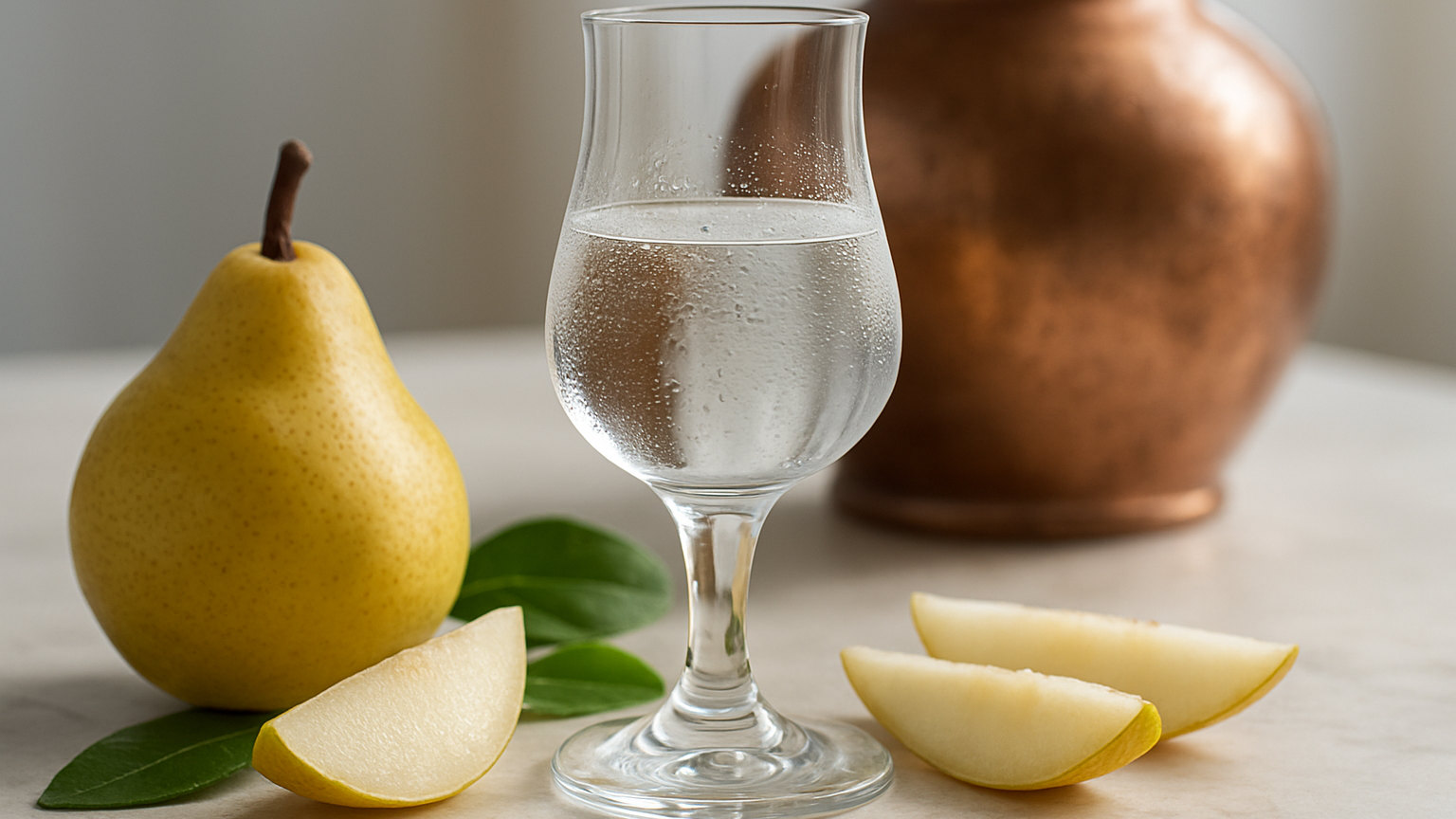
- Pears, specifically the williams variety, give poire williams.
- Raspberries give framboise, one of the most expensive of all.
- Plums give mirabelle, quetsch and, in central and eastern Europe, slivovitz.
- Apricots, apples, quince, elderberry and many others all appear regionally.
How are they made?
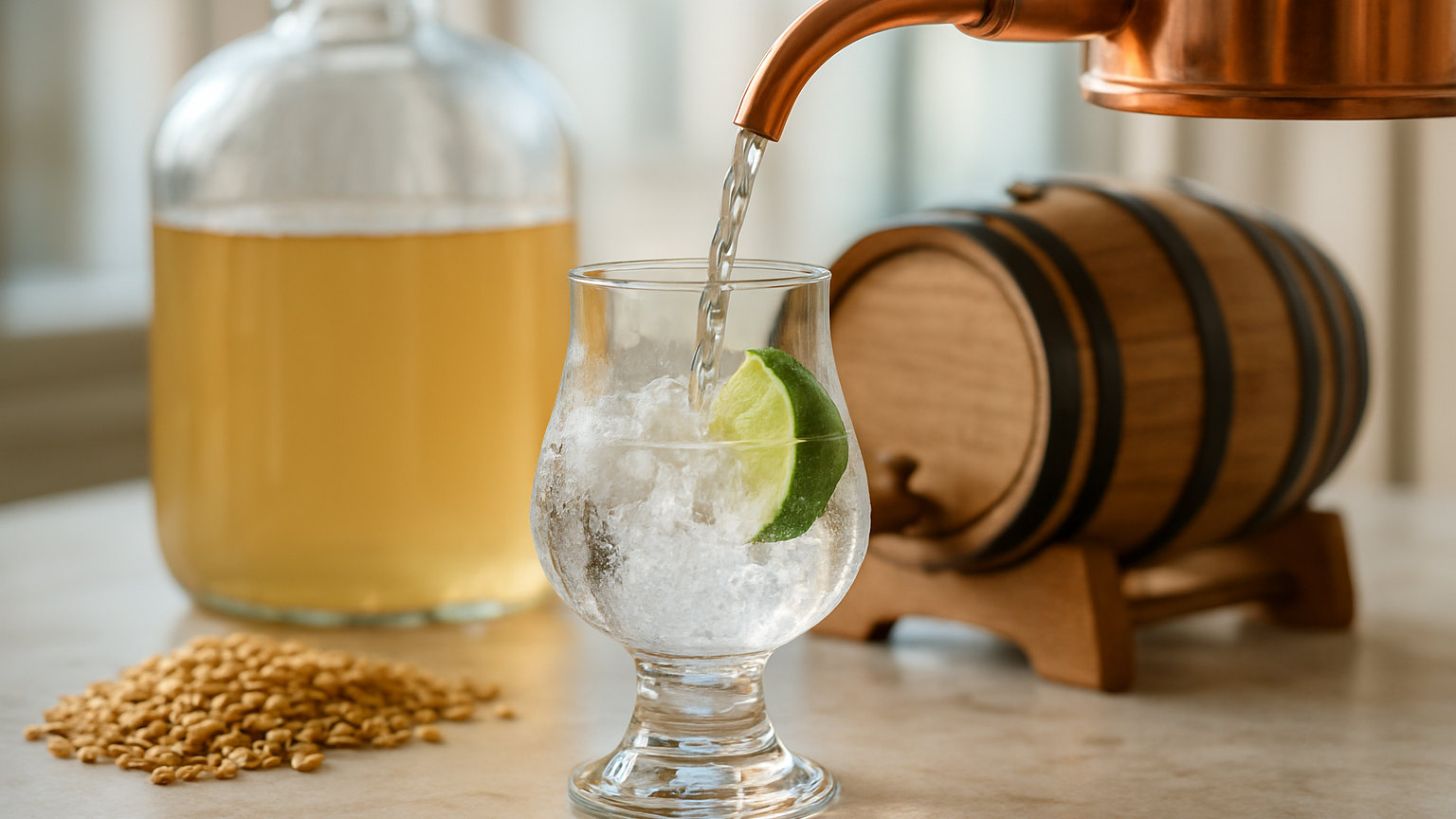
Whole ripe fruit is mashed and fermented, usually slowly and at low temperature to preserve aromatics, then distilled, generally twice in small pot stills.
The critical decisions are fruit quality and the cut. Fruit must be fully ripe, since under-ripe fruit gives a green, thin spirit. The distiller then has to make a precise heart cut, because fruit distillates carry both delicate aromatics and unpleasant compounds that sit close together.
Stone fruit needs particular care, as the stones contribute an almond note that is desirable in small quantities and less so in large ones.
Why are they so expensive?
Because of the quantity of fruit involved. Producing a single bottle can require many kilograms of raw material, and for low sugar fruit such as raspberries the ratio is extreme, running to tens of kilograms per bottle.
Unlike grain or cane, fruit is seasonal, perishable, harvested by hand in many cases, and yields little alcohol per tonne. The price of a good framboise reflects an agricultural reality rather than marketing.
Why are they not aged?
Because oak would destroy the point. The value of an eau de vie is the precision with which it captures the fruit, and vanilla and tannin from a cask would cover exactly that.
Most are rested in glass or stainless steel for a period to let the spirit settle, then bottled clear. A few producers age briefly in neutral vessels or in ash wood, which adds little flavour.
This is why an eau de vie looks like a white spirit and costs like an aged one, which confuses buyers who expect colour to correlate with price.
How should you serve them?
Lightly chilled, around eight to twelve degrees, in a small tulip glass, in modest measures. Chilling too hard suppresses the aroma that justifies the bottle.
Traditional practice in Alsace and Germany is to rinse the glass with a little spirit, discard it, then pour, so the glass itself carries the aroma. It sounds fussy and does make a noticeable difference.
They are served as a digestif after a meal, and pair particularly well with fruit desserts made from the same fruit.
Are they used in cocktails?
Sparingly, and effectively. A small measure of kirsch or framboise in a drink adds fruit character with no sweetness at all, which is difficult to achieve any other way. A bar spoon in a champagne cocktail or a sour is often enough.
Kirsch also has a substantial culinary role, in fondue, in black forest gateau and with fruit, where its function is the same: fruit flavour without sugar.
How do you spot a good one?
Look for the fruit named specifically rather than generically, an indication of the producing region, and a bottling strength around 40 to 45 per cent. Be wary of anything described as fruit flavoured, which indicates a neutral spirit with flavouring added rather than a distillate of the fruit itself. The difference in both price and taste is enormous.
The same caution applies to the word schnapps, which in Germany and Austria describes genuine fruit distillates and in the English speaking world usually means a sweetened flavoured liqueur. Two entirely different products share the word, and the strength on the label is the quickest way to tell them apart.