Almost every bottle of cognac is a blend of many eaux de vie from different years, crus and casks. That is a deliberate philosophy rather than a limitation, and it makes cognac closer to champagne in outlook than to single malt whisky.
What is the blender's job?
The maitre de chai, or cellar master, maintains the house style across decades. Each year's distillate differs according to weather, harvest and cask, and the blender's task is to combine components so that a VSOP tastes the same this year as it did ten years ago.
The role involves managing stocks that will not be used for decades, which means decisions taken now affect blends that will be sold long after the person making them has retired. Several houses have had the same family in the role for generations.
Why is consistency valued so highly?
Because cognac was built as an export product sold under a house name. Buyers in London, New York or Shanghai expected a particular flavour, and a spirit that varied from year to year would have undermined that.
The same logic drove blended Scotch and non vintage champagne. Where a product is sold on a brand rather than on a harvest, consistency is the promise being made.
Does vintage cognac exist?
Yes, but it is rare and tightly controlled. Vintage cognac must be stored in a separate, sealed and supervised cellar, with stock movements verified by the appellation authority, precisely because the potential for misrepresenting age is obvious.
Those requirements make vintage production expensive and awkward, and only a handful of houses pursue it. The result is that vintage cognac tends to be a specialist product at high prices rather than a normal offering.
Single cask and single cru bottlings are more common than vintages and offer a similar appeal, showing a specific origin rather than a house blend.
Why is vintage armagnac so much more common?
Because armagnac developed differently. Production is dominated by small family estates rather than large houses, and those producers were never building a global brand that required uniformity.
An estate distilling its own harvest naturally ends up with a cask from a single year, and selling it as such is the obvious approach. The result is that vintages going back many decades are widely available and often affordable.
Is blended cognac inferior?
No, and treating blending as a compromise misunderstands the craft. A blender selecting from thousands of casks can achieve balance and complexity that no single cask contains, taking structure from one cru, fruit from another and age from a third.
The parallel with champagne is exact. A non vintage champagne is not a lesser product than a vintage one; it is a different intention, expressing a house rather than a year.
What should you look for if you want origin rather than consistency?
- Single cru bottlings, particularly from grower producers who farm their own vines.
- Single cask releases, which state the cask and often the strength at which it was bottled.
- Cask strength cognac, undiluted and increasingly available from small producers.
- Vintage armagnac, which delivers the year on the label at a fraction of the cognac equivalent.
Which approach should you buy?
Both, for different purposes. A house blend gives you a reliable expression of a style, which is useful when you want to know what you are getting. A grower single cru or a vintage armagnac gives you a snapshot of one place and one year, which is more interesting and less predictable.
The category has quietly shifted towards the latter in recent years, as small producers who once sold their eaux de vie to the big houses have started bottling under their own names.
How does blending actually work in practice?
By assembling small quantities from a vast library of casks, tasting constantly, and adjusting. A blender may draw on components from dozens of different years and several crus for a single expression.
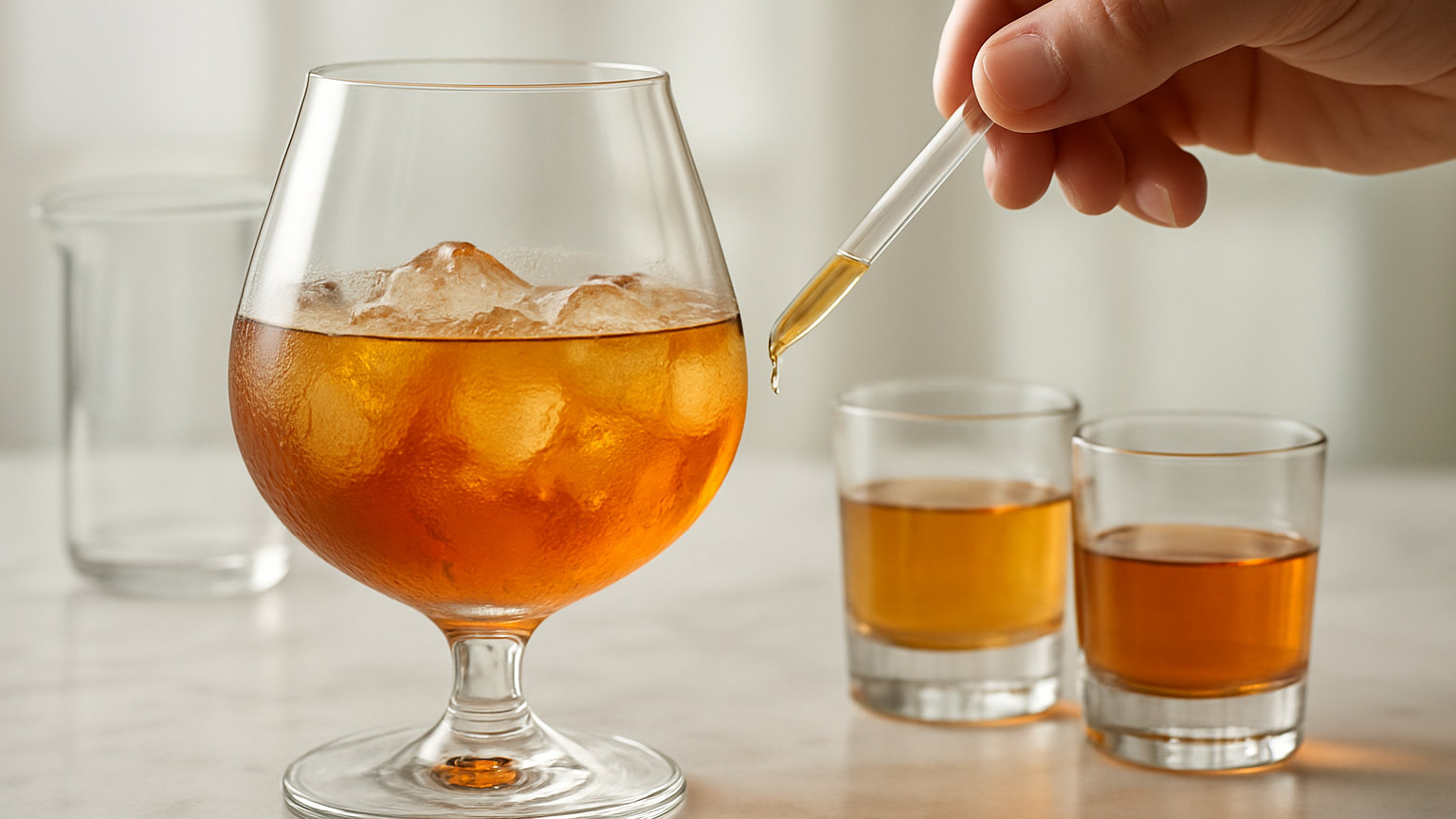
Reduction is part of the craft too. Cask strength eaux de vie are brought down to bottling strength gradually over months, often using a weak solution of water and older cognac rather than water alone, so the spirit is never shocked by a sudden dilution.