Brandy de Jerez is Spain's protected brandy, and it works differently from the French categories in almost every respect. The grapes usually come from elsewhere, the ageing happens in casks that previously held sherry, and the maturation uses a solera system rather than static casks.
Where does it come from?
The ageing must take place within the sherry triangle in Andalusia, the area bounded by Jerez de la Frontera, El Puerto de Santa Maria and Sanlucar de Barrameda. That is the defining requirement of the appellation.
The base wine, however, is frequently distilled from airen grapes grown in La Mancha, hundreds of miles to the north east. This split between where the spirit is made and where it is aged is unusual and entirely legal.
Why sherry casks?
Because Jerez had them in enormous quantities, and because they transform the spirit. Casks that have held fino, amontillado, oloroso or pedro ximenez each contribute a different character.
- Fino casks give a lighter, drier, more delicate brandy.
- Amontillado casks add nuttiness and a medium body.
- Oloroso casks give richness, dried fruit and depth.
- Pedro ximenez casks contribute intense raisin sweetness and a dark colour.
Because these casks are seasoned rather than merely used, they carry residual wine into the brandy, which is why Spanish brandy tastes markedly sweeter and rounder than French brandy of comparable age.
How does the solera work?
Casks are arranged in tiers. The oldest tier, the solera, sits at the bottom, with successively younger criaderas above.
- A portion is drawn from the oldest tier for bottling, never the whole cask.
- That tier is refilled from the tier above.
- Each tier is topped up in turn from the one above it.
- New spirit enters at the youngest tier.
Because no cask is emptied, the system produces a continuous blend of many ages and exceptional consistency. It also means no single age can be stated for the contents.
What are the grades?
Three, defined by average ageing time in the solera rather than by a minimum for the youngest spirit.
- Brandy de Jerez Solera, the youngest tier, aged around a year.
- Brandy de Jerez Solera Reserva, aged around three years.
- Brandy de Jerez Solera Gran Reserva, aged around ten years or more.
Because these are averages within a fractional system, they are not directly comparable with cognac's compte ages. A Gran Reserva contains some very old brandy and some considerably younger.
Is it sweetened?
Often, yes. Regulations permit additions including sweetening and colouring, and Spanish brandy is generally sweeter than French brandy. Some of that sweetness comes genuinely from the sherry casks and some is added.
This is a stylistic norm rather than a scandal, since the category has always aimed at a rounder, more immediately approachable profile. Producers at the top end use less, and their brandies are noticeably drier.
How should you drink it?
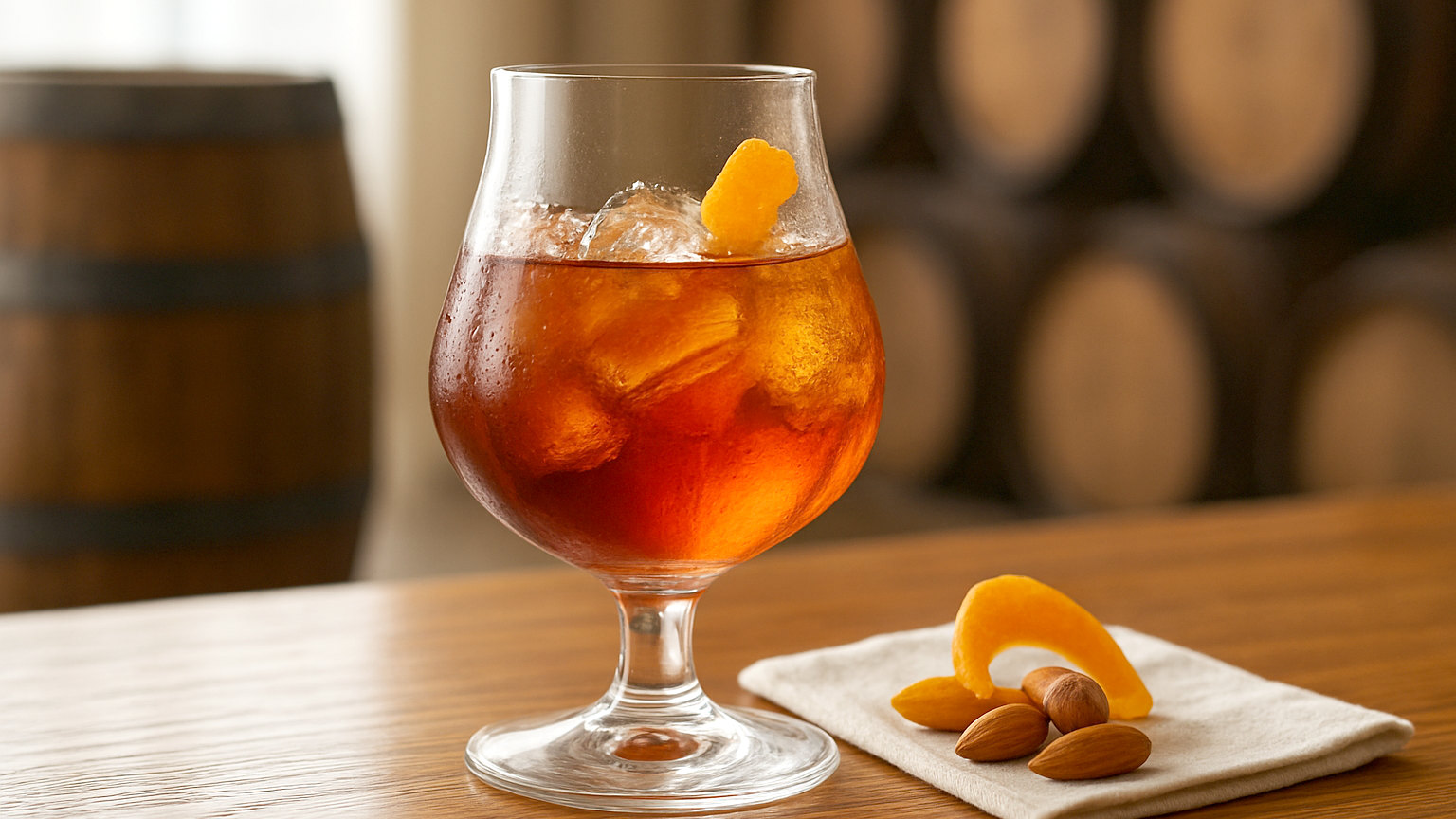
Neat in a tulip glass for the Gran Reserva grades, which have genuine complexity. Younger grades work well with mixers, and brandy with cola is a standard serve across Spain.
It also makes an interesting substitute for cognac in cocktails, where the extra sweetness needs accounting for by reducing the sugar elsewhere in the recipe.
Is it good value?
Frequently, and it is one of the better ways into aged brandy without paying cognac prices. A Solera Gran Reserva often costs less than a VSOP cognac and delivers considerably more richness, though less finesse.
The trade off to understand is that the softness and sweetness come partly from the solera and partly from what was added, and if you want a dry spirit that shows the distillate clearly, French brandy remains the better choice.
How does it differ from Catalan brandy?
Spain produces brandy outside Jerez as well, most notably in the Penedes region of Catalonia, where production follows a more French model using local grapes and static cask ageing rather than a solera.
The results are drier and closer to cognac in style. It is a useful reminder that Spanish brandy is not a single thing, and that the sweet solera profile belongs to Jerez specifically rather than to the country.