Plymouth gin occupies an unusual position. For most of the twentieth century it was a protected geographical designation, meaning gin could only be called Plymouth if it was made in that city. That protection lapsed, and today only one distillery produces it, so the name functions as both a style description and effectively a single brand.
What was the protected status?
Plymouth gin held a geographical indication within European law, of the same general type that protects Scotch whisky or Cognac. It required the gin to be produced within Plymouth, and at one time several distilleries in the city qualified.
Consolidation reduced that to one producer. A geographical indication with a single beneficiary is difficult to justify, and the designation was allowed to lapse in the early 2010s. In principle another Plymouth distillery could now make a gin and use the name; in practice the association with the surviving producer is total.
How does it taste compared with London dry?
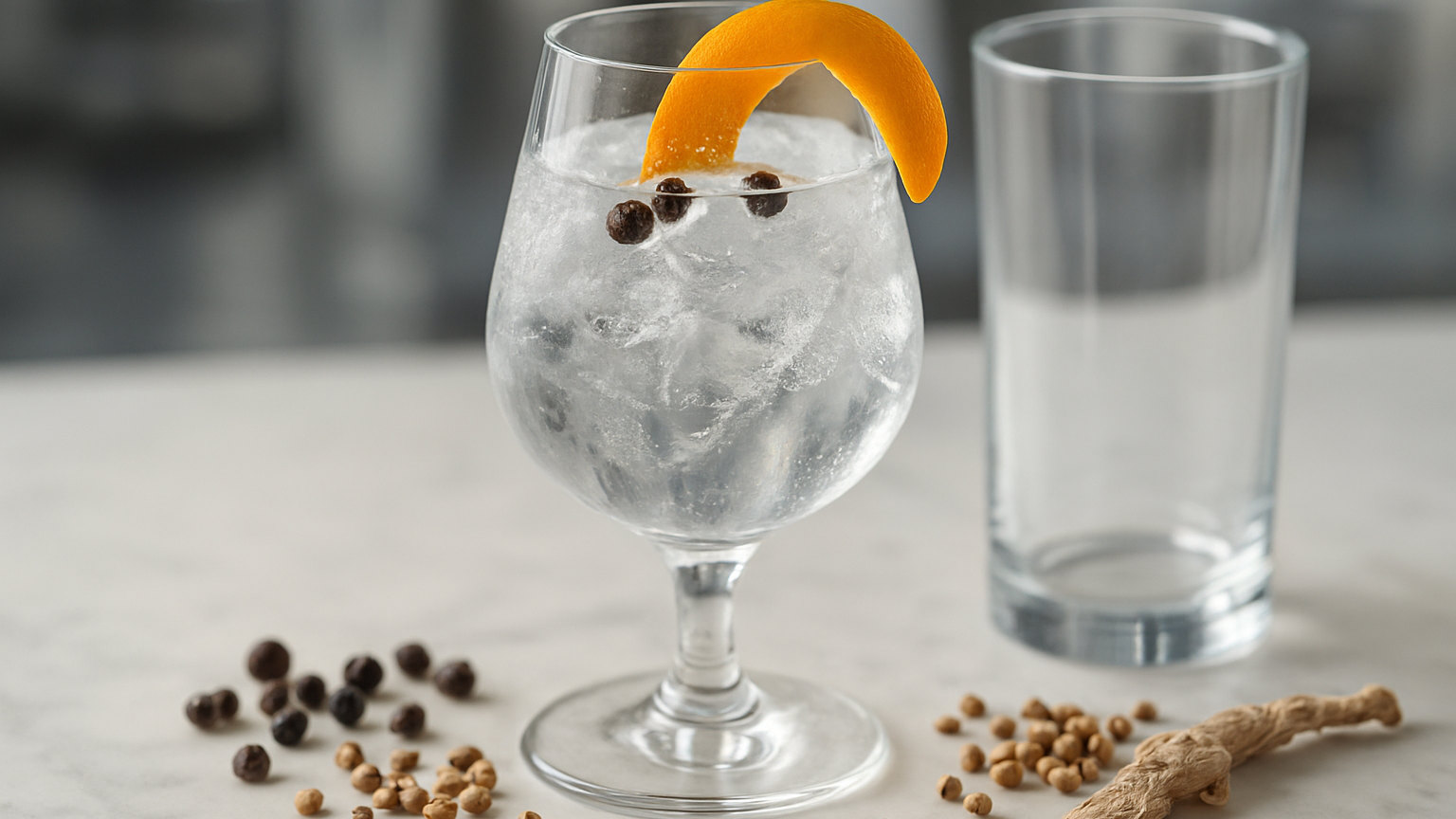
The style is described as softer and earthier than a typical London dry. Juniper is present but less sharply piney, root botanicals give a fuller and slightly sweeter body, and there is a distinct earthy quality that comes largely from a higher proportion of angelica and orris.
Citrus is present but restrained rather than bright. The overall effect is rounder and less austere, without any actual sweetening, and it sits noticeably between a classic London dry and the sweeter Old Tom style.
Why does it appear in so many old cocktail recipes?
Because it was the gin of choice in a great many bars during the first half of the twentieth century, particularly in drinks associated with the Royal Navy and with early American cocktail writing. Recipes specifying Plymouth by name run through classic manuals in a way no other single gin manages.
Two drinks in particular are usually attributed to it. The pink gin, which is gin and Angostura bitters and very little else, was a naval drink and is traditionally made with Plymouth. The gimlet, gin and lime cordial, is also frequently specified with it.
Does using a different gin ruin those drinks?
No, but it changes them, and in simple recipes that change is easy to taste. A pink gin has two ingredients, so the character of the gin is the entire drink. Made with a sharply juniper led London dry it becomes more bracing; made with the softer style it is rounder and easier.
The practical rule is that the fewer the ingredients, the more the specific gin matters. In a negroni with campari and vermouth, substituting is barely noticeable. In a martini or a pink gin it is obvious.
Is Plymouth gin a London dry?
It meets the technical requirements of the London dry method, in that the flavour comes entirely from redistillation with botanicals and nothing is added afterwards beyond water. It is not marketed as London dry because the whole point of the name is to distinguish it as a separate style.
This is a useful reminder that the category names on gin bottles are a mix of legal definitions and marketing conventions, and that a bottle can qualify for a category without choosing to use it.
What should you use it for?
It is a good all-purpose gin and a particularly good martini gin for anyone who finds sharply juniper forward styles too aggressive. The extra body stands up to vermouth well, and the earthiness gives a martini a savoury quality that many drinkers prefer to the crisper alternative.
For a gin and tonic it works, though the softer profile can get lost under a heavily flavoured tonic. Pair it with a plain dry tonic and a citrus twist rather than anything elaborate.
Are there other geographically defined gins?
A few, though the category is thin compared with wine or whisky. Gin de Mahón from Menorca and Vilnius gin from Lithuania hold protected status, and Slovenská borovička and several genever designations cover related juniper spirits. Gin remains overwhelmingly a style defined by method rather than by place, which is exactly why the Plymouth case is unusual enough to be worth knowing about.