Pink gin is two unrelated things sharing a name. The original is a naval drink of gin and bitters, made pink by the bitters and containing no fruit or sugar at all. The modern version is a sweetened fruit flavoured product, and a large proportion of it is not legally gin.
What was the original pink gin?
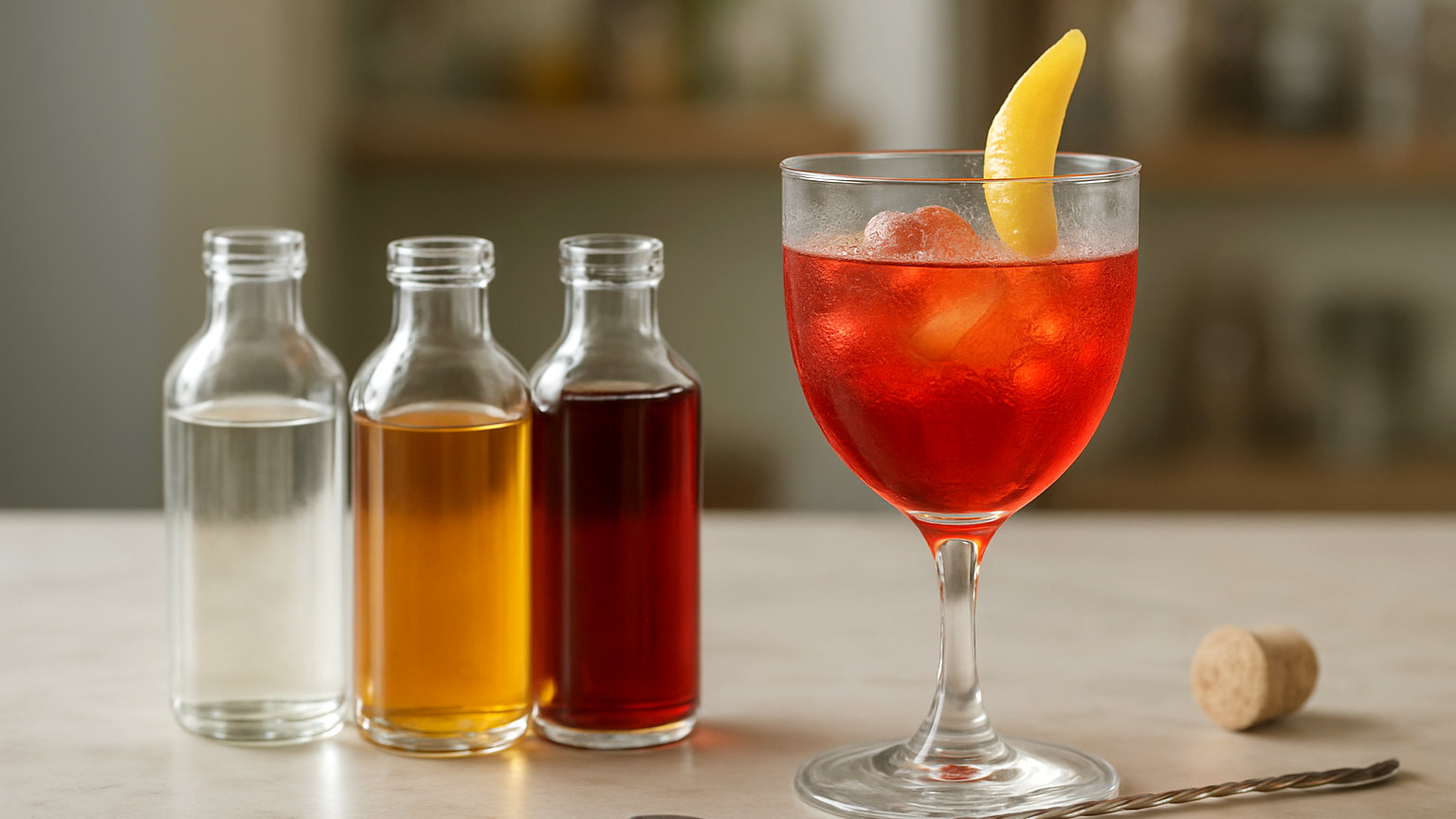
Gin with a few dashes of Angostura bitters, stirred with ice or served at room temperature. Nothing else. The bitters give it a faint pink blush and a bittersweet aromatic edge.
It was a Royal Navy drink, arising because Angostura was carried aboard ship as a treatment for seasickness and stomach complaints, and adding it to the gin ration was more pleasant than taking it neat. Plymouth gin is the traditional base.
It is a strong, dry, adult drink and bears no resemblance whatsoever to what is now sold under the same name.
What is in a modern pink gin?
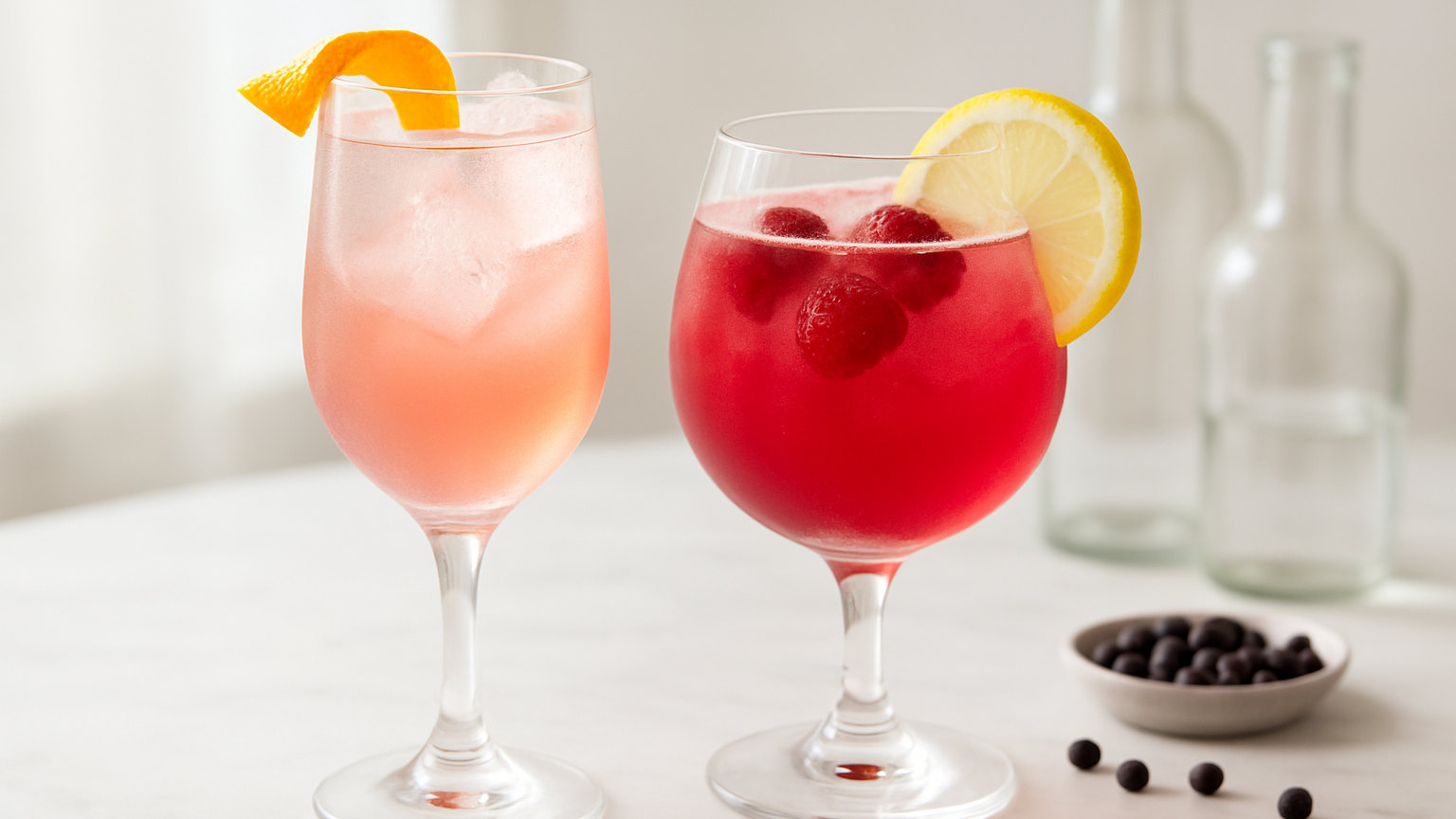
Usually gin, fruit flavouring, sugar and colouring, in proportions that vary enormously between products. The common flavours are strawberry, raspberry, rhubarb, pink grapefruit and mixed berry.
The important question is when the flavour and colour were added. If the fruit was distilled with the botanicals, the product may still be a distilled gin. If flavouring and colour were added afterwards, which is the cheaper and far more common route, the product cannot be a London dry, because that category forbids both colouring and post-distillation flavouring.
How do you tell whether it is really gin?
Read the category name on the label, which is a legal statement rather than a marketing one.
- Gin or distilled gin means juniper is still the predominant flavour and the minimum strength of 37.5 per cent has been met.
- Gin liqueur means the sugar content is at least 100 grams per litre, so it is a liqueur. Strength is often 20 to 25 per cent.
- Spirit drink or gin based spirit drink means one of the gin conditions has not been met, usually the juniper requirement or the strength.
Check the alcohol percentage as a quick guide. Anything at 20 or 25 per cent is a liqueur regardless of what the front label implies, and it will be sweet.
How much sugar is in it?
It ranges from very little to a great deal. A distilled pink gin at 40 per cent may contain almost none, with the fruit character coming from the still. A gin liqueur contains at least 100 grams per litre by definition, and many carry considerably more, which works out at roughly five grams or more in a single 50 millilitre measure before any mixer is added.
Spirits are not required to list sugar content on the label, so the category name and the strength are the most reliable clues available in a shop.
Is it worth drinking?
That depends entirely on what you want. A well made distilled pink gin, where real fruit has been distilled alongside the botanicals, can be an interesting drink and works well with a light tonic. There is nothing disreputable about it.
A heavily sweetened liqueur poured into a sugary tonic makes a drink closer to a soft drink with alcohol in it. Again, that is a legitimate thing to enjoy, but it is worth knowing that is what you are buying rather than assuming you have purchased gin.
What should you mix it with?
If the product is sweetened, avoid a sweet tonic or lemonade, since the two sugars compound and the drink becomes cloying. Soda water, a very dry tonic or sparkling wine all work better, and a squeeze of lemon helps considerably.
If you want the original naval version, use a good dry gin, add three or four dashes of Angostura, stir with ice, strain into a small chilled glass and drink it slowly. It takes thirty seconds to make and is one of the simplest good drinks there is.