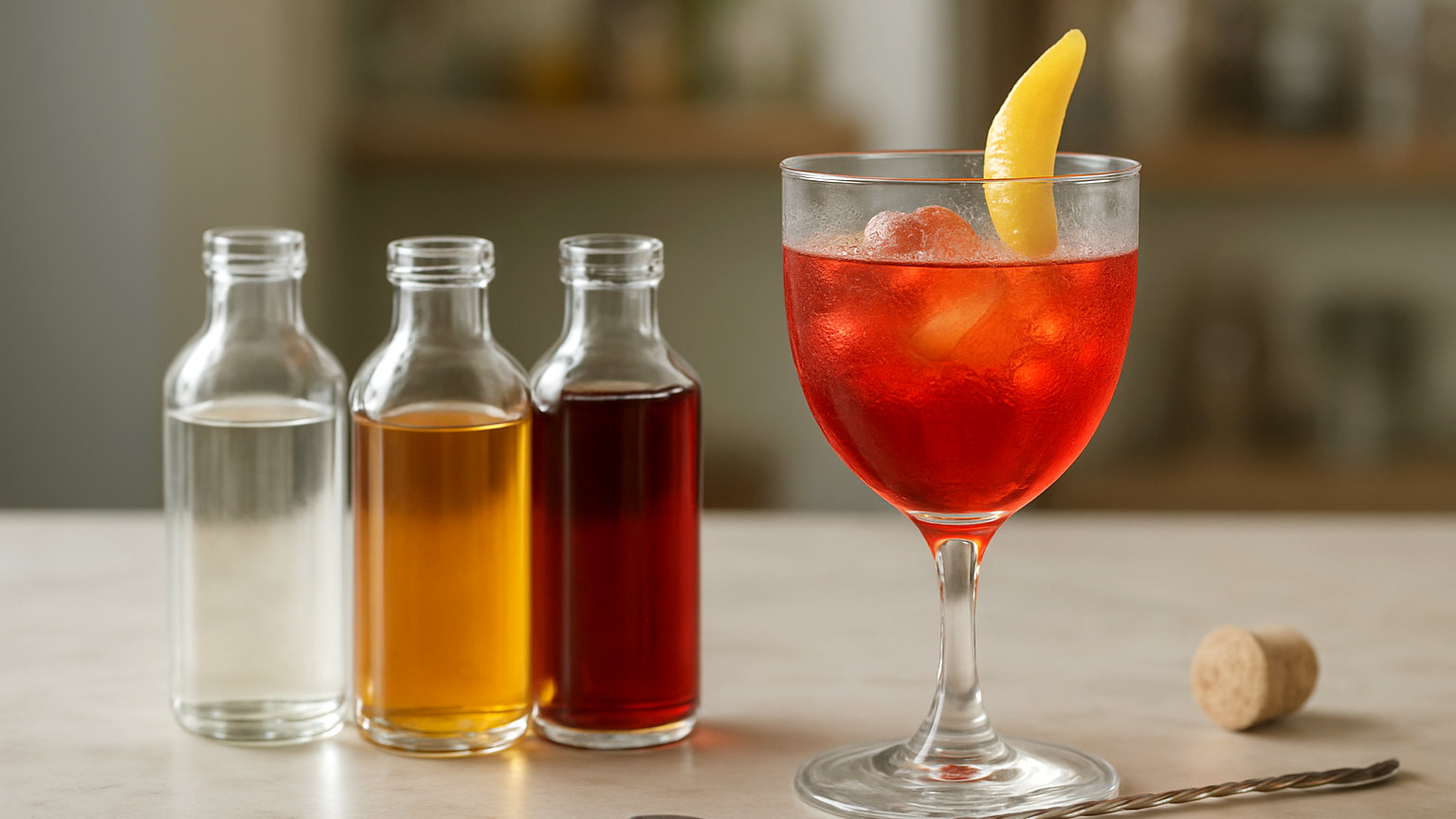
Old Tom is a sweetened style of gin that dominated the nineteenth century, faded almost to extinction by the middle of the twentieth, and returned in the 2000s when bartenders working through old recipe books found that certain drinks were written for a gin nobody was making any more.
What makes a gin an Old Tom?
There is no legal definition, which is worth knowing before you buy. In practice Old Tom means a gin that is noticeably sweeter and usually rounder than a London dry, with the sweetness arriving in one of several ways.
- Added sugar. The most common approach. Sugar or honey is added after distillation, which automatically puts the product outside the London dry category.
- Botanical sweetness. A heavier hand with liquorice, cassia and sweet citrus produces a perception of sweetness without much or any sugar.
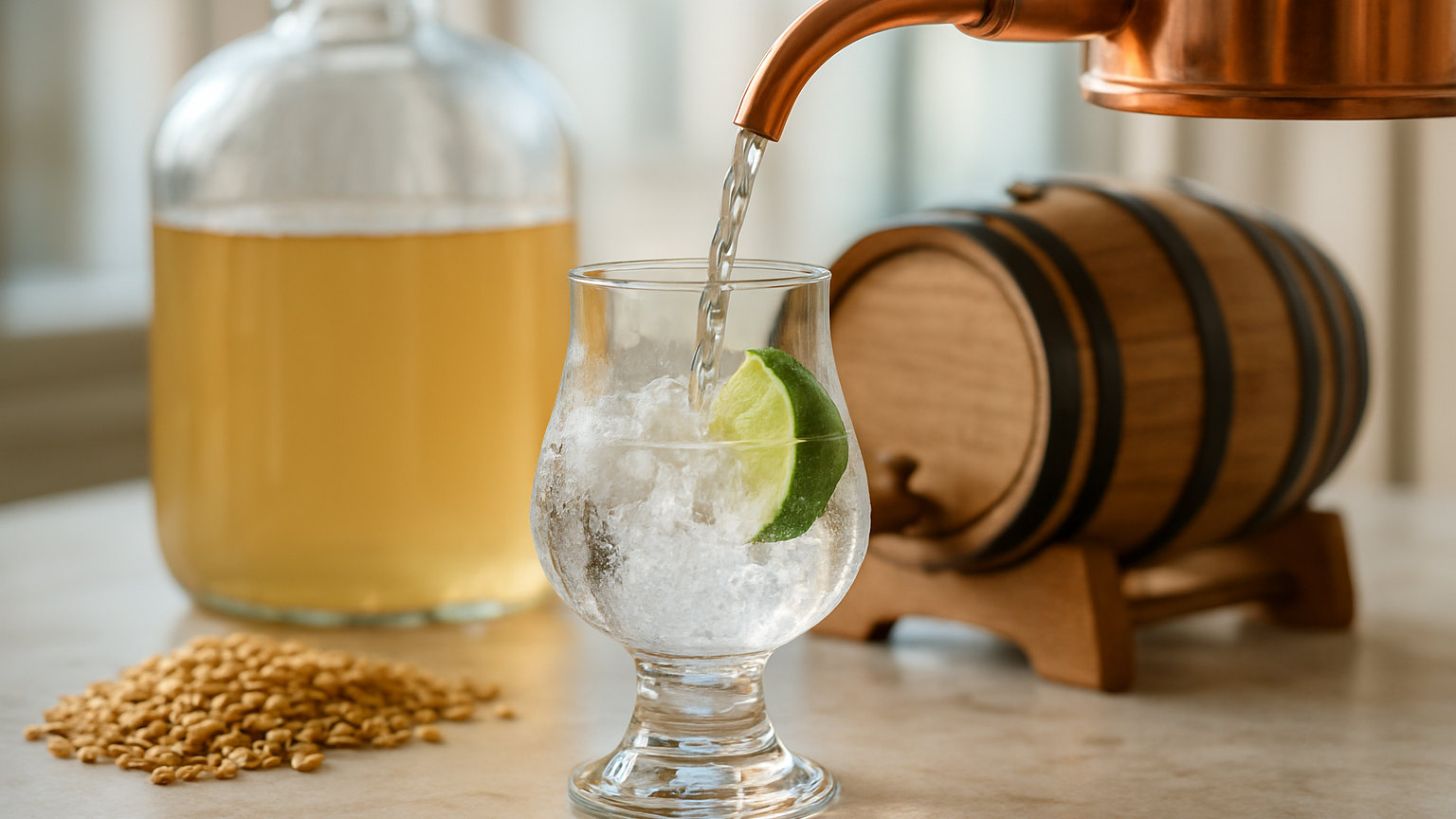
- Barrel ageing. Some Old Toms spend time in wood, picking up vanilla and a softer texture along with a pale golden colour.
Because the label is unregulated, two bottles both calling themselves Old Tom can be quite different. One may be gently rounded and barely sweet; another may be closer to a liqueur.
How sweet is it really?
Less than most people expect. A typical modern Old Tom carries somewhere in the region of five to twenty grams of sugar per litre, which is enough to soften edges and give body but well short of anything you would call a sweet drink. For comparison, a sloe gin liqueur can carry ten or twenty times that.
The sweetness reads more as texture than as flavour, and it is easy to miss entirely if you are expecting a liqueur. Where a London dry finishes clean and dry, an Old Tom lingers slightly and feels fuller in the mouth.
Where does the name come from?
The origins are murky and involve a good deal of folklore. The most repeated story concerns wooden plaques shaped like a black cat, the tomcat, mounted on the outside walls of eighteenth century gin shops during a period of heavy restriction, through which a customer could pass a coin and receive a measure of gin from a pipe. Whether that arrangement was as widespread as the story suggests is doubtful, but the name stuck to the style.
Why did Old Tom nearly die out?
Improved distillation. Sweetening was originally practical, masking the harshness of poorly made base spirit. Once continuous stills produced clean neutral alcohol, the sweetening became unnecessary, and the market moved decisively to dry gin during the twentieth century.
The style survived mainly as a footnote in old cocktail manuals until the classic cocktail revival made those manuals fashionable again.
Which cocktails need Old Tom?
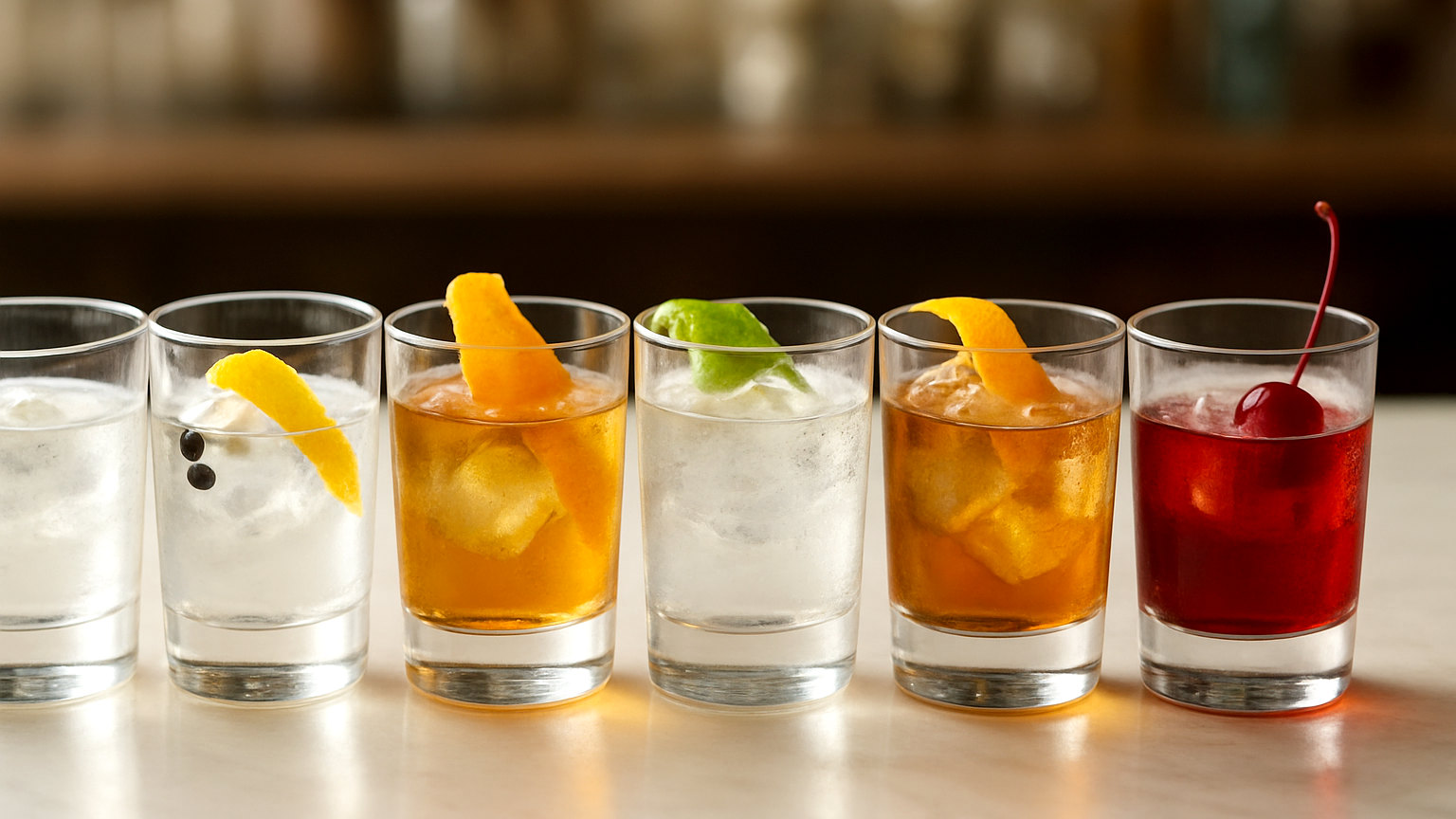
Several drinks written before the dry style took over assume a sweeter gin, and they taste noticeably better made correctly.
- Tom Collins. The drink is named for the gin. Made with London dry it is perfectly good; made with Old Tom it is rounder and better balanced against the lemon.
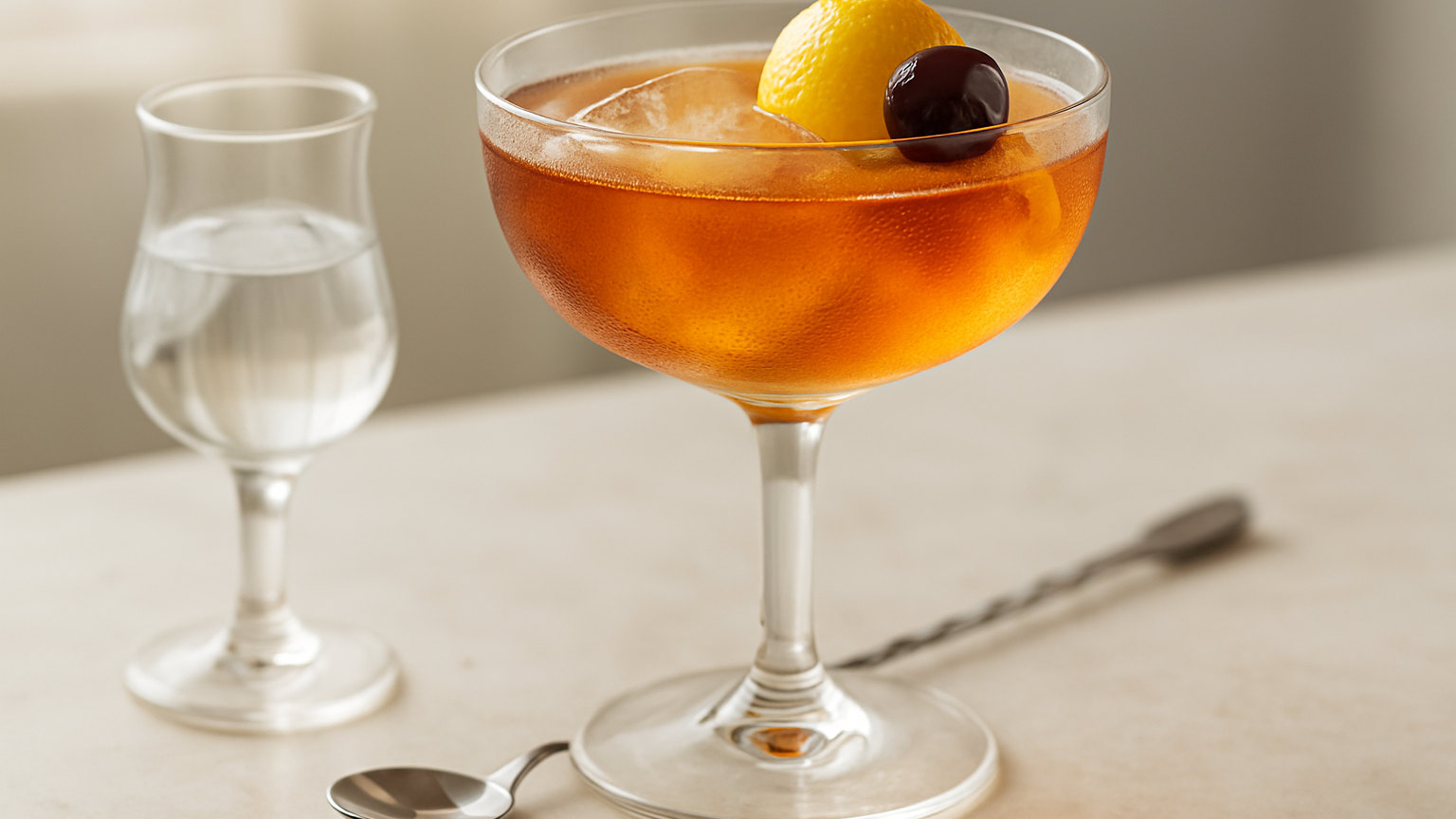
- Martinez. Widely considered an ancestor of the martini, and built on sweet vermouth and maraschino. Old Tom is the intended base.
- Ramos gin fizz. The extra body helps carry the cream and citrus.
- Early martini recipes. Nineteenth century versions used a sweeter gin alongside sweet vermouth, and the result is a completely different drink from a modern dry martini.
Is it worth owning a bottle?
If you make cocktails regularly, yes, as a second gin rather than a first. It is not a substitute for a London dry in a gin and tonic or a dry martini, where the added sweetness tends to flatten the drink.
If you are buying one, check whether the producer sweetens with sugar or achieves the effect botanically, and whether it has seen wood. Those three routes give quite different results, and knowing which you have makes it far easier to judge how much extra sugar, if any, to remove from the recipe you are making.