A standard gin and tonic contains one part gin to three parts tonic. Whatever you spent on the gin, three quarters of what you are drinking came out of the small bottle, and choosing it carelessly undoes the choice you made carefully.
What is actually in tonic water?
Carbonated water, sugar or sweetener, citric acid and quinine. Quinine is the bitter compound extracted from cinchona bark and the reason tonic exists at all: it was taken as an antimalarial, and gin was added to make it drinkable rather than the other way round.
Quinine levels are capped for safety, and most commercial tonics sit well below the limit. Brands that emphasise a properly bitter profile use more of it, and those tonics pair far better with juniper forward gins.
How much does the sugar matter?
A great deal. A standard tonic contains roughly the same sugar per hundred millilitres as many soft drinks, which is enough to turn a dry gin into a sweet drink. Light or reduced sugar tonics cut that substantially, and some use stevia or other sweeteners in place of sugar, which changes the finish noticeably.
If your gin and tonic tastes sweet and you did not want it to, the tonic is almost always the cause rather than the gin.
Which tonic suits which gin?
- Classic juniper forward London dry: a plain, properly bitter tonic. The dryness of the gin and the bitterness of the quinine reinforce each other, and nothing else is needed.
- Citrus led gin: a plain or lightly citrus tonic. Adding a heavily flavoured lemon tonic doubles up and flattens the gin's own character.
- Floral or cucumber gin: a light, low sugar tonic, since delicate aromatics disappear under sweetness.
- Sweetened or fruit flavoured gin: soda water or a very dry tonic. Two sweet elements together produce a cloying drink.
- Navy strength gin: anything, since the gin can defend itself, though a plain tonic gives the cleanest result.
What ratio should you use?
One to three is the standard and a sensible default. One to two makes a spirit forward drink that suits a lower strength gin or a hot afternoon when you want something short. One to four is a long, light drink where the gin becomes a background note.
Measure the gin rather than pouring by eye. A free pour into a large glass frequently lands at 70 or 80 millilitres, which quietly turns one drink into nearly two.
How do you keep it fizzy?
Carbonation is the first thing lost and the hardest to get back. Four habits protect it.
- Use small bottles or cans rather than a large bottle, since tonic goes flat within a day or two of opening.
- Chill the tonic properly. Cold liquid holds gas far better than warm, and pouring cold tonic over ice preserves more fizz than chilling the glass alone.
- Fill the glass with ice to the top. A full glass of ice melts more slowly than three cubes, so the drink dilutes less, not more.
- Pour the tonic gently down the side of the glass or over the back of a bar spoon, and do not stir vigorously.
Does the garnish matter?
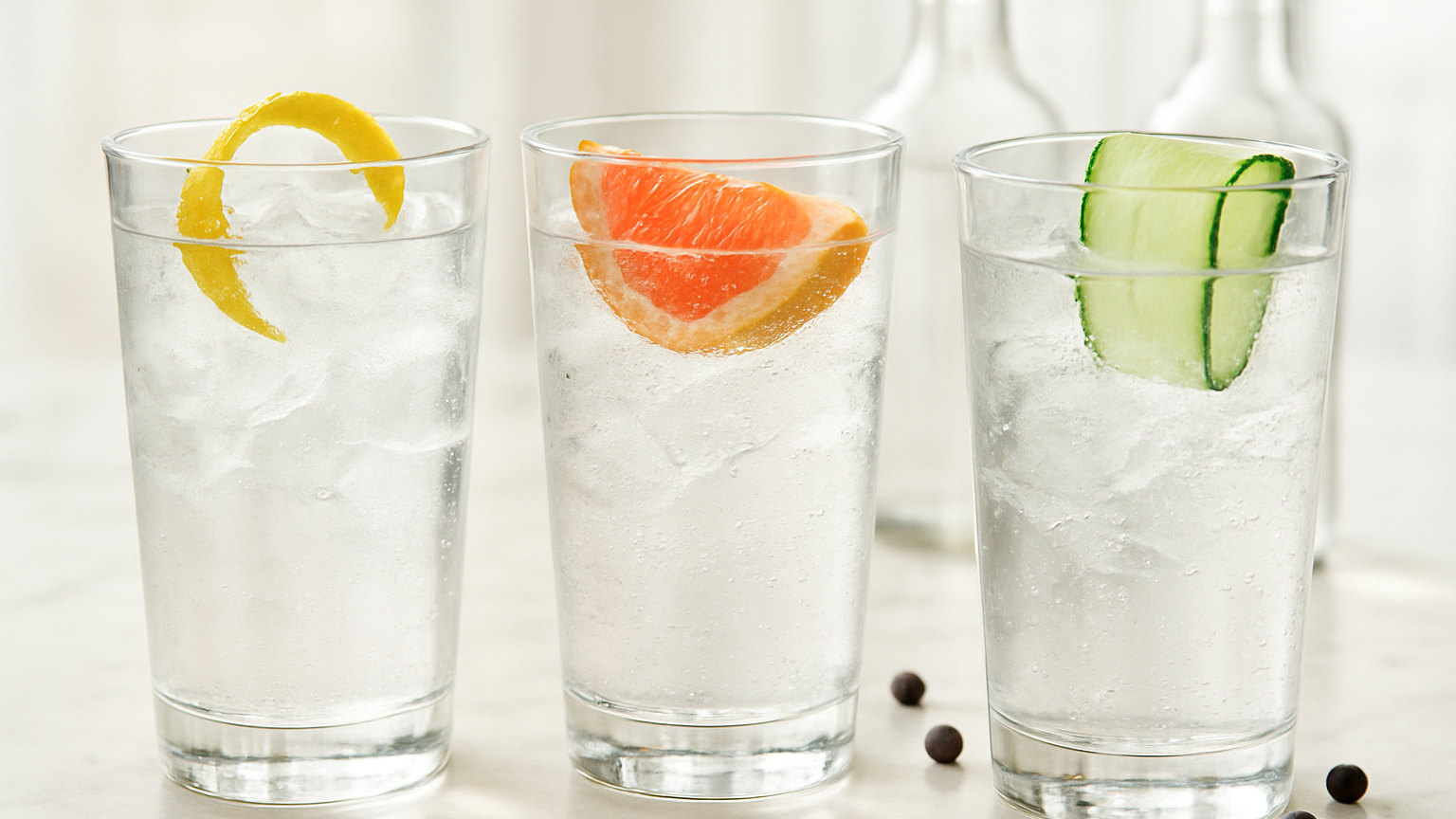
More than the elaborate versions suggest. A garnish is there to add aroma, and one well chosen element does that better than a handful of botanicals floating in the glass.
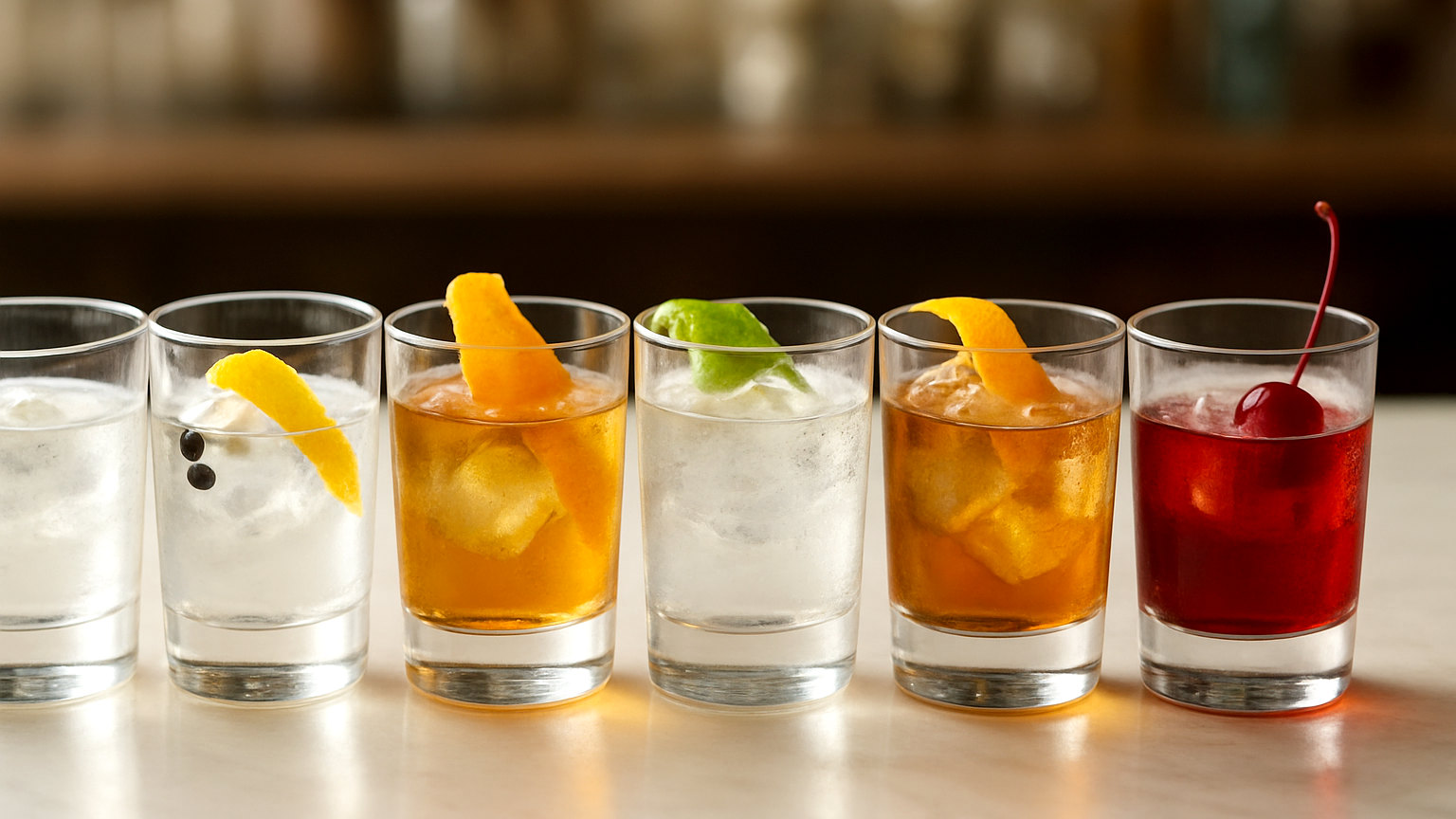
Lemon suits classic dry gins, lime suits citrus led ones, grapefruit works with floral gins, and orange peel suits gins heavy on cassia and warm spice. Squeeze or twist the peel over the surface so the oils land on the drink, then drop it in.
What about tonic syrup?
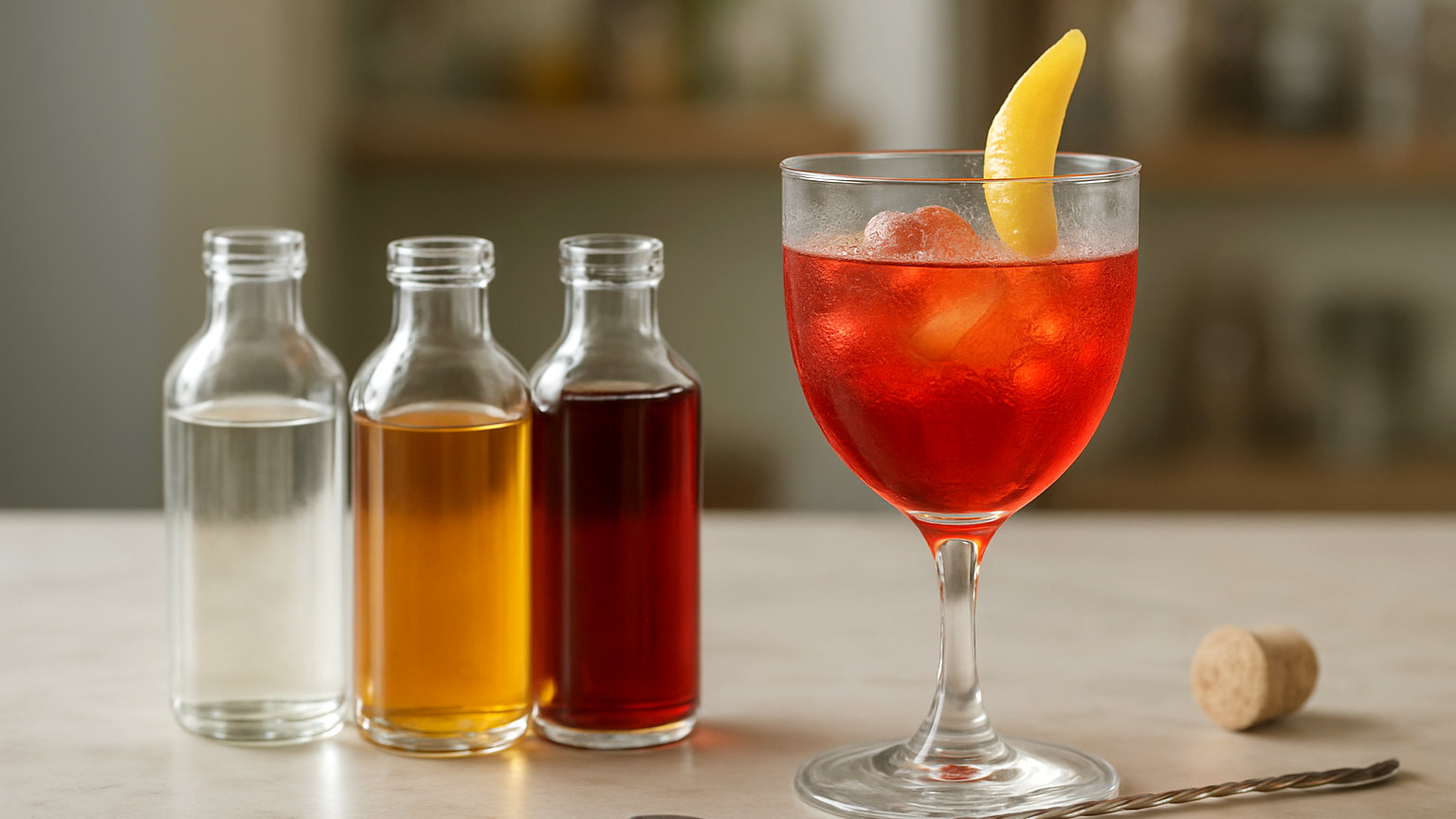
Concentrated tonic syrup mixed with soda water gives you control over both sweetness and quinine level, and it keeps far longer than bottled tonic once opened. It takes an extra step and is worth trying if you drink gin and tonic often enough for flat tonic to be a recurring annoyance.