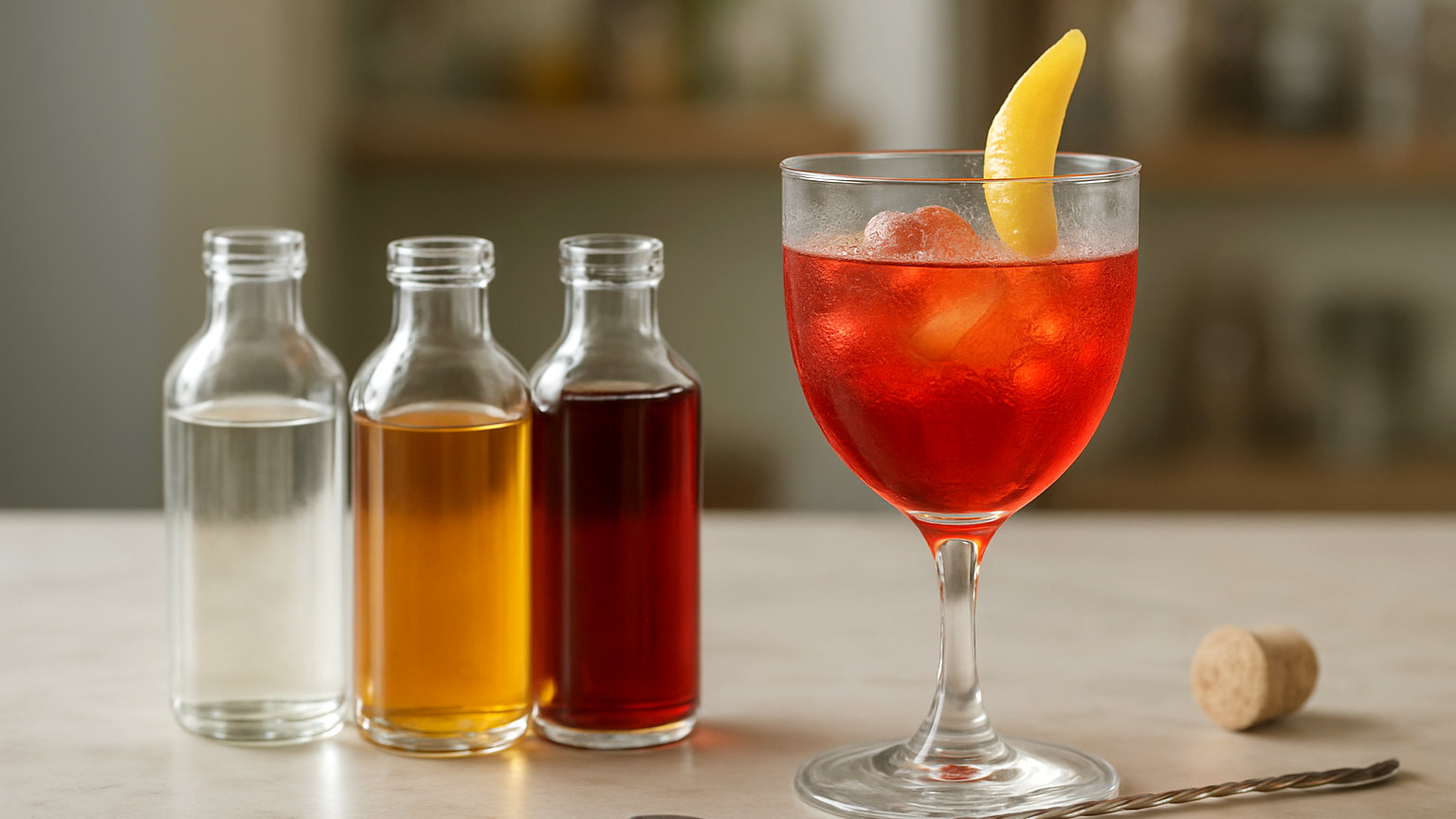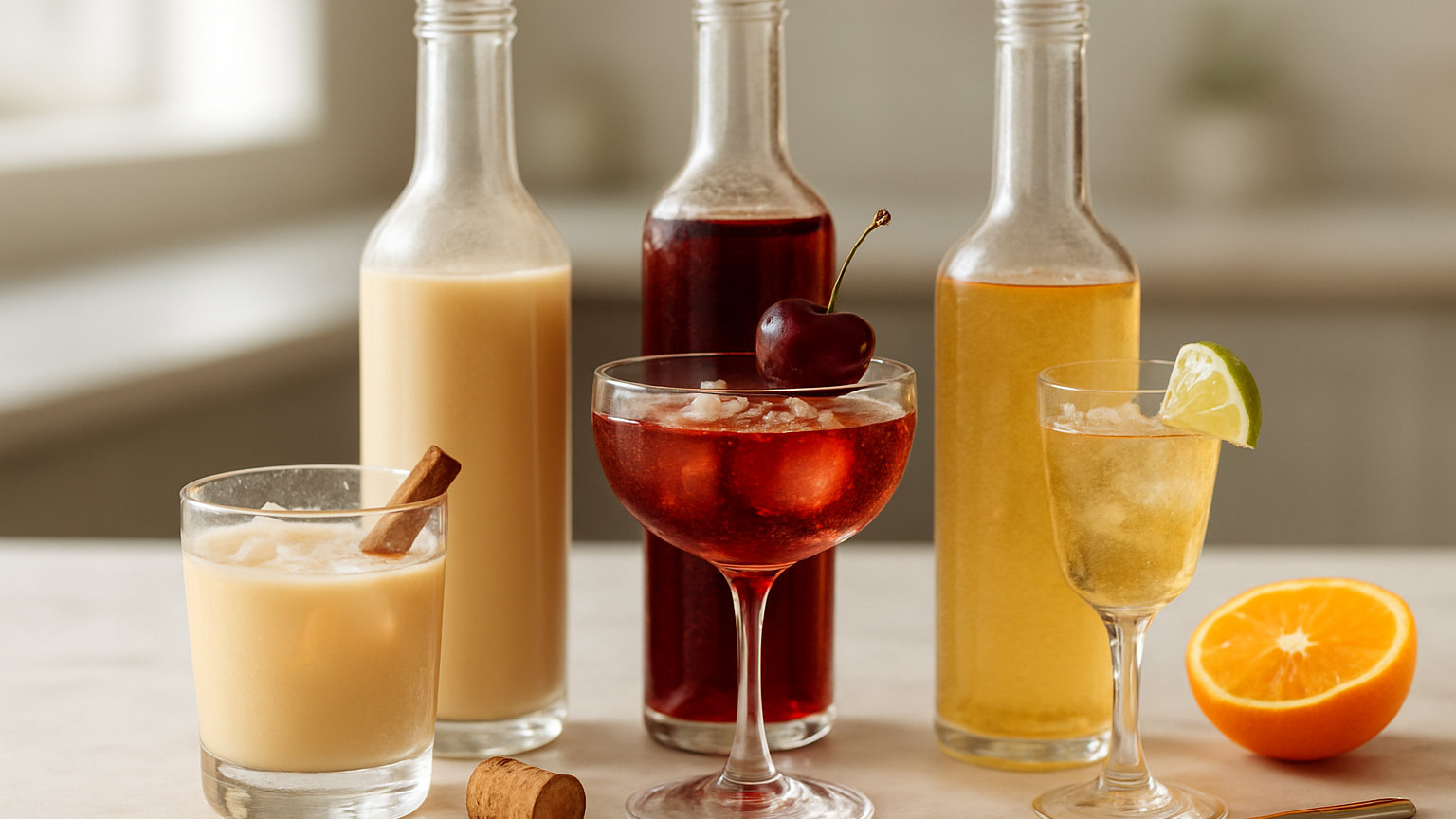
Liqueurs are the most variable category in a drinks cupboard for keeping. Some are effectively indestructible; others are gone in weeks. The deciding factors are alcohol strength, sugar content and whether there is dairy or wine involved.
What is the general rule?
The higher the alcohol and the higher the sugar, the longer it keeps. Both are preservatives, and a liqueur at 40 per cent with 200 grams of sugar per litre is extremely stable.
Working roughly by category:
- High strength herbal liqueurs and amari, above about 35 per cent: several years after opening with little change.
- Orange liqueurs and most fruit liqueurs at 30 to 40 per cent: around two years, with citrus aromatics fading first.
- Low strength liqueurs at 15 to 20 per cent: six months to a year, since there is less alcohol protecting them.
- Cream liqueurs: around six months, refrigerated.
- Vermouth and wine based aperitifs: one to three months, refrigerated. These are wine and behave like it.
Which need to go in the fridge?
Anything containing dairy, and anything wine based. That means cream liqueurs, vermouth, sherry, port and quinquina style aperitifs.
Everything else is fine in a cupboard, upright, away from light and heat. Refrigerating a high strength liqueur does no harm but makes little difference either, and thick syrupy liqueurs become difficult to pour when very cold.
How can you tell a liqueur has gone?
- Smell it. Faded or flat is normal ageing. Sour, vinegary or musty is a problem.
- Check the colour. Significant darkening in a pale liqueur indicates oxidation.
- Look for separation or curdling, which in a cream liqueur means it should be discarded.
- Taste a small amount. Loss of flavour is the usual outcome rather than anything unpleasant.
What about crystals in the bottle?
Sugar crystallising around the neck or on the base is common in very sweet liqueurs, particularly cremes, and is harmless. It happens when the liqueur is stored cold or when evaporation concentrates the sugar around a poorly sealed cap.
Warming the bottle gently in your hands and shaking will usually redissolve it. Wiping the neck and rim after pouring prevents the sticky build up that makes caps seize.
Do fruit liqueurs fade faster?
Yes, noticeably. Fresh citrus and berry aromatics are volatile and degrade over time, so a limoncello or a raspberry liqueur will be recognisably duller after two years even though it remains perfectly safe.
Light accelerates this considerably, which is why brightly coloured fruit liqueurs in clear bottles should be kept in a cupboard rather than displayed on a windowsill.
How do you slow it down?
The same approach that works for spirits. Keep bottles upright, sealed tightly, cool and dark. When a bottle drops below a third, decant into a smaller one filled close to the neck, since the ratio of air to liquid is what drives oxidation.
Buying smaller bottles of anything you use rarely is the simplest solution of all. A large bottle of a liqueur used twice a year is guaranteed to be past its best when you next reach for it.
Is an old liqueur dangerous?
Almost never, with the exception of dairy based products, which should be discarded if they smell sour or have separated. Alcohol and sugar together are a hostile environment for anything harmful.
What an old liqueur will be is disappointing, and in a cocktail where it forms a quarter of the drink that matters. If a bottle has been open for years and tastes of nothing, replacing it will improve every drink it goes into.
Should you write the date on the bottle?
It is a small habit that solves the whole problem. A date written on the label in marker when the bottle is opened removes the guesswork entirely, and it is particularly useful for vermouth and cream liqueurs where the window is short.
For anything you use rarely, it also tells you honestly whether a bottle is earning its shelf space or simply occupying it.