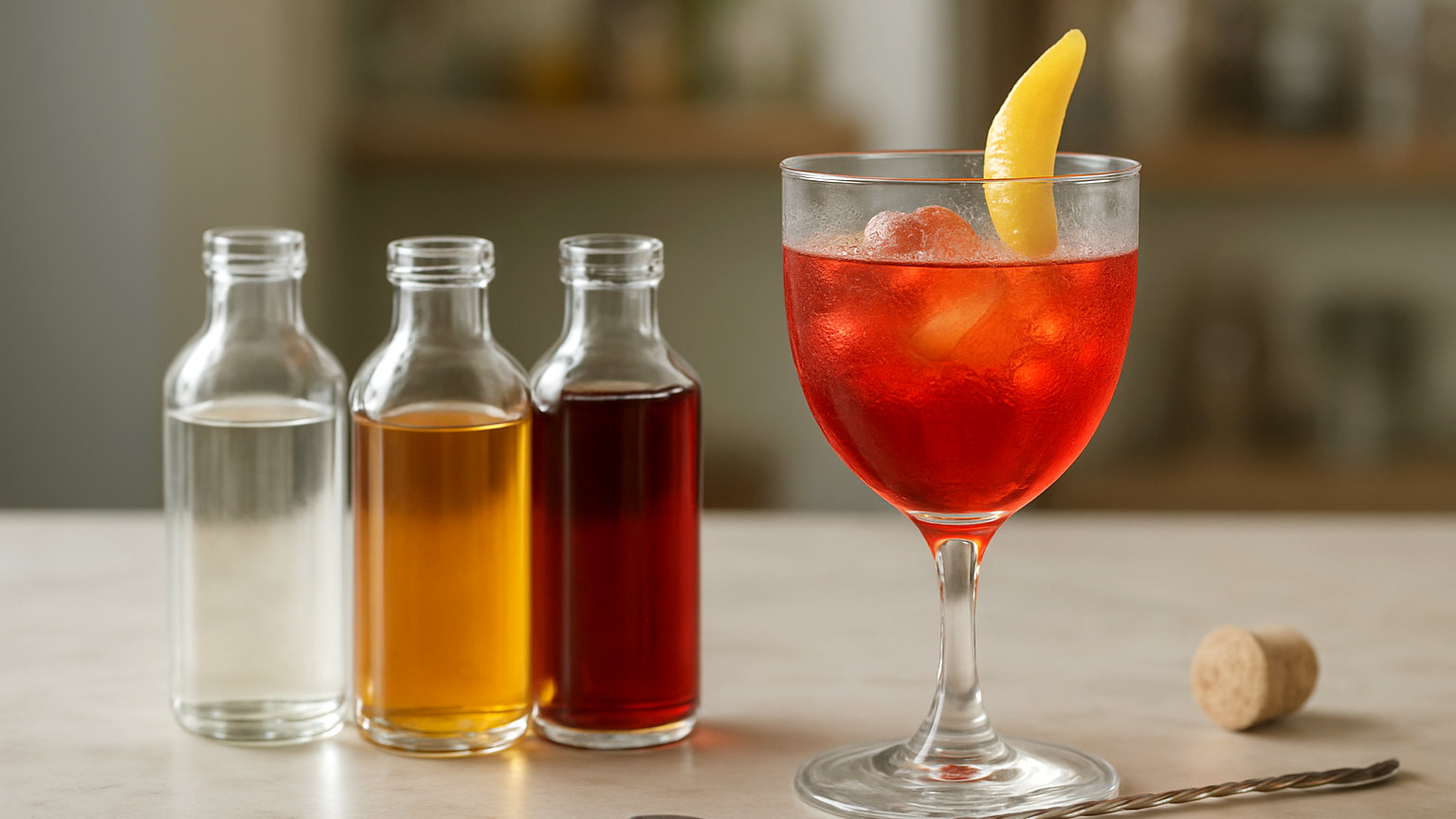
Vermouth is wine that has been fortified with spirit and flavoured with botanicals. It is not a spirit and not a liqueur, and treating it like either is the most common reason home cocktails go wrong.
What are the legal requirements?
Vermouth is classed as an aromatised wine. At least 75 per cent of the product must be wine, it must be flavoured with species of Artemisia, and it must be bottled between 14.5 and 22 per cent alcohol.
Artemisia is wormwood, and the requirement is not decorative. The name vermouth derives from wermut, the German word for the plant, and without it the product is an aromatised wine of some other kind.
What are the main styles?
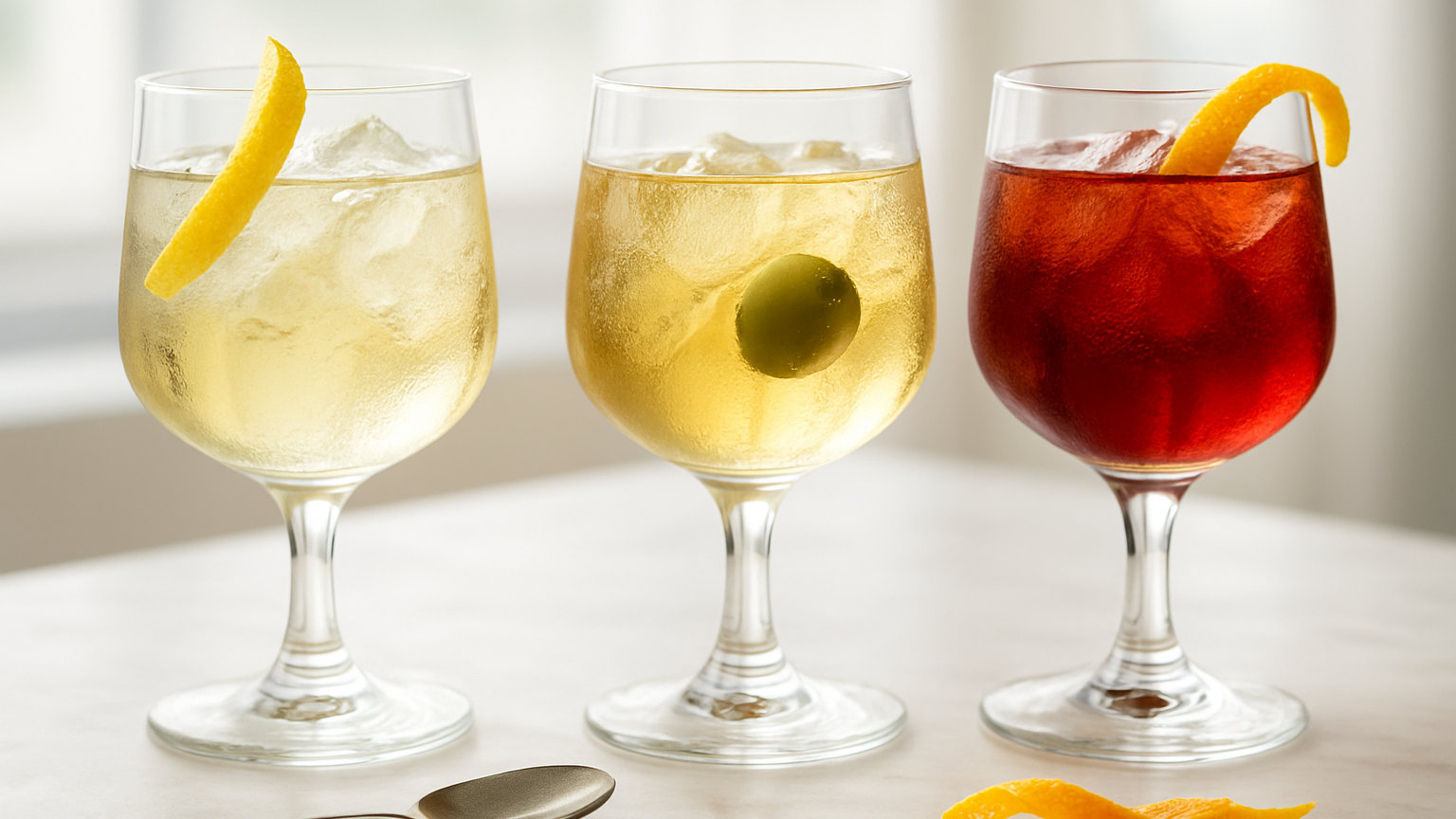
- Dry vermouth. Pale, crisp and low in sugar, around 18 per cent alcohol. Sometimes called French vermouth, though it is made everywhere. Essential for a dry martini.
- Sweet vermouth, also called rosso or Italian vermouth. Dark, rich and noticeably sweet, usually 15 to 16 per cent. The base of a negroni and a manhattan.
- Bianco. Sweet but pale, made from white wine, with vanilla and floral notes. Excellent with tonic and increasingly used in cocktails in its own right.
- Rosé and rosso amaro styles. Modern variations, generally sitting between bianco and rosso in weight.
Extra dry indicates a very low sugar version of the dry style. The colour of a vermouth comes largely from caramel rather than from the wine, which is why a sweet vermouth is dark despite usually being made from white wine.
Which do you need for which drink?
- Dry martini: dry vermouth, and more of it than the mythology suggests.
- Manhattan: sweet vermouth.
- Negroni: sweet vermouth, equal parts with gin and campari.
- Americano: sweet vermouth with campari and soda.
- Vesper and martinez variations: depend on the recipe, so check before substituting.
If you buy two bottles, buy one dry and one sweet. Those two cover the large majority of classic cocktails that call for vermouth at all.
What is in it besides wormwood?
Anything from a dozen to fifty botanicals, and recipes are closely guarded. Common inclusions are gentian, cinchona, citrus peel, coriander, cardamom, clove, chamomile, elderflower, marjoram and vanilla.
Producers in Turin and Chambéry work within long established regional traditions, both of which hold protected status, and each region has a recognisable house character.
Can you drink it on its own?
Certainly, and in Italy, France and Spain it is drunk that way routinely. A measure of vermouth over ice with a slice of orange or a twist of lemon is one of the better low strength drinks available.
Bianco or rosso with tonic and a citrus twist is equally good and considerably lighter than a spirit based drink. Given that vermouth sits around 16 per cent, it makes a sensible aperitif when a full strength cocktail would be too much.
Does the quality matter?
More than most people assume. In a martini, vermouth is a third or more of the drink, and in a negroni it is a full third. Using a tired supermarket bottle in an otherwise careful cocktail is the single most common way to spoil it.
The good news is that even excellent vermouth is inexpensive relative to spirits, so trading up costs very little.
What is the one rule to remember?
It is wine. Once opened it oxidises like wine, not like a spirit, and it belongs in the fridge. A bottle left in a cupboard for six months has gone stale, and no amount of good gin will rescue the drink it goes into.
Does vermouth need to be expensive?
No, and the difference between a mid priced bottle and a premium one is smaller than the difference between a fresh bottle and a stale one.
Buy something decent, buy it in the smallest size available, keep it cold and use it within a month or two. Those habits will improve your cocktails far more than trading up ever will, and they cost less rather than more.