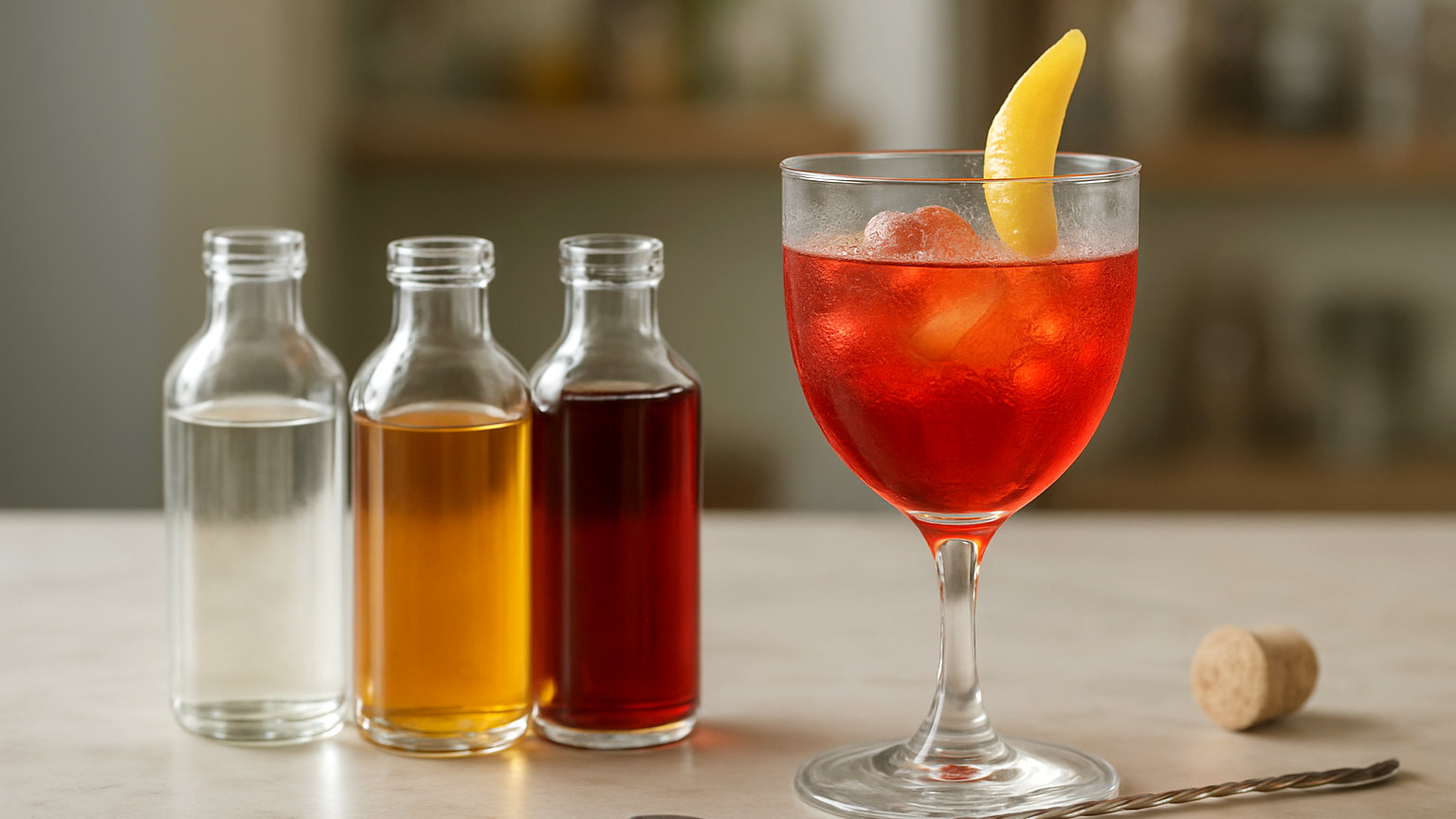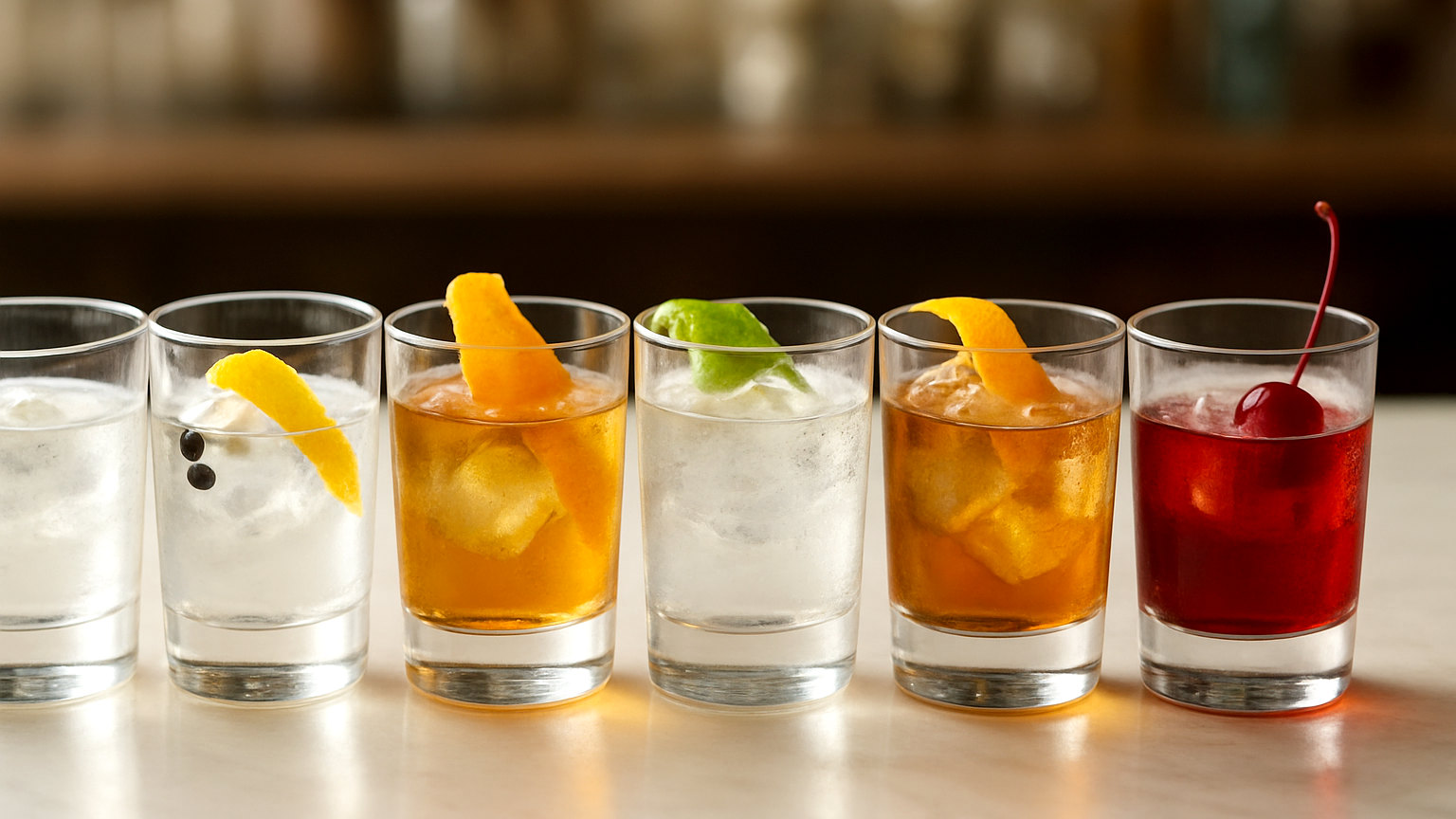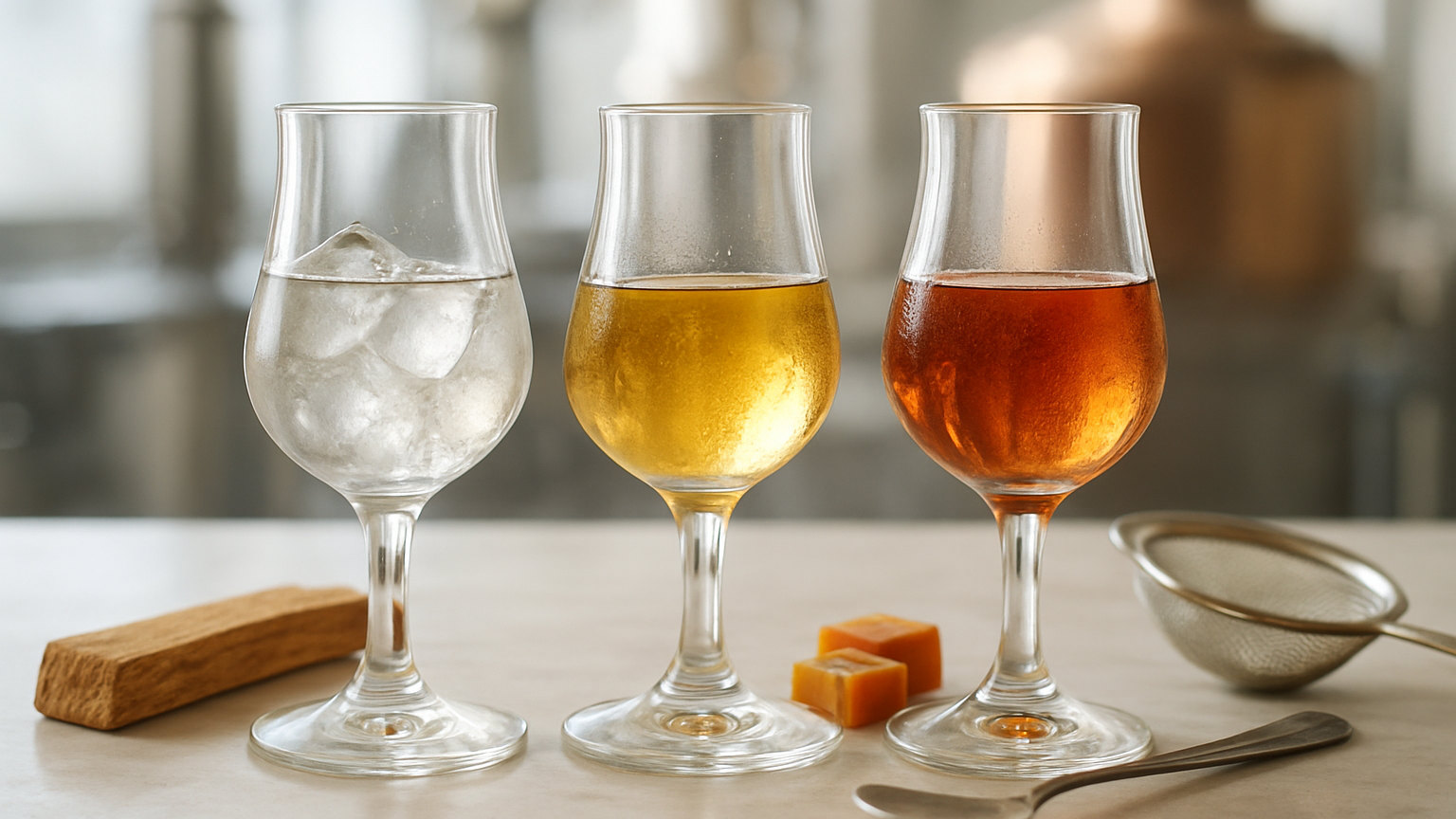
The instinct that darker means older and richer works reasonably well for whisky and badly for rum. In this category colour has been decoupled from age and from flavour by two common practices, and neither has to be declared.
Where does rum colour come from?
Three sources, and only one of them tells you anything.
- The cask. Genuine maturation in oak gives colour along with flavour, and in tropical climates it happens fast.
- Caramel colouring. Widely used and legal in most markets, added to achieve a consistent appearance or to make a young rum look older.
- Other additions. Some dark rums are darkened with molasses or heavily caramelised sugar, which contributes flavour as well as colour.
Because caramel is cheap and effective, two rums of identical colour may have spent wildly different periods in wood.
Why is white rum sometimes aged?
This is the part that surprises people. A great deal of white rum has been aged in oak for one to three years and then filtered through activated carbon to strip the colour back out.
The reason is commercial. Bartenders and consumers expect a clear spirit in a daiquiri or a mojito, but the producer wants the softening that ageing provides. Filtering after ageing delivers both, at the cost of removing some flavour along with the colour.
So a colourless rum is not necessarily an unaged one, and unaged rum is a separate proposition again, usually more aggressive and more expressive.
Does dark rum mean anything at all?
Only as a rough style signal, and an unreliable one. In practice dark rum on a supermarket shelf usually indicates a molasses based blend with substantial caramel colouring, aimed at mixing with cola or ginger beer.
Some genuinely dark rums are dark because of long tropical ageing or because they are blended with heavily caramelised components in a traditional style, particularly in the Demerara tradition of Guyana. Telling these apart from coloured young rum requires reading beyond the colour.
What about gold and amber?
These sit between and are equally uninformative. Gold rum typically means a lightly aged or lightly coloured product intended for mixing. It is a price and positioning description rather than a production one.
What should you look at instead?
- A stated age with a stated convention, ideally confirming the number refers to the youngest rum in the blend.
- Distillery and country of origin, which indicate house style far more reliably than appearance.
- Still type, since pot still rum has body regardless of colour and column still rum is generally lighter.
- Strength, as a higher bottling generally means less dilution and more flavour.
- Explicit statements about additives, particularly no added sugar and no added colour, which producers only make when they are true.
Can you spot added colour in the glass?
Not reliably by eye. One imperfect clue is that heavily caramel coloured rums can show a slightly flat, uniform brown compared with the varied amber and copper tones of cask derived colour, but lighting and glass shape make this unreliable.
A more useful test is the finish. Rum that tastes sweet on the finish while showing little oak complexity has often been adjusted rather than aged, and colour is usually part of the same adjustment.
Does any of this matter for mixing?
Less than for sipping. If a rum is destined for a cola or a punch, a coloured young blend does the job perfectly well and costs less. The colour question matters most when you are paying a premium on the assumption that appearance reflects maturation, which in rum it frequently does not.
Colour does have one practical use in mixing, which is appearance in the glass. A dark rum float on a cocktail looks striking and the aroma reaches the drinker first, and for that purpose the source of the colour is irrelevant.
The habit worth building is simply to stop reading colour as a proxy for anything else. Once you check age convention, origin and strength instead, the shade in the bottle becomes what it actually is, which is a decision made by a blender about how the product should look on a shelf.