Mexican tequila regulations permit a small number of additives, and producers are not required to declare them. The permitted quantity sounds negligible until you consider what these particular substances do at low concentrations.
Which additives are allowed?
Four, collectively limited to a small proportion of the total volume.
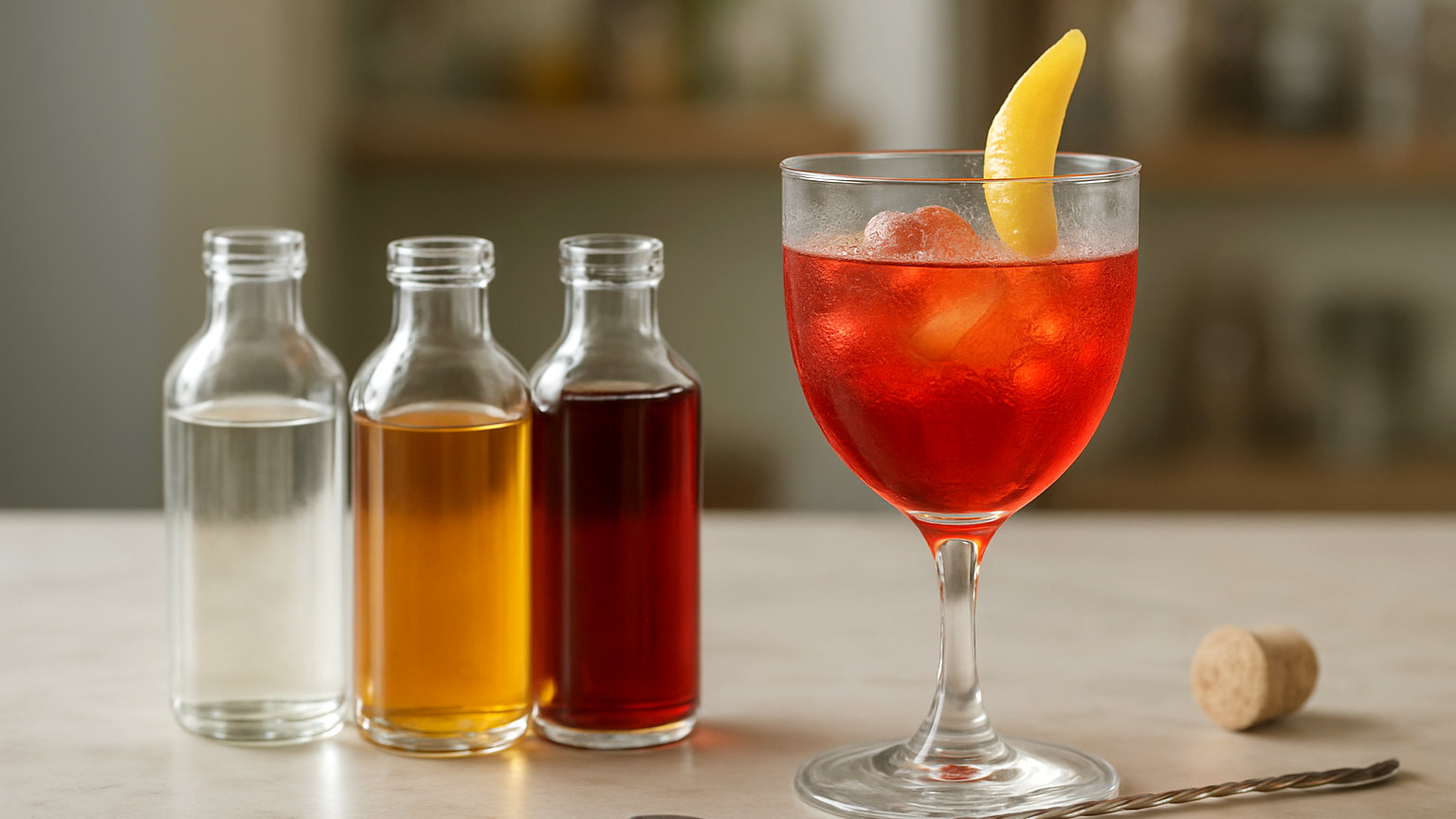
- Glycerin, which thickens texture and gives a smooth, viscous mouthfeel.
- Sugar based syrup, which sweetens and rounds off alcoholic bite.
- Oak extract, which supplies vanilla and wood flavour without time in a barrel.
- Caramel colouring, which darkens the spirit to suggest age.
Taken together, these can make a young, cheaply produced spirit taste older, smoother and sweeter than it is. That is precisely why they are used.
Why does a small percentage matter?
Because these are potent at low concentrations. Oak extract is a concentrated flavouring, and a fraction of a per cent delivers a vanilla character that would otherwise require months in a cask. Glycerin at similar levels noticeably changes texture.
The limit is a ceiling on volume, not on effect. A bottle can be entirely compliant and still taste substantially different from the same distillate untreated.
Is it legal, and is it disclosed?
Legal, yes, within the permitted limits. Disclosed, generally no. There is no requirement to state additive use on the label, and a bottle marked 100 per cent agave may still contain all four.
This is the gap that the additive free movement grew up to fill. Producers who use nothing have started saying so explicitly, and independent verification programmes have emerged to check the claim, since anyone could otherwise print it.
How do you find additive free tequila?
- Look for an explicit statement on the label or the producer's website. Distilleries that add nothing have every reason to say so.
- Check independent verification. Several enthusiast led projects maintain lists of verified additive free brands, cross-referenced by NOM number.
- Use the NOM number to identify the actual distillery, since a single facility may produce many brands with very different approaches.
- Be wary of unusual sweetness or a syrupy texture in a young blanco, which is the clearest sensory clue.
Can you taste the difference?
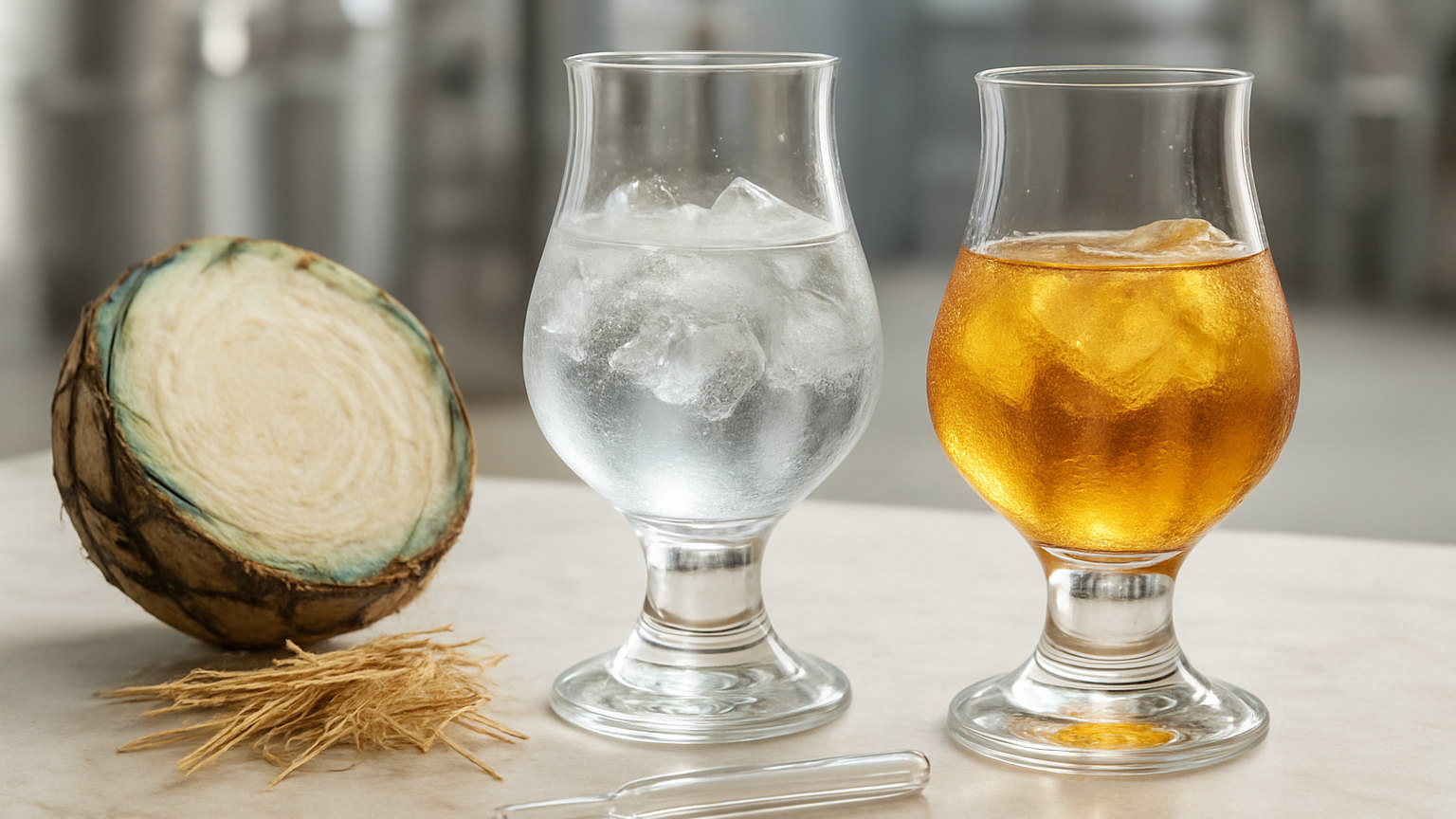
In blanco, usually yes. Untreated blanco tequila is bright, peppery, sometimes austere, with a clean finish. A treated one is rounder and sweeter with a coating texture that lingers.
Which you prefer is a fair question. Some people genuinely like the softer style, and there is no obligation to prefer the purist version. The reasonable objection is not that additives exist but that they are undisclosed, so a buyer cannot compare two bottles knowing what is in them.
In aged expressions the picture is murkier, since oak extract and caramel imitate exactly what real ageing provides, and telling them apart requires more experience.
Does this apply to mezcal?
Mezcal regulations are stricter in this respect. Traditional artesanal and ancestral mezcal is generally made without additives, and the small scale producers who dominate the category have neither the incentive nor the equipment to use them.
Industrial category mezcal is a different matter, and the same caution applies there as with tequila.
Is it worth the effort?
If you drink tequila neat or make simple cocktails with it, yes. The character you are paying for in a good blanco is exactly the character additives obscure, and additive free bottles are not generally more expensive than the treated alternatives at the same tier.
If your tequila goes into a large batch of margaritas with plenty of lime, it matters considerably less, and chasing verification for that purpose is more effort than it repays.
Why are additives permitted at all?
They date from a period when consistency across large volumes mattered more to the industry than transparency, and small permitted adjustments were a practical tool for hitting a house profile batch after batch.
The argument for keeping them is that they are limited, safe and long established. The argument against is simply that buyers cannot see them, and that a rule permitting undisclosed flavouring sits oddly in a category otherwise defined by a strict denomination of origin.