Smoke is the first thing most people notice about mezcal and the reason many either love it or never try it twice. It comes from one stage of production, and it is a consequence of how the agave is cooked rather than something inherent to the plant.
How does the pit roasting work?
A conical pit is dug in the ground at the palenque, the small distillery where mezcal is made. Wood is burned in the bottom until it becomes embers, and rocks are heated on top of it until they glow.
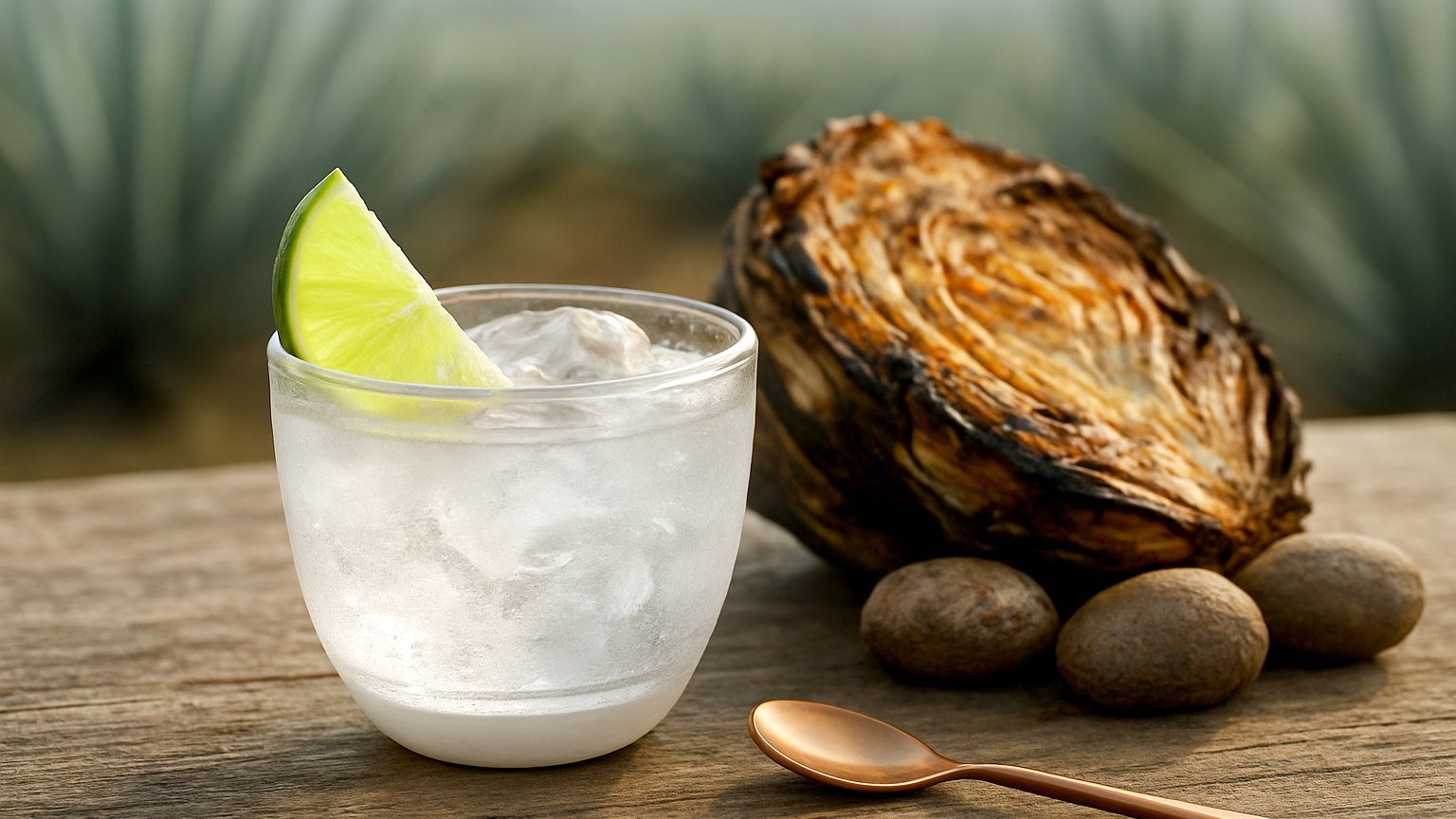
Halved agave hearts are stacked over the hot rocks, covered with agave fibres and matting, and then buried under earth. The pit is left sealed for three to five days while the residual heat cooks the plant slowly.
During those days, smoke and combustion compounds permeate the agave. Because the plant is cooking rather than burning, the smoke is absorbed into the flesh, and it survives crushing, fermentation and distillation into the finished spirit.
Why is tequila not smoky?
Because tequila is cooked with steam. Brick ovens and autoclaves both use steam heat with no combustion touching the agave, so there is nothing to impart smoke.
This is the clearest single production difference between the two categories, and it explains why the smoky character is so consistently associated with mezcal.
What decides how smoky a mezcal is?
- Wood type. Different local woods burn differently and contribute their own aromatic profile.
- How long the pit is sealed. Longer roasting means more absorption.
- How dry the wood is. Damp wood smoulders and produces more smoke.
- Agave species. Denser, more sugar rich hearts absorb differently.
- Distillation cuts. Where the distiller separates the heart of the run affects how much smoke carries through.
Producers control this deliberately. Some aim for a restrained smoke that frames the agave; others accept a heavier profile as part of the local style.
Are all mezcals smoky?
No, and this is the most useful thing for a sceptical drinker to know. Mezcal made in the industrial category, using autoclaves rather than pits, has little or no smoke. Some artesanal producers use masonry ovens, which reduce it considerably.
Even among pit roasted mezcals the range is wide. A carefully made espadin can be gently smoky with fruit and cooked agave leading, while a heavier example smells like a bonfire before you get the glass near your face.
If smoke is the barrier, look for a mezcal described as lightly smoked, or seek out producers known for restraint, rather than concluding the category is not for you.
What else does pit roasting contribute?
A good deal beyond smoke. Slow cooking over several days caramelises the agave sugars more deeply than a few hours in an autoclave, producing richer cooked fruit, molasses and roasted vegetable notes.
The earth itself contributes too, giving a mineral, damp soil quality that mezcal drinkers value. So the pit is doing more work than the smoke alone suggests, and removing it changes the spirit substantially in ways that have nothing to do with smokiness.
How should you drink a smoky mezcal?
Neat and at room temperature, in a small wide glass, sipped slowly. Chilling suppresses the aromatics that justify the price.
Sangrita, a non alcoholic accompaniment of citrus, tomato and chilli, works well alongside it. Orange slices with sal de gusano, a salt made with ground larva and chilli, is the traditional Oaxacan pairing.
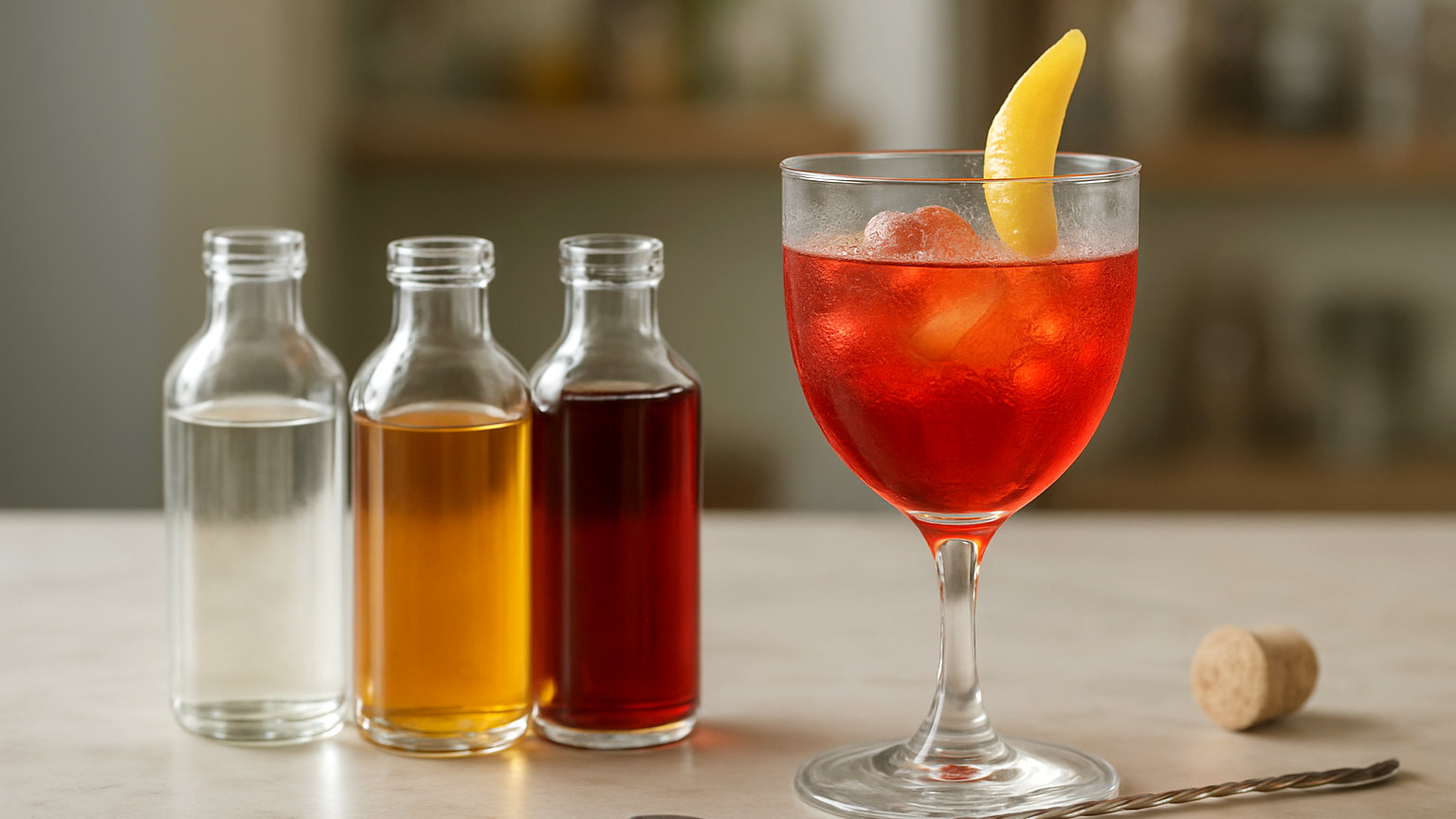
In cocktails, smoke behaves like peat in whisky, so a small quantity goes far. Splitting the base between tequila and mezcal in a margarita gives smoky depth without overwhelming the drink, and a mezcal negroni is one of the better modern variations on that recipe.
Does the smoke fade with time?
In the bottle, barely. Mezcal is rarely aged in wood, so there is no maturation process softening it, and a sealed bottle will taste much the same for years.
In the glass, it does change. Smoke is most dominant in the first aromatic hit and recedes as the spirit sits and opens, letting fruit, minerality and cooked agave come forward. Giving a mezcal five minutes in the glass before judging it is worth doing.