Applying whisky tasting habits to vodka produces frustration. There is very little aroma to work with and almost no flavour development, so hunting for fruit and spice notes yields nothing. What vodka does have is texture, weight, heat and finish, and those need a slightly different approach.
What temperature should it be?
Room temperature, if the purpose is assessment. Cold thickens texture and suppresses both aroma and harshness, which means chilling flatters every vodka equally and hides the differences you are trying to find.
This is the opposite of how vodka is normally enjoyed, and that is fine. Taste warm to learn what is in the bottle, then serve it however you actually like it.
What glass should you use?
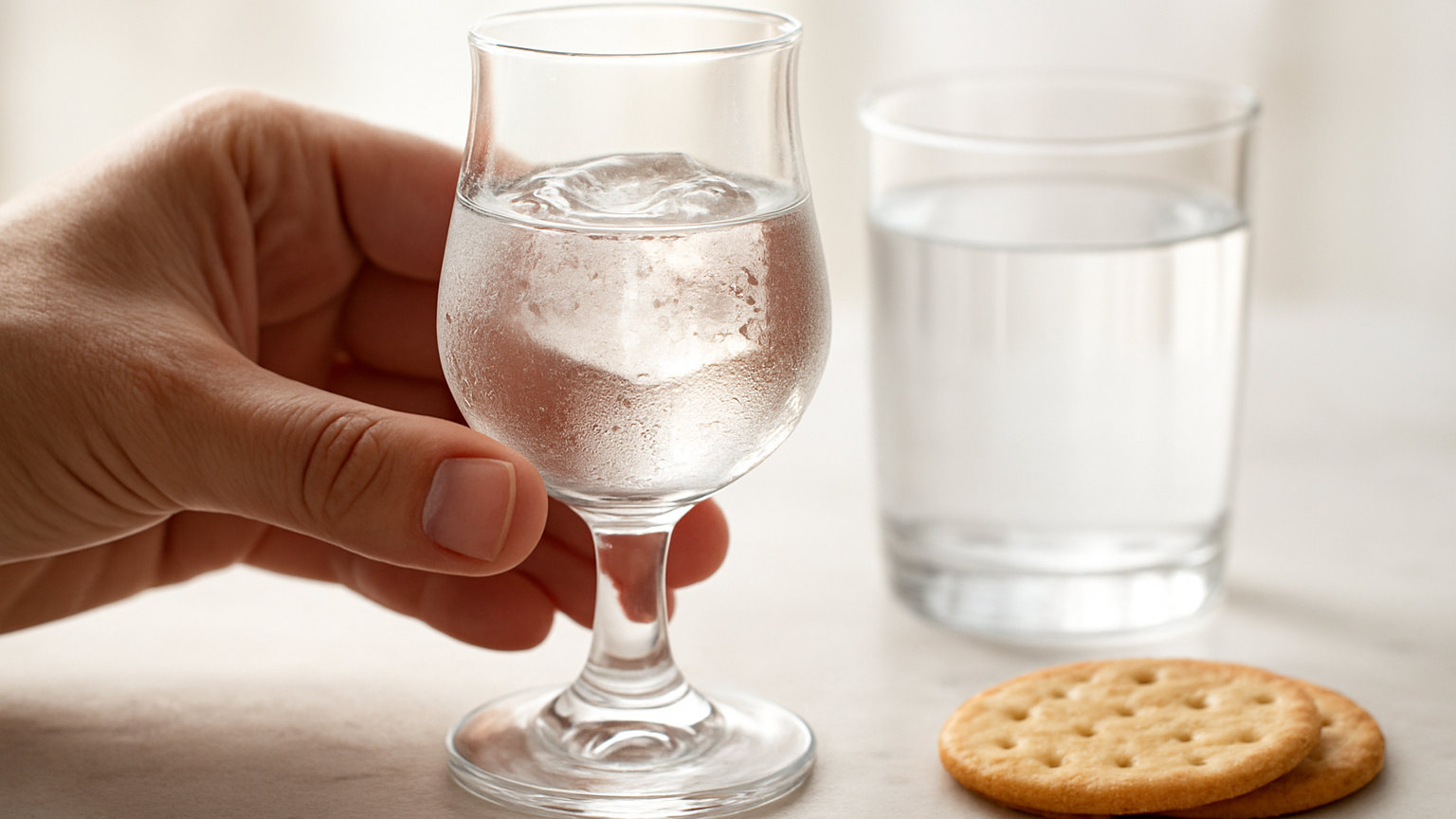
Something that narrows towards the top, such as a copita, a small wine glass or a nosing glass. It concentrates what little aroma there is. A shot glass gives you nothing to smell and a wide tumbler lets it escape.
Pour a small measure, around 15 to 20 millilitres. Vodka at 40 per cent tires the palate quickly, and small pours make a comparison of several bottles practical.
How should you smell it?
Gently, and with your mouth slightly open, which reduces the alcohol sting in the nose. Hold the glass a little away from your face first and bring it closer.
What you are looking for is faint: grain, bread, cream, a mineral note, occasionally something floral or a whiff of aniseed. What you do not want is a solvent, acetone or sour smell, which indicates incomplete rectification.
What should you assess on the palate?
- Entry. Does it arrive softly or sharply?
- Texture. Thin and watery, or full and oily? This is the most informative quality in vodka and the easiest to feel.
- Sweetness. A faint sweetness is common and pleasant. Obvious sweetness usually indicates an addition.
- Heat. Compare bottles at the same strength. A well made vodka warms rather than burns.
- Finish. How long does anything remain, and is what remains pleasant? A clean quick finish and a harsh lingering one are easy to tell apart.
Hold a small sip for a second or two before swallowing, and pay attention to the seconds afterwards rather than the moment of contact.
How do you run a fair comparison?
- Choose three or four vodkas at similar strength, ideally across a price range.
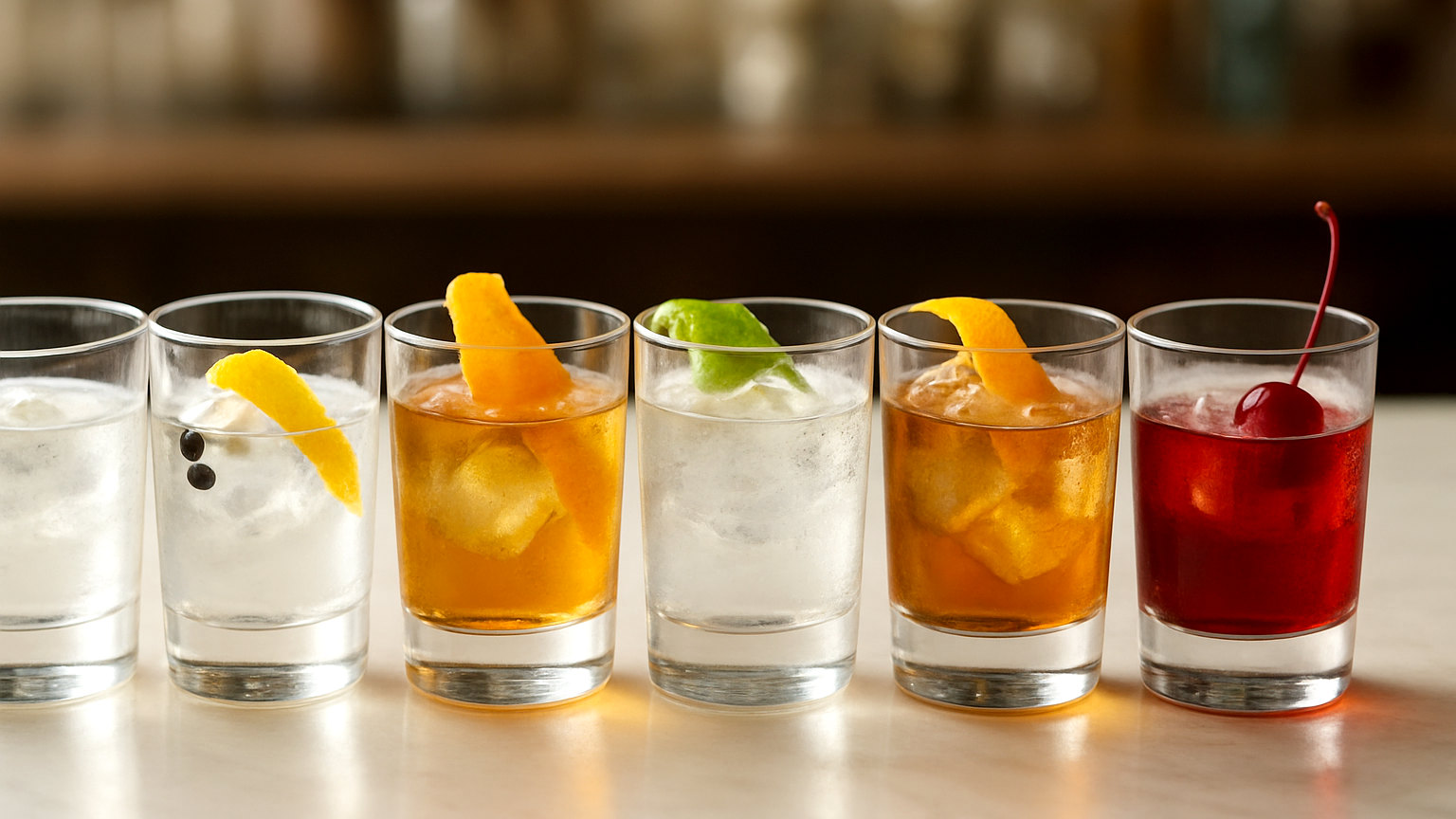
- Pour equal small measures into identical glasses.
- Have someone else number them so you do not know which is which, since expectation strongly influences perception.
- Taste in order, then again in reverse, with water and plain bread between them.
- Write one line on each before comparing notes with the labels.
Blind tasting matters more here than in any other spirit category, because vodka branding is unusually powerful and the actual differences are unusually small.
Should you add water?
A few drops can help, reducing the burn and making texture easier to judge, particularly with a vodka above 40 per cent. It will not release hidden aromas the way it does with whisky, because there is far less there to release.
What should you expect to find?
Less than the marketing promises and more than the sceptics claim. Most people running a blind comparison for the first time identify the cheapest bottle immediately, struggle to rank the middle of the field, and find one vodka they prefer for reasons they can describe in terms of texture rather than flavour.
That result is the useful one. It tells you where your own threshold sits, which is the only sensible basis for deciding what to spend.
How many should you taste at once?
Three or four is the practical limit. Vodka is high in alcohol and low in variation, so the palate fatigues faster here than with wine or whisky and the differences become harder to detect rather than easier. Keep the measures small, spit if you are working through several, and take a break rather than pushing on when everything starts to taste the same.